
In the grand narrative of manhood, certain archetypes persist: the stoic provider, the fearless protector, the unwavering pillar of strength. Yet, beneath the surface of these formidable ideals lies a quiet vulnerability, a critical component of male health that often goes unaddressed until it becomes a problem: the prostate. This small, walnut-sized gland, nestled beneath the bladder, plays an outsized role in a man’s quality of life, dictating everything from urinary flow to sexual function. And for too long, the conversation around prostate health has been dominated by fear – the fear of BPH (Benign Prostatic Hyperplasia), the fear of prostatitis, and, most chillingly, the fear of prostate cancer.
But what if "manning up" wasn’t about ignoring discomfort or simply reacting to a diagnosis, but about proactively fortifying your body from the inside out? What if the very definition of a "hearty meal" could be redefined, not by its caloric density or indulgent richness, but by its profound ability to protect, nourish, and sustain this vital organ? This isn’t about deprivation or bland diets; it’s about a culinary revolution, a strategic embrace of foods that are both deeply satisfying and scientifically proven to be allies in the fight for prostate health. It’s time to "Man Up Your Menu" – to tell a story of empowerment through food, where deliciousness and defense walk hand in hand.
Our audience, knowledgeable and discerning, understands that health is a journey, not a destination, and that true wellness is built upon a foundation of informed choices. So, let us embark on this journey together, peeling back the layers of scientific research, culinary tradition, and personal well-being to uncover the powerful story of how your plate can become your prostate’s best friend.
The Prostate: A Silent Partner, A Vulnerable Target
Before we delve into the culinary solutions, it’s crucial to understand the prostate itself. Anatomically, it’s a gland of the male reproductive system, positioned just below the bladder, encircling the urethra. Its primary function is to produce seminal fluid, which nourishes and transports sperm. While small, its strategic location means that any enlargement or inflammation can have significant consequences for urinary and sexual function.
The common conditions affecting the prostate are familiar to many men, or at least to their fathers and grandfathers:
- Benign Prostatic Hyperplasia (BPH): Often referred to as an enlarged prostate, BPH is a non-cancerous condition that affects nearly half of men aged 51 to 60, and up to 90% of men over 80. As the prostate grows, it can squeeze the urethra, leading to bothersome lower urinary tract symptoms (LUTS) like frequent urination, weak stream, nocturia (waking up at night to urinate), and a feeling of incomplete bladder emptying. While not life-threatening, BPH can severely impact quality of life, leading to frustration, disrupted sleep, and even anxiety.
- Prostatitis: This is an inflammation of the prostate gland, which can be acute (sudden and severe) or chronic (long-lasting). It can be caused by bacterial infection, but often, especially in its chronic form (Chronic Pelvic Pain Syndrome, CPPS), the cause is unknown. Symptoms include pain in the pelvis, genitals, or lower back, painful urination, and ejaculatory pain. Prostatitis, particularly CPPS, can be debilitating and notoriously difficult to treat, making prevention and management of inflammation paramount.
- Prostate Cancer: The second most common cancer among men globally, prostate cancer is a significant concern. While many prostate cancers are slow-growing and may never cause problems, others are aggressive and life-threatening. Risk factors include age, ethnicity, and a family history of the disease. The development and progression of prostate cancer are complex, influenced by genetics, lifestyle, and, increasingly, dietary choices.
The narrative connecting these conditions often points to a common antagonist: the "Western Diet." Characterized by high consumption of red and processed meats, refined grains, sugary drinks, and unhealthy fats, and low intake of fruits, vegetables, and whole grains, this dietary pattern fuels chronic inflammation, oxidative stress, and hormonal imbalances – all recognized drivers of prostate disease. This isn’t just about avoiding the bad; it’s about actively embracing the good, turning the tide with every meal.
The Science of Protection: Your Plate, Your Shield
To tell the story of prostate protection through food, we must first understand the scientific principles at play. Our food isn’t just fuel; it’s information, a complex biochemical symphony that can either promote health or disease. For the prostate, the key players in this symphony are anti-inflammatory compounds, potent antioxidants, hormone modulators, and the unsung hero, fiber.
1. Anti-inflammatory Powerhouses: Quenching the Internal Fire
Imagine chronic inflammation as a slow-burning fire within the body. While acute inflammation is a necessary part of the healing process, persistent, low-grade inflammation can damage cells, contribute to tissue overgrowth (like in BPH), and create an environment ripe for cancer development. Many prostate conditions, especially prostatitis and the progression of prostate cancer, have strong inflammatory components.
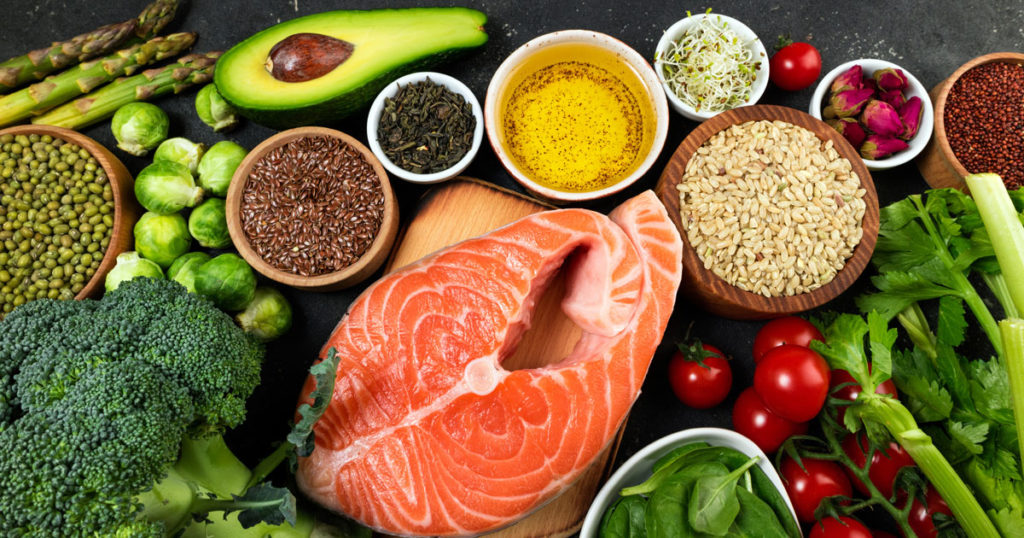
- Omega-3 Fatty Acids: These essential fats are perhaps the most celebrated anti-inflammatory agents. Found abundantly in fatty fish like salmon, mackerel, sardines, and trout, as well as in flaxseeds, chia seeds, and walnuts, omega-3s (EPA and DHA primarily) are metabolized into compounds that actively reduce inflammation. They help dampen the production of pro-inflammatory molecules, effectively dousing the internal fire. Think of a beautifully grilled salmon, rich in these healthy fats, as a delicious dose of cellular calm.
- Turmeric (Curcumin): The vibrant yellow spice, a staple in Ayurvedic medicine, contains curcumin, a compound with extraordinary anti-inflammatory properties. Curcumin has been shown to inhibit multiple inflammatory pathways and has been extensively studied for its potential role in cancer prevention and treatment, including prostate cancer. Adding turmeric to curries, soups, or even smoothies can be a potent daily ritual.
- Green Tea (EGCG): More than just a comforting beverage, green tea is packed with polyphenols, particularly epigallocatechin gallate (EGCG). EGCG is a powerful antioxidant and anti-inflammatory compound that has been shown to inhibit the growth of prostate cancer cells and reduce inflammation. A warm mug of green tea isn’t just a moment of peace; it’s a strategic strike against cellular damage.
- Berries: From blueberries to raspberries, strawberries to blackberries, these colorful gems are bursting with anthocyanins and other flavonoids, potent anti-inflammatory and antioxidant compounds. They are nature’s tiny power capsules, perfect for snacking or adding to breakfast.
- Dark Leafy Greens: Spinach, kale, collard greens – these aren’t just rabbit food. They are nutrient powerhouses, rich in vitamins, minerals, and a spectrum of phytochemicals that combat inflammation. Their chlorophyll content and various antioxidants make them indispensable.
2. The Antioxidant Army: Defending Against Cellular Vandals
Our bodies are constantly under attack from free radicals – unstable molecules generated by normal metabolic processes, environmental toxins, and even stress. These free radicals act like cellular vandals, damaging DNA, proteins, and lipids, contributing to aging and disease, including prostate conditions. Antioxidants are the body’s clean-up crew, neutralizing these vandals before they can wreak havoc.
- Lycopene (Tomatoes & Red Fruits): Perhaps the most famous prostate protector, lycopene is a potent carotenoid that gives red and pink fruits and vegetables their vibrant color. Abundant in tomatoes (especially cooked tomatoes, tomato paste, and sauce), watermelon, pink grapefruit, and guava, lycopene has been consistently linked to a reduced risk of prostate cancer. The cooking process actually makes lycopene more bioavailable, meaning your body can absorb it better. A hearty tomato sauce, simmered to perfection, is a true prostate ally.
- Selenium (Brazil Nuts & Seafood): This trace mineral is a critical component of antioxidant enzymes. Just one or two Brazil nuts a day can provide your recommended daily intake of selenium. It’s also found in seafood (tuna, cod), poultry, and whole grains. Selenium’s role in protecting cells from oxidative damage and its potential to modulate immune function make it a vital nutrient for prostate health.
- Vitamin E (Nuts, Seeds, Spinach): A fat-soluble antioxidant, Vitamin E helps protect cell membranes from oxidative damage. Good sources include almonds, sunflower seeds, spinach, and avocado. While high-dose supplements have shown mixed results and even potential harm, obtaining Vitamin E from whole foods remains beneficial.