
The Whisper of Imbalance: A Modern Malaise
In the relentless hum of modern life, a subtle unease often settles upon us. It’s the whisper of imbalance: a persistent fatigue that sleep can’t quite conquer, a mental fog that obscures clarity, muscle cramps that strike without warning, or a gnawing anxiety that feels untethered to circumstance. We reach for coffee, energy drinks, or even complex supplement regimens, seeking a quick fix for symptoms that often trace back to a foundational, yet frequently overlooked, physiological cornerstone: electrolyte balance.
For the discerning individual, the quest for optimal health isn’t about masking symptoms, but about understanding and addressing root causes. We’ve become adept at dissecting macronutrients, scrutinizing ingredients lists, and optimizing workout routines. Yet, the intricate dance of electrolytes – the very conductors of our body’s electrical symphony – often remains an unsung hero, relegated to the sidelines until a crisis strikes.
Imagine a world where the antidote to this modern malaise isn’t a pharmaceutical concoction, but a simple, ancient wisdom encapsulated in a crystal. This is the story of "The Pink Pill" – not a synthetic marvel, but the humble yet profound Himalayan pink salt, a natural wonder poised to redefine our understanding of foundational hydration and mineral replenishment. For the knowledgeable audience, accustomed to peeling back layers of conventional wisdom, this isn’t just about salt; it’s about reclaiming a vital aspect of our physiological heritage.
The Electrolyte Enigma: Why Our Modern Bodies Are Thirsty for Balance
To truly appreciate the power of Himalayan salt, we must first understand the predicament. Electrolytes are electrically charged minerals – primarily sodium, potassium, magnesium, calcium, chloride, phosphate, and bicarbonate – dissolved in the body’s fluids. They are the unsung orchestrators of virtually every vital bodily function:
- Nerve Impulse Transmission: Essential for thought, sensation, and movement.
- Muscle Contraction: From a bicep curl to the rhythmic beat of your heart.
- Fluid Balance and Hydration: Regulating water distribution inside and outside cells (osmosis).
- pH Balance: Maintaining the body’s delicate acid-base equilibrium.
- Blood Pressure Regulation: A complex interplay involving sodium, potassium, and fluid volume.
Our modern environment is a perfect storm for electrolyte imbalance. Consider the culprits:
- Processed Foods: Stripped of natural minerals and laden with refined sodium chloride, which, while providing sodium, lacks the synergistic mineral spectrum needed for true balance.
- Intense Physical Activity: Sweating profusely expels not just water, but a significant array of electrolytes, particularly sodium, potassium, and magnesium.
- Chronic Stress: The adrenal glands, which regulate electrolyte balance through hormones like aldosterone, become fatigued under persistent stress, disrupting mineral equilibrium.
- Certain Medications: Diuretics, for instance, can cause the excretion of vital minerals.
- Inadequate Hydration (or Over-hydration with Plain Water): Drinking copious amounts of plain water without adequate mineral intake can dilute existing electrolytes, leading to hyponatremia (low sodium) and other imbalances.
- Modern Agricultural Practices: Soil depletion means even "whole" foods may contain fewer minerals than their historical counterparts.
The symptoms of this imbalance are insidious and often dismissed as "just getting older" or "being stressed": brain fog, headaches, dizziness, muscle weakness or cramps, heart palpitations, fatigue, irritability, and even difficulty sleeping. For the body to function optimally, it’s not enough to simply have these minerals; they must exist in a delicate, dynamic equilibrium. This is where the story of Himalayan salt begins to unfold.
Himalayan Pink Salt: A Geological Masterpiece, A Nutritional Treasure
Deep within the majestic Himalayan mountains, protected for millions of years from modern pollutants, lies a treasure trove of pristine salt crystals – the very essence of "The Pink Pill." Its origin story is as compelling as its benefits. Formed over 250 million years ago from ancient, evaporated seabeds, this salt was encased by volcanic lava, preserving its integrity and mineral content from the ravages of time and industrialization.
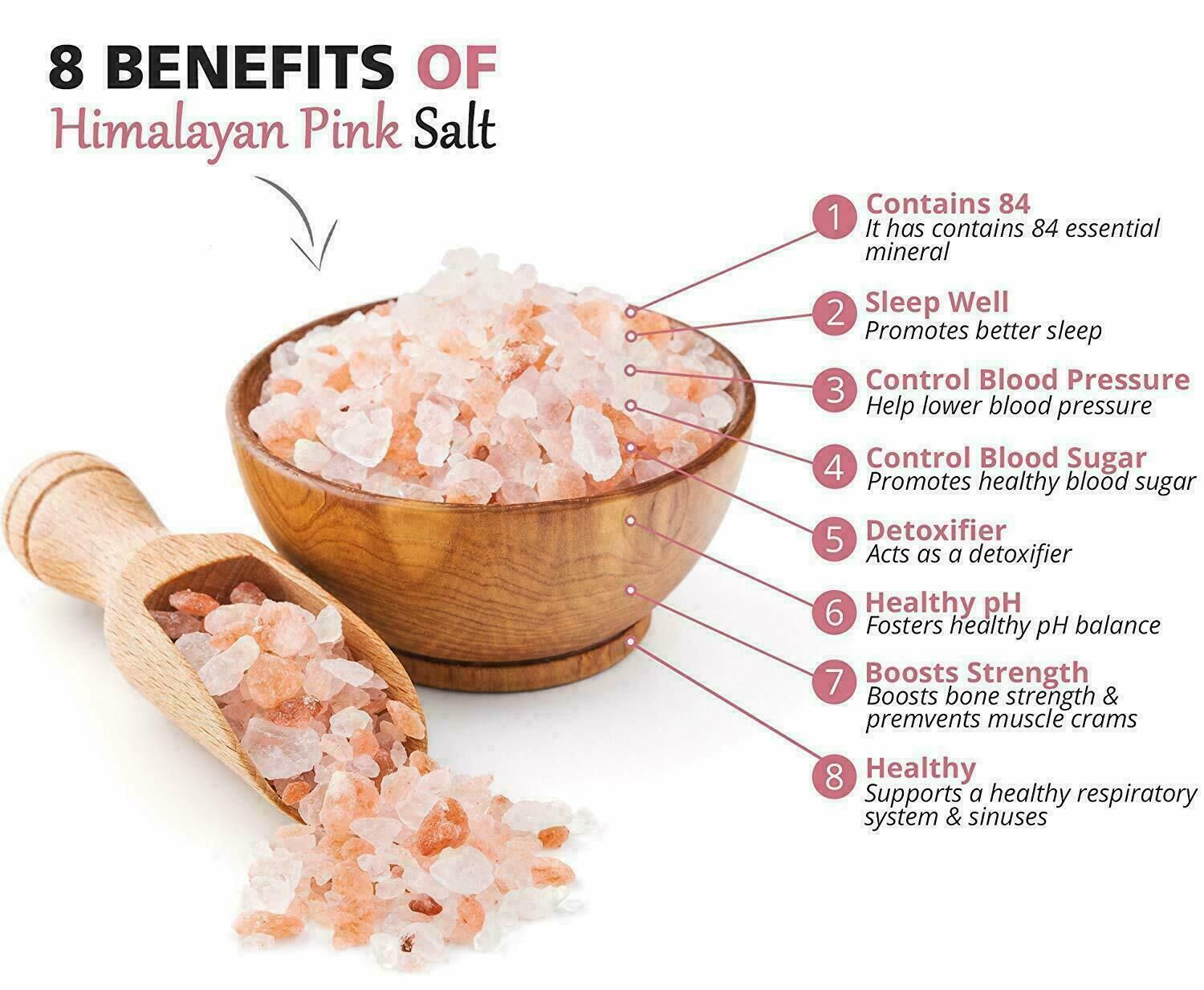
What distinguishes Himalayan pink salt from common table salt is its remarkable composition. While refined table salt is typically 97-99% sodium chloride, chemically bleached, and often fortified with iodine and anti-caking agents, Himalayan salt is a complete mineral matrix. It boasts approximately 84 trace minerals and elements – the very same minerals found in the human body. These include not just the dominant sodium and chloride, but also significant amounts of potassium, magnesium, calcium, iron, zinc, selenium, iodine, copper, and many others in their natural, bioavailable forms.
It’s the synergistic presence of these trace minerals that elevates Himalayan salt beyond a mere seasoning agent to a profound tool for physiological balance. This isn’t about mega-dosing individual minerals; it’s about providing the body with a broad spectrum of what it inherently recognizes and can utilize efficiently. This holistic mineral profile is what makes it uniquely suited to help balance electrolytes.
The Science Behind the Pink Glow: A Deeper Dive into Mineral Synergy
To understand how Himalayan salt acts as "The Pink Pill," we must explore the intricate roles of its key mineral components and their collaborative dance within the body.