
Imagine a world where the very ingredients that tantalize your palate also stand guard over your most vital organ. A world where ancient wisdom, often dismissed as folklore, is slowly but surely validated by the rigorous lens of modern science. For centuries, humans have sought remedies and elixirs in the bountiful lap of nature, from humble herbs to exotic spices, each holding a whisper of potential. Among these, a vibrant green root, celebrated for its searing, ephemeral kick, has begun to capture the attention of researchers: wasabi.
Beyond its role as the fiery companion to sushi and sashimi, a silent guardian against foodborne pathogens, wasabi (specifically Wasabia japonica) might be orchestrating a far more profound biological symphony within our bodies. The question that pulses at the heart of this exploration is not just whether this pungent paste clears your sinuses, but whether its unique chemistry could, in fact, be a potent ally in the ongoing battle for cardiovascular health, specifically by improving circulation.
This is a story that traverses misty Japanese mountains, dives into the intricate molecular pathways of the human body, and ultimately asks us to reconsider the simple condiments on our plates. It’s a journey from the traditional itamae’s board to the sterile confines of the laboratory, all in pursuit of understanding the delicate dance between spice, circulation, and the unwavering rhythm of a healthy heart.
The Enigma of the Green Root: More Than Just a Condiment
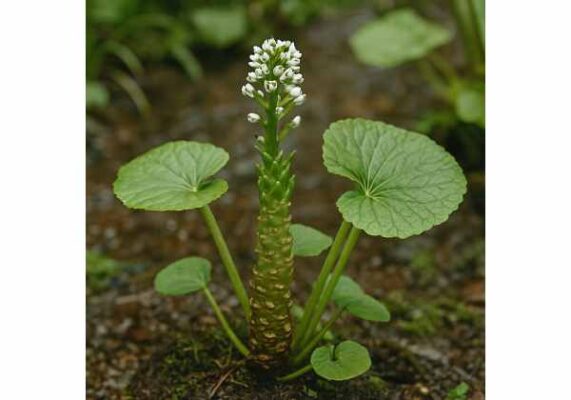
To truly appreciate the potential of wasabi in cardiovascular health, we must first understand the enigma itself. The word "wasabi" often conjures images of a bright green dollop next to a piece of nigiri, but for many outside Japan, this is an imposter. True hon-wasabi (real wasabi) is a rare and expensive commodity, notoriously difficult to cultivate. It thrives in the cool, clear, flowing mountain streams of Japan, demanding precise conditions that make large-scale farming a challenge. Its cultivation is an art form, passed down through generations, yielding a rhizome that is grated fresh, releasing its volatile compounds only upon disruption of its cells.
The vast majority of "wasabi" consumed globally, particularly in Western restaurants, is a clever concoction of horseradish, mustard, and green food coloring. While it delivers a similar nasal-clearing heat, it lacks the nuanced flavor profile and, critically, the complex array of bioactive compounds found in its genuine counterpart. This distinction is paramount, for it is within the unique chemical signature of Wasabia japonica that its medicinal promise lies.
Unlike the capsaicin in chili peppers, which triggers heat receptors and causes a lingering burn, wasabi’s pungency is delivered by a class of compounds called isothiocyanates (ITCs). These are sulfur-containing organic compounds, derived from glucosinolates, which are released when the plant tissue is crushed or grated. The primary ITC responsible for wasabi’s characteristic kick is allyl isothiocyanate (AITC), but other ITCs, such as 6-methylsulfinylhexyl isothiocyanate (6-MSITC, also known as 6-MITC or sulforaphane-like compound), also play crucial roles, often with a more sustained, complex physiological impact.
The sensory experience of real wasabi is fleeting, a sharp, volatile burst that dissipates quickly, leaving a clean palate. This ephemeral nature is due to the rapid breakdown and evaporation of AITC. However, it is the less volatile, more stable ITCs, particularly 6-MSITC, that are increasingly believed to be the true architects of wasabi’s potential health benefits, including those related to circulation.
The Symphony of Circulation: Why It Matters
Before we delve deeper into wasabi’s potential, let’s briefly revisit the critical importance of circulation. The cardiovascular system is a marvel of biological engineering, a vast network of arteries, veins, and capillaries spanning over 60,000 miles, all powered by the indefatigable pump that is the heart. Its primary function is to deliver oxygen and nutrients to every cell in the body while simultaneously removing waste products.
Good circulation is the bedrock of health. When blood flows freely, tissues are nourished, organs function optimally, and the body’s natural defense and repair mechanisms operate efficiently. Conversely, impaired circulation – often a precursor to or symptom of cardiovascular disease (CVD) – can lead to a cascade of problems: high blood pressure, atherosclerosis (hardening and narrowing of arteries), blood clots, stroke, heart attack, and even peripheral artery disease.
Key to healthy circulation is the endothelium, the delicate inner lining of blood vessels. This single layer of cells is far more than a passive barrier; it’s a dynamic organ that regulates vascular tone (constriction and relaxation of vessels), platelet aggregation (blood clotting), and inflammation. A healthy endothelium produces nitric oxide (NO), a crucial signaling molecule that causes blood vessels to relax and widen (vasodilation), thereby improving blood flow and reducing blood pressure. Endothelial dysfunction, characterized by reduced NO availability and increased inflammation, is an early and critical step in the development of atherosclerosis and other cardiovascular ailments.
Thus, any substance that can promote endothelial health, reduce inflammation, prevent excessive blood clotting, or directly induce vasodilation holds immense promise for improving circulation and, by extension, safeguarding heart health. This is where the story of wasabi truly begins to unfold.
Wasabi’s Bioactive Arsenal: Unveiling the Mechanisms
The scientific journey into wasabi’s health benefits began with its traditional uses: as an antimicrobial agent with sushi (a surprisingly effective one, given its volatile ITCs can inhibit bacterial growth), and as a digestive aid. But modern research has uncovered a much broader spectrum of activity, driven primarily by its unique isothiocyanates.
1. The Nrf2 Pathway: Wasabi as an Antioxidant and Anti-inflammatory Maestro
Perhaps one of the most exciting discoveries regarding ITCs, including those from wasabi, is their ability to activate the Nrf2 (Nuclear factor erythroid 2-related factor 2) pathway. Nrf2 is often dubbed the "master regulator" of antioxidant and detoxification responses in the body. When activated, Nrf2 translocates to the cell nucleus and binds to specific DNA sequences, switching on the expression of a vast array of protective genes. These genes produce enzymes like glutathione S-transferases, heme oxygenase-1, and NAD(P)H quinone oxidoreductase 1, which are crucial for neutralizing harmful free radicals, reducing oxidative stress, and dampening inflammation.
Oxidative stress and chronic inflammation are two major drivers of endothelial dysfunction and atherosclerosis. By upregulating the body’s intrinsic antioxidant and anti-inflammatory defenses via Nrf2 activation, wasabi ITCs could theoretically protect the delicate endothelial lining from damage, preserve nitric oxide availability, and prevent the formation of atherosclerotic plaques. This is not a direct "scrubbing" of arteries, but rather a sophisticated cellular defense mechanism that maintains the integrity and function of blood vessels over time.
2. Nitric Oxide (NO) Production: The Vasodilator Effect
As mentioned, nitric oxide is a critical vasodilator, meaning it helps relax and widen blood vessels, improving blood flow and reducing blood pressure. Endothelial dysfunction often involves a reduction in NO bioavailability. Emerging research suggests that certain ITCs, including those found in wasabi, might directly or indirectly enhance NO production or protect its availability.
Some studies indicate that ITCs can modulate the activity of endothelial nitric oxide synthase (eNOS), the enzyme responsible for producing NO in blood vessels. By supporting eNOS function and reducing oxidative stress (which degrades NO), wasabi ITCs could contribute to better vascular tone, smoother blood flow, and potentially lower blood pressure – all direct boons for circulation.
3. Anti-Platelet Aggregation: Guarding Against Clots
Another crucial aspect of circulation and cardiovascular health is the prevention of excessive blood clotting. Platelets are tiny blood cells that form clots to stop bleeding, a vital process. However, overactive platelets can lead to dangerous clots within blood vessels, causing heart attacks or strokes.
Research has demonstrated that wasabi ITCs, particularly 6-MSITC, possess anti-platelet aggregation properties. In laboratory settings, these compounds have been shown to inhibit the clumping of platelets, suggesting a potential role in preventing the formation of pathological blood clots. This effect is thought to be mediated through interference with various signaling pathways involved in platelet activation. While not as potent as pharmaceutical blood thinners, this natural anti-aggregating effect could contribute to a reduced risk of thrombotic events over time, especially when integrated into a heart-healthy lifestyle.
4. Anti-Inflammatory Action Beyond Nrf2: A Broader Spectrum
While Nrf2 activation is a key anti-inflammatory mechanism, wasabi ITCs may exert broader anti-inflammatory effects. They have been shown to inhibit pro-inflammatory mediators and cytokines, which are key players in the chronic low-grade inflammation that underpins many cardiovascular diseases. By dampening this inflammatory cascade, wasabi could help protect blood vessel walls from damage and reduce the "stickiness" that allows cholesterol and other substances to accumulate and form plaques.
The Journey from Anecdote to Evidence: What the Studies Say
The journey of wasabi from a cultural curiosity to a scientific subject is still relatively nascent, particularly concerning human studies. However, a growing body of in vitro (cell culture) and in vivo (animal model) research provides compelling preliminary evidence for its cardiovascular potential.
Early studies often focused on the antimicrobial properties of AITC, confirming its ability to inhibit bacteria like E. coli and Staphylococcus aureus. This validated its traditional use with raw fish.
The real shift came with the isolation and study of 6-MSITC. Researchers began to observe its more stable nature and distinct biological activities. For instance:
- Blood Pressure Regulation: Animal studies have shown that 6-MSITC can induce vasodilation and lower blood pressure in hypertensive models. While human trials are limited, these findings suggest a potential therapeutic role in managing hypertension, a major risk factor for CVD. The mechanism is often linked to enhanced nitric oxide signaling and reduced oxidative stress in the vascular endothelium.
- Anti-Thrombotic Effects: Several in vitro studies have consistently demonstrated the anti-platelet aggregation effects of 6-MSITC. One study, for example, showed that 6-MSITC significantly inhibited platelet aggregation induced by various activators, suggesting it could reduce the risk of clot formation without the severe bleeding risks associated with stronger anticoagulants.
- Antioxidant and Anti-inflammatory Protection: Numerous cell culture studies have confirmed the ability of wasabi extracts and isolated ITCs to activate the Nrf2 pathway, upregulate antioxidant enzymes, and reduce markers of inflammation. This protective effect extends to endothelial cells, suggesting a direct benefit for vascular health.
- Cholesterol Management (Indirect): While not directly lowering LDL cholesterol, the anti-inflammatory and antioxidant properties of wasabi ITCs could indirectly contribute to healthier lipid profiles by reducing the oxidation of LDL cholesterol, a key step in plaque formation. Oxidized LDL is far more atherogenic than non-oxidized LDL.
It is crucial to acknowledge the limitations of current research. Most studies involve isolated compounds, often at concentrations higher than what one might achieve through typical dietary consumption of fresh wasabi. Human clinical trials, especially large-scale, long-term interventions, are scarce. The complexity of the human diet and individual variations in metabolism also make it challenging to directly translate laboratory findings into precise dietary recommendations.
Nonetheless, the consistent pattern of beneficial effects observed across different study types provides a strong scientific rationale for further investigation into wasabi’s role in promoting circulatory health. It paints a picture of a compound that works through multiple, synergistic pathways to protect the cardiovascular system.
Wasabi in a Holistic Context: More Than a Magic Bullet
The narrative of health is rarely about a single miracle cure; it’s a tapestry woven from multiple threads of lifestyle choices. Wasabi, despite its intriguing potential, is no exception. It should be viewed as a valuable addition to a broader, holistic strategy for heart health, not a standalone solution.
Integrating Real Wasabi into Your Diet
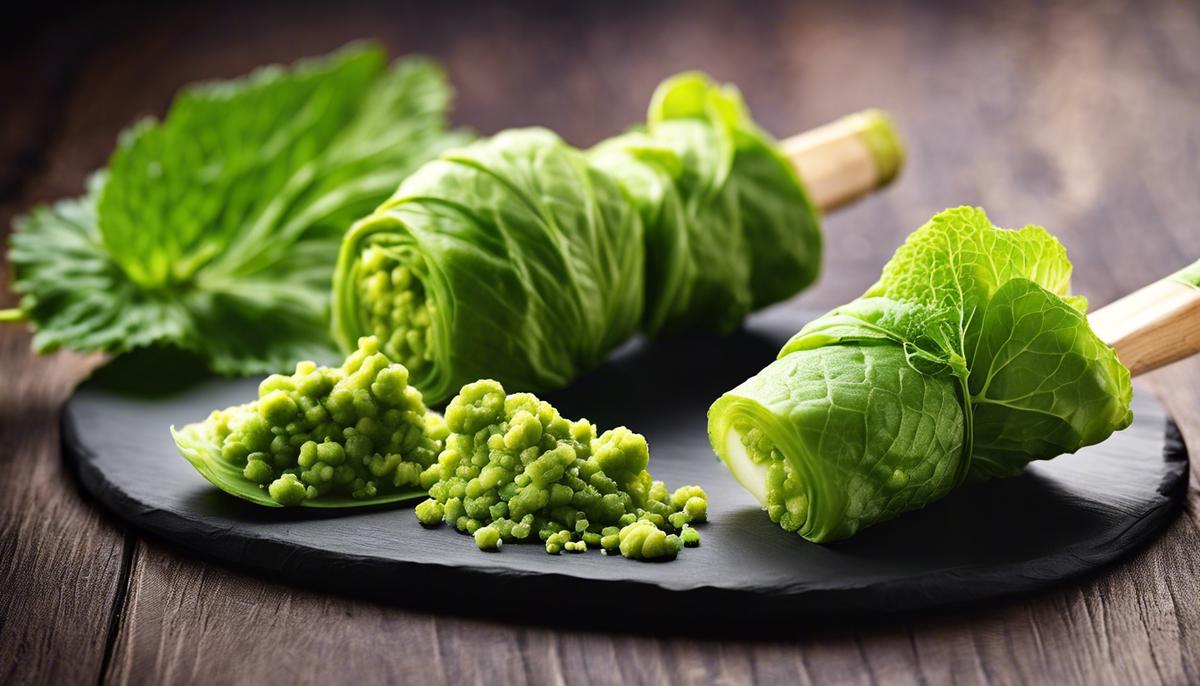
For those seeking to harness the potential benefits of wasabi, the first and most critical step is to seek out real Wasabia japonica. This means venturing beyond the bright green paste in tubes. Fresh wasabi rhizomes can sometimes be found in specialty Asian markets or online. When grated fresh, its subtle heat and complex flavor are unparalleled, and its bioactive compounds are at their peak.
Incorporating it could look like:
- Traditional Pairings: Continuing to enjoy it with sushi and sashimi, understanding its protective qualities alongside its flavor.
- Dressings and Marinades: Infusing grated wasabi into vinaigrettes, marinades for fish or chicken, or even a spicy mayonnaise.
- Vegetable Dishes: Adding a touch to stir-fries, mashed potatoes, or roasted vegetables for a unique kick and health boost.
- Soups and Sauces: Stirring a small amount into clear broths or creamy sauces towards the end of cooking to preserve its volatile compounds.
The challenge, of course, is the cost and availability. For most, regular consumption of fresh, high-quality wasabi might not be feasible. This underscores the need for continued research into extracts or supplements that can deliver the key ITCs in a stable and bioavailable form.
Beyond Wasabi: The Spice Rack as a Pharmacy
Wasabi’s story also serves as a powerful reminder that our spice racks are, in many ways, nature’s subtle pharmacies. Many other spices and herbs have well-documented benefits for circulation and heart health, often through similar or complementary mechanisms:
- Turmeric (Curcumin): A potent anti-inflammatory and antioxidant, curcumin has been extensively studied for its ability to improve endothelial function, reduce blood pressure, and inhibit platelet aggregation.
- Ginger (Gingerols): Known for its anti-inflammatory and anti-nausea properties, ginger also shows promise in lowering blood pressure, reducing cholesterol, and inhibiting blood clot formation.
- Garlic (Allicin): A superstar for cardiovascular health, garlic is renowned for its ability to lower blood pressure, reduce cholesterol, improve arterial elasticity, and act as a natural anti-coagulant.
- Cayenne Pepper (Capsaicin): While different from wasabi’s ITCs, capsaicin can also improve circulation by promoting vasodilation and has anti-inflammatory effects.
- Cinnamon: Studies suggest cinnamon can help regulate blood sugar, reduce cholesterol, and exert anti-inflammatory effects, all indirectly benefiting heart health.
The message is clear: a diverse diet rich in whole foods, fresh produce, and a variety of spices offers a synergistic approach to cardiovascular wellness. Wasabi can be a valuable player in this orchestral performance, but it is not the sole musician.
The Pillars of Heart Health
Ultimately, the most profound improvements in circulation and heart health come from embracing foundational lifestyle changes:
- A Balanced Diet: Emphasizing fruits, vegetables, whole grains, lean proteins, and healthy fats (like those found in olive oil, avocados, and nuts). The Mediterranean diet is a prime example.
- Regular Physical Activity: Exercise strengthens the heart, improves blood vessel elasticity, helps manage weight, and reduces stress.
- Stress Management: Chronic stress elevates blood pressure and inflammation. Practices like meditation, yoga, or spending time in nature are crucial.
- Adequate Sleep: Poor sleep impacts blood pressure, inflammation, and hormone regulation, all affecting heart health.
- Avoiding Smoking and Excessive Alcohol: These are direct aggressors to the cardiovascular system.
Within this comprehensive framework, wasabi, with its scientifically intriguing properties, offers a delicious and potent micro-intervention, a flavorful addition to the arsenal against cardiovascular disease.
Challenges, Limitations, and the Road Ahead
Despite the compelling scientific whispers, the journey for wasabi from intriguing compound to widely recognized cardiovascular aid is still long. Several challenges and limitations stand in the way:
- Bioavailability: How much of the beneficial ITCs are actually absorbed and reach their target tissues in effective concentrations after consumption? Wasabi ITCs are volatile and can degrade quickly.
- Dosage and Standardization: What is the optimal dose of wasabi ITCs for cardiovascular benefits? Given the variability in fresh wasabi’s potency, standardization is a major issue. For supplements, ensuring consistent and bioavailable active compounds is critical.
- Long-Term Human Trials: The gold standard for validating health claims is large-scale, placebo-controlled human clinical trials conducted over extended periods. These are expensive and complex to conduct, especially for dietary compounds.
- Cost and Accessibility: As noted, true wasabi is expensive and hard to find, limiting its widespread dietary application for health purposes.
- Potential Interactions: While generally safe, concentrated extracts of ITCs could theoretically interact with certain medications, particularly blood thinners, although this remains largely speculative and requires investigation.
The road ahead involves continued rigorous scientific inquiry. Researchers will focus on developing stable and bioavailable forms of wasabi ITCs, conducting more targeted animal studies, and, crucially, initiating well-designed human clinical trials to definitively establish efficacy, optimal dosage, and long-term safety. The goal is to move beyond promising correlations to causal relationships and actionable recommendations.
The Green Fire’s Enduring Promise
The story of wasabi and its potential role in enhancing circulation is a compelling narrative of nature’s ingenuity and science’s relentless pursuit of understanding. It’s a tale that begins in the pristine streams of Japan and extends into the complex biochemical pathways within our bodies, hinting at a future where our food truly is our medicine.
While the scientific verdict is still being written, the current body of evidence paints a picture of Wasabia japonica as a sophisticated player in the realm of cardiovascular health. Its unique blend of isothiocyanates, particularly 6-MSITC, appears to orchestrate a symphony of protective actions: boosting the body’s natural antioxidant and anti-inflammatory defenses, enhancing crucial nitric oxide production for better blood flow, and gently discouraging excessive blood clotting.
For the knowledgeable consumer, this means approaching wasabi not as a panacea, but as a potent and intriguing addition to a holistic, heart-healthy lifestyle. It encourages a deeper appreciation for the foods we consume, urging us to explore the hidden science within nature’s bounty.
So, the next time you encounter that vibrant green paste, take a moment. Beyond the fleeting, fiery kick, ponder the silent, molecular dance happening within. Could this humble root, this "green fire," truly be an unsung hero, helping to keep the river of life flowing smoothly and strongly within you? The answer, increasingly, points to a tantalizing and hopeful "yes," urging us to continue listening to the whispers of nature and the revelations of science, hand in hand, on the journey to enduring health.