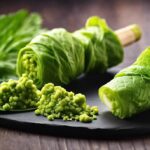

In the realm of culinary delights and ancient remedies, few ingredients hold the mystique and immediate sensory impact of wasabi. More than just a pungent condiment served alongside sushi, the vibrant green paste derived from the Wasabia japonica plant has long been revered in traditional Japanese medicine for a spectrum of health benefits. Yet, beyond its well-established antimicrobial and anti-inflammatory properties, a new chapter in wasabi’s story is beginning to unfold—one that delves deep into the intricate machinery of human metabolism, hinting at a surprising connection to weight management.
For the knowledgeable audience, accustomed to discerning scientific nuance from marketing hype, this article aims to explore the burgeoning research surrounding wasabi and its potential role in weight loss. We will embark on a journey from the plant’s arduous cultivation to the molecular interactions of its potent compounds, navigating the scientific landscape that connects this emerald enigma to our metabolic health. This isn’t a tale of a magic bullet, but rather an exploration of a fascinating adjunct, a subtle ally in the complex, multifaceted narrative of weight management.
The Enigmatic Root: Wasabi’s Identity and History
Before delving into its metabolic secrets, it’s crucial to understand what authentic wasabi truly is. The term "wasabi" often conjures images of a bright green paste, ubiquitous in Japanese restaurants globally. However, for most of the world, this is a culinary impostor. True wasabi, derived from the rhizome (underground stem) of Wasabia japonica, is a rare, expensive, and notoriously difficult plant to cultivate. It thrives in specific, pristine environments—cool, shaded, and perpetually irrigated by clear, flowing spring water, often in mountain stream beds. This demanding cultivation process, taking two to three years for a single rhizome to mature, contributes significantly to its scarcity and high cost.
Historically, wasabi has been a cornerstone of Japanese cuisine for over a thousand years. Its primary role, particularly with raw fish, extends beyond flavor; its potent antimicrobial properties were recognized early on as a crucial defense against foodborne pathogens. Samurai warriors reportedly consumed it for its purported stamina-boosting effects, and it featured prominently in folk medicine for various ailments, from digestive issues to pain relief. The fleeting, vibrant heat and complex aroma, often described as sweet, grassy, and mustardy with a distinct pungency that clears the sinuses, are testament to its unique chemical profile.
The vast majority of "wasabi" served outside of Japan, and even in many Japanese establishments, is a blend of horseradish, mustard, and green food coloring. While these imitators share a similar family (Brassicaceae) and some pungent compounds, they lack the delicate flavor complexity and, crucially, the unique suite of bioactive compounds that define true Wasabia japonica. This distinction is paramount when discussing health benefits, as the metabolic story we are about to unravel is inextricably linked to the specific chemical fingerprint of authentic wasabi.
The Chemical Arsenal: Unpacking Wasabi’s Bioactive Compounds
The metabolic narrative of wasabi begins at the molecular level, with its remarkable array of bioactive compounds. The characteristic pungency and most of its therapeutic properties are attributed to a class of compounds known as isothiocyanates (ITCs). These powerful plant defense chemicals are not present in the plant in their active form but are rather produced when the plant cells are damaged—for instance, when the rhizome is grated.
This enzymatic transformation is a fascinating biochemical dance. Wasabi contains precursors called glucosinolates (specifically sinigrin, gluconasturtiin, and glucoraphanin) and an enzyme called myrosinase. When the cell walls are broken, myrosinase comes into contact with glucosinolates, hydrolyzing them into various ITCs. The dominant and most studied ITC in wasabi is 6-Methylsulfinylhexyl Isothiocyanate (6-MSITC), also known as 6-HITC or Wasabi sulfinyl. This compound is unique to Wasabia japonica and is largely responsible for its distinct flavor profile and many of its health-promoting effects. Other ITCs, such as allyl isothiocyanate (AITC, also found in mustard and horseradish), contribute to the overall effect but are less specific to wasabi.
Beyond ITCs, wasabi also contains other beneficial compounds, including:
- Polyphenols and Flavonoids: These are potent antioxidants, common in many plant foods, contributing to wasabi’s overall protective effects against oxidative stress.
- Vitamins and Minerals: Including Vitamin C, B vitamins, potassium, and calcium, albeit in smaller concentrations relative to its culinary usage.
The significance of 6-MSITC cannot be overstated. Unlike the more common AITC, 6-MSITC exhibits a slower release of pungency and a more sustained presence in the body, suggesting potentially different and longer-lasting biological effects. It is this unique chemical fingerprint, centered around 6-MSITC, that researchers are increasingly investigating for its potential impact on metabolic health and, consequently, weight management.
Beyond the Burn: Wasabi’s Established Health Benefits
Before diving into the emerging metabolic connections, it’s worth briefly acknowledging wasabi’s already recognized health benefits, which provide a foundation for its broader therapeutic potential:
- Antimicrobial Properties: Historically and scientifically validated, wasabi’s ITCs, particularly AITC and 6-MSITC, are effective against various bacteria (including E. coli and Staphylococcus aureus) and some fungi. This is why it pairs so well with raw fish.
- Anti-inflammatory Effects: Numerous studies have shown that ITCs can modulate inflammatory pathways, reducing the production of pro-inflammatory cytokines. This has implications for a wide range of chronic diseases.
- Antioxidant Power: Wasabi’s compounds help neutralize free radicals, protecting cells from oxidative damage, a key contributor to aging and disease.
- Anticancer Potential: While still largely in preclinical stages, ITCs have shown promise in inhibiting the growth of various cancer cells and inducing apoptosis (programmed cell death).
- Neuroprotective Effects: Emerging research suggests that 6-MSITC may help protect brain cells and improve cognitive function, potentially reducing the risk of neurodegenerative diseases.
These established benefits underscore wasabi’s status as a functional food, a plant whose components offer health advantages beyond basic nutrition. It is against this backdrop of general wellness promotion that its specific metabolic contributions are now being explored.
The Metabolic Frontier: Exploring Wasabi’s Weight Loss Potential
The journey from a pungent root to a potential weight loss ally is paved with complex metabolic pathways. Researchers are investigating several mechanisms through which wasabi, particularly its unique 6-MSITC, might influence body weight and composition. It’s a nuanced story, largely extrapolated from in vitro (cell culture) and in vivo (animal) studies, but one that paints an intriguing picture for a knowledgeable audience.
1. Thermogenesis and Energy Expenditure: A Subtle Spark
Thermogenesis, the process of heat production in organisms, is a fundamental aspect of metabolism. When we generate heat, we expend energy (calories). Certain compounds, like capsaicin in chili peppers, are well-known thermogenic agents. While wasabi’s pungency is distinct from capsaicin’s heat, its ITCs do interact with sensory receptors (TRPA1 channels) that can trigger a mild, transient thermogenic response.
The hypothesis is that chronic, low-level activation of these pathways, perhaps through regular consumption of wasabi, could subtly increase basal metabolic rate and energy expenditure. While the direct caloric burn from a single serving of wasabi is negligible, the cumulative effect over time, coupled with other metabolic shifts, could contribute to a negative energy balance—a prerequisite for weight loss. This mechanism is likely modest but could be part of a larger synergistic effect.
2. Fat Metabolism: The Dance of Lipolysis and Oxidation
Perhaps one of the most exciting areas of research lies in wasabi’s potential impact on fat metabolism. Adipose tissue (fat) is not merely a storage depot; it’s a dynamic endocrine organ involved in energy balance. Wasabi’s ITCs, particularly 6-MSITC, are being investigated for their ability to influence:
- Lipolysis: The breakdown of stored triglycerides into free fatty acids and glycerol. Some studies suggest ITCs can promote lipolysis in adipocytes, making stored fat more accessible for energy.
- Fatty Acid Oxidation: The process by which cells burn fatty acids for energy. By enhancing mitochondrial function and the expression of genes involved in fatty acid oxidation, wasabi compounds might encourage the body to preferentially burn fat rather than store it.
- Adipogenesis Inhibition: Conversely, ITCs may also inhibit adipogenesis, the process by which pre-adipocytes differentiate into mature fat cells. By slowing down the formation of new fat cells, wasabi could theoretically help prevent fat accumulation.
- Browning of White Adipose Tissue (WAT) and Activation of Brown Adipose Tissue (BAT): This is a particularly hot area in obesity research. White fat stores energy, while brown fat burns it to generate heat (non-shivering thermogenesis). Certain compounds can "brown" white fat cells, giving them brown fat-like characteristics, or activate existing brown fat. Preclinical studies suggest that ITCs, including those from wasabi, might induce WAT browning and enhance BAT activity, leading to increased energy expenditure and improved metabolic health. This mechanism represents a significant potential pathway for wasabi’s role in weight management.
3. Glucose Homeostasis and Insulin Sensitivity: Balancing Blood Sugar
Obesity and weight gain are often intertwined with dysregulated glucose metabolism, characterized by insulin resistance and elevated blood sugar levels, leading to Type 2 Diabetes and metabolic syndrome. Wasabi’s potential to improve glucose homeostasis offers another compelling link to weight management.
Research indicates that ITCs may:
- Enhance Insulin Sensitivity: By improving the responsiveness of cells to insulin, wasabi compounds could help the body more efficiently shuttle glucose from the bloodstream into cells for energy, thereby preventing glucose spikes and reducing the burden on the pancreas.
- Reduce Hepatic Glucose Production: The liver plays a critical role in glucose regulation. ITCs might help suppress excessive glucose production by the liver, contributing to more stable blood sugar levels.
- Improve Glucose Uptake: Some studies suggest ITCs can facilitate glucose uptake by muscle cells, an important mechanism for clearing blood glucose.
By fostering better glucose control and insulin sensitivity, wasabi could indirectly support weight loss by reducing fat storage (as excess glucose is often converted to fat) and mitigating the inflammatory cascade associated with insulin resistance.
4. Gut Microbiome Modulation: The Inner Ecosystem
The human gut microbiome—the trillions of microorganisms residing in our digestive tract—is now recognized as a major player in metabolic health and body weight. The composition and function of these microbes influence everything from nutrient absorption and energy extraction from food to inflammation and satiety signals.
While direct studies on wasabi’s impact on the human gut microbiome are limited, the antimicrobial properties of ITCs suggest a potential role in modulating gut flora. By selectively inhibiting certain harmful bacteria or promoting beneficial ones, wasabi could theoretically:
- Improve Gut Barrier Function: A healthy gut barrier prevents the leakage of toxins (endotoxins) into the bloodstream, which can trigger systemic inflammation and insulin resistance.
- Influence Short-Chain Fatty Acid (SCFA) Production: Beneficial gut bacteria produce SCFAs (like butyrate), which have profound effects on metabolism, appetite regulation, and immune function.
- Reduce Low-Grade Inflammation: A balanced gut microbiome is crucial for keeping systemic inflammation in check, which, as discussed earlier, is a key driver of obesity and metabolic dysfunction.
This connection is largely indirect and speculative but aligns with the growing understanding of the gut-brain-metabolism axis.
5. Appetite Regulation and Satiety: The Sensory Experience
The immediate sensory impact of wasabi, its distinctive pungency that clears the sinuses and offers a fleeting burn, might also play a subtle role in appetite regulation. While not a direct appetite suppressant in the conventional sense, the intense flavor experience could:
- Slow Down Eating: The unique sensory profile encourages more mindful eating, prompting individuals to savor smaller bites and potentially feel satisfied with less.
- Enhance Sensory Satisfaction: A more intense and complex flavor experience can lead to greater satisfaction from meals, potentially reducing the desire for excessive portions or subsequent snacking.
- Indirect Hormonal Influence (Speculative): While not directly studied, the activation of certain oral receptors by ITCs could, in theory, trigger neural or hormonal signals that contribute to satiety. This remains an area for future exploration.
6. Anti-Inflammatory Effects and Metabolic Health: Quelling the Silent Fire
Chronic, low-grade inflammation is now recognized as a fundamental driver of obesity, insulin resistance, and various metabolic diseases. Adipose tissue, particularly visceral fat, actively secretes pro-inflammatory cytokines, creating a vicious cycle where inflammation promotes fat accumulation, and fat accumulation exacerbates inflammation.
Wasabi’s well-established anti-inflammatory properties, mediated by its ITCs, offer an indirect but significant pathway to supporting metabolic health and weight management. By dampening systemic inflammation, wasabi could:
- Improve Insulin Signaling: Inflammation directly interferes with insulin receptor function. Reducing inflammation can restore insulin sensitivity.
- Mitigate Adipose Tissue Dysfunction: Less inflammation in fat tissue could lead to healthier adipocytes and reduced secretion of harmful inflammatory mediators.
- Support Overall Metabolic Homeostasis: A body less burdened by chronic inflammation is better equipped to manage its energy balance, utilize nutrients efficiently, and maintain a healthy weight.
This anti-inflammatory action acts as a foundational support, creating a more favorable internal environment for weight loss and metabolic resilience.
The Scientific Journey So Far: Evidence and Caveats
It is imperative to frame the discussion of wasabi and weight loss within the context of current scientific evidence. For a knowledgeable audience, critical evaluation is key.
1. Predominance of Pre-Clinical Studies: The vast majority of research linking wasabi’s ITCs to metabolic benefits and weight loss mechanisms comes from in vitro studies (cell cultures) and in vivo animal models (mice, rats). These studies are crucial for identifying potential mechanisms and guiding further research, but they do not directly translate to human outcomes. The complex physiology of humans, with their diverse genetic backgrounds, dietary habits, and lifestyles, often responds differently than isolated cells or animal models.
2. Translational Challenges: The leap from the lab bench to human application is significant. What proves effective in a Petri dish or a rodent may not yield the same results in a human. Factors like dosage, bioavailability, metabolism, and potential interactions with other dietary components or medications are vastly different.
3. Dosage and Bioavailability: A critical question is whether the amount of 6-MSITC and other beneficial compounds consumed in typical culinary portions of wasabi is sufficient to elicit the observed metabolic effects. The concentration of ITCs can vary significantly depending on the wasabi cultivar, growing conditions, processing methods, and how long it has been grated (as ITCs are volatile and degrade over time). Furthermore, the bioavailability of ITCs—how well they are absorbed and utilized by the human body—is still an area of active research.
4. Confounding Factors: In human studies, isolating the effect of a single food like wasabi from the myriad other dietary and lifestyle factors that influence weight is incredibly challenging. A holistic approach to weight management always involves diet, exercise, sleep, and stress management. Wasabi, if effective, would likely act as a synergistic component rather than a standalone solution.
5. The Need for Human Clinical Trials: The most significant caveat is the current lack of robust, randomized controlled human clinical trials specifically investigating the effect of authentic wasabi or its extracts on weight loss, body composition, and metabolic markers in humans. Such trials are essential to confirm the findings from preclinical studies, establish effective dosages, assess safety, and understand long-term effects.
Integrating Wasabi into a Weight Management Strategy
Given the current state of research, it’s premature to declare wasabi a definitive weight loss aid. However, its intriguing potential, coupled with its established health benefits, makes it a compelling functional food to consider as part of a broader, evidence-based weight management strategy.
1. Prioritize Authentic Wasabi: For any potential metabolic benefits, it is crucial to seek out genuine Wasabia japonica. This typically means grating a fresh rhizome. If fresh wasabi is inaccessible, look for high-quality, freeze-dried or powdered authentic wasabi, which often retains more of its active compounds than paste forms (which can be diluted or contain additives). Be wary of "wasabi paste" that lists horseradish as the primary ingredient.
2. Culinary Integration Beyond Sushi: Wasabi’s versatility extends beyond its traditional pairing with sushi and sashimi. Its pungent, herbaceous notes can elevate a variety of dishes:
- Dressings and Vinaigrettes: Whisk freshly grated wasabi into salad dressings for a zesty kick.
- Marinades: Incorporate it into marinades for lean proteins like chicken, fish, or tofu.
- Sauces and Dips: Blend it into yogurt- or avocado-based dips.
- Vegetable Enhancer: A small dab can add excitement to steamed or roasted vegetables.
- Soups and Broths: Stir a touch into clear broths for a warming, invigorating flavor.
3. Moderation and Consistency: As with any potent food, moderation is key. Wasabi is powerful, and excessive consumption can lead to digestive discomfort. The strategy would involve consistent, moderate intake as part of a regular dietary pattern, rather than large, infrequent doses.
4. A Holistic Approach: It cannot be stressed enough: wasabi is not a magic bullet. Its potential benefits are best realized when integrated into a comprehensive healthy lifestyle that includes:
- Balanced, Nutrient-Dense Diet: Focus on whole, unprocessed foods, ample fruits and vegetables, lean proteins, and healthy fats.
- Regular Physical Activity: Exercise is fundamental for energy expenditure, muscle building, and metabolic health.
- Adequate Sleep: Poor sleep disrupts hormones that regulate appetite and metabolism.
- Stress Management: Chronic stress can lead to weight gain through hormonal imbalances.
In this context, wasabi can be viewed as a flavorful, health-promoting ingredient that contributes to overall wellness and potentially offers subtle metabolic advantages, complementing primary weight loss efforts.
The Road Ahead: Future Research and Promise
The story of wasabi and its metabolic connection is far from complete. It is a compelling narrative still very much in its early chapters, with significant promise for future discovery. Key areas for further research include:
- Human Clinical Trials: This is the most critical next step. Well-designed, randomized, placebo-controlled trials are needed to confirm the metabolic effects of authentic wasabi or its isolated ITCs on weight loss, body composition, glucose metabolism, and lipid profiles in human subjects.
- Optimal Dosage and Delivery: Determining the effective dose of 6-MSITC required to elicit benefits in humans, and the most efficient way to deliver it (e.g., through food, supplements, or specific preparations), is crucial.
- Long-Term Effects and Safety: Understanding the long-term impact of consistent wasabi consumption on metabolic health and identifying any potential adverse effects or interactions.
- Mechanism Elucidation: Further in-depth studies to precisely map the molecular pathways through which 6-MSITC and other wasabi compounds exert their metabolic effects.
- Genomic and Microbiomic Interactions: Exploring how individual genetic variations and differences in gut microbiome composition might influence responses to wasabi.
The potential for wasabi extracts or standardized supplements, once human efficacy and safety are established, could also open new avenues for its application in metabolic health.
Conclusion: The Emerald Promise
The journey into the metabolic connection of wasabi reveals a fascinating narrative of ancient wisdom meeting modern science. From the pristine streams where it grows to the intricate biochemical reactions it triggers within our bodies, Wasabia japonica is far more than just a pungent culinary accent. Its unique compound, 6-MSITC, is emerging as a bioactive powerhouse with intriguing potential to influence thermogenesis, fat metabolism, glucose homeostasis, gut health, and systemic inflammation—all crucial pillars of weight management.
While the story is still in its nascent stages, largely supported by compelling preclinical evidence, the knowledgeable audience can appreciate the scientific curiosity and promise that wasabi holds. It serves as a powerful reminder that our food, especially functional foods steeped in tradition, often harbors hidden depths of therapeutic potential. Wasabi is not a shortcut to a slender physique, but rather an emerald enigma that could, with further research, become a valued ally in the ongoing quest for optimal metabolic health and sustainable weight management, enriching our diets and our understanding of nature’s profound pharmacy. The call for rigorous human trials echoes, inviting us to witness the next chapters of this captivating metabolic story unfold.