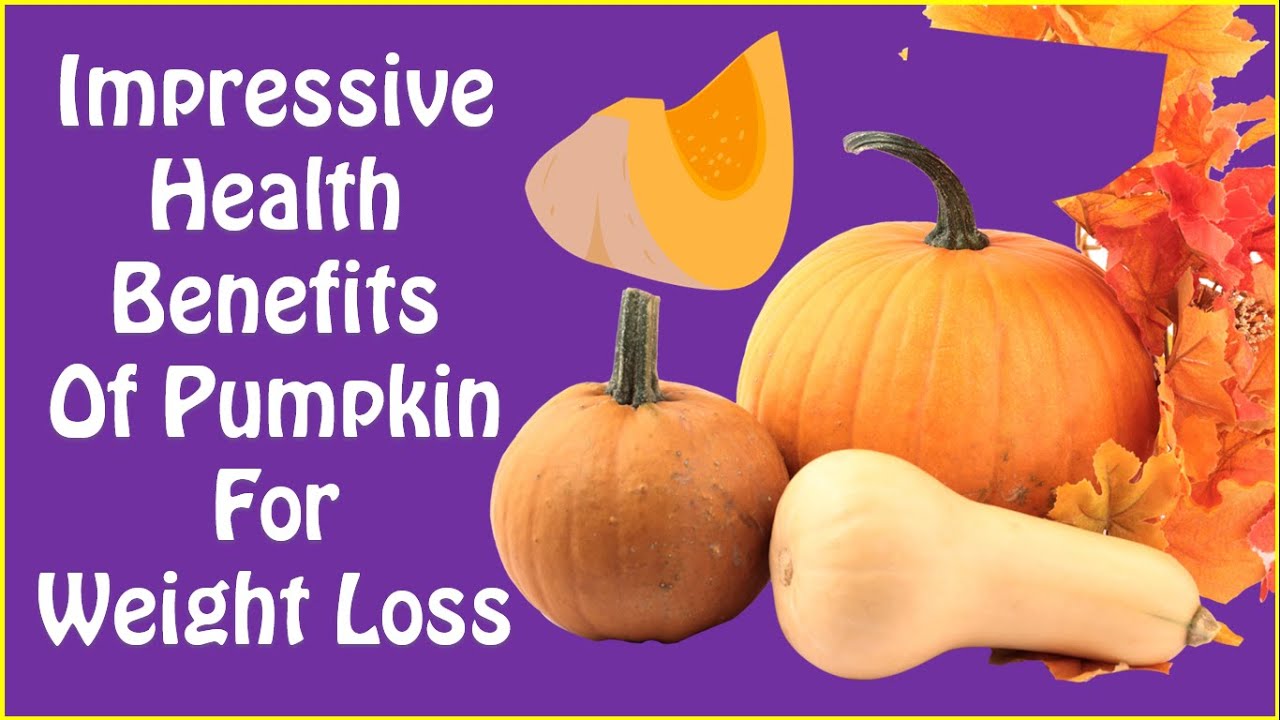

For centuries, the pumpkin has graced our tables, a vibrant symbol of autumn harvests, festive celebrations, and heartwarming comfort. Yet, beyond its iconic presence in pies and jack-o’-lanterns, this humble golden orb harbors a remarkable secret – a potent arsenal of nutrients and compounds that can profoundly aid in the complex journey of weight loss. Far from being a fleeting seasonal trend, pumpkin, in its various forms, stands as a culinary chameleon and a nutritional powerhouse, offering a holistic approach to shedding unwanted pounds and fostering overall well-being.
This isn’t merely about calorie counting or restrictive diets; it’s about understanding how a single, versatile food can integrate into a balanced lifestyle, addressing the multifaceted challenges of weight management. From taming hunger pangs and stabilizing blood sugar to nourishing the gut and boosting metabolic efficiency, pumpkin’s story in the realm of weight loss is one of subtle power, backed by science, and ripe for discovery by the knowledgeable individual seeking sustainable change.
The Nutritional Tapestry: Deconstructing Pumpkin’s Weight-Loss Prowess
To truly appreciate pumpkin’s role, we must first delve into its intricate nutritional profile. It’s a symphony of macronutrients and micronutrients working in concert, each playing a vital part in the grand orchestration of metabolic health and satiety.
1. The Fiber Powerhouse: The Unsung Hero of Satiety and Gut Health
If there’s one single nutrient that catapults pumpkin into the weight-loss spotlight, it is undoubtedly its exceptional fiber content. Pumpkin contains both soluble and insoluble fiber, each contributing uniquely to weight management:
-
Soluble Fiber: This type of fiber dissolves in water, forming a gel-like substance in the digestive tract. This gel slows down digestion, prolonging the feeling of fullness and significantly delaying gastric emptying. Imagine a slow-release fuel source for your body – that’s what soluble fiber provides. This extended satiety means you’re less likely to succumb to cravings or overeat at subsequent meals, a cornerstone of effective weight management. Furthermore, soluble fiber acts as a prebiotic, feeding the beneficial bacteria in your gut microbiome. A healthy gut microbiome is increasingly recognized as a critical player in weight regulation, influencing everything from nutrient absorption to hormone production (like GLP-1, which promotes satiety). A thriving gut can optimize metabolism and reduce inflammation, both indirect but powerful allies in the battle against excess weight.
-
Insoluble Fiber: While it doesn’t dissolve, insoluble fiber adds bulk to stool, promoting regularity and preventing constipation. A healthy, efficient digestive system is crucial for detoxification and nutrient absorption. When your body can effectively eliminate waste and absorb vital nutrients, it functions more optimally, supporting metabolic processes that are essential for weight loss. The physical bulk of insoluble fiber also contributes to feelings of fullness, as it occupies space in the stomach.
The synergistic effect of these two types of fiber makes pumpkin an exceptional food for managing hunger and supporting a healthy digestive system, which in turn creates a more favorable internal environment for weight loss.
2. Low Calorie Density, High Nutrient Density: The Volume-Eating Advantage
Pumpkin is predominantly water (over 90%), making it incredibly low in calories relative to its volume. A cup of cooked pumpkin puree contains a mere 49 calories, yet it delivers a substantial amount of nutrients. This characteristic is a game-changer for weight loss, as it allows for "volume eating." You can consume a significant portion of pumpkin, feel physically full, and still keep your overall calorie intake in check. This strategy is particularly effective for those who struggle with portion control or feel deprived on traditional restrictive diets. By swapping higher-calorie ingredients for pumpkin, you can create satisfying meals that naturally lead to a caloric deficit without feeling hungry.
3. Blood Sugar Regulation: Stabilizing the Rollercoaster
The fiber in pumpkin, particularly soluble fiber, plays a crucial role in moderating blood sugar levels. By slowing down the absorption of glucose into the bloodstream, it prevents rapid spikes and subsequent crashes. These blood sugar fluctuations are notorious for triggering intense cravings, particularly for sugary and refined carbohydrates, leading to a vicious cycle of overeating. Stable blood sugar levels, supported by foods like pumpkin, help to:
- Reduce Cravings: Fewer spikes mean fewer crashes, leading to more consistent energy and fewer urges for quick sugar fixes.
- Improve Insulin Sensitivity: Chronic blood sugar spikes can lead to insulin resistance, a condition where the body’s cells become less responsive to insulin, making it harder to utilize glucose for energy and promoting fat storage. Regular consumption of fiber-rich foods like pumpkin can help improve insulin sensitivity, shifting the body towards burning fat rather than storing it.
- Sustain Energy Levels: Consistent blood sugar provides a steady supply of energy, preventing the mid-afternoon slumps that often lead to reaching for unhealthy snacks.
4. Rich in Micronutrients: Fueling Metabolic Efficiency
While often overshadowed by fiber, pumpkin’s wealth of vitamins and minerals provides essential cofactors for countless metabolic processes that indirectly influence weight.
-
Vitamin A (Beta-Carotene): Pumpkin is an extraordinary source of beta-carotene, a powerful antioxidant that the body converts into Vitamin A. While not directly involved in weight loss, Vitamin A is crucial for immune function, vision, and skin health. A robust immune system and overall vitality mean your body is better equipped to handle the demands of a weight loss journey, reducing inflammation that can sometimes hinder metabolic function. Furthermore, antioxidants combat oxidative stress, which can impair cellular function and contribute to chronic diseases linked to weight gain.
-
Vitamin C: Another potent antioxidant, Vitamin C supports collagen production, immune health, and also plays a role in carnitine synthesis, a molecule essential for transporting fatty acids into mitochondria for energy production. While not a direct fat burner, ensuring adequate Vitamin C intake supports the machinery necessary for fat metabolism.
-
Potassium: An essential electrolyte, potassium is vital for maintaining fluid balance, nerve function, and muscle contractions. Adequate potassium intake can help counteract the effects of sodium, reducing water retention and bloating, which can sometimes be mistaken for weight gain. It also supports healthy blood pressure, contributing to overall cardiovascular health.
-
Magnesium: Often called the "master mineral," magnesium is involved in over 300 biochemical reactions in the body, including energy production, muscle and nerve function, blood glucose control, and blood pressure regulation. Many individuals are deficient in magnesium, and this deficiency can impact metabolic efficiency and even contribute to fatigue and stress, making weight loss more challenging. Pumpkin provides a good source of this crucial mineral.
-
Zinc: Important for immune function, wound healing, and DNA synthesis, zinc also plays a role in thyroid hormone production. The thyroid gland is a primary regulator of metabolism, and a healthy thyroid is fundamental for maintaining a healthy weight.
By providing a comprehensive spectrum of these vital micronutrients, pumpkin ensures that your body’s metabolic engines are running smoothly, creating an optimal internal environment for efficient energy utilization and fat loss.
Beyond the Flesh: The Power of Pumpkin Seeds and Oil
While the vibrant flesh of the pumpkin is the star of the show, its often-discarded seeds and the oil derived from them offer their own unique set of benefits for weight management.
1. Pumpkin Seeds (Pepitas): Protein, Healthy Fats, and Micronutrient Boost
Pumpkin seeds are a nutritional powerhouse in their own right. Unlike the low-calorie flesh, seeds are calorie-dense due to their fat and protein content, so moderation is key. However, their benefits are undeniable:
- Plant-Based Protein: A quarter-cup of pumpkin seeds provides about 7 grams of protein. Protein is paramount for weight loss because it’s highly satiating, helping to reduce overall calorie intake. It also has a higher thermic effect than carbohydrates or fats, meaning your body burns more calories digesting and metabolizing protein. Furthermore, protein helps preserve lean muscle mass during weight loss, which is crucial for maintaining a healthy metabolism.
- Healthy Fats (Omega-6 and Omega-3): While higher in Omega-6, pumpkin seeds also contain some Omega-3 fatty acids. These healthy fats are essential for hormone production, cell function, and nutrient absorption. While calorie-dense, healthy fats contribute to satiety and can help manage cravings for unhealthy fats.
- Fiber: Like the flesh, pumpkin seeds also contribute a significant amount of dietary fiber, further enhancing satiety and digestive health.
- Magnesium, Zinc, Iron: Pumpkin seeds are particularly rich in magnesium and zinc, which, as discussed, are vital for metabolic function. They also provide iron, important for oxygen transport and energy levels.
Incorporating a small, portion-controlled serving of pumpkin seeds can add a satisfying crunch, a protein boost, and a wealth of micronutrients to your diet, supporting satiety and overall health.
2. Pumpkin Seed Oil: A Culinary Elixir of Healthy Fats
Pumpkin seed oil, with its distinctive nutty flavor and dark green hue, is a gourmet ingredient often used as a finishing oil. It’s rich in healthy monounsaturated and polyunsaturated fats, including omega-6 and a small amount of omega-3 fatty acids.
- Healthy Fats for Satiety: Like the seeds, the healthy fats in pumpkin seed oil contribute to satiety, making meals more satisfying and potentially reducing the likelihood of overeating.
- Antioxidants: The oil also contains antioxidants, including Vitamin E, which protects cells from oxidative damage.
- Phytosterols: These plant compounds found in pumpkin seed oil have been shown to help lower LDL (bad) cholesterol levels.
While not a direct weight-loss aid due to its high calorie density, using pumpkin seed oil sparingly in salad dressings, drizzled over soups, or as a finishing oil can enhance flavor and provide beneficial fats, contributing to overall dietary quality and satiety. The key is mindful consumption, recognizing its caloric contribution.
Integrating Pumpkin into Your Weight Loss Strategy: Practical Applications
Understanding the "why" and "how" is only part of the story; the real transformation lies in the "what" and "how to." Integrating pumpkin into your daily diet is surprisingly easy and endlessly versatile.
1. Choosing Your Pumpkin: Fresh vs. Canned
- Fresh Pumpkin: For those who enjoy cooking from scratch, fresh pumpkin offers the purest form of its nutrients. Look for pumpkins specifically labeled as "sugar pumpkins" or "pie pumpkins," as these have a sweeter, denser flesh suitable for cooking, unlike the stringier carving pumpkins. Roasting or steaming fresh pumpkin enhances its natural sweetness and makes it easy to puree.
- Canned Pumpkin Puree: This is a convenient and equally nutritious option, provided you choose 100% pure pumpkin puree and not pumpkin pie filling (which is loaded with added sugars and spices). Canned puree is ready to use and retains most of the beneficial fiber and nutrients. It’s a pantry staple for quick and easy additions to meals.
2. Culinary Versatility: Pumpkin Beyond the Pie
The beauty of pumpkin for weight loss lies in its adaptability. Its mild, slightly sweet flavor pairs well with both sweet and savory dishes, allowing for creative integration throughout your day.
-
Breakfast Boost:
- Pumpkin Oatmeal/Porridge: Stir a spoonful of pumpkin puree into your morning oatmeal or quinoa porridge. Add a sprinkle of cinnamon, nutmeg, and a few pumpkin seeds for added texture and nutrition. This creates a fiber-rich, satisfying breakfast that keeps you full for hours.
- Pumpkin Smoothies: Blend pumpkin puree with unsweetened almond milk, a scoop of protein powder, banana, and spices for a creamy, nutrient-dense meal replacement or snack.
- Pumpkin Yogurt Parfait: Layer Greek yogurt with pumpkin puree, a sprinkle of granola, and pumpkin seeds for a protein-packed breakfast.
-
Lunch and Dinner Savories:
- Pumpkin Soups and Stews: Creamy pumpkin soup (made with vegetable broth and a touch of unsweetened plant milk, not heavy cream) is incredibly satisfying and low in calories. Add roasted pumpkin chunks to hearty stews or chili for added fiber and flavor.
- Roasted Pumpkin: Simple roasted pumpkin cubes seasoned with herbs (rosemary, thyme) and a pinch of salt and pepper make an excellent side dish or a base for salads.
- Pumpkin Mash: Replace mashed potatoes with mashed pumpkin for a lower-carb, higher-fiber alternative.
- Pumpkin Pasta Sauce: Blend pumpkin puree with roasted garlic, vegetable broth, and nutritional yeast for a creamy, dairy-free pasta sauce that’s rich in flavor and nutrients.
- Pumpkin Curry: Incorporate pumpkin chunks into your favorite vegetarian or chicken curry for a hearty and flavorful meal.
-
Healthy Snacks and Treats:
- Pumpkin Hummus: Blend pumpkin puree with chickpeas, tahini, lemon juice, and spices for a unique and nutritious dip for vegetables.
- Pumpkin Energy Bites: Combine pumpkin puree with oats, nut butter, and spices, roll into balls, and chill for a quick, healthy snack.
- Pumpkin Spiced Latte (Healthy Version): Skip the sugar-laden coffee shop versions. Blend warm unsweetened plant milk with pumpkin puree, coffee, and pumpkin pie spice for a delicious, guilt-free treat.
3. Portion Control and Mindful Eating: The Foundation of Success
While pumpkin is an excellent food for weight loss, no single food is a magic bullet. It must be part of a broader strategy that emphasizes portion control and mindful eating.
- Listen to Your Body: Pay attention to hunger and fullness cues. Even with low-calorie foods, overconsumption can still occur.
- Balance: Integrate pumpkin into meals that are balanced with lean protein, other non-starchy vegetables, and healthy fats.
- Hydration: Continue to drink plenty of water throughout the day, as this also contributes to satiety and overall metabolic health.
- Avoid Hidden Sugars: Be vigilant about processed pumpkin products that contain added sugars, especially in baked goods, lattes, and canned pie fillings. Always opt for 100% pure pumpkin puree.
The Holistic Advantage: Beyond the Scale
The "story" of pumpkin in weight loss isn’t just about the numbers on the scale; it’s about fostering a deeper connection with nourishing foods and embracing a more vibrant, healthy lifestyle. The benefits of incorporating pumpkin extend far beyond mere caloric reduction:
- Enhanced Nutrient Intake: By choosing nutrient-dense foods like pumpkin, you naturally displace less nutritious, calorie-dense options, improving your overall dietary quality.
- Reduced Inflammation: The antioxidants in pumpkin (beta-carotene, Vitamin C) help combat systemic inflammation, which is often linked to chronic diseases and can impede weight loss efforts. A body in a state of chronic inflammation is less efficient at burning fat and more prone to storing it.
- Improved Mood and Energy: A stable blood sugar, a nourished gut, and a body fueled by essential vitamins and minerals contribute to improved mood, sustained energy levels, and better cognitive function. This makes it easier to stay motivated and adhere to healthy habits, including regular physical activity, which is crucial for weight loss.
- Sustainable Habits: Focusing on incorporating delicious, versatile, and satisfying foods like pumpkin promotes a positive relationship with food, moving away from restrictive mindsets towards one of abundance and nourishment. This approach is far more sustainable in the long term than fleeting fad diets.
Addressing Considerations and Nuances for the Knowledgeable Audience
While pumpkin is overwhelmingly beneficial, a knowledgeable audience appreciates nuance and realistic expectations.
- Not a Miracle Cure: Pumpkin is a powerful aid in weight loss, not a standalone solution. It must be part of a comprehensive strategy that includes a balanced diet, regular physical activity, adequate sleep, and stress management.
- Individual Variability: Dietary needs and responses vary from person to person. What works optimally for one individual may require slight adjustments for another.
- Preparation Matters: The way pumpkin is prepared significantly impacts its health benefits. Opt for roasting, steaming, or pureeing rather than frying or loading with excessive sugar and fat.
- Allergies: While rare, some individuals may have allergies to pumpkin or other gourds.
- Dietary Context: The benefits of pumpkin are maximized when consumed within the context of a whole-foods-based diet, rich in diverse fruits, vegetables, lean proteins, and healthy fats, and low in ultra-processed foods, refined sugars, and unhealthy fats.
The Autumnal Promise: A Journey Towards Wellness
The pumpkin, with its vibrant hue and humble origins, offers a compelling narrative in the pursuit of weight loss and holistic health. It’s a story not of deprivation, but of abundant nutrition; not of fleeting trends, but of enduring wisdom. From its fiber-rich flesh that tames hunger and stabilizes blood sugar, to its nutrient-dense seeds that provide protein and healthy fats, pumpkin is a testament to the power of whole foods.
By consciously choosing to integrate this golden orb into our daily lives, we embark on a journey that transcends the mere shedding of pounds. We embrace enhanced satiety, improved digestion, stable energy, and a nourished body, setting the stage for sustainable weight management and a life brimming with vitality. So, let the pumpkin shed its seasonal mantle and claim its rightful place as a year-round ally in our quest for optimal health, one delicious, nutrient-packed serving at a time. The secret, after all, was always in the gourd.