
In the relentless pursuit of peak physical performance and optimal recovery, athletes and fitness enthusiasts often turn to a familiar cast of characters: the ubiquitous protein shake, the trusty banana, the ever-present electrolyte drink. These staples, while effective in their own right, sometimes overshadow the quiet powerhouses lurking in the periphery – whole foods whose humble appearance belies a profound capacity for healing and restoration. Among these, one autumnal icon stands poised for a year-round revolution: the pumpkin.
Forget the sugary lattes and the Halloween jack-o’-lanterns for a moment. This is the story of the post-workout pumpkin, a narrative woven from complex carbohydrates, potent antioxidants, vital electrolytes, and a symphony of micronutrients that orchestrate a recovery symphony unlike any other. For the discerning individual who understands that true recovery is a holistic process, not merely a single nutrient intake, the pumpkin emerges not just as a seasonal treat, but as an indispensable ally in the journey towards sustained performance and well-being. This is its tale, from field to fuel, revealing why this vibrant squash deserves a permanent, prominent place in your post-exertion ritual.
The Unsung Hero’s Profile: A Deep Dive into Pumpkin’s Nutritional Blueprint
To truly appreciate pumpkin’s recovery prowess, we must first dissect its intricate nutritional tapestry. It’s a composition that speaks volumes about its evolutionary design for sustained energy and robust health, perfectly aligning with the demands of a body under stress.
At its core, pumpkin is a marvel of complex carbohydrates, primarily in the form of starches and natural sugars, providing a sustained release of energy crucial for glycogen replenishment. Yet, unlike simple sugars that spike and crash, pumpkin’s fibrous matrix ensures a gradual absorption, keeping blood sugar stable – a key factor in avoiding post-workout fatigue and promoting steady recovery. While not a protein powerhouse, it does contribute trace amounts of plant-based protein, and when combined with its seeds, becomes a more significant contributor. Its fat content is negligible in the flesh, ensuring a lean and efficient fuel source.
Where pumpkin truly shines, however, is in its micronutrient density. It is an extraordinary source of Vitamin A, primarily in the form of beta-carotene, the pigment responsible for its vibrant orange hue. This isn’t just a pretty color; beta-carotene is a precursor to Vitamin A, a fat-soluble vitamin critical for vision, immune function, and cellular growth – all vital components of recovery. Beyond Vitamin A, pumpkin boasts significant levels of Vitamin C, a water-soluble antioxidant essential for collagen synthesis (think tissue repair), immune support, and the fight against exercise-induced oxidative stress. It also contains modest amounts of Vitamin E, another potent fat-soluble antioxidant, and various B-vitamins, which play crucial roles in energy metabolism.
The mineral profile of pumpkin is equally impressive, presenting an array of electrolytes and co-factors vital for cellular function. It’s an exceptional source of Potassium, often outperforming the much-lauded banana, and provides substantial Magnesium, Iron, Zinc, Manganese, and Copper. Each of these minerals plays a specific, critical role in the complex dance of post-exercise recovery, from muscle contraction to enzyme activity.
Beyond the familiar vitamins and minerals, pumpkin is a treasure trove of phytonutrients and antioxidants. Its rich carotenoid profile extends beyond beta-carotene to include lutein, zeaxanthin, and cryptoxanthin, all powerful free-radical scavengers. These compounds, alongside phenolic acids and flavonoids, work synergistically to combat inflammation and oxidative damage, which are natural byproducts of strenuous exercise.
Finally, we cannot overlook the significant presence of dietary fiber, both soluble and insoluble. This often-underestimated component plays a critical role not only in digestive health but also in modulating blood sugar, promoting satiety, and fostering a healthy gut microbiome, which, as we are increasingly learning, has profound implications for overall recovery and well-being.
With this foundational understanding of its rich composition, let us now embark on a deeper exploration of how these individual components coalesce to make pumpkin the perfect post-workout recovery food.
Chapter 1: Replenishing the Glycogen Stores – The Energy Restoration Narrative
The first, and arguably most immediate, priority after a demanding workout is the replenishment of muscle and liver glycogen stores. During exercise, particularly high-intensity or prolonged activity, these glycogen reserves – the body’s stored form of glucose – are rapidly depleted. Failing to adequately restock them can lead to persistent fatigue, impaired subsequent performance, and a sluggish recovery process.
This is where pumpkin steps onto the stage as a silent, yet powerful, energy restorer. Its primary contribution lies in its complex carbohydrate content. Unlike simple sugars that lead to a rapid spike and subsequent crash in blood glucose, the starches and natural sugars in pumpkin are encased within a fibrous matrix. This structural complexity dictates a slower, more sustained digestion and absorption rate.
When consumed post-workout, these complex carbohydrates are gradually broken down into glucose, which then enters the bloodstream and is shuttled into muscle cells with the help of insulin. The sustained release of glucose from pumpkin provides a steady fuel source, optimizing the process of glycogen resynthesis. This allows the muscles to efficiently rebuild their energy reserves without overwhelming the system, promoting a more stable and prolonged anabolic window.
Furthermore, pumpkin’s relatively low glycemic index (especially compared to many processed recovery drinks or simple sugars) is a distinct advantage. A lower glycemic index food prevents sharp insulin spikes, which can sometimes lead to reactive hypoglycemia and further energy dips. Instead, it encourages a steady, controlled insulin response, which is crucial for nutrient partitioning – directing glucose and other nutrients towards muscle repair and glycogen storage, rather than fat storage.
Consider the narrative: your muscles, depleted and screaming for fuel after a grueling session, are like parched earth yearning for rain. Many recovery foods offer a sudden deluge – a quick flood of simple sugars. Pumpkin, however, provides a gentle, consistent rain, allowing the earth to absorb the moisture deeply and efficiently, nurturing long-term growth rather than just a superficial wetting. This sustained energy delivery ensures that your body has the consistent fuel it needs to not only recover from today’s workout but to be prepared for tomorrow’s challenge.
Chapter 2: The Anti-Inflammatory Epic – Quelling the Post-Exercise Storm
Exercise, while beneficial, is also a controlled form of stress that induces muscle damage and inflammation. This inflammatory response, characterized by the release of pro-inflammatory cytokines and the generation of reactive oxygen species (free radicals), is a natural part of the healing process. However, unchecked or excessive inflammation can impede recovery, prolong muscle soreness, and even contribute to chronic issues. Here, pumpkin dons its armor as a formidable anti-inflammatory warrior.
The golden hue of pumpkin is a direct indicator of its potent arsenal of carotenoids, chief among them beta-carotene. As a precursor to Vitamin A, beta-carotene is a powerful antioxidant that directly scavenges free radicals, neutralizing their damaging effects on cellular membranes and DNA. This protective action is critical in mitigating exercise-induced oxidative stress, which can otherwise prolong muscle damage and inflammation.
But the story doesn’t end with beta-carotene. Pumpkin also contains other vital carotenoids like lutein and zeaxanthin, known for their protective effects on eye health, but also contributing to the broader antioxidant defense system. These compounds work synergistically, providing a comprehensive shield against cellular damage.
Complementing the carotenoids is Vitamin C, a well-established antioxidant and anti-inflammatory agent. Vitamin C plays a crucial role in collagen synthesis, the primary structural protein in connective tissues, ligaments, and tendons. Post-workout, micro-tears in muscle fibers and connective tissues necessitate robust repair mechanisms, and Vitamin C is an indispensable co-factor in this process. Furthermore, Vitamin C boosts immune function, which can be temporarily suppressed after intense exercise, making the body more susceptible to illness. By fortifying the immune system, pumpkin helps the body focus its resources on recovery rather than fighting off opportunistic pathogens.
Vitamin E, another fat-soluble antioxidant present in pumpkin, works to protect cell membranes from oxidative damage, particularly in lipid-rich environments. This protection extends to muscle cells, helping to maintain their integrity and functionality during the recovery phase.
The narrative here is one of proactive defense. Instead of merely reacting to inflammation, pumpkin’s rich array of antioxidants and phytonutrients actively disarms the inflammatory cascade. It’s like sending in a specialized clean-up crew immediately after a battle, meticulously repairing damage and preventing collateral harm, allowing the body to return to a state of equilibrium and accelerate muscle repair. This comprehensive anti-inflammatory action translates to reduced muscle soreness, faster tissue regeneration, and an overall quicker return to training readiness.
Chapter 3: Electrolyte Rebalance – The Hydration & Nerve Function Saga
Sweat is an athlete’s badge of honor, but it’s also a significant source of electrolyte loss. Potassium, sodium, magnesium, and calcium are vital minerals that play crucial roles in maintaining fluid balance, nerve impulse transmission, muscle contraction, and overall cellular function. Depletion of these electrolytes can lead to muscle cramps, fatigue, impaired performance, and even more serious physiological disturbances. Pumpkin emerges as a quiet but potent hero in the story of electrolyte rebalance.
Pumpkin is an exceptional source of Potassium, often boasting more per serving than a medium banana, a fruit commonly revered for its potassium content. Potassium is the primary intracellular electrolyte, critical for maintaining fluid balance within cells, nerve signal transmission, and regulating muscle contractions. After sweating, replenishing potassium helps prevent muscle cramps, supports optimal cardiovascular function, and aids in the restoration of cellular hydration.
Equally vital is Magnesium, another abundant mineral in pumpkin. Magnesium is involved in over 300 enzymatic reactions in the body, including ATP (adenosine triphosphate) production – the body’s main energy currency. Crucially for recovery, magnesium contributes to muscle relaxation, helping to alleviate tension and spasms post-exercise. It also plays a role in protein synthesis and nerve function, ensuring that the communication between the brain and muscles remains fluid and efficient. Its presence in pumpkin directly supports the repair and rebuilding processes essential for recovery.
While pumpkin itself isn’t a significant source of sodium (which is typically lost in high amounts through sweat and often replenished through other dietary sources or sports drinks), its robust potassium and magnesium content provides a crucial counter-balance. The optimal ratio of electrolytes, particularly potassium and sodium, is vital for maintaining cellular osmotic pressure and preventing dehydration at a cellular level.
The story here is one of meticulous restoration. Imagine the body’s internal systems as a complex electrical grid. Intense exercise can cause power surges and outages, leaving certain circuits (muscle and nerve cells) struggling. Pumpkin, with its rich electrolyte profile, acts as the skilled engineer, systematically restoring the grid, ensuring that signals flow smoothly, muscles contract and relax appropriately, and cellular energy production is optimized. This meticulous rebalance is fundamental to preventing post-workout malaise and promoting true physiological harmony.
Chapter 4: Gut Health & Nutrient Absorption – The Inner Ecosystem Story
The path to optimal recovery isn’t solely about what you eat, but also how well your body processes and utilizes those nutrients. The gut, often referred to as the "second brain," plays a pivotal role in this intricate dance. Pumpkin, with its generous fiber content, is a champion for gut health, thereby indirectly enhancing overall recovery.
Pumpkin contains both soluble and insoluble fiber. Soluble fiber dissolves in water to form a gel-like substance, which can help lower blood cholesterol and glucose levels. More importantly for recovery, it acts as a prebiotic, feeding the beneficial bacteria in the gut microbiome. A thriving gut microbiome is essential for synthesizing certain vitamins (like B vitamins and Vitamin K), fermenting undigested carbohydrates into short-chain fatty acids (which nourish gut cells and have systemic anti-inflammatory effects), and even influencing immune function and mood.
Insoluble fiber, on the other hand, adds bulk to stool and helps food pass more quickly through the stomach and intestines. This promotes regular bowel movements, preventing constipation and ensuring efficient elimination of waste products. A well-functioning digestive system minimizes the burden on the body, allowing more resources to be directed towards muscle repair and recovery.
The connection between gut health and recovery is increasingly recognized. A healthy gut lining acts as a barrier, preventing toxins and undigested food particles from entering the bloodstream and triggering systemic inflammation. Furthermore, a balanced microbiome can influence nutrient absorption efficiency, ensuring that the carbohydrates, proteins, vitamins, and minerals you consume post-workout are fully assimilated and utilized by the body for repair and regeneration.
This chapter of pumpkin’s story is about nurturing the inner ecosystem. Think of your gut as the engine room of a ship. If the engine is clogged or inefficient, even the highest quality fuel won’t power the vessel optimally. Pumpkin’s fiber acts as a diligent mechanic, ensuring the engine runs smoothly, absorbs nutrients efficiently, and contributes to the overall health and resilience of the entire system. By supporting a healthy gut, pumpkin lays the foundation for superior nutrient absorption and a robust immune system, both critical for sustained recovery and performance.
Chapter 5: Beyond the Pulp – Pumpkin Seeds, the Tiny Powerhouses
While the fleshy pulp of the pumpkin is a nutritional powerhouse, its often-discarded seeds deserve their own chapter in this recovery saga. These small, flat, green wonders, known as pepitas, are concentrated packets of additional recovery benefits that perfectly complement the squash itself.
Pumpkin seeds are an excellent source of plant-based protein, offering a surprisingly complete amino acid profile, including all nine essential amino acids. This makes them a valuable addition to a post-workout meal, contributing to muscle protein synthesis and repair, especially for those following a plant-based diet.
They are also rich in healthy fats, including beneficial omega-3 and omega-6 fatty acids. These healthy fats are crucial for reducing inflammation, supporting hormone production, and maintaining cellular membrane integrity – all important aspects of recovery.
Perhaps most notably, pumpkin seeds are a stellar source of Zinc. Zinc is a critical mineral for immune function, wound healing, and hormone regulation, including testosterone production, which plays a role in muscle growth and repair. Intense exercise can temporarily depress immune function, making zinc an important ally in maintaining resilience.
The seeds also provide an additional dose of Magnesium, further contributing to muscle relaxation, energy production, and nerve function. Furthermore, they contain significant amounts of Iron, essential for oxygen transport to working muscles and preventing fatigue, and Manganese, which plays a role in bone health and antioxidant defense.
The narrative here is one of synergistic amplification. While the pumpkin pulp provides the broad spectrum of carbs, vitamins, and minerals, the seeds add targeted boosts of protein, healthy fats, and specific minerals like zinc and iron. Together, they form an even more comprehensive recovery package, ensuring that no stone is left unturned in the body’s journey back to strength and readiness. Roasting them lightly adds a delightful crunch and can be easily incorporated into meals or consumed as a standalone snack.
The Narrative Unfolds: Pumpkin in Practice – Integrating the Golden Gourd
Understanding the science is one thing; translating it into practical application is another. The beauty of pumpkin as a recovery food lies not only in its nutritional profile but also in its remarkable versatility. Integrating this golden gourd into your post-workout routine is both delicious and effortless.
Timing is Key: While the concept of a rigid "anabolic window" immediately post-workout has been somewhat refined, the principle of consuming nutrients relatively soon after exercise remains sound. The goal is to initiate glycogen replenishment and muscle repair as quickly and efficiently as possible. Pumpkin, with its balanced macronutrient profile, is perfectly suited for this immediate post-exercise meal.
Versatile Forms:
- Pumpkin Puree: This is perhaps the most accessible and versatile form. Canned pumpkin puree (ensure it’s 100% pumpkin, not pie filling) can be easily added to:
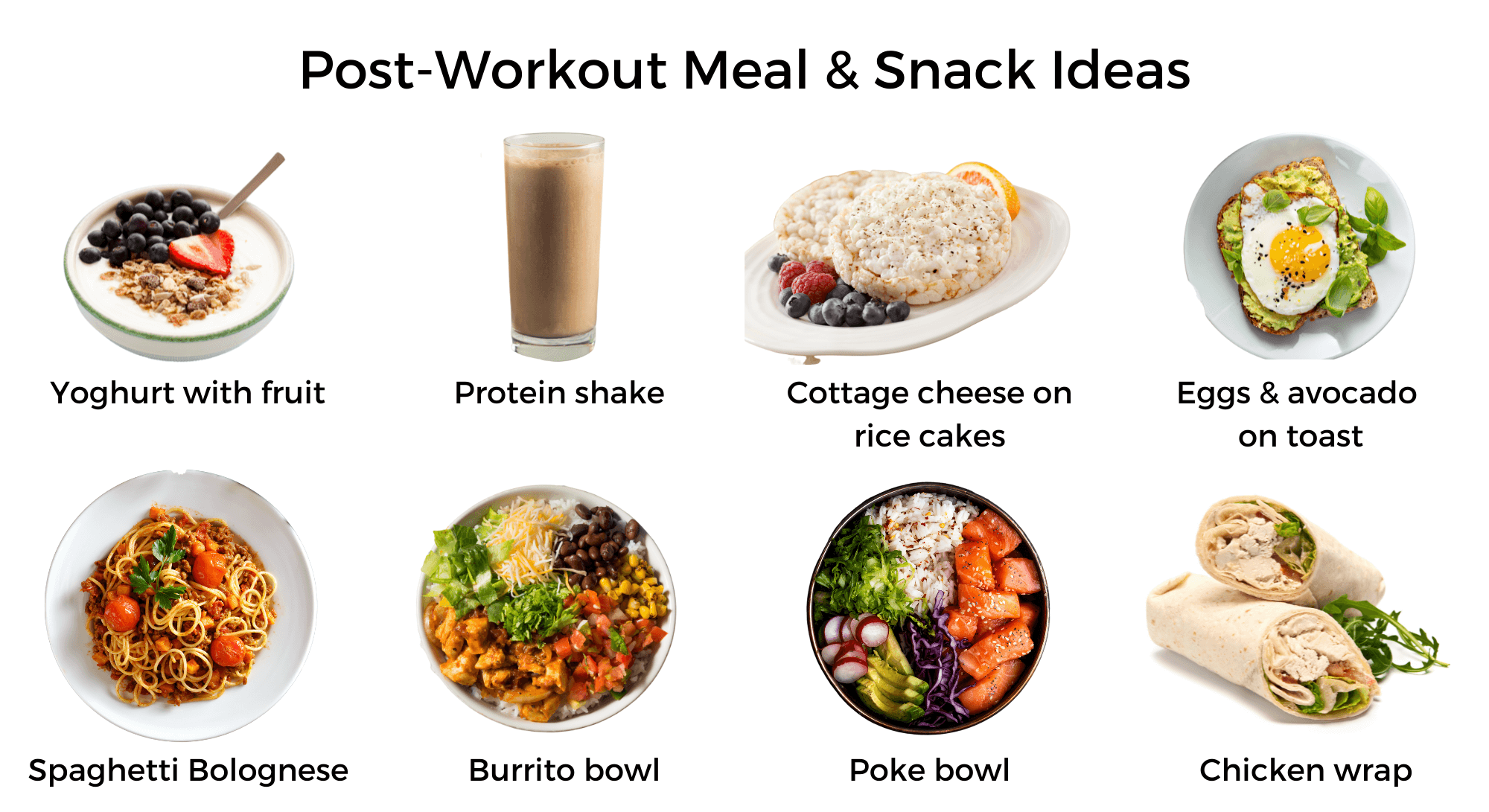
- Smoothies: Blend with protein powder (whey, casein, or plant-based), milk or plant-based milk, a dash of cinnamon, and perhaps some ginger for an anti-inflammatory, carb-rich, and protein-packed recovery drink.
- Oatmeal/Porridge: Stir into warm oats with a scoop of protein, nuts, and a drizzle of maple syrup for a hearty, sustained-release breakfast or post-workout meal.
- Yogurt Bowls: Layer with Greek yogurt (for protein), granola, and pumpkin seeds for texture and added nutrients.
- Roasted Pumpkin Chunks: Cubed pumpkin (or other winter squash like butternut) roasted with a sprinkle of olive oil, salt, and herbs makes a delicious side dish that can be added to salads, grain bowls, or alongside a lean protein source. The roasting process slightly caramelizes the sugars, enhancing flavor.
- Soups and Stews: A creamy pumpkin soup (blended with vegetable broth and a touch of coconut milk) can be a comforting and highly nutritious post-workout meal, especially in cooler weather. Add lentils or chicken for a protein boost.
- Baked Goods (Healthier Versions): While we’re avoiding sugary treats, healthier pumpkin muffins, breads, or energy bites made with whole grains, minimal added sugar, and plenty of pumpkin puree can serve as excellent, portable recovery snacks.
Synergistic Pairings: Pumpkin’s natural low protein content means it pairs perfectly with other protein sources to create a complete recovery meal. Combine pumpkin puree with:
- Whey or plant-based protein powder in smoothies or oatmeal.
- Greek yogurt or cottage cheese for a protein-rich snack.
- Lean meats (chicken, turkey, fish) or plant-based proteins (lentils, beans, tofu) alongside roasted pumpkin.
- Pumpkin seeds themselves, adding both protein and healthy fats.
The narrative of integration is one of mindful nutrition. It’s about moving beyond the simplistic view of recovery as just "protein" or "carbs" and embracing the synergistic power of whole foods. Pumpkin, with its inherent balance and versatility, makes this integration not only possible but genuinely enjoyable, transforming post-workout fueling into a delicious and effective ritual.
Beyond the Science: The Seasonal & Psychological Comfort
While the scientific merits of pumpkin as a recovery food are undeniably compelling, there’s another, more subtle layer to its appeal: its intrinsic connection to comfort, warmth, and the natural rhythms of the earth. This psychological aspect, though harder to quantify, plays a significant role in overall well-being and, by extension, recovery.
For many, pumpkin evokes images of autumn harvests, cozy evenings, and wholesome meals. There’s an inherent sense of grounding and nourishment associated with it. In a world saturated with highly processed supplements and artificial ingredients, choosing a vibrant, natural food like pumpkin offers a refreshing contrast. It’s a return to basics, a celebration of real food that feels both satisfying and honest.
This connection to nature and seasonality can also foster a greater appreciation for the food we consume, leading to more mindful eating habits. The act of preparing a pumpkin-based recovery meal, rather than simply shaking a powder, can be a therapeutic process in itself, encouraging a deeper engagement with one’s nutrition and overall health journey.
Moreover, the comforting warmth of a pumpkin soup or the creamy texture of a pumpkin smoothie can provide a psychological boost after a physically demanding session. This sense of satiety and well-being contributes to reducing stress, which in turn, can positively impact physiological recovery processes.
The narrative here is about holistic nourishment. Recovery isn’t just about repairing muscles; it’s about rejuvenating the entire being – mind, body, and spirit. Pumpkin, with its deep roots in wholesome nutrition and its comforting embrace, offers a unique bridge between scientific efficacy and profound psychological satisfaction, making it a truly holistic recovery food.
Comparing Our Hero: Pumpkin vs. The Usual Suspects
To truly elevate pumpkin to its rightful place, it’s beneficial to juxtapose it against some of the more commonly recognized post-workout recovery foods. While each has its merits, pumpkin often presents a more comprehensive and balanced profile.
1. Banana: The undisputed king of quick potassium and simple carbs.
- Banana’s Strength: Fast-acting glucose, good potassium.
- Pumpkin’s Edge: While banana offers quick energy, pumpkin provides complex carbohydrates for sustained glycogen replenishment, a much broader spectrum of vitamins (especially Vitamin A, C, E), more magnesium, and significantly more fiber. Its lower glycemic index also contributes to more stable blood sugar.
2. Sweet Potato: A worthy competitor, sharing many similarities with pumpkin.
- Sweet Potato’s Strength: Excellent complex carbohydrates, good beta-carotene, some fiber.
- Pumpkin’s Edge: Both are excellent. Pumpkin often boasts a slightly lower calorie count per serving, potentially higher water content, and a unique array of specific phytonutrients. The choice between them often comes down to taste preference and specific micronutrient needs. Both are superior whole-food recovery choices.
3. Sports Drinks: Formulated for rapid electrolyte and carbohydrate delivery.
- Sports Drink’s Strength: Convenience, rapid absorption of simple sugars and sodium.
- Pumpkin’s Edge: Sports drinks often lack fiber, protein, healthy fats, and the vast array of vitamins, minerals, and phytonutrients found in whole foods. They are typically high in simple sugars, which can lead to energy crashes. Pumpkin offers a natural, nutrient-dense alternative without artificial colors, flavors, or excessive simple sugars, providing sustained energy and comprehensive cellular repair. For extreme endurance athletes, sports drinks have a place during activity, but pumpkin shines after.
4. Protein Powder: The go-to for muscle protein synthesis.
- Protein Powder’s Strength: Concentrated protein for muscle repair.
- Pumpkin’s Edge: Protein powder is excellent for protein, but it is a single-nutrient supplement. It completely lacks the complex carbohydrates for glycogen replenishment, the fiber for gut health, and the vast array of vitamins, minerals, and antioxidants that pumpkin provides. Pumpkin and protein powder are complementary, not mutually exclusive. A pumpkin smoothie with protein powder is an ideal combination.
The comparison narrative highlights pumpkin as a multi-faceted champion. While other foods excel in one or two specific areas, pumpkin offers a holistic package, addressing multiple facets of recovery simultaneously. It’s not just a carbohydrate source, nor just an antioxidant powerhouse; it is a symphony of beneficial compounds working in concert.
Conclusion: The Golden Gourd’s Enduring Legacy
The journey through the world of post-workout pumpkin reveals a story far richer and more profound than its humble appearance suggests. From its complex carbohydrate structure ensuring sustained energy replenishment, to its formidable arsenal of antioxidants quelling the fires of inflammation, and its electrolyte symphony rebalancing the body’s vital systems, pumpkin proves itself to be an unparalleled recovery food.
Its role in nurturing gut health, its synergistic pairing with its powerful seeds, and its remarkable versatility in culinary application further cement its status as a nutritional cornerstone. Beyond the empirical science, the psychological comfort and connection to wholesome, natural eating offer an added layer of benefit, reminding us that recovery is as much about nourishing the spirit as it is about repairing the muscles.
In a landscape often dominated by highly specialized supplements and fleeting dietary trends, the pumpkin stands as a timeless testament to the enduring power of whole foods. It is not just a seasonal delight but a year-round champion, ready to fuel your performance, accelerate your recovery, and enrich your overall well-being. So, the next time you finish a grueling workout, consider reaching for the golden gourd. Let the story of its profound recovery power unfold within you, transforming your approach to post-exertion nutrition and cementing its legacy as the unsung hero of your fitness journey.