
In the grand tapestry of human gastronomy, certain ingredients emerge not just as fleeting trends but as enduring pillars, their presence woven deeply into our culinary and cultural fabric. Asparagus, with its elegant form, vibrant hue, and distinctive flavor, is unequivocally one such ingredient. It arrives with the promise of spring, a verdant herald signaling the earth’s renewal, yet its story and merits extend far beyond a mere seasonal delight. For the discerning palate and the curious mind, asparagus is more than just a vegetable; it is a nutritional powerhouse, a culinary chameleon, a historical artifact, and a symbol of enduring vitality. To truly appreciate its place, one must embark on a journey that spans millennia, delves into cellular biology, and explores the boundless creativity it inspires in the kitchen. It is a journey that unequivocally proves why asparagus deserves a permanent, cherished spot on your plate, not just as an occasional guest, but as a beloved fixture.
An Ancient Lineage: The Echoes of Emperors and Epiphanies
The story of asparagus is as old as civilization itself, a testament to its intrinsic appeal. Our relationship with this slender stalk stretches back over 2,000 years, with evidence of its cultivation and consumption found in the annals of ancient Egypt, Greece, and Rome. Hieroglyphs depict offerings of asparagus, suggesting its esteemed status even then. The Greeks recognized its medicinal properties, believing it could soothe bee stings and alleviate toothaches, while its reputation as an aphrodisiac, though scientifically unfounded, added to its allure.
It was the Romans, however, who truly elevated asparagus to an art form. The emperor Augustus, a man known for his efficiency, famously coined the phrase "velocius quam asparagi coquantur" – "quicker than asparagus is cooked" – to describe swift action, a testament to both its rapid preparation and its ubiquity at imperial feasts. Roman agricultural manuals, like that of Cato the Elder, provided detailed instructions for its cultivation, highlighting the sophisticated understanding they possessed of this prized crop. They even developed specialized ships, dubbed "asparagus fleets," to transport it fresh from the fields to the imperial tables, demonstrating an unparalleled dedication to culinary freshness that resonates even today.
As the Roman Empire waned, asparagus, like much of classical knowledge, retreated somewhat from widespread European consumption, finding refuge in monastic gardens where its medicinal and culinary virtues were quietly preserved. It re-emerged with vigor during the Renaissance, gracing the tables of European nobility and becoming a celebrated delicacy in France, particularly under Louis XIV, the Sun King, who was so enamored that he ordered special greenhouses to grow it year-round. From there, its popularity blossomed, crossing the Atlantic with early European settlers and finding fertile ground in the New World.
This rich historical tapestry imbues asparagus with a gravitas few other vegetables possess. To eat asparagus is to partake in a tradition that spans empires and epochs, a link to the culinary preferences of pharaohs and emperors. Its enduring presence across millennia is not merely historical curiosity; it is a powerful indicator of its inherent value, a silent endorsement from generations of discerning palates who recognized its unique contribution to the dining experience.
A Nutritional Powerhouse: The Emerald Elixir for Body and Mind
Beyond its illustrious past and captivating narrative, the most compelling argument for asparagus’s permanent residency on your plate lies in its profound nutritional benefits. It is a veritable pharmacy of essential vitamins, minerals, and potent plant compounds, all wrapped in a low-calorie, high-fiber package. For the knowledgeable individual seeking to optimize health and wellness, asparagus is an indispensable ally.
Let’s dissect its impressive nutritional profile:
- Vitamin K Champion: Asparagus is an exceptional source of Vitamin K, providing well over 100% of the daily recommended intake in a single serving. Vitamin K is crucial for bone health, playing a vital role in bone mineralization and reducing the risk of fractures. It’s also indispensable for blood clotting, ensuring proper wound healing.
- Folate (B9) Fortifier: This vibrant spear is packed with folate, a B vitamin critical for cell growth and DNA synthesis. It’s particularly important during periods of rapid growth, such as pregnancy, where it helps prevent neural tube defects. But its benefits extend to everyone, supporting red blood cell formation and healthy neurological function.
- Antioxidant Abundance: Asparagus is a treasure trove of antioxidants, compounds that combat harmful free radicals in the body, thereby reducing oxidative stress and inflammation. These include:
- Glutathione: Often called the "master antioxidant," glutathione is vital for detoxification processes, immune function, and protecting cells from damage. Asparagus is one of the few foods to contain significant levels of this powerful tripeptide.
- Flavonoids: Rutin, quercetin, and kaempferol are present, each contributing to the vegetable’s anti-inflammatory and antioxidant capabilities. Quercetin, for instance, has been studied for its potential anti-histamine and anti-cancer properties.
- Anthocyanins: The beautiful purple variety of asparagus is particularly rich in these pigments, which are potent antioxidants linked to improved cardiovascular health and cognitive function.
- Fiber-Rich Friend: Both soluble and insoluble fibers are found in asparagus. The insoluble fiber aids in maintaining a healthy digestive system, promoting regularity and preventing constipation. The soluble fiber, particularly inulin, acts as a prebiotic, feeding beneficial gut bacteria and fostering a thriving microbiome. A healthy gut is increasingly recognized as central to overall health, impacting everything from immunity to mood.
- Vitamins A and C: These well-known antioxidants contribute to immune function, skin health, and vision. Vitamin C is also essential for collagen production, while Vitamin A supports cell growth and differentiation.
- Mineral Matrix: Asparagus delivers a spectrum of essential minerals, including potassium (important for blood pressure regulation), iron (vital for oxygen transport), manganese (a co-factor for various antioxidant enzymes), and phosphorus (crucial for bone and teeth health, and energy metabolism).
- Asparagusic Acid and Saponins: Beyond the common nutrients, asparagus contains unique compounds. Asparagusic acid is responsible for the famous (and harmless) change in urine odor after consumption, a fascinating biochemical quirk. Less whimsically, saponins, also found in asparagus, have been researched for their potential cholesterol-lowering and anti-cancer effects.
In essence, a plate adorned with asparagus is a strategic investment in cellular health, digestive harmony, and robust immunity. Its low glycemic index makes it suitable for blood sugar management, and its diuretic properties can help reduce bloating and support kidney function. For the knowledgeable individual striving for optimal health, the argument for asparagus’s permanent presence on the plate becomes not just compelling, but irrefutable.
The Culinary Chameleon: Versatility Beyond Expectation
If its history and nutritional might are its backbone, then its unparalleled culinary versatility is its soul. Asparagus is not a one-trick pony; it is a chameleon, adapting its flavor and texture to a myriad of cooking methods and global cuisines. Its nuanced flavor profile—often described as earthy, slightly grassy, subtly bitter yet sweet, with hints of umami—is a chef’s dream, capable of holding its own or harmonizing with a vast array of ingredients.
Consider the spectrum of preparation:
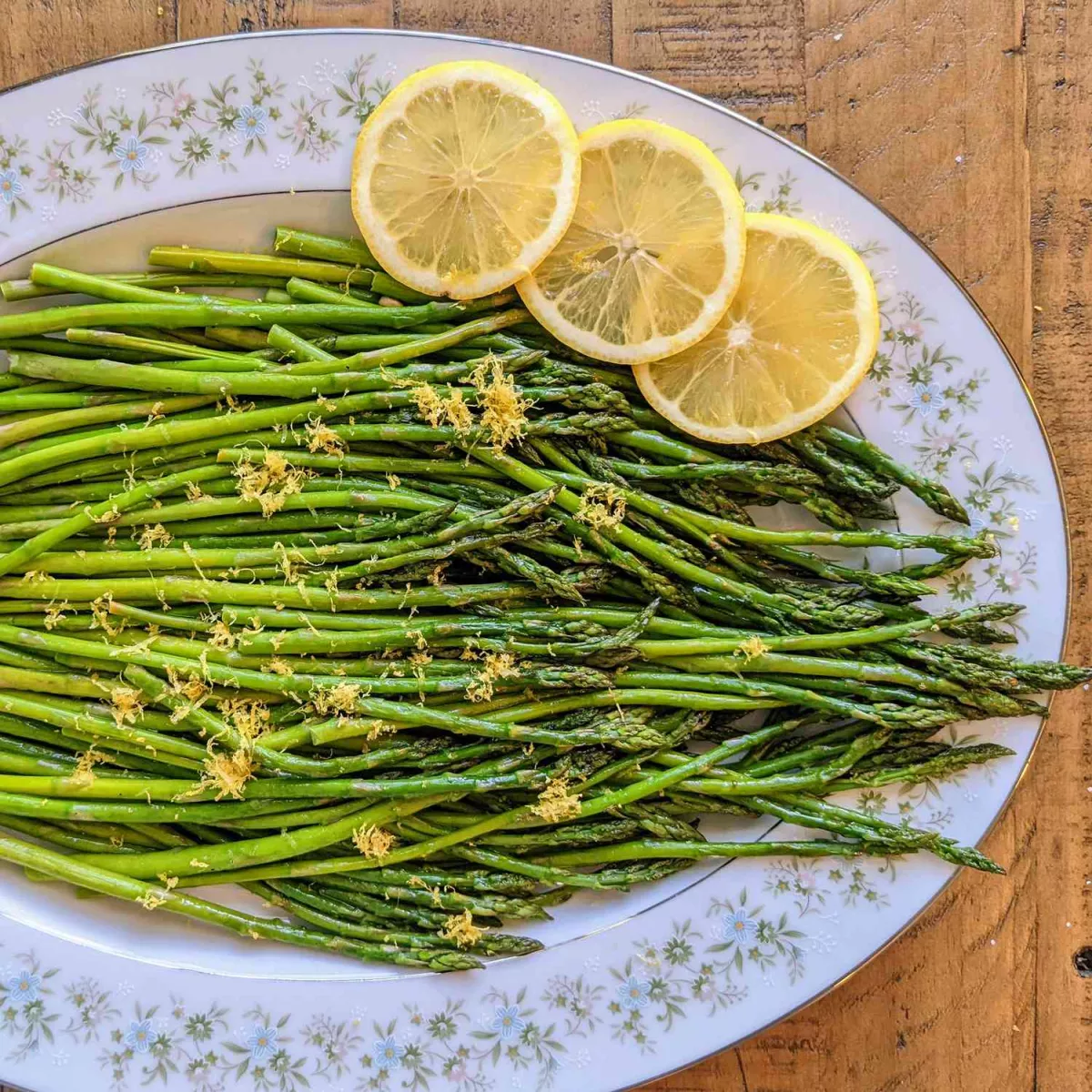
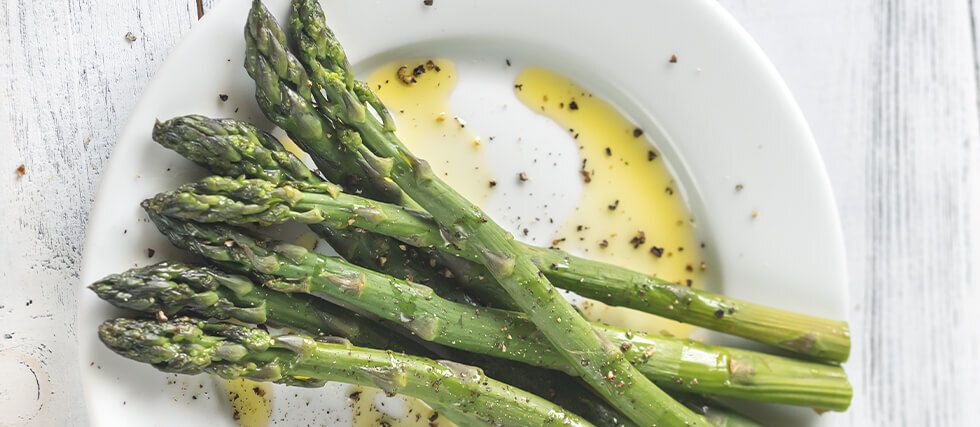
- The Pristine Blanch: A brief dip in boiling water followed by an ice bath yields asparagus that is crisp-tender, vibrant green, and perfectly suited for salads, elegant crudités, or as a simple, unadorned side, perhaps with a squeeze of lemon and a drizzle of fine olive oil. This method highlights its natural sweetness and delicate snap.
- The Gentle Steam: Steaming preserves the maximum amount of nutrients while delivering a tender, succulent spear. It’s a classic, healthy preparation that pairs beautifully with hollandaise sauce – a timeless combination where the richness of the sauce complements the vegetable’s slight bitterness.
- The Charred Roast: Roasting asparagus transforms its flavor profile, bringing out a nutty sweetness and a slight caramelization. Tossed with olive oil, salt, and pepper, it emerges from the oven tender on the inside with beautifully crisped edges. This method is effortlessly elegant and deeply satisfying.
- The Smoky Grill: For summer evenings, grilling asparagus imparts a wonderful smokiness and attractive char marks. It’s perfect alongside grilled meats or seafood, its robust flavor standing up to bold accompaniments.
- The Quick Sauté: A rapid sauté in butter or olive oil with garlic or shallots yields a quick and flavorful side dish, perfect for busy weeknights.
- The Unexpected Raw: Thinly shaved asparagus, either green or purple, adds a delicate crunch and fresh, green notes to salads. Dressed simply with a vinaigrette and perhaps some Parmesan, it offers a surprisingly elegant and refreshing experience.
- The Comforting Purée: Even the tougher, woody ends of asparagus, often discarded, can be simmered and puréed into exquisite soups or sauces, demonstrating the vegetable’s full utility and minimizing waste.
Beyond cooking methods, asparagus’s pairing potential is boundless. It has classic affinities: with eggs (think frittatas, quiches, or a simple poached egg atop steamed spears), with rich dairy (butter, Parmesan, goat cheese), and with cured meats like prosciutto, where the salty umami contrasts beautifully with the asparagus’s freshness.
But its adaptability stretches further. It shines in Asian-inspired stir-fries with soy sauce and sesame, in Italian risottos and pasta dishes, and even as a vibrant addition to grain bowls. Seafood, particularly salmon, scallops, and shrimp, finds a natural partner in asparagus. For the oenophile, a crisp Sauvignon Blanc or Grüner Veltliner often finds an aromatic synergy with asparagus, their herbaceous notes echoing and enhancing each other.
The sheer breadth of its culinary application means asparagus is never boring. It can be a sophisticated appetizer, a hearty main course component, or a simple, vibrant side. This adaptability ensures it can effortlessly integrate into diverse dietary preferences and culinary traditions, cementing its role as a permanent fixture on any adventurous and knowledgeable plate.
From Field to Fork: Sustainability and Seasonality
The story of asparagus also includes a compelling chapter on its cultivation and environmental impact. As a perennial crop, asparagus offers a unique perspective on sustainable agriculture. Once planted, an asparagus patch can produce for 15 to 20 years, sometimes even longer. This longevity means less soil disturbance from annual tilling, which helps to preserve soil structure, reduce erosion, and sequester carbon. Its deep root system can also access water more efficiently, making it relatively drought-tolerant once established.
The harvesting of asparagus is a labor of love, often done by hand. Each spear is individually selected and cut when it reaches the ideal height, ensuring peak freshness and quality. This labor-intensive process underscores the value of the vegetable and provides employment in agricultural communities.
While asparagus is now globally available year-round thanks to international trade (with Peru and Mexico being major exporters), there is an undeniable magic in celebrating its local, seasonal arrival. When you choose locally grown asparagus in the spring, you are supporting local farmers, reducing food miles, and experiencing the vegetable at its absolute peak of flavor and nutritional potency. The anticipation of its seasonal appearance becomes a ritual, a connection to the rhythms of nature, and a reminder of the bounty of the earth.
Understanding how to select and store asparagus further enhances its appeal. Look for firm, bright green (or purple/white) stalks with tight, closed tips. Avoid limp or woody spears. To store, simply trim the ends, stand them upright in a glass with about an inch of water, cover loosely with a plastic bag, and refrigerate. This method can keep asparagus fresh for up to a week, ensuring its readiness for your plate. The age-old debate of "snapping" versus "cutting" the woody ends is often settled by a simple cut, ensuring a clean break and minimizing waste while still removing the fibrous, less palatable portion.
The Asparagus Experience: A Sensory and Mindful Delight
Finally, beyond the history, the nutrients, and the culinary prowess, there is the sheer experience of asparagus. It’s the vibrant green that pops against any plate, the satisfying snap as you break off a stalk, the delicate aroma that fills the kitchen as it cooks, and the unmistakable, nuanced flavor that lingers on the palate. It is a vegetable that engages multiple senses, transforming a simple meal into a mindful appreciation of nature’s bounty.
The "asparagus effect"—that peculiar, harmless olfactory alteration in urine after consumption—is itself a testament to the vegetable’s unique biochemical signature. For the knowledgeable audience, this is not a deterrent but a fascinating physiological quirk, a playful reminder of the intricate dance between our bodies and the food we consume.
Asparagus is a celebration of spring, of renewal, and of the enduring joy that truly exceptional ingredients bring to our lives. It encourages us to eat seasonally, to explore new culinary horizons, and to savor the simple elegance of whole, nutritious foods. Its presence on our plate is not merely sustenance; it is an invitation to partake in a rich cultural heritage, to nourish our bodies with unparalleled goodness, and to delight our senses with its versatile charm.
Conclusion: The Uncontested Champion of the Plate
From the imperial tables of ancient Rome to the modern health-conscious kitchen, asparagus has proven its worth time and again. Its journey through history is a testament to its timeless appeal, its nutritional density a beacon of wellness, and its culinary versatility a canvas for endless gastronomic creativity. It offers a unique combination of health benefits, sensory delight, and sustainable cultivation practices that few other vegetables can match.
Asparagus is not merely a seasonal treat to be enjoyed and forgotten; it is a foundational ingredient that enriches our diets, elevates our meals, and connects us to a culinary lineage spanning millennia. For the knowledgeable individual who values both tradition and innovation, health and flavor, the argument is clear: asparagus is more than deserving of a temporary visit. It has earned, unequivocally, a permanent, revered spot on your plate, ready to delight, nourish, and inspire for generations to come. Embrace the emerald spear, and let it transform your dining experience into a perpetual celebration of nature’s enduring magic.