
The quest for radiant, resilient skin has led us down countless paths, through a bewildering labyrinth of serums, creams, lasers, and, increasingly, a dazzling array of dietary supplements. From collagen peptides to hyaluronic acid capsules, from biotin bombs to a spectrum of isolated vitamins, the modern beauty market whispers promises of youth and clarity in convenient, digestible forms. We are told these tiny capsules hold the concentrated essence of what our skin craves, a shortcut to the glow we seek.
But what if, in our sophisticated pursuit, we’ve overlooked the most ancient, vibrant, and profoundly effective pharmacy known to humanity? What if the true "multivitamin" for our skin isn’t found in a laboratory, but cultivated in the earth, bursting with life, and served in a bowl? This is the story of why your skin, a marvel of biological engineering, understands and prefers the complex symphony of a salad over the isolated notes of a supplement. It’s a tale of synergy, bioavailability, and the profound wisdom of nature, a narrative our cells instinctively grasp.
The Siren Song of the Capsule: A Modern Dilemma
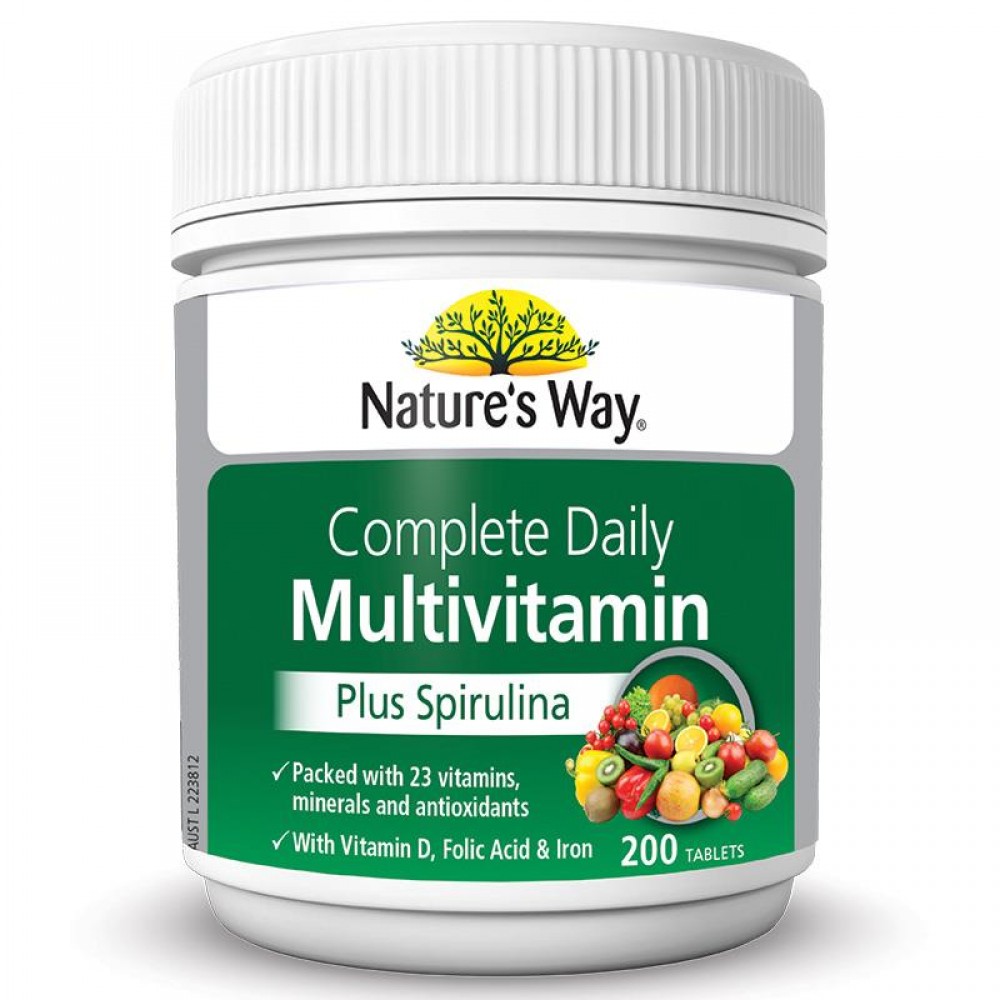
For decades, the supplement industry has boomed, fueled by our desire for optimal health and beauty, and often by a pervasive sense of inadequacy in our daily diets. The narrative is compelling: modern farming depletes soil, processing strips nutrients, and our busy lives leave little room for perfect eating. Enter the supplement, a hero in a pill, designed to fill the perceived gaps, to deliver a potent dose of what’s missing.
The marketing is brilliant. We see glowing testimonials, scientific-sounding jargon, and images of flawless complexions. We learn about specific vitamins – Vitamin C for collagen, Vitamin E for antioxidant protection, Vitamin A for cell turnover – and the logical leap is made: if these are good, more must be better, and a concentrated dose in a pill is the most efficient way to get it. This reductionist approach, breaking down complex biological processes into individual components, has become deeply ingrained in our understanding of nutrition and health.
Yet, a closer look, a deeper listen to the skin itself, reveals a more intricate truth. Our skin, the body’s largest organ, is not a simple machine that can be "fixed" by adding a single, isolated part. It is a living, breathing, incredibly complex ecosystem, intimately connected to every other system within us. Its vitality is a reflection not of isolated input, but of holistic harmony.
The Skin’s Ancient Language: A Call for Wholeness
Imagine your skin not just as a protective barrier, but as a vast, intelligent landscape. It’s a dynamic organ constantly rebuilding, repairing, defending, and communicating. Beneath its visible surface lies a bustling metropolis of cells: keratinocytes forming the protective outer layer, fibroblasts weaving collagen and elastin for structure, melanocytes producing pigment, and a sophisticated immune system standing guard. This intricate network requires a constant, diverse supply of building blocks, protective agents, and signaling molecules to function optimally.
Historically, before the advent of industrial agriculture and the supplement aisle, our ancestors nourished their bodies, and by extension their skin, exclusively through whole foods. Their diets were rich in seasonal fruits, vegetables, lean proteins, and healthy fats – a veritable feast of diverse nutrients, consumed in their natural, unadulterated forms. This is the diet our genes, and our skin cells, evolved to recognize and thrive upon. This is the ancient language our skin still speaks, a call for wholeness, not fragmentation.
The Symphony of the Salad: Nature’s Masterpiece
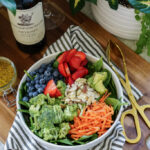
Now, let’s turn our attention to the "salad" – not just a bowl of lettuce, but a vibrant, diverse medley of fresh, unprocessed plant foods. Think beyond the simple green: dark leafy greens like spinach and kale, cruciferous vegetables like broccoli and cauliflower, colorful berries, sweet potatoes, bell peppers, tomatoes, avocados, nuts, seeds, and perhaps a drizzle of olive oil. This is where the magic truly happens, where nature composes a symphony that supplements can only hope to mimic with a single, isolated note.
1. Bioavailability and the Nutrient Matrix: More Than the Sum of Its Parts
This is perhaps the most critical distinction. When you eat a carrot, you’re not just consuming beta-carotene. You’re ingesting a complex matrix of fiber, water, other carotenoids (like alpha-carotene and lutein), vitamins (C, K, B vitamins), minerals (potassium, manganese), and thousands of lesser-known phytochemicals. These components don’t act in isolation; they interact synergistically, enhancing each other’s absorption, utilization, and efficacy.
Consider Vitamin C. In an orange, it’s accompanied by bioflavonoids, compounds that protect the vitamin from oxidation and improve its absorption and function in the body. A synthetic Vitamin C pill, while containing ascorbic acid, often lacks these vital co-factors. The body, having evolved to process nutrients within their natural context, is far more adept at extracting and utilizing them from whole foods. This concept of "nutrient matrix" explains why whole foods deliver a superior nutritional punch – the sum is truly greater than its parts. Your skin cells don’t just receive a single nutrient; they receive an entire support team.
2. The Power of Phytochemicals: Beyond Vitamins and Minerals
Supplements typically focus on established vitamins and minerals. But nature’s bounty extends far beyond this familiar list. Plants are laboratories of incredible complexity, producing thousands of non-nutrient compounds called phytochemicals. These include:
- Polyphenols: Found in berries, green tea, dark chocolate, and red wine, these are powerful antioxidants and anti-inflammatories that protect skin cells from environmental damage and promote repair.
- Carotenoids: Beyond beta-carotene in carrots (which converts to Vitamin A), lycopene in tomatoes, lutein in leafy greens, and astaxanthin in algae offer robust protection against UV damage and contribute to skin elasticity.
- Flavonoids: Abundant in citrus fruits, onions, and apples, they strengthen capillaries, reduce inflammation, and support healthy circulation, crucial for nutrient delivery to the skin.
- Glucosinolates: Found in cruciferous vegetables like broccoli, these compounds are converted into isothiocyanates, known for their detoxifying and anti-cancer properties, which indirectly benefit skin health by reducing systemic toxic load.
These phytochemicals act as cellular bodyguards, neutralizing free radicals, reducing inflammation, and even influencing gene expression in ways that promote skin health and longevity. A supplement might offer one or two of these; a diverse salad offers hundreds, working in concert.
3. The Gut-Skin Axis: A Deep Connection
The gut is often called our "second brain," but it’s equally important to consider it our skin’s silent partner. A healthy gut microbiome, teeming with beneficial bacteria, is fundamental to clear, calm, and vibrant skin. Fiber, abundantly found in fruits, vegetables, nuts, and seeds (the core of a salad), is the primary food source for these beneficial gut bacteria.
When you consume a fiber-rich salad:
- It feeds your microbiome: Healthy bacteria ferment fiber into short-chain fatty acids (SCFAs) like butyrate, which strengthen the gut lining, reduce systemic inflammation, and have direct beneficial effects on skin health.
- It aids detoxification: Fiber binds to toxins and excess hormones (like estrogen), facilitating their elimination from the body, preventing them from recirculating and potentially contributing to skin issues like acne or hormonal imbalances.
- It regulates blood sugar: The soluble fiber in a salad helps slow sugar absorption, preventing sharp spikes in blood glucose and insulin. Chronic high insulin levels are linked to inflammation and conditions like acne.
Conversely, many supplements, particularly those that are highly processed or contain artificial binders, offer no fiber and therefore miss this critical link to gut health. A healthy gut means better nutrient absorption, less systemic inflammation, and a stronger immune response – all directly translating to healthier skin.
4. Hydration and Electrolytes: Water from the Source
While drinking plain water is essential, the water contained within fruits and vegetables is structurally different and often comes packaged with electrolytes and other hydrating compounds. Cucumbers, celery, lettuce, and berries are incredibly water-rich. This "structured water" from whole foods contributes to cellular hydration in a way that goes beyond just drinking H2O. Well-hydrated skin cells are plump, resilient, and function more efficiently, maintaining the skin’s barrier function and giving it a dewy glow.
5. Healthy Fats: The Skin’s Building Blocks
Many salads incorporate healthy fats from avocados, nuts, seeds (chia, flax, hemp), and olive oil. These provide essential fatty acids, particularly omega-3s, which are crucial for maintaining the skin’s lipid barrier. A strong barrier prevents moisture loss, protects against environmental irritants, and reduces inflammation. Omega-3s are potent anti-inflammatories, directly addressing conditions like eczema, psoriasis, and acne from within. While omega-3 supplements exist, consuming them in their whole-food form ensures you’re getting the full spectrum of accompanying nutrients that aid their absorption and utilization.
6. Micronutrient Diversity: The Unsung Heroes
Beyond the well-known vitamins, salads offer an incredible array of trace minerals (selenium, zinc, copper, manganese) and lesser-known compounds that play vital roles in skin health. Zinc, for example, is critical for wound healing, immune function, and regulating oil production. Selenium is a powerful antioxidant that works with Vitamin E to protect cells. These micronutrients are often present in whole foods in quantities perfectly calibrated by nature for optimal absorption and function, unlike the sometimes arbitrarily high doses found in supplements.
The Limitations of Isolation: Why Supplements Fall Short
While there are specific instances where targeted supplementation is medically necessary (e.g., diagnosed deficiencies, certain medical conditions, or lifestyle choices like veganism requiring B12), relying on them as a primary strategy for skin health presents several challenges:
- Lack of Synergy: As discussed, isolated nutrients simply don’t have the same impact as nutrients consumed within their natural matrix. The absence of co-factors, enzymes, and other phytochemicals can limit absorption and effectiveness.
- Synthetic vs. Natural Forms: Many synthetic vitamins are chemically different from their natural counterparts. For example, Vitamin E in supplements is often just alpha-tocopherol, whereas natural Vitamin E in foods includes a full spectrum of tocopherols and tocotrienols, all with distinct benefits. The body may not recognize or utilize synthetic forms as efficiently.
- Dosage Concerns: More is not always better. Megadoses of certain vitamins can be harmful (e.g., excessive Vitamin A can be toxic, high doses of zinc can interfere with copper absorption). The balanced dosages found in whole foods are inherently safer.
- Missing Fiber and Water: Supplements entirely bypass the crucial benefits of fiber for gut health and the hydrating power of structured water in plants.
- Cost and Sustainability: A diet rich in fresh produce is often more sustainable and, in the long run, more cost-effective than a continuous regimen of high-quality supplements.
- The Pleasure Principle: There’s an undeniable joy and sensory pleasure in preparing and eating a vibrant, delicious salad – an experience entirely absent when swallowing a pill. This connection to our food is part of holistic well-being.
- Regulatory Loopholes: The supplement industry is not as tightly regulated as pharmaceuticals, leading to concerns about product quality, potency, and purity. What’s on the label isn’t always what’s in the bottle.
Beyond the Plate: A Holistic Ecosystem for Skin
Embracing the "salad as a multivitamin" philosophy extends beyond just what’s on your plate. It’s about adopting a holistic mindset towards skin health, recognizing that our external glow is a reflection of our internal environment and overall lifestyle.
- Sleep: Adequate, restorative sleep allows the skin to repair and regenerate, crucial processes that are fueled by the nutrients absorbed from our food.
- Stress Management: Chronic stress triggers inflammation and hormonal imbalances, both detrimental to skin health. Practices like meditation, yoga, and spending time in nature can mitigate these effects.
- Movement: Regular physical activity improves circulation, delivering oxygen and nutrients to skin cells and aiding in the removal of waste products.
- Sun Protection: While some sun exposure is beneficial for Vitamin D, excessive unprotected exposure is a primary driver of skin aging and damage.
- Gentle Skincare: Supporting the skin’s natural barrier with gentle, nourishing topical products complements internal nutrition, rather than relying on harsh chemicals or overly aggressive treatments.
When we prioritize these foundational elements alongside a diet rich in whole, plant-based foods, we create an optimal ecosystem for our skin to thrive. The vibrant colors in your salad are not just aesthetically pleasing; they are bio-indicators of the potent, skin-loving compounds within.
Crafting Your Skin’s Multivitamin: The Art of the Salad
So, how do you practically integrate this wisdom? How do you transform a simple meal into a powerful skin elixir?
- Go for Color and Diversity: Aim for a rainbow on your plate. Different colors signify different phytochemicals. Dark leafy greens, red tomatoes, orange carrots, purple cabbage, yellow bell peppers – each adds a unique array of benefits.
- Don’t Skimp on Healthy Fats: Include avocado slices, a handful of walnuts or almonds, chia seeds, or a generous drizzle of extra virgin olive oil. These are crucial for absorption of fat-soluble vitamins (A, D, E, K) and for skin barrier integrity.
- Prioritize Fiber: Load up on raw and lightly cooked vegetables. Add legumes like chickpeas or lentils for extra fiber and plant-based protein.
- Add a Protein Source: Lean protein (grilled chicken, fish, tofu, tempeh, eggs, or beans) provides amino acids, the building blocks for collagen and elastin.
- Flavor with Purpose: Use fresh herbs (parsley, cilantro, basil) which are packed with antioxidants. A dressing made with apple cider vinegar (for gut health), lemon juice (Vitamin C), and olive oil (healthy fats) further enhances the nutritional profile.
- Listen to Your Body: Pay attention to how different foods make your skin feel. Individual sensitivities can vary.
The Unfolding Story: A Lifetime of Nourishment
The story of your skin and its preference for salads over supplements is an ongoing narrative, written with every bite you take. It’s a story of respect for nature’s design, a recognition of the profound intelligence encoded within whole foods. It’s about moving beyond the quick fix and embracing a philosophy of nourishment that builds resilience, radiance, and true health from the inside out.
The skin, our visible interface with the world, doesn’t lie. It reflects our internal state, our habits, and our choices. While the allure of a simple capsule may be strong, the deep, lasting glow that comes from a vibrant, diverse, and wholesome diet is unmatched. It’s a glow born of synergy, of ancient wisdom, and of a profound understanding that when it comes to true beauty, nature remains the ultimate multivitamin. So, put down the pill bottle, pick up a fork, and let your skin revel in the symphony of a salad – a masterpiece of health, perfectly composed for your intrinsic glow.