
In the relentless hum of modern existence, where deadlines loom like specters and the digital world clamors for our perpetual attention, stress has become an unwelcome but constant companion. It infiltrates our sleep, erodes our patience, and, silently but insidiously, floods our systems with a potent chemical messenger: cortisol. For years, humanity has sought solace from this ubiquitous adversary, turning to ancient meditations, rigorous exercise, pharmaceutical interventions, and myriad wellness practices. Yet, nestled within the very fabric of our being, a profound and ancient mechanism of relief lies largely understated, often whispered about, and frequently misunderstood: the orgasm.
This is not merely a fleeting moment of pleasure, a biological imperative for procreation. It is, in fact, a sophisticated neurochemical symphony, a meticulously orchestrated physiological event with profound implications for our well-being, particularly in its astonishing capacity to naturally lower cortisol levels. To understand this, we must embark on a journey, peeling back layers of societal conditioning, delving into evolutionary biology, and venturing deep into the intricate landscape of our own neurochemistry. This is the story of how our bodies, through the exquisite wisdom of pleasure, hold a powerful antidote to the corrosive effects of chronic stress.
Chapter 1: The Cortisol Conundrum – A Double-Edged Sword
To truly appreciate the power of orgasm, we must first understand its adversary: cortisol. Often dubbed the "stress hormone," cortisol is a glucocorticoid produced by the adrenal glands, small organs perched atop our kidneys. Its primary function is not malevolent; quite the opposite. Cortisol is a vital player in our "fight or flight" response, an evolutionary marvel designed to ensure our survival in moments of acute danger.
Imagine our ancestors confronted by a saber-toothed tiger. In that instant, cortisol, alongside adrenaline, surges through the bloodstream. It mobilizes glucose from stores, providing immediate energy to muscles. It sharpens focus, temporarily dampens non-essential bodily functions like digestion and immune response, and primes the body for immediate action. This acute, short-term burst of cortisol is life-saving. It is the body’s emergency beacon, a metabolic accelerant when survival hangs in the balance.
The problem, however, lies in the modern context. Our "saber-toothed tigers" are no longer apex predators but rather looming deadlines, financial anxieties, relationship conflicts, endless notifications, and the perpetual pressure to perform. Our bodies, however, are largely unaware of this distinction. They respond to perceived threats, whether real or imagined, with the same ancient physiological cascade. When stress becomes chronic – a constant drip rather than an occasional flood – cortisol levels remain persistently elevated.
The consequences of this chronic elevation are devastating. Sustained high cortisol can lead to:
- Impaired Immune Function: Suppressing the immune system, making us more susceptible to illness.
- Weight Gain: Especially around the abdomen, as cortisol influences fat storage and appetite.
- Sleep Disturbances: Disrupting the natural sleep-wake cycle, leading to insomnia and fatigue.
- Cognitive Impairment: Affecting memory, concentration, and decision-making.
- Mood Disorders: Contributing to anxiety, depression, and irritability.
- Cardiovascular Issues: Increasing blood pressure and inflammation, elevating the risk of heart disease.
- Digestive Problems: Exacerbating conditions like irritable bowel syndrome (IBS) and acid reflux.
In essence, chronic cortisol turns a life-saving hormone into a silent saboteur, slowly dismantling our health and well-being. The search for natural, effective ways to mitigate its impact is not merely a pursuit of comfort but a fundamental quest for survival in the modern age.
Chapter 2: The Evolutionary Imperative of Pleasure – A Primal Wisdom
Before we delve into the intricate neurochemistry of orgasm, let us consider its evolutionary purpose beyond mere procreation. Why would such an intensely pleasurable experience exist? Why would nature hardwire us for such ecstasy? The answer lies, in part, in its profound capacity for stress reduction and bonding.
From an evolutionary standpoint, successful reproduction isn’t just about the physical act; it’s about fostering conditions that encourage it, ensure its completion, and promote the survival of offspring. Pleasure, especially the intense reward of orgasm, serves as a powerful motivator. It compels individuals to seek out sexual activity, thereby ensuring the continuation of the species.
But the story doesn’t end there. The physiological and psychological aftermath of orgasm—the profound relaxation, the feelings of connection, the sense of well-being—are equally crucial. In a world fraught with danger, a moment of deep calm, of feeling safe and bonded with another, would have been invaluable. This post-coital tranquility would lower vigilance, reduce anxiety, and promote recovery. It’s an ingenious biological mechanism: a reward system that simultaneously acts as a built-in stress regulator.
This suggests that the ability of orgasm to lower cortisol isn’t a mere side effect; it’s a deeply ingrained, evolutionarily adaptive function. It reinforces bonding between partners (through the release of oxytocin, which we will explore), thereby increasing the likelihood of cooperative parenting and mutual protection. It promotes a state of peace, allowing for rest and repair, crucial for survival in a harsh environment. The wisdom of our primal selves understood, long before neuroscience, that pleasure was not just a luxury, but a vital component of resilience.
Chapter 3: The Neurochemical Symphony – An Inner Pharmacy Unleashed
The true magic of orgasm, and its potent effect on cortisol, lies in the intricate ballet of neurochemicals and hormones it orchestrates within the brain and body. It is a moment when the brain’s pleasure and reward centers ignite, triggering a cascade of releases that collectively act as a powerful antagonist to the stress response system. Let us explore the key players in this remarkable inner pharmacy:
3.1. Oxytocin: The Maestro of Calm and Connection
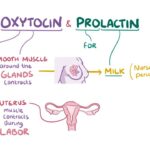
If there is a star in the orgasm’s anti-cortisol orchestra, it is undoubtedly oxytocin. Often hailed as the "love hormone," the "cuddle chemical," or the "bonding hormone," oxytocin surges profoundly during intimacy, touch, and especially at the moment of orgasm. Its role extends far beyond mere social connection; it acts as a potent antagonist to the stress response.
Oxytocin signals directly to the brain’s amygdala – the fear-processing center – and the hypothalamus, the control center for the stress response. It effectively dampens the release of corticotropin-releasing hormone (CRH) from the hypothalamus and, consequently, adrenocorticotropic hormone (ACTH) from the pituitary gland. This cascade directly puts the brakes on cortisol production in the adrenal glands.
Think of oxytocin as the soothing hand that quiets the alarm bells of the stress system. It fosters feelings of trust, reduces anxiety, and promotes a sense of safety and well-being. The higher the levels of oxytocin, the more profound the sense of calm and connection, directly countering the vigilance and tension induced by cortisol. Its effects are not just immediate; research suggests that regular surges of oxytocin can contribute to a more resilient stress response over time.
3.2. Dopamine: The Architect of Anticipation and Reward
Long before the peak of orgasm, dopamine begins its ascent. This neurotransmitter is central to the brain’s reward system, responsible for feelings of pleasure, motivation, and anticipation. The build-up to orgasm is a dopamine-fueled journey, driving desire and enhancing sensory experiences.
While dopamine itself doesn’t directly lower cortisol, its role is crucial in initiating the pleasure cascade that does. The anticipation and pursuit of pleasure, driven by dopamine, lead to the eventual release of other neurochemicals that actively reduce stress. It primes the system for the subsequent anti-stress effects, creating a positive feedback loop where the pursuit of pleasure is rewarded with profound calm. After orgasm, dopamine levels typically drop, contributing to the post-orgasmic relaxation and sometimes a feeling of contentment.
3.3. Serotonin: The Harmonizer of Mood and Tranquility
Serotonin, a neurotransmitter widely associated with mood regulation, feelings of well-being, and happiness, also experiences shifts during orgasm. While its precise role in the immediate moments of orgasm is complex and still under investigation, it is known to contribute significantly to the feelings of calm, contentment, and even mild sedation that follow.
Sustained, healthy levels of serotonin are crucial for stable mood and resilience to stress. By enhancing feelings of tranquility and reducing anxiety, the serotonin released or influenced by orgasm contributes to an overall reduction in the brain’s perception of threat, indirectly lowering the demand for cortisol. It helps to shift the brain from a state of arousal to one of peaceful repose.
3.4. Prolactin: The Catalyst for Post-Orgasmic Peace
Immediately following orgasm, particularly in males but also significantly in females, there’s a surge in prolactin. This hormone is best known for its role in lactation and sexual satiety (the refractory period). Its sudden increase contributes significantly to the profound sense of relaxation, even sleepiness, that often follows orgasm.
Prolactin has been shown to have anxiolytic (anxiety-reducing) and sedative effects. By promoting deep relaxation and potentially aiding sleep, prolactin indirectly helps to reset the body’s stress response system. Quality sleep is a cornerstone of cortisol regulation; a good night’s rest naturally lowers cortisol levels, and the prolactin surge facilitates this crucial restorative process.
3.5. Endorphins: Nature’s Euphoric Anesthetics
Endorphins, our body’s natural opioids, are released during physical exertion, pain, and intense pleasure, including orgasm. These powerful neurochemicals create feelings of euphoria, reduce pain perception, and contribute to a general sense of well-being.
While not directly targeting cortisol, endorphins elevate mood and create a profound sense of pleasure and contentment. This positive emotional state directly counteracts the negative physiological and psychological impacts of stress. By diminishing discomfort and promoting joy, endorphins reduce the overall physiological burden that might otherwise trigger a cortisol response. They add another layer to the multi-faceted anti-stress effects of orgasm.
3.6. Gamma-Aminobutyric Acid (GABA): The Brain’s Natural Brake
GABA is the primary inhibitory neurotransmitter in the brain, acting as the nervous system’s "brake." It reduces neuronal excitability, calming the brain and promoting relaxation. While not as dramatically released as oxytocin or dopamine during orgasm, the overall neurochemical environment created by orgasm leads to increased GABAergic activity.
This heightened GABA activity helps to quiet the overactive stress circuits, reducing the "noise" and anxiety that often accompany elevated cortisol. It contributes to the feeling of peacefulness and mental quietude experienced post-orgasm, further cementing the brain’s shift from a state of alert to one of rest.
Chapter 4: The HPA Axis: The Stress Response Under Siege
To fully grasp how these neurochemicals lower cortisol, we must understand their collective impact on the Hypothalamic-Pituitary-Adrenal (HPA) axis, the body’s central stress response system.
The HPA axis works like this:
- Hypothalamus: When the brain perceives a stressor (physical or psychological), the hypothalamus releases Corticotropin-Releasing Hormone (CRH).
- Pituitary Gland: CRH signals the pituitary gland to release Adrenocorticotropic Hormone (ACTH).
- Adrenal Glands: ACTH travels through the bloodstream to the adrenal glands, prompting them to produce and release cortisol.
The neurochemical symphony of orgasm directly interferes with this cascade at multiple points:
- Oxytocin’s Direct Inhibition: As discussed, oxytocin directly inhibits the release of CRH from the hypothalamus, effectively cutting off the stress signal at its source.
- GABA’s Calming Effect: Increased GABA activity calms the entire nervous system, reducing the perception of threat and therefore the initial signal from the hypothalamus.
- Serotonin and Endorphins: By improving mood and reducing anxiety/pain, these neurochemicals lessen the psychological perception of stress, thereby reducing the need for the HPA axis to activate.
- Prolactin’s Sedation: By promoting deep relaxation and sleep, prolactin helps to reset the HPA axis during periods of rest, allowing for its natural diurnal rhythm (cortisol is typically highest in the morning, lowest at night) to normalize.
In essence, orgasm floods the system with a potent cocktail of anti-stress agents that collectively dampen, if not temporarily switch off, the HPA axis. The result is a significant and natural reduction in circulating cortisol levels, providing a much-needed respite from the relentless grind of chronic stress.
Chapter 5: Beyond the Moment – Lasting Ripples of Well-being
The anti-cortisol effects of orgasm are not confined to the immediate post-coital period. The ripples of this profound physiological event can extend, contributing to longer-term improvements in health and well-being.
- Improved Sleep Quality: The release of prolactin and the overall relaxation induced by orgasm often lead to deeper, more restorative sleep. Since sleep deprivation is a major driver of elevated cortisol, better sleep directly contributes to lower baseline cortisol levels.
- Enhanced Mood and Reduced Anxiety: Regular experiences of orgasm, particularly those accompanied by connection and intimacy, can contribute to a more stable mood, reduced feelings of anxiety, and a greater sense of emotional resilience. This sustained positive emotional state naturally keeps the HPA axis less reactive to everyday stressors.
- Stronger Relationships and Social Support: The oxytocin released during shared intimacy and orgasm fosters deeper bonds and feelings of attachment. Strong social connections and supportive relationships are powerful buffers against stress, further reducing the likelihood of chronic cortisol elevation.
- Potential Immune System Boost: While chronic cortisol suppresses the immune system, its reduction can allow the immune system to function more optimally. Some research suggests that regular sexual activity and orgasm may correlate with improved immune markers, though more specific research is needed in this area.
- Pain Management: Endorphins released during orgasm can provide temporary pain relief, offering a natural analgesic effect that can be particularly beneficial for those dealing with chronic pain conditions, which are often exacerbated by stress.
It is important to emphasize that orgasm is not a panacea, nor is it the only solution to stress. A holistic approach to well-being that includes balanced nutrition, regular exercise, mindfulness practices, and healthy social connections remains paramount. However, recognizing the powerful, natural stress-reducing capacity of orgasm adds a crucial, often overlooked, dimension to our understanding of human health.
Chapter 6: Nuances, Considerations, and the Path Forward
While the science is compelling, it’s crucial to approach this topic with nuance and respect.
- Individual Variability: Not everyone experiences orgasm in the same way, nor do they all experience the same degree of stress reduction. Individual physiological differences, psychological states, relationship dynamics, and environmental factors all play a role.
- The Importance of Context: The most profound anti-cortisol effects are likely to occur in the context of consensual, desired, and emotionally satisfying sexual experiences. Stress or coercion can negate these benefits and, in fact, exacerbate cortisol levels.
- Beyond Penetration: Orgasm can be achieved through various forms of stimulation, and the neurochemical cascade is largely similar regardless of the specific method. The focus is on the physiological peak, not the path to it.
- Not a Replacement for Addressing Root Causes: While orgasm provides potent relief, it doesn’t eliminate the underlying stressors in one’s life. It’s a powerful coping mechanism and a tool for resilience, but it should be part of a broader strategy for managing stress and promoting well-being.
- Further Research: While much is known, the intricate dance of neurochemicals during and after orgasm, particularly in relation to long-term cortisol regulation and various health outcomes, is still a rich area for scientific exploration. More research is needed to fully delineate all the mechanisms and individual differences.
Chapter 7: Reclaiming a Natural Antidote
In a world increasingly seeking pharmacological solutions for every ailment, the human body often holds its own exquisite, natural pharmacy. The ability of orgasm to lower cortisol levels is a testament to this inherent wisdom. It’s a reminder that pleasure, far from being a mere indulgence, is deeply intertwined with our physiological and psychological health.
This understanding invites us to reconsider our relationship with our own bodies, our sexuality, and the profound, innate mechanisms designed for our well-being. It encourages us to shed societal inhibitions and embrace a holistic view of health that includes the powerful, natural stress-relieving properties of sexual pleasure.
By recognizing orgasm not just as an act of procreation or recreation, but as a potent physiological tool for stress management, we empower ourselves with a deeper appreciation for the intricate design of our own existence. It is a natural antidote, readily available, a testament to the body’s enduring capacity for self-healing and profound, natural peace in the face of life’s relentless demands. As the world continues to spin with increasing speed and complexity, the ancient, ecstatic wisdom of orgasm offers a powerful, natural pathway back to calm, connection, and a healthier, less stressed self. The symphony within us, once understood, becomes our most potent ally against the silent reign of cortisol.