
In a world perpetually chasing the elusive promise of a good night’s sleep, the shelves of pharmacies groan under the weight of countless sleep aids, chief among them melatonin. We pop pills, spray mists, and sip teas, all in a desperate bid to quiet the buzzing anxieties of the day and slip into the arms of slumber. But what if one of nature’s most potent sedatives isn’t found in a bottle, but rather emerges from one of life’s most primal and pleasurable acts?
This is the story of prolactin, a hormone often relegated to discussions of lactation and maternal bonding, yet one that, in the wake of sexual climax, orchestrates a profound neurochemical shift, laying the groundwork for a quality of sleep that many find superior to anything a supplement can offer. For the discerning mind, the knowledgeable seeker of deeper truths about the human body, this isn’t merely an anecdotal observation but a fascinating journey into the interplay of pleasure, physiology, and the profound science of rest.
The Modern Sleep Crisis: A Landscape of Restlessness
Before we delve into the serene embrace of post-climax prolactin, let’s first acknowledge the battlefield of modern sleep. We live in an era of chronic sleep deprivation, where the demands of work, the allure of digital screens, and the relentless hum of societal expectations conspire to steal precious hours from our nights. The consequences are dire: impaired cognitive function, weakened immune systems, increased risk of chronic diseases, and a pervasive sense of fatigue that dulls the vibrancy of daily life.
Into this breach steps melatonin, often hailed as the natural solution. Synthesized in the pineal gland, melatonin is indeed a crucial regulator of our circadian rhythm, the body’s internal clock. It signals to the brain that darkness has fallen, prompting a cascade of physiological changes that prepare us for sleep. As an exogenous supplement, it has helped millions nudge their sleep cycles back into alignment, particularly for jet lag or shift work.
However, melatonin has its limitations. It’s primarily a "time setter," not a direct "sleep inducer." It tells your body when to sleep, but doesn’t necessarily deepen the quality of that sleep or quiet a racing mind. Many users report feeling groggy the next day, experiencing vivid dreams, or finding that its efficacy wanes over time. It addresses the timing problem, but often falls short of resolving the deeper quality and depth of rest that the body and mind truly crave. It’s like setting the clock for bedtime, but not ensuring the bed itself is comfortable or the room is quiet.
This is where the story of prolactin takes a compelling turn, offering a natural, endogenous pathway to not just sleep, but a profound, restorative repose.
Enter Prolactin: The Post-Climax Serenity Hormone
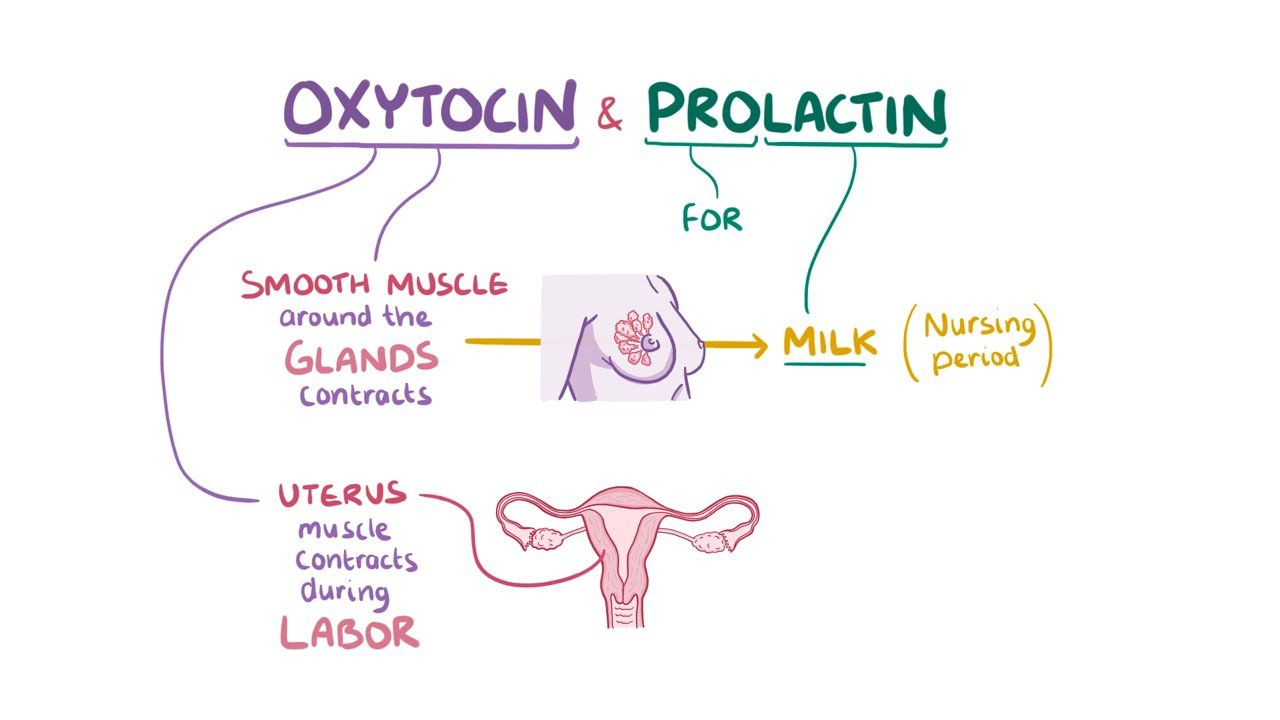
Prolactin, a peptide hormone produced by the anterior pituitary gland, is best known for its role in stimulating milk production after childbirth. But its influence extends far beyond the mammary glands. It plays a critical, albeit often overlooked, role in reproductive function, immune regulation, and perhaps most intriguingly, in the neurobiology of relaxation and sleep following sexual activity.
The post-coital state, particularly after orgasm, is characterized by a distinct shift in sensation. The heightened arousal, the rapid heart rate, and the focused intensity give way to a pervasive sense of calm, satiety, and often, an overwhelming drowsiness. This isn’t merely psychological relief; it’s a meticulously choreographed neurochemical dance, with prolactin as the lead performer.
Studies have consistently shown a dramatic surge in prolactin levels in both men and women immediately following orgasm. In men, this rise can be particularly pronounced, often correlating with the refractory period – the time during which further sexual arousal is difficult. In women, while the exact correlation with a refractory period is less clear, the post-orgasmic prolactin spike is equally significant and contributes to the overall sense of relaxation and well-being. This surge isn’t trivial; it’s a potent, biologically mandated signal that the "work" of reproduction (or at least, the pleasure leading to it) is done, and it’s time for rest.
The Neurochemical Symphony: How Prolactin Induces Deep Sleep
To understand how prolactin improves sleep quality, we must delve into its intricate interactions within the brain’s neurochemical landscape. Its power lies not in directly inducing sleep, but in subtly shifting the brain’s state from arousal to profound relaxation, paving the way for deeper, more restorative sleep stages.
-
Dopamine Antagonism: Quieting the Reward System
Perhaps prolactin’s most significant mechanism for promoting post-climax drowsiness is its antagonism of dopamine. Dopamine is the brain’s primary "reward" and "motivation" neurotransmitter. It’s associated with feelings of pleasure, focus, and wakefulness. During sexual arousal and orgasm, dopamine levels surge, driving the pursuit of pleasure and intensifying the experience.However, once climax is achieved, the body needs to transition from this state of heightened alert and reward-seeking. Prolactin acts as a natural brake on the dopaminergic system. It inhibits the release of dopamine from specific neurons in the hypothalamus and other brain regions. By dampening dopamine activity, prolactin effectively switches off the "on" button for alertness and motivation, replacing it with a sense of satiation and calm. This reduction in dopaminergic drive is crucial for transitioning from wakefulness to sleep, particularly for individuals whose minds are often overactive before bed. It silences the internal chatter and the urge to "do" something, replacing it with an urge to simply "be."
-
GABA Enhancement: The Brain’s Natural Sedative
While direct evidence of prolactin’s interaction with GABA (gamma-aminobutyric acid) is still an area of active research, there are strong theoretical and indirect links. GABA is the primary inhibitory neurotransmitter in the brain, responsible for calming neural activity. Many pharmaceutical sleep aids, like benzodiazepines, work by enhancing GABA’s effects.It’s hypothesized that prolactin may indirectly modulate GABAergic systems, either by increasing GABA synthesis or by enhancing the sensitivity of GABA receptors. By bolstering the brain’s natural "off switch," prolactin could further contribute to the widespread neural inhibition necessary for sleep onset and maintenance. This synergistic effect – dampening excitatory dopamine while potentially enhancing inhibitory GABA – creates a powerful neurochemical environment conducive to deep rest.
-
Opioid System Link: Endogenous Pleasure and Pain Relief
The intense pleasure of orgasm is mediated, in part, by the release of endogenous opioids – the body’s natural painkillers and pleasure chemicals, like endorphins. While prolactin itself isn’t an opioid, its release often coincides with the post-orgasmic "afterglow" where these opioid systems are still active. The lingering effects of these natural opioids contribute to a sense of well-being, reduced anxiety, and physical relaxation, all of which are prerequisites for good sleep. Prolactin then steps in to consolidate this relaxed state, pushing the body further towards rest rather than renewed activity. -
Cortisol Reduction: Calming the Stress Response
Sexual activity and orgasm can also lead to a reduction in cortisol, the body’s primary stress hormone. Chronic stress and elevated cortisol levels are notorious disruptors of sleep. By engaging in an activity that provides profound stress relief and emotional release, the body’s physiological stress response is dampened. Prolactin, in conjunction with the overall post-climax state, helps maintain this lower cortisol level, preventing the brain from being reactivated by stress signals that might otherwise impede sleep. -
Impact on Sleep Stages: Deeper, More Restorative Sleep
The cumulative effect of these neurochemical changes is a profound impact on sleep architecture. While more research is needed to fully delineate prolactin’s specific effects on individual sleep stages, preliminary findings and anecdotal evidence suggest that post-climax sleep is often characterized by:- Faster Sleep Onset: The rapid transition from arousal to calm facilitates falling asleep more quickly.
- Increased Slow-Wave Sleep (SWS): This is the deepest and most restorative stage of non-REM sleep, crucial for physical repair, memory consolidation, and feeling refreshed upon waking. The profound relaxation induced by prolactin’s mechanisms is highly conducive to entering and sustaining SWS.
- Potential for Reduced REM Latency: While complex, some evidence suggests that the post-orgasmic state can alter the timing of REM sleep, though its overall duration might be adjusted. The emphasis, however, is on the quality and efficiency of the sleep cycle that follows.
Prolactin vs. Melatonin: A Head-to-Head Comparison
When juxtaposing the effects of post-climax prolactin with exogenous melatonin, a clear distinction emerges:
- Mechanism: Melatonin primarily regulates circadian rhythm, signaling when to sleep. Prolactin, through its multifaceted neurochemical actions, directly influences the brain’s state, shifting it from alertness to deep relaxation, promoting how well you sleep.
- Natural vs. Exogenous: Prolactin is an endogenous hormone, part of the body’s natural physiological response to a pleasurable and evolutionarily significant act. Melatonin, when taken as a supplement, is an external substance, introducing a hormone into the body from an outside source.
- Holistic Experience: The release of prolactin post-climax is part of a broader experience that includes physical exertion, emotional release, intimacy, bonding, and stress reduction. These factors synergistically contribute to the profound relaxation that precedes sleep. Melatonin, in pill form, offers none of these holistic benefits.
- Side Effects: While melatonin is generally considered safe, some users report grogginess, vivid dreams, or potential dependency. The "side effects" of post-climax prolactin are overwhelmingly positive: intimacy, pleasure, stress relief, and a natural, deep sleep.
- Depth of Sleep: Many who experience post-climax sleep describe it as uniquely deep, restorative, and free from the fragmented awakenings or residual grogginess sometimes associated with melatonin. It’s a sleep that feels earned and complete.
Beyond the Biology: The Holistic Dimension of Post-Climax Sleep
While the neurochemical mechanisms are compelling, the story of post-climax prolactin and sleep is incomplete without acknowledging the broader psychological and relational context. Sexual intimacy, culminating in orgasm, offers a potent blend of benefits that extend beyond mere hormonal shifts:
- Stress Reduction and Emotional Release: The act of sex itself, particularly with a partner, serves as a powerful stress reliever. It allows for the release of accumulated tension, worries, and emotional baggage. The vulnerability and connection inherent in intimacy can be profoundly cathartic.
- Physical Exertion and Muscle Relaxation: Sexual activity is a form of physical exercise, leading to a natural fatigue that prepares the body for rest. The subsequent relaxation of muscles and the release of physical tension further contribute to the ease of falling asleep.
- Intimacy and Bonding: For those in relationships, shared sexual experiences foster intimacy and strengthen emotional bonds. This sense of connection, security, and belonging can significantly reduce anxiety and promote a state of psychological calm, which is highly conducive to sleep. The release of oxytocin, the "love hormone," during and after orgasm, further amplifies these feelings of connection and well-being.
- A Sense of Completion and Satiety: The culmination of sexual desire in orgasm provides a deep sense of satisfaction and completion. This psychological satiety quiets the mind’s tendency to seek further stimulation or dwell on unfulfilled desires, allowing for a peaceful transition into sleep.
These factors, woven together with the direct neurochemical effects of prolactin, create a powerful, natural sleep cocktail that addresses not just the biological need for rest, but also the psychological and emotional preconditions for truly restorative slumber.
Nuances, Limitations, and Practical Considerations
While the evidence for post-climax prolactin’s sleep-enhancing effects is strong, it’s crucial to approach this topic with nuance and acknowledge its limitations:
- Not a Universal Panacea: While many experience profound sleep benefits, individual responses vary. Not everyone finds themselves immediately drowsy after orgasm, and other lifestyle factors (e.g., caffeine intake, screen time, underlying sleep disorders) can still override these natural mechanisms.
- Beyond Orgasm: While orgasm triggers the most significant prolactin surge, other forms of physical activity and relaxation can also lead to modest increases in prolactin, hinting at its broader role in stress recovery. However, the magnitude and specific neurochemical context of post-climax prolactin are unique.
- Accessibility and Desire: It’s important to acknowledge that engaging in sexual activity to achieve orgasm is not always feasible, desired, or appropriate for everyone. This insight into prolactin’s role is not a prescription, but rather an exploration of a natural physiological pathway.
- Focus on Quality, Not Frequency: The goal isn’t necessarily more frequent orgasms, but rather understanding how this natural process can contribute to overall well-being and sleep quality when it occurs.
- Lifestyle Remains Key: Even with the benefits of post-climax prolactin, good sleep hygiene – a consistent sleep schedule, a dark and cool bedroom, avoidance of stimulants before bed – remains paramount for optimal sleep.
The Uncharted Territories: Future Research
Despite the compelling evidence, much remains to be fully elucidated about prolactin’s precise role in sleep. Future research avenues include:
- Detailed Brain Imaging Studies: Using fMRI or other advanced imaging techniques to observe real-time changes in brain activity following orgasm and correlating them with prolactin levels and sleep onset.
- Specific Receptor Interactions: Pinpointing the exact receptors and pathways through which prolactin exerts its sleep-promoting effects, particularly its interactions with GABA and other inhibitory systems.
- Longitudinal Studies: Examining the long-term effects of regular sexual activity and orgasm on sleep architecture and overall sleep health.
- Therapeutic Potential: Could we harness specific prolactin agonists or modulators (without inducing hyperprolactinemia, which has its own issues) to create novel, naturalistic sleep aids? This would be a complex but potentially groundbreaking area of research.
- Gender Differences: While both sexes experience a prolactin surge, subtle differences in its magnitude and duration, and their respective impacts on sleep architecture, warrant further investigation.
Conclusion: Embracing Nature’s Lullaby
In our perpetual quest for better sleep, we often overlook the profound wisdom embedded within our own physiology. The story of post-climax prolactin offers a compelling narrative, one that suggests nature has already engineered a powerful, deeply satisfying, and highly effective mechanism for ushering us into restorative sleep.
It’s a testament to the intricate connection between pleasure, intimacy, and well-being. Unlike an external supplement that merely nudges a biological clock, the surge of prolactin after climax orchestrates a symphony of neurochemical shifts that quiet the mind, relax the body, and prepare the entire organism for a uniquely deep and restorative repose.
For the knowledgeable audience, this isn’t just about the mechanics of a hormone; it’s about appreciating the holistic design of the human experience. It’s about recognizing that sometimes, the most potent remedies for our modern ailments are found not in laboratories, but in the timeless, natural rhythms of life itself – a powerful reminder that embracing our innate biological processes can lead us to a quality of rest that truly is, in many profound ways, better than melatonin. It’s not just sleep; it’s the gentle, satisfying descent into peace, earned through a moment of ultimate connection and pleasure.