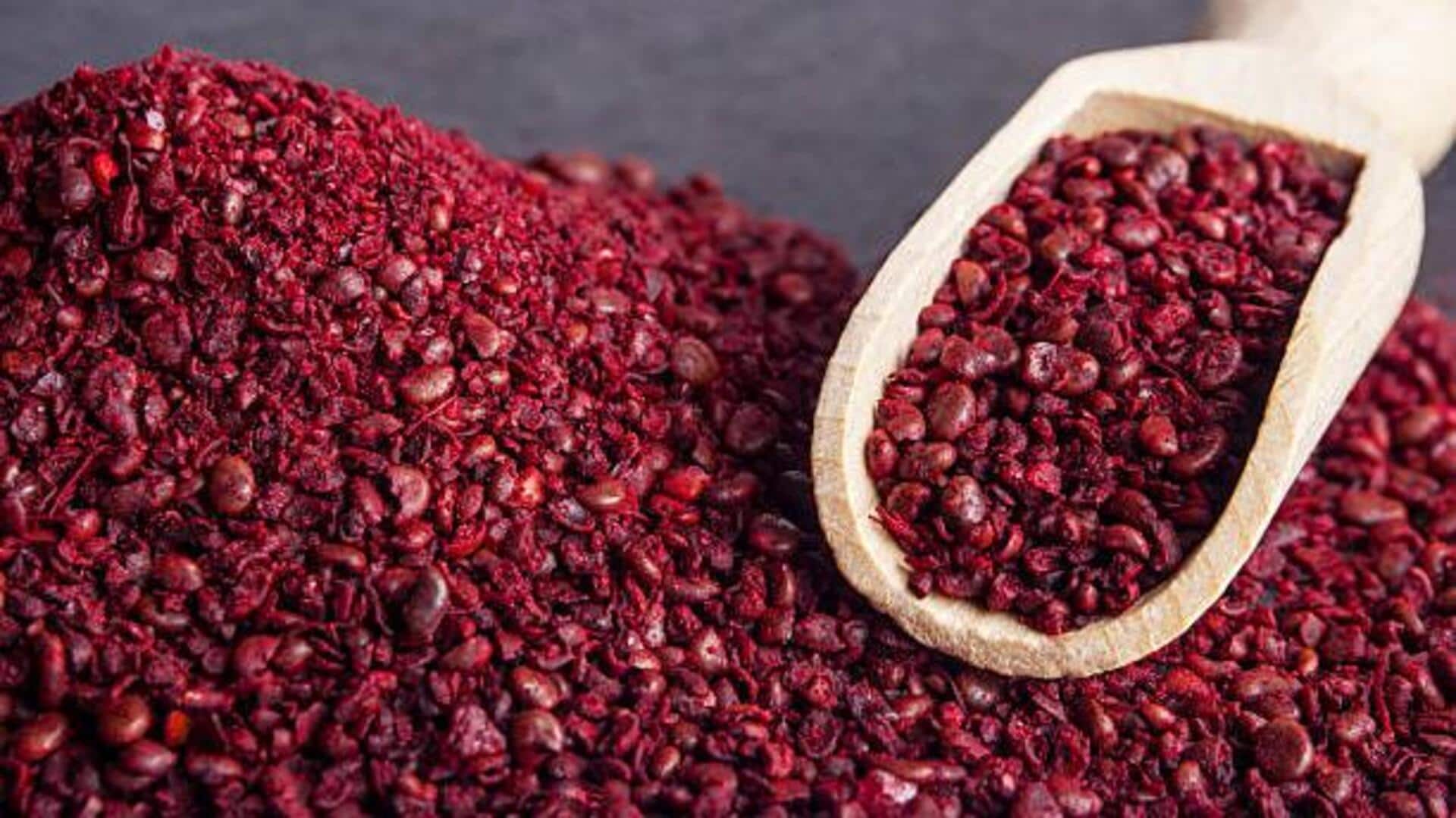

Sumac. For many, the word conjures images of vibrant red berries, a staple in Middle Eastern and Mediterranean cuisine, lending its distinctive tangy, lemony zest to dishes like fattoush salads, grilled meats, and the ubiquitous za’atar blend. It’s a spice that tickles the palate, a culinary workhorse revered for its ability to elevate the mundane to the magnificent. Yet, beneath its culinary charm lies a rich tapestry of therapeutic potential, a hidden power that transcends mere flavor.
For centuries, sumac was more than just a spice; it was a cornerstone of traditional medicine across various cultures, from ancient Rome to indigenous North American tribes. Its bright crimson hue was not just aesthetically pleasing but a visual cue to the potent compounds nestled within its berries. While modern science has illuminated the benefits of many ancient remedies, sumac often remains in the shadow, its profound health implications largely overshadowed by its culinary fame.
This article embarks on a journey to unravel the untold story of sumac, moving beyond the kitchen counter to explore its surprising health benefits. We will delve into the scientific mechanisms, trace its historical use, and paint a vivid picture of how this unassuming crimson jewel could be a powerful ally in your pursuit of holistic well-being. Prepare to look at sumac not just as a sprinkle on your hummus, but as a potent natural medicine, rich in secrets waiting to be discovered.
A Legacy Steeped in Time: Sumac’s Historical and Botanical Roots
Before we plunge into its surprising health benefits, it’s crucial to understand sumac’s lineage. The sumac plant (genus Rhus) boasts a diverse family, with hundreds of species distributed across the globe. The culinary and medicinal sumac we typically refer to comes primarily from Rhus coriaria, also known as Sicilian sumac or Tanner’s sumac. It’s a shrub or small tree native to the Mediterranean region and parts of the Middle East, thriving in dry, rocky soils.
Historically, sumac’s uses were multifaceted. The Romans used its tartness as a souring agent long before lemons became widely available. In traditional Middle Eastern and Persian medicine, sumac was prescribed for a range of ailments, from digestive issues and fevers to skin conditions and sore throats. Indigenous peoples in North America, particularly with species like Rhus glabra (smooth sumac) and Rhus typhina (staghorn sumac), utilized its berries and leaves to make refreshing beverages, treat various maladies, and even dye textiles.
It’s also imperative to address the elephant in the room: poison sumac. While sharing the Rhus genus, poison sumac (Toxicodendron vernix) is a distinctly different plant, typically growing in wet, swampy areas, and its berries are white or greenish, not the vibrant red of its edible cousins. This distinction is crucial and easily discernible, ensuring that our exploration of sumac’s benefits focuses solely on the safe, culinary, and medicinal varieties.
With this historical and botanical foundation laid, let’s peel back the layers and uncover the five surprising health benefits that make sumac a true natural marvel.
1. The Undisputed Antioxidant Powerhouse: A Shield Against Cellular Damage
Perhaps the most celebrated, though still often underestimated, benefit of sumac lies in its extraordinary antioxidant capacity. While many spices boast antioxidant properties, sumac stands out as a true titan in this arena. It’s not just a sprinkle of flavor; it’s a concentrated dose of cellular defense.
The Silent Threat of Oxidative Stress:
To understand sumac’s power, we must first grasp the concept of oxidative stress. Our bodies are constantly engaged in metabolic processes that, while vital, also produce unstable molecules called free radicals. These free radicals, like rogue agents, can damage healthy cells, proteins, and DNA, leading to a cascade of negative effects. This cellular damage, known as oxidative stress, is implicated in the development and progression of numerous chronic diseases, including heart disease, cancer, neurodegenerative disorders like Alzheimer’s and Parkinson’s, and the very process of aging itself.
Sumac’s Arsenal of Antioxidants:
Sumac is brimming with a diverse array of potent antioxidant compounds, primarily polyphenols. These plant-based micronutrients are the heroes in sumac’s story, each playing a crucial role in neutralizing free radicals.
- Anthocyanins: These are the pigments responsible for sumac’s characteristic deep red color. Anthocyanins are renowned for their powerful antioxidant capabilities, scavenging free radicals and protecting cells from oxidative damage. They are also linked to improved cardiovascular health and cognitive function.
- Tannins: While often associated with the astringency in tea and wine, tannins in sumac are significant contributors to its antioxidant profile. They help to stabilize free radicals and can exhibit anti-inflammatory effects.
- Flavonoids: This broad class of polyphenols includes compounds like quercetin and gallic acid, both found abundantly in sumac. Quercetin, in particular, is a well-studied flavonoid known for its potent antioxidant, anti-inflammatory, and immune-modulating properties. Gallic acid also possesses strong antioxidant and anti-cancer potential.
Scientific Validation:
Numerous studies have highlighted sumac’s impressive antioxidant activity. Research has shown that sumac extracts have a high ORAC (Oxygen Radical Absorbance Capacity) score, a measure of antioxidant strength, often surpassing many well-known antioxidant-rich foods. In vitro and in vivo studies consistently demonstrate sumac’s ability to protect lipids, proteins, and DNA from oxidative damage, underscoring its potential as a broad-spectrum protective agent.
Beyond the Sprinkle: Integrating Antioxidant Power:
Incorporating sumac into your diet means arming your cells with a formidable defense. Beyond its traditional uses, consider:
- Sumac-infused water or tea: A refreshing way to hydrate and benefit.
- Dressings and marinades: Let sumac work its magic on salads and proteins.
- Roasted vegetables: A generous sprinkle enhances both flavor and nutritional value.
By actively combating oxidative stress, sumac doesn’t just add flavor; it adds years of healthier cellular function, making it an essential ally in preventing chronic disease and promoting longevity.