
The tapestry of human health is woven with threads of sustenance, lifestyle, and environment. In recent decades, a silent, pervasive threat has emerged, unraveling this fabric: the global epidemic of metabolic disorders, most notably Type 2 Diabetes Mellitus (T2DM). A condition characterized by the body’s inability to effectively manage blood sugar levels, T2DM is no longer merely a medical diagnosis but a public health crisis, affecting hundreds of millions worldwide and projected to surge further. Its relentless progression leads to a cascade of complications, from cardiovascular disease and kidney failure to neuropathy and blindness, diminishing quality of life and imposing immense economic burdens.
While pharmaceutical advancements have provided crucial tools in the battle against elevated blood glucose, their limitations – potential side effects, the need for lifelong adherence, and the challenge of addressing the root causes – underscore the urgent need for complementary, sustainable, and holistic strategies. This quest for balance has turned the spotlight towards nature’s pharmacopeia, rekindling interest in traditional remedies and functional foods that have supported human health for millennia. Among these, a humble, vibrant spice with a storied past, Sumac, is emerging from the culinary shadows into the scientific limelight, presenting a compelling narrative for its potential role in glycemic control and broader metabolic well-being.
This article embarks on a journey to explore Sumac (primarily Rhus coriaria) not just as a piquant condiment, but as a sophisticated natural intervention. We will traverse its ancient origins, delve into the intricate pathophysiology of glycemic dysregulation, dissect Sumac’s rich phytochemical arsenal, unravel its multifaceted mechanisms of action, scrutinize the evolving scientific evidence, and peer into its potential beyond blood sugar management. Our aim is to tell a story – a story of how an ancient wisdom, validated by modern science, might offer a flavorful and potent ally in our ongoing pursuit of metabolic harmony.
I. Sumac: A Plant of History, Culture, and Culinary Delight – The Roots of the Story
Before we delve into its intricate biochemistry, it is essential to understand Sumac’s profound historical and cultural footprint. The term "Sumac" generally refers to members of the Rhus genus within the Anacardiaceae family, which also includes cashews, pistachios, and mangoes. While many species exist, Rhus coriaria is the most commonly used culinary and medicinal variety, particularly across the Middle East, Mediterranean, and parts of Asia.
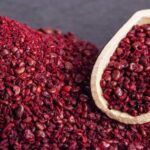
Botanical Background: Rhus coriaria is a small, deciduous shrub or tree, thriving in arid and semi-arid regions. Its distinctive fruit, small reddish-purple drupes, are harvested, dried, and ground into the coarse, brick-red powder familiar to chefs and food enthusiasts. It is these tart, tangy berries that hold the plant’s most potent bioactive compounds.
Historical Significance: Sumac’s journey with humanity dates back thousands of years.
- Ancient Civilizations: Records from ancient Rome and Greece highlight its use not only as a culinary souring agent – a precursor to lemons – but also for its purported medicinal properties. Pliny the Elder, in his Natural History, mentions Sumac’s use as a remedy for various ailments. Dioscorides, the Greek physician, also documented its astringent and diuretic qualities.
- Traditional Medicine Systems: Across the vast tapestry of traditional Unani and folk medicine practices of the Levant, Persia, and parts of North Africa, Sumac has been revered. It was traditionally used to treat digestive complaints, fevers, hemorrhoids, and inflammation. Its astringent properties made it a popular remedy for diarrhea and dysentery, while its purported cooling effects were employed to reduce fevers. Importantly, traditional healers often recognized its "blood-purifying" qualities, a concept that, in modern terms, hints at its detoxifying and antioxidant potential, indirectly linking to metabolic health.
- Beyond Medicine and Cuisine: Sumac’s utility extended further. Its high tannin content made it invaluable in the leather tanning industry, imparting durability and color. It was also used as a natural dye, producing vibrant reds and browns.
Cultural Context: To this day, Sumac remains a cornerstone of Middle Eastern and Mediterranean cuisine. It is the defining tangy note in Za’atar, a ubiquitous spice blend, and a critical ingredient in Fattoush salad. It brightens grilled meats, seafood, and vegetables, and is often sprinkled as a finishing spice to add a burst of citrusy zest. This deep integration into daily life, not just as a medicine but as a beloved culinary staple, speaks volumes about its historical safety and acceptance. For centuries, people have been consuming Sumac, perhaps unknowingly benefiting from its health-promoting properties. This long-standing human-plant interaction provides a powerful empirical foundation upon which modern scientific inquiry can build.
II. The Silent Epidemic: Understanding Glycemic Dysregulation – The Problem Sumac Addresses
To appreciate Sumac’s potential, one must first grasp the complexity of the metabolic disorder it aims to address. Type 2 Diabetes Mellitus (T2DM) is characterized by chronic hyperglycemia, a state of elevated blood glucose. Unlike Type 1 Diabetes, which is an autoimmune condition leading to a lack of insulin, T2DM primarily results from two intertwined problems: insulin resistance and progressive beta-cell dysfunction.
Defining Diabetes and Pre-diabetes:
- Pre-diabetes: A precursor state where blood glucose levels are higher than normal but not yet high enough to be diagnosed as T2DM. This stage is crucial as it offers a window for intervention to prevent progression.
- Type 2 Diabetes: Diagnosed when fasting plasma glucose levels are ≥126 mg/dL, or HbA1c (a measure of average blood sugar over 2-3 months) is ≥6.5%.
Pathophysiology of Type 2 Diabetes:
- Insulin Resistance: This is often the initial and central defect. Tissues such as muscle, liver, and adipose cells become less responsive to insulin’s signals. Insulin, a hormone produced by the beta cells in the pancreas, is responsible for facilitating glucose uptake from the bloodstream into cells for energy or storage. When cells resist insulin, glucose accumulates in the blood.
- Compensatory Hyperinsulinemia: In response to insulin resistance, the pancreas initially tries to compensate by producing more insulin to overcome the resistance and maintain normal blood glucose. This leads to elevated insulin levels in the blood.
- Beta-Cell Dysfunction and Failure: Over time, the pancreatic beta cells, under constant strain to produce excessive insulin, begin to lose their ability to function effectively. They may become exhausted, undergo apoptosis (programmed cell death), or lose their capacity to secrete insulin in a pulsatile and glucose-responsive manner. This progressive decline in insulin secretion marks the transition from pre-diabetes to overt T2DM.
- Hepatic Glucose Overproduction: In T2DM, the liver, which normally stores and releases glucose, becomes dysregulated. Despite high blood glucose levels, the liver continues to produce and release excessive glucose (gluconeogenesis and glycogenolysis), further contributing to hyperglycemia.
- Impaired Glucose Uptake: The primary sites for glucose uptake, muscle and adipose tissue, remain resistant to insulin, exacerbating the problem.
- Chronic Low-Grade Inflammation and Oxidative Stress: These are not merely consequences but also key drivers of insulin resistance and beta-cell dysfunction. Adipose tissue, particularly visceral fat, releases pro-inflammatory cytokines (e.g., TNF-α, IL-6), which interfere with insulin signaling. Oxidative stress, an imbalance between free radical production and antioxidant defenses, damages cellular components, including insulin receptors and pancreatic beta cells.