
Introduction: The Unspoken Alchemy of Intimacy
Imagine a quiet revolution unfolding not in the streets, but within the most private chambers of human experience. It’s a transformation often whispered about, sometimes celebrated, but rarely dissected with the depth it deserves. We are talking about the profound, often underestimated, connection between a healthy sex life and the foundational pillars of our psychological well-being: body image and self-esteem.
In a world saturated with external pressures—from the curated perfection of social media to the relentless advertising of an unattainable ideal—it’s easy for our inner landscape to become a battleground. Body image issues plague individuals of all genders, ages, and backgrounds, fostering an insidious self-doubt that erodes confidence and limits potential. Similarly, self-esteem, the fundamental belief in one’s own worth, often wavers under the weight of perceived flaws and societal judgments.
Yet, amidst this landscape of self-scrutiny, there exists a powerful, natural antidote: the Confidence Cycle. This cycle posits that a healthy, consensual, and emotionally connected sex life doesn’t just offer transient pleasure; it acts as a catalyst, initiating a cascade of positive psychological and physiological responses that dramatically enhance how we perceive our bodies and, by extension, our very selves. It’s an intricate dance where physical intimacy, emotional vulnerability, and chemical euphoria coalesce to forge a stronger, more resilient sense of self.
This article aims to tell the story of this profound cycle, exploring its mechanisms, its benefits, its potential challenges, and how individuals can cultivate it to unlock a deeper, more authentic sense of self-worth. For a knowledgeable audience, we will delve beyond superficial observations, exploring the psychological, physiological, and relational dynamics at play, demonstrating how the bedroom can become a crucible for self-acceptance and empowerment, extending its radiant influence far beyond its walls.
Defining the "Healthy" in Healthy Sex Life: More Than Just Physicality
Before we embark on understanding the cycle itself, it’s crucial to establish what we mean by a "healthy sex life." This isn’t merely about frequency or performance; it’s a multifaceted concept encompassing physical, emotional, and psychological well-being within intimate interactions. A truly healthy sex life is characterized by:
- Consent and Respect: Unambiguous, enthusiastic, and ongoing consent is paramount. Mutual respect for boundaries, desires, and autonomy forms the bedrock.
- Open Communication: Partners can openly discuss desires, preferences, discomforts, and fantasies without fear of judgment. This includes both verbal and non-verbal cues.
- Emotional Connection and Trust: Beyond the physical act, there’s an emotional bond that fosters psychological safety, allowing for vulnerability and genuine intimacy.
- Mutual Pleasure and Satisfaction: The focus isn’t solely on one partner’s experience but on shared enjoyment and ensuring both individuals feel seen, heard, and pleasured.
- Authenticity and Vulnerability: The ability to be oneself, to drop pretenses, and to be truly vulnerable with a partner, both physically and emotionally.
- Exploration and Playfulness: A willingness to explore new aspects of intimacy, to experiment, and to approach sex with a sense of curiosity and fun, free from rigid expectations.
- Absence of Shame or Guilt: A healthy sex life is free from internalized shame, guilt, or anxiety surrounding one’s sexuality or body.
- Self-Awareness: Understanding one’s own body, desires, and limits is crucial for effective communication and mutual satisfaction.
Without these elements, sex can become transactional, performative, or even damaging, failing to initiate the positive cascade of the Confidence Cycle. Indeed, an unhealthy or disconnected sexual experience can, conversely, exacerbate body image issues and diminish self-esteem. Our focus, therefore, remains squarely on the kind of intimacy that builds up, rather than tears down.
The Neurochemical Symphony: How Sex Rewires Our Brain for Connection and Joy
The story of the Confidence Cycle begins at a fundamental biological level, deep within the intricate networks of our brains. Sex isn’t just a physical act; it’s a powerful neurochemical event that floods our system with hormones and neurotransmitters designed to foster bonding, pleasure, and well-being.
- Oxytocin: The Bonding Hormone: Often dubbed the "love hormone" or "cuddle chemical," oxytocin surges during orgasm and physical touch. Its primary role is to promote feelings of attachment, trust, and intimacy. When we experience this profound sense of connection with a partner, our brain registers safety and acceptance. This feeling of being deeply connected and accepted by another human being is a powerful antidote to feelings of isolation and self-doubt. It whispers, "You are wanted, you are cherished, you are enough."
- Dopamine: The Pleasure and Reward Neurotransmitter: Dopamine is the star of our brain’s reward system. It’s released in anticipation of and during pleasurable experiences, creating feelings of euphoria and motivation. The surge of dopamine during sexual activity reinforces the positive association with intimacy, making us desire it again. More importantly, this dopamine hit translates into a general feeling of well-being and satisfaction, reducing stress and anxiety, which are often linked to negative body image.
- Endorphins: Nature’s Painkillers and Mood Boosters: These natural opioids are released during physical exertion and pleasure, including sex. Endorphins produce a feeling of euphoria, reduce pain, and alleviate stress. The "afterglow" of sex, characterized by relaxation and contentment, is largely attributable to endorphins. This post-coital bliss can create a mental space where self-criticism recedes, allowing for a more gentle and accepting view of oneself.
- Serotonin: The Mood Stabilizer: While not as directly linked to the immediate "rush" as dopamine, serotonin levels can be influenced by sexual activity. Serotonin plays a crucial role in regulating mood, sleep, appetite, and well-being. A balanced serotonin level contributes to overall emotional stability, making individuals less susceptible to negative self-talk and more resilient to body image pressures.
This cocktail of neurochemicals creates a powerful positive feedback loop. The pleasure and connection experienced during sex reduce stress, elevate mood, and foster a sense of security and belonging. These feelings, in turn, create a fertile ground for improved body image and self-esteem. When our bodies feel good, our minds are more likely to perceive them positively.
From Vulnerability to Validation: How Intimacy Transforms Body Image
One of the most immediate and profound impacts of a healthy sex life is its transformative effect on body image. For many, the bedroom is where their deepest insecurities about their physical appearance surface. The fear of judgment, the perceived flaws, the societal ideals—all can create immense anxiety, making vulnerability feel like an unbearable risk.
However, in a truly healthy sexual relationship, the opposite occurs. When a partner sees, touches, and desires your body, authentically and without reservation, it acts as a powerful form of validation. This isn’t about seeking external approval to feel good, but rather about experiencing acceptance in a context where vulnerability is at its peak.
- Shifting Focus from Flaws to Sensation: In moments of intense pleasure and connection, the analytical, critical part of the brain tends to quiet down. The focus shifts from scrutinizing perceived imperfections (a stretch mark, a roll of fat, an asymmetrical feature) to experiencing the pure, unadulterated sensation of touch, warmth, and shared pleasure. The body becomes a vessel for experience, not an object to be judged. This allows individuals to reconnect with their physical selves in a positive, embodied way.
- Experiencing Desire and Acceptance: Feeling desired by another human being is a fundamental human need. When a partner expresses genuine attraction and pleasure in your physical presence, it challenges the negative narratives we’ve internalized about our bodies. It’s a powerful affirmation that your body, exactly as it is, is beautiful, capable, and worthy of love and desire. This acceptance from a trusted partner can begin to chip away at years of self-criticism.
- The Power of Vulnerability: Allowing oneself to be seen, truly seen, in their most intimate state requires immense courage. In a safe and loving environment, this act of vulnerability can be incredibly liberating. It demonstrates a willingness to trust, to shed the armor of self-protection, and to believe that one is worthy of being loved in their authentic form. Each successful act of vulnerability, met with acceptance, strengthens the belief in one’s own inherent worth, regardless of physical appearance.
- Reclaiming Agency and Pleasure: For many, body image issues stem from a feeling of powerlessness or a disconnect from their own bodies. A healthy sex life encourages individuals to explore their own pleasure, to understand what feels good, and to communicate those desires. This active participation, this reclaiming of one’s own sensual agency, is empowering. It shifts the body from being a passive object of scrutiny to an active source of pleasure and self-discovery.
- Challenging Societal Norms: Through intimate experiences, individuals can begin to internalize a different narrative about what constitutes "beauty" or "attractiveness." When a partner adores a feature that society might deem a "flaw," it recalibrates our internal compass. It teaches us that beauty is subjective, diverse, and deeply connected to connection and authenticity, rather than conforming to a narrow, often unrealistic, ideal.
In essence, a healthy sex life provides a safe, affirming space where the body is celebrated for its capacity for pleasure, connection, and intimacy, rather than judged for its perceived imperfections. This shifts the internal dialogue from "my body isn’t good enough" to "my body is capable of profound joy and connection."
The Ascent to Self-Esteem: From Body Acceptance to Holistic Worth
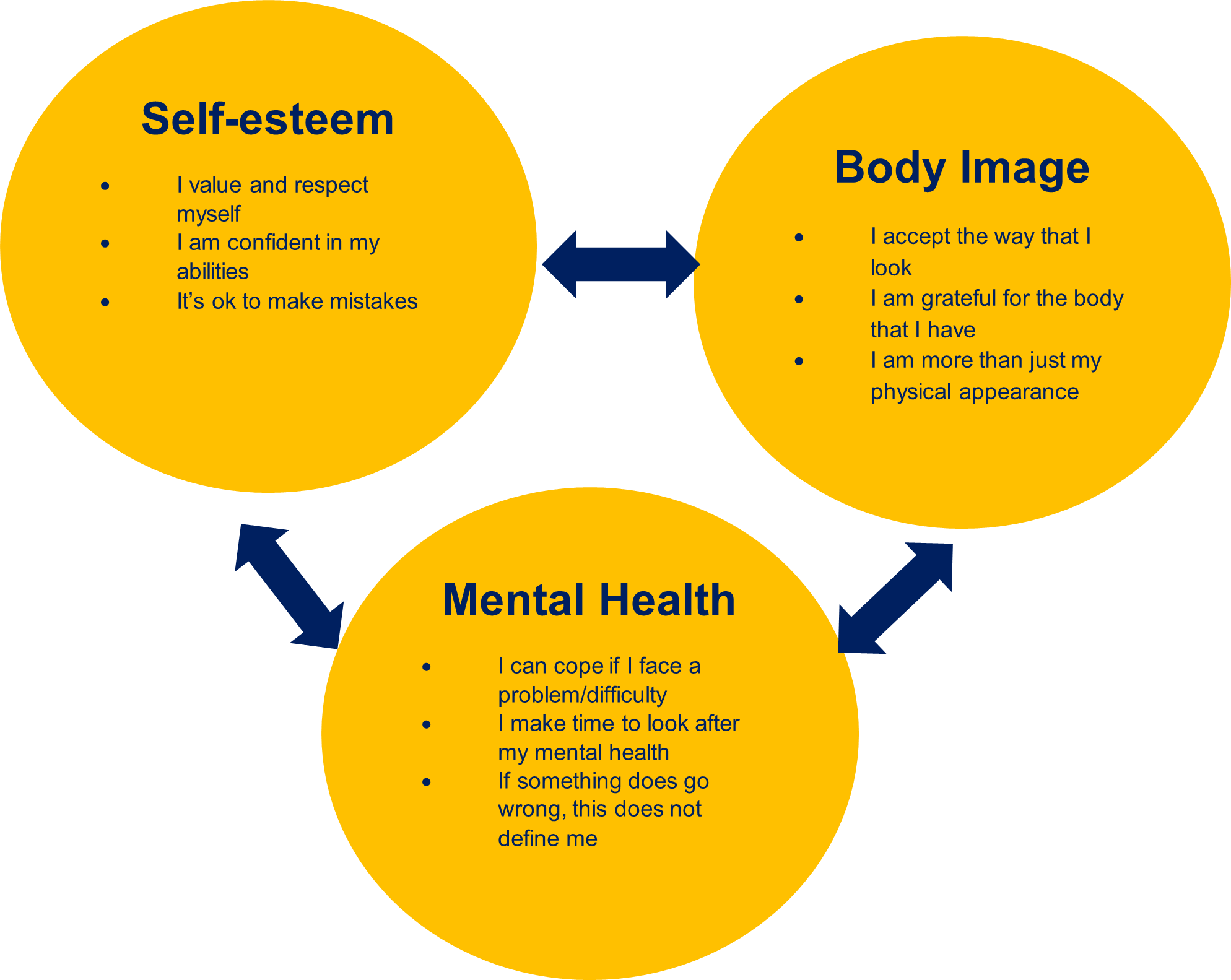
The journey from improved body image to enhanced self-esteem is a natural, yet critical, progression within the Confidence Cycle. While body image is about how we perceive our physical self, self-esteem is a broader evaluation of our overall worth as individuals. The two are inextricably linked.
When body image improves through positive sexual experiences, it creates a powerful ripple effect that strengthens self-esteem in several ways:
- Internalized Validation: The external validation experienced during intimacy—feeling desired, accepted, and loved—begins to be internalized. It’s not just that someone else finds you attractive; you start to believe it yourself. This shift from external to internal validation is fundamental to genuine self-esteem.
- Increased Confidence in All Areas: When you feel good about your body and your ability to connect intimately, that confidence rarely stays confined to the bedroom. It spills over into other aspects of life. You might feel more confident in your professional interactions, more comfortable in social settings, and more willing to pursue personal goals. The courage cultivated in vulnerability during sex translates into courage in other life challenges.
- Reduced Self-Criticism: A healthier body image means less time and mental energy spent on self-criticism and worry about appearance. This frees up cognitive resources that can be directed towards more productive and positive self-talk, creative pursuits, or problem-solving. The constant internal critic quiets down, allowing for a more compassionate and accepting inner voice.
- Greater Authenticity: As self-esteem grows, so does the courage to be authentic. When you feel good about who you are, you are less likely to hide parts of yourself or to conform to others’ expectations. This authenticity deepens relationships, fosters genuine connections, and leads to a more fulfilling life overall. The vulnerability practiced in intimacy becomes a template for authenticity in all interactions.
- Enhanced Sense of Agency: A healthy sex life often involves taking charge of one’s own pleasure and communicating desires. This sense of agency—the belief in one’s ability to influence outcomes and make choices—is a cornerstone of high self-esteem. It reinforces the idea that you are a powerful, capable individual with valuable desires and needs.
- Improved Emotional Regulation: The stress-reducing and mood-boosting effects of sexual activity contribute to better emotional regulation. When individuals feel more stable and less overwhelmed by negative emotions, they are better equipped to handle life’s challenges, further reinforcing a sense of competence and self-worth.
The story here is one of transformation: from an individual burdened by self-doubt and body shame to someone who stands taller, speaks with more conviction, and embraces life with greater enthusiasm. This transformation isn’t instantaneous but is cultivated through consistent positive reinforcement from intimate experiences.
The Feedback Loop: Reinforcing the Confidence Cycle
The beauty of the Confidence Cycle lies in its self-perpetuating nature. It’s not a linear progression but a dynamic feedback loop where each positive outcome reinforces the others, leading to an upward spiral of well-being.
- Improved Self-Esteem Fuels Better Sex: When an individual has higher self-esteem, they are more likely to approach sex with confidence, openness, and a willingness to explore. They are better communicators, more attuned to their own desires, and less inhibited by performance anxiety or body shame. This leads to more fulfilling, authentic, and pleasurable sexual encounters.
- Better Sex Further Enhances Body Image: These more satisfying and connected sexual experiences provide even greater validation and acceptance. The body is consistently affirmed as a source of pleasure and connection, reinforcing the positive body image already being cultivated.
- Enhanced Body Image Deepens Self-Esteem: As body image continues to improve, the individual’s overall sense of self-worth strengthens. They feel more comfortable in their own skin, more confident in their interactions, and more deserving of love and happiness.
- Stronger Self-Esteem, More Confident Life: This robust self-esteem then radiates outward, influencing career choices, social interactions, personal hobbies, and mental health. The individual becomes more resilient, more assertive, and more authentically themselves in all aspects of life.
This cycle illustrates how intimate well-being isn’t isolated but deeply integrated into the fabric of our entire existence. It’s a powerful narrative of self-discovery and empowerment, showing how one aspect of our lives can unlock profound growth in others. The bedroom, often seen as merely a space for physical acts, emerges as a vital arena for psychological development and the cultivation of an unshakeable sense of self.
Navigating the Nuances: When the Cycle Stutters
While the Confidence Cycle offers immense potential for growth, it’s crucial to acknowledge that its activation is not always straightforward. Many factors can inhibit or disrupt this positive feedback loop, turning intimacy into a source of anxiety rather than empowerment. For our knowledgeable audience, understanding these nuances is key.
- Past Trauma: Experiences of sexual trauma, abuse, or even emotionally unhealthy relationships can create deep-seated associations between sex and pain, fear, or shame. These traumas can severely impact an individual’s ability to feel safe, vulnerable, or desirous, making it incredibly difficult to engage in the kind of healthy intimacy that fuels the Confidence Cycle.
- Body Dysmorphia and Severe Body Image Issues: For individuals struggling with severe body dysmorphia, the perception of their body is so distorted that even positive external validation may not penetrate their internal narrative of ugliness or inadequacy. The fear of being seen, even by a loving partner, can be overwhelming.
- Performance Anxiety: The pressure to "perform" sexually, either due to societal expectations or internal self-criticism, can turn intimacy into a task rather than a pleasure. This anxiety can disconnect individuals from their own bodies and sensations, hindering the authentic connection necessary for the cycle to flourish.
- Relationship Dysfunction: A healthy sex life cannot exist in a vacuum. Underlying relationship issues such as lack of trust, poor communication, resentment, or power imbalances will inevitably manifest in the bedroom, preventing genuine intimacy and emotional connection.
- Societal Shame and Misinformation: Despite increasing openness, sex is still shrouded in shame and misinformation for many. This can lead to internalized guilt, fear of exploration, and a limited understanding of healthy sexual expression, making it difficult to fully embrace one’s sexuality.
- Physical Health Conditions: Chronic pain, hormonal imbalances, illness, or certain medications can directly impact libido, sensation, and the ability to engage in sex, creating physical barriers to intimacy and potentially fostering feelings of inadequacy.
- Lack of Self-Awareness: Without understanding one’s own body, desires, and emotional needs, it’s challenging to communicate effectively with a partner or to truly experience pleasure and connection.
Recognizing these potential roadblocks is not about pessimism, but about realism. It emphasizes that for many, cultivating the Confidence Cycle requires intentional effort, self-compassion, and sometimes, professional support. The story isn’t always one of effortless flow; sometimes, it involves courageously clearing obstacles.
Cultivating the Confidence Cycle: Practical Pathways to Empowerment
For those seeking to intentionally cultivate the Confidence Cycle, the journey is one of self-discovery, communication, and intentional practice. Here are practical pathways, tailored for a knowledgeable audience, to foster a healthier sex life that builds body image and self-esteem:
- Prioritize Self-Compassion and Self-Acceptance: Before seeking validation externally, begin by cultivating kindness towards yourself. Challenge negative self-talk about your body. Practice mindfulness and meditation to connect with your body in a non-judgmental way. Understand that your worth is inherent, not contingent on external beauty standards. This is the bedrock upon which genuine confidence is built.
- Enhance Communication with Your Partner (or Self):
- Verbal: Discuss desires, boundaries, fantasies, and discomforts openly and honestly. Use "I" statements to express your feelings without blame. Schedule "sex talks" outside the bedroom to remove pressure.
- Non-Verbal: Pay attention to your partner’s cues, and teach them yours. Understand that communication is a continuous dialogue.
- Self-Communication: Spend time exploring your own body and understanding what brings you pleasure. Self-pleasure is a vital component of self-discovery and can enhance confidence in expressing desires during partnered sex.
- Embrace Vulnerability (Gradually): Start small. Share a minor insecurity with your partner and observe their response. Gradually increase your vulnerability as trust builds. Remember that true intimacy thrives on authenticity, not perfection. The courage to be seen, even in perceived imperfection, is a powerful act of self-acceptance.
- Shift Focus from Performance to Pleasure and Connection: Let go of rigid expectations about how sex "should" look or feel. Concentrate on the sensations, the emotional bond, and the shared experience. This reduces anxiety and allows for a more authentic and enjoyable encounter. Emphasize mutual satisfaction over reaching a specific outcome.
- Educate Yourself (and Your Partner): Learn about sexual anatomy, diverse forms of pleasure, and healthy sexual practices. Dismantle myths and misinformation. Understanding sexuality empowers you to explore and communicate more effectively. Resources like sex-positive literature, podcasts, and reputable online platforms can be invaluable.
- Practice Mindfulness in the Bedroom: Be fully present during sex. Tune into your body’s sensations, your partner’s touch, and the emotional connection. This presence prevents the mind from wandering into self-critical thoughts or anxieties about performance, allowing for deeper engagement and pleasure.
- Seek Professional Support When Needed: If past trauma, severe body dysmorphia, chronic pain, or relationship issues are significantly hindering intimacy, consider therapy. A sex therapist, couples counselor, or trauma-informed therapist can provide tools, strategies, and a safe space to navigate these complex challenges, helping to clear the path for the Confidence Cycle to flourish.
- Prioritize Overall Well-being: A healthy sex life is part of a holistic approach to health. Ensure you are addressing other aspects of your well-being: nutrition, exercise, sleep, stress management, and mental health. When you feel good generally, you are more likely to feel good intimately.
These steps are not quick fixes but rather ongoing practices that foster a deeper, more loving relationship with oneself and one’s partner. They are about intentionally nurturing the conditions under which the Confidence Cycle can truly thrive.
Beyond the Bedroom: The Ripple Effect of Confidence
The story of the Confidence Cycle doesn’t end when the lights come on. The newfound body acceptance and robust self-esteem cultivated through a healthy sex life extend their radiant influence far beyond the confines of intimate moments, permeating every facet of an individual’s existence.
- Professional Empowerment: Individuals with higher self-esteem are more likely to pursue ambitious goals, advocate for themselves in the workplace, take on leadership roles, and speak their minds with conviction. The confidence gained in personal intimacy translates into professional assertiveness.
- Enriched Social Connections: Feeling comfortable in one’s own skin and secure in one’s worth makes social interactions more genuine and enjoyable. There’s less need to seek external validation, leading to more authentic friendships and deeper connections.
- Greater Resilience to Stress: With a stronger sense of self and a more positive internal dialogue, individuals are better equipped to handle life’s inevitable challenges and setbacks. The emotional regulation fostered by healthy intimacy contributes to overall mental fortitude.
- Enhanced Creativity and Self-Expression: When the mind is not consumed by self-criticism and body shame, it is free to explore creative pursuits, express unique ideas, and engage in passions with greater zest and authenticity.
- Improved Physical Health Habits: A positive body image often correlates with a greater desire to care for one’s physical health, leading to better nutrition, regular exercise, and overall self-care practices, reinforcing the positive feedback loop.
- A Deeper Sense of Purpose and Fulfillment: Ultimately, a robust sense of self-esteem and body acceptance allows individuals to live more authentically, aligning their actions with their true values and pursuing a life that feels genuinely fulfilling.
The narrative here is one of liberation. It’s about shedding the heavy cloak of self-doubt and stepping into a life of greater joy, purpose, and unshakeable confidence. The Confidence Cycle demonstrates that intimacy is not just about momentary pleasure; it is a fundamental catalyst for holistic human flourishing.
Conclusion: Embracing the Full Spectrum of Self
The story of the Confidence Cycle is a powerful testament to the intricate and often overlooked connections within the human experience. It reveals that a healthy sex life, characterized by consent, communication, emotional connection, and mutual respect, is far more than a recreational activity. It is a potent force for psychological growth, capable of profoundly transforming how we view our bodies and, consequently, our entire sense of self-worth.
From the neurochemical symphony that bathes our brains in pleasure and connection, to the intimate dance of vulnerability and validation that reshapes our body image, the cycle builds a foundation of self-acceptance. This enhanced body image then elevates our self-esteem, radiating outward to empower us in every facet of our lives – professional, social, and personal. The beautiful feedback loop ensures that confidence fuels better intimacy, which in turn reinforces a stronger sense of self, creating an upward spiral of well-being.
For a knowledgeable audience, this isn’t merely a romantic notion but a scientifically and psychologically grounded truth. While challenges and past wounds can complicate the journey, the pathways to cultivating this cycle – through self-compassion, open communication, mindful presence, and, when necessary, professional support – are accessible and transformative.
In an era that often commodifies and distorts sexuality, embracing the Confidence Cycle is an act of reclamation. It’s an invitation to view intimacy not as a source of anxiety or performance pressure, but as a sacred space for self-discovery, connection, and profound personal empowerment. By understanding and nurturing this cycle, we unlock a deeper, more authentic relationship with ourselves, allowing us to live more confidently, joyfully, and fully embodied lives. The revolution, indeed, begins within.