
The cacophony of the modern world has ushered in an era of unprecedented anxiety. From the relentless hum of digital notifications to the crushing weight of societal expectations, from ecological concerns to existential dread, the human psyche is under siege. We find ourselves increasingly disconnected – from our bodies, from our authentic selves, from meaningful relationships, and from the very present moment. This pervasive sense of unease often manifests as a deep-seated anxiety, a relentless internal noise that obscures joy, diminishes intimacy, and erodes our sense of agency.
In our collective quest for solace, we often turn to fragmented solutions: therapy, medication, self-help books, or fleeting distractions. While each has its place, the true antidote to this modern malaise may lie in a more integrated, holistic approach – one that deliberately weaves together the transformative powers of mindfulness, the grounding wisdom of movement, and the often-overlooked, yet profoundly healing, realm of sexual health. This is not a journey of quick fixes, but an unfolding narrative of self-discovery, embodiment, and radical acceptance, designed for those ready to delve deeper than surface-level remedies.
The Modern Malady: Understanding Anxiety’s Grip
To truly appreciate the power of this integrated approach, we must first understand the adversary. Modern anxiety is not merely stress; it’s a persistent state of apprehension, often without a clear, immediate threat. It’s the background hum of impending doom, the constant critical voice, the racing heart in moments of stillness. Its roots are multifaceted:
- Digital Overload and Constant Connectivity: The always-on culture, the curated perfection of social media, and the incessant demand for our attention create a perpetual state of vigilance. Our nervous systems are rarely given permission to truly rest and digest. The fear of missing out (FOMO) and the comparison trap are potent anxiety triggers.
- Societal Pressures and Performance Culture: From career trajectories to personal achievements, there’s an unspoken demand to constantly optimize, to be productive, successful, and perpetually "happy." This relentless pursuit of an external ideal often leads to feelings of inadequacy, burnout, and a deep fear of failure.
- Disconnection from the Body: Many modern lifestyles are sedentary and disembodied. We live largely in our heads, intellectualizing experiences, rather than feeling them. This disconnect from our somatic experience leaves us vulnerable to anxiety, as we lose touch with the body’s innate wisdom and its capacity to process and release stress.
- Existential Dread and Global Crises: Climate change, political instability, pandemics, and social injustices contribute to a sense of helplessness and uncertainty about the future, triggering profound existential anxieties that permeate our daily lives.
- Erosion of Community and Intimacy: Despite being hyper-connected digitally, many experience profound loneliness and a lack of authentic, vulnerable human connection. This absence of deep relational bonds deprives us of vital emotional support and a sense of belonging, which are crucial buffers against anxiety.
Physiologically, anxiety often triggers the sympathetic nervous system – the "fight, flight, or freeze" response. Cortisol and adrenaline flood the system, leading to physical symptoms like muscle tension, digestive issues, sleep disturbances, and a racing mind. This chronic activation can lead to exhaustion, irritability, and a diminished capacity for joy and pleasure. It’s a vicious cycle where the body is constantly primed for danger, even when none exists.
The Foundations: Mindfulness and Movement as Antidotes
Before we introduce the crucial third element, let’s explore how mindfulness and movement lay the groundwork for dismantling anxiety. These are not new concepts, but their intentional and integrated application is vital.
Mindfulness: The Art of Present Moment Awareness
Mindfulness, often rooted in ancient contemplative practices, is simply the practice of paying attention to the present moment, without judgment. It’s about observing our thoughts, feelings, and bodily sensations as they arise, without getting entangled in their narratives.
- Mechanism of Action:
- Disrupting Rumination: Anxiety thrives on rumination – replaying past events or catastrophizing future ones. Mindfulness gently pulls us back to the present, breaking the cycle of obsessive thought.
- Cultivating Self-Awareness: By observing our internal landscape, we begin to understand our triggers, patterns, and responses to stress, giving us the power to choose how we react rather than being swept away.
- Regulating the Nervous System: Practices like mindful breathing directly engage the vagus nerve, stimulating the parasympathetic nervous system (rest and digest), thereby lowering heart rate, blood pressure, and cortisol levels.
- Non-Judgment and Acceptance: A core tenet of mindfulness is accepting what is, rather than fighting against it. This radical acceptance of uncomfortable feelings, paradoxically, often lessens their intensity. We learn to sit with discomfort rather than being overwhelmed by it.
- Interoception: Mindfulness cultivates interoception, the awareness of internal bodily states. This connection to our inner landscape helps us to tune into subtle signals of tension, hunger, or emotion before they escalate into full-blown anxiety attacks.
Movement: Embodiment and Release
Movement is our primal language, a fundamental aspect of human experience that has been largely intellectualized and compartmentalized in modern life. It’s not just about exercise; it’s about re-inhabiting our bodies as living, breathing, sensing vessels.
- Mechanism of Action:
- Somatic Release: Physical activity, from vigorous exercise to gentle stretching, helps to release stored tension in the muscles and fascia, which are often holding patterns of anxiety and trauma. The "fight or flight" energy, if not discharged, remains trapped in the body.
- Grounding and Embodiment: Movement brings us out of our heads and into our bodies. Practices like yoga, dance, or even a mindful walk connect us to the earth and to our physical form, providing a sense of stability and presence.
- Neurochemical Benefits: Exercise releases endorphins, natural mood elevators and pain relievers. It also influences neurotransmitters like serotonin and norepinephrine, which play crucial roles in mood regulation and anxiety reduction.
- Proprioception and Agency: Engaging in movement enhances proprioception – our sense of where our body is in space. This heightened body awareness can foster a greater sense of control and agency over our physical selves, countering feelings of helplessness often associated with anxiety.
- Flow States: Engaging in activities that demand full attention and skill (like dance, martial arts, or rock climbing) can induce "flow states," where time seems to disappear, and we are completely immersed in the present moment. These states are deeply restorative and anxiety-reducing.
Imagine Sarah, a 32-year-old marketing professional, constantly feeling overwhelmed by her demanding job and the pressure to maintain a perfect online persona. Her anxiety manifests as chronic stomach upset, restless sleep, and a persistent feeling of not being "enough." She starts with a simple daily mindful walk, noticing the sensations of her feet on the ground, the sounds around her, the rhythm of her breath. She also begins attending a weekly somatic movement class, allowing her body to move freely, without judgment or specific goals, simply exploring what feels good. Gradually, she notices a subtle shift. The constant internal chatter lessens, her stomach settles a bit, and she feels a flicker of connection to her body that had been absent for years. These are the foundational steps, but there’s a deeper layer to uncover.
The Missing Link: Reclaiming Sexual Health
Here’s where the narrative takes a turn, moving beyond the conventionally accepted tools for anxiety relief into a realm often shrouded in societal discomfort and misunderstanding: sexual health. For a knowledgeable audience, it’s crucial to broaden the definition of sexual health beyond mere physical acts, recognizing its profound impact on our overall well-being.
Sexual health is a state of physical, emotional, mental, and social well-being in relation to sexuality. It is not merely the absence of disease, dysfunction, or infirmity. It encompasses:
- Sexual Agency and Autonomy: The ability to make informed decisions about one’s body, desires, and sexual experiences, free from coercion, discrimination, and violence.
- Pleasure and Intimacy: The capacity to experience pleasure and express intimacy in ways that are fulfilling and respectful.
- Communication and Consent: The ability to clearly communicate desires, boundaries, and preferences, and to understand and respect those of others.
- Self-Knowledge and Body Positivity: A healthy relationship with one’s own body, understanding its responses, and embracing one’s sexual identity without shame.
- Healthy Relationships: The capacity for meaningful, consensual, and equitable sexual relationships.
Anxiety’s Impact on Sexual Health
Anxiety, in all its forms, is a potent inhibitor of healthy sexual expression and connection.
- Performance Anxiety: The pressure to "perform" sexually can lead to erectile dysfunction, difficulty with orgasm, or a complete aversion to intimacy. The mind races with self-criticism, making it impossible to be present.
- Body Image Issues: Modern societal standards often foster body shame, making individuals self-conscious and unable to relax into their bodies during intimacy. This can lead to avoidance or a disconnect from pleasure.
- Past Trauma: For individuals with a history of sexual trauma, anxiety can manifest as hypervigilance, dissociation, or a complete shutdown during sexual encounters, making genuine connection and pleasure incredibly challenging.
- Communication Breakdown: Anxiety can make it difficult to articulate desires, boundaries, or discomfort, leading to unfulfilling or even harmful sexual experiences. The fear of rejection or judgment can silence authentic expression.
- Disconnection from Pleasure: When the mind is constantly racing with worries, it’s difficult to tune into the subtle, nuanced sensations of pleasure. Sexual encounters become mechanical, rather than deeply felt.
Sexual Health as a Source of Well-Being and Anxiety Reduction
Conversely, when cultivated mindfully and intentionally, healthy sexual expression and a robust sense of sexual health can be profoundly anti-anxiety.
- Oxytocin Release and Bonding: Intimate physical touch, especially during orgasm, releases oxytocin, the "love hormone," which fosters feelings of attachment, trust, and connection. This directly counters feelings of loneliness and promotes emotional security.
- Stress Reduction and Relaxation: Orgasm can act as a powerful stress reliever, releasing pent-up tension and promoting a deep sense of relaxation. The release of endorphins, dopamine, and serotonin contributes to an overall sense of well-being.
- Embodiment and Presence: When engaged in sexual intimacy with awareness, we are pulled into the present moment, fully inhabiting our bodies. This radical embodiment is a direct antidote to the disembodiment often associated with anxiety.
- Vulnerability and Trust: Sharing intimate moments, especially when accompanied by open communication, fosters vulnerability and builds trust in relationships, which are essential for emotional resilience.
- Self-Acceptance and Empowerment: Embracing one’s sexual self, understanding and honoring one’s desires, and exercising sexual agency can be incredibly empowering, fostering self-esteem and a sense of mastery over one’s own body and life.
- Play and Joy: Healthy sexuality can be a source of profound joy, playfulness, and connection – vital emotions that are often stifled by anxiety. Reclaiming this aspect of life can inject much-needed vitality.
The Synergy: Weaving the Threads Together
The true power emerges when mindfulness, movement, and sexual health are understood not as separate practices, but as an integrated tapestry. Each thread strengthens and illuminates the others, creating a robust framework for combating modern anxiety.
Mindful Sexual Health: Presence in Intimacy
Bringing mindfulness into sexual health transforms it from a potentially anxiety-inducing performance into a deeply connecting and healing practice.
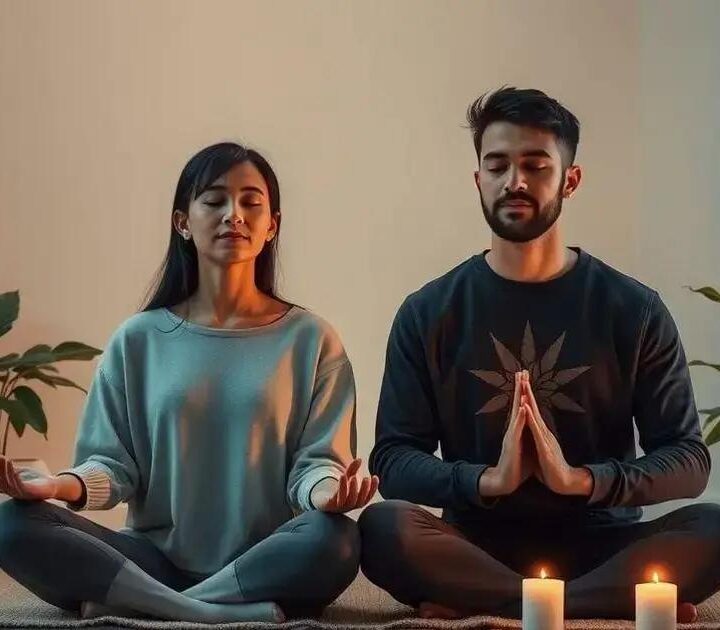
- Pre-Intimacy Mindfulness: Before engaging in sexual activity, taking a few moments for a body scan or mindful breathing can help ground both partners. Noticing any tension, excitement, or apprehension without judgment creates a space for conscious engagement.
- Sensory Awareness: During intimacy, mindfulness involves paying exquisite attention to sensory input – the touch of skin, the scent of a partner, the sounds, the internal sensations of arousal. This pulls the mind away from worry and into the richness of the present moment.
- Non-Judgment of Experience: Our sexual experiences are rarely linear or perfect. Mindfulness teaches us to observe shifts in arousal, unexpected thoughts, or physical sensations without labeling them as "good" or "bad." This allows for a more authentic and less pressure-filled experience.
- Communicating with Awareness: Mindful communication in sexual health involves truly listening to a partner, noticing non-verbal cues, and articulating one’s own desires and boundaries clearly and kindly. This reduces misunderstanding and builds trust, directly countering anxiety around miscommunication.
- Intention and Consent: Approaching intimacy with clear intention and explicit, ongoing consent ensures that all parties feel respected and safe, reducing the anxiety that stems from ambiguity or pressure.
Movement and Sexual Health: Embodied Pleasure
Movement practices can profoundly enhance sexual health by fostering embodiment, releasing physical blocks, and deepening pleasure.
- Pelvic Floor Awareness: The pelvic floor muscles are crucial for sexual function and pleasure. Movement practices like specific yoga poses, Pilates, or even conscious dance can increase awareness and control over these muscles, leading to enhanced sensation and reduced tension. Many people hold significant emotional and sexual trauma in their pelvic region, and mindful movement can be a gentle way to release this.
- Body Positivity Through Movement: Engaging in movement that feels good, rather than just movement aimed at aesthetic goals, helps to cultivate a more positive and accepting relationship with one’s body. When we feel at home in our skin, we are more likely to relax and enjoy intimate experiences.
- Releasing Sexual Tension: Sometimes, sexual energy can build up without release, leading to a feeling of restlessness or anxiety. Mindful movement can be a way to consciously channel and release this energy, even without a partner.
- Exploring Erotic Intelligence: Certain forms of movement, like ecstatic dance or somatic experiencing, can help individuals connect with their primal, erotic energy in a safe and non-performative way, leading to a deeper understanding of their desires and turn-ons.
Case Study: David’s Journey from Performance Anxiety
David, a 40-year-old architect, struggled with chronic anxiety, particularly around intimacy. He experienced significant performance anxiety, often leading to erectile dysfunction, which only fueled his self-criticism and withdrawal from relationships. He was in his head, constantly analyzing, judging, and predicting failure.
His therapist introduced him to an integrated approach:
- Mindfulness Practice: David started with daily meditation, focusing on breath and body sensations. He learned to observe his racing thoughts about work or past failures without judgment, gently redirecting his attention to the present. He specifically practiced mindful body scans, noting areas of tension, especially in his groin and jaw.
- Somatic Movement: He began attending a contact improvisation class, a form of dance where partners move together in spontaneous, shared weight and touch. This non-sexual, consensual touch helped him re-sensitize to physical contact without the pressure of performance. He learned to trust his body’s impulses and respond authentically, rather than intellectually planning his movements.
- Mindful Sexual Exploration (Solo & Partnered): With a newfound sense of embodiment, David started exploring his own body with mindful touch, focusing purely on sensation and pleasure without any goal. He learned what felt good, what felt tense, and how to stay present. When he later re-entered a relationship, he applied these principles. Before intimacy, he and his partner would do a brief guided meditation together, focusing on their shared breath and intentions. During sex, he practiced mindful attention to touch, breath, and sensation. He learned to communicate his anxieties in real-time ("My mind is racing a bit right now, can we just slow down and feel each other’s breath?"). This honesty, coupled with his ability to stay present in his body, drastically reduced his performance anxiety. He found that true intimacy wasn’t about "getting it right," but about shared presence and vulnerability. His anxiety lessened not just in the bedroom, but permeated other areas of his life as he learned to trust his body and his authentic self.
Practical Applications and Exercises
For the knowledgeable audience, here are concrete ways to integrate these practices:
- The Mindful Body Scan for Intimacy: Before engaging in sexual activity (solo or partnered), lie down or sit comfortably. Close your eyes and bring your attention to your breath. Then, slowly scan your body from head to toe, noticing any sensations, tension, or arousal. Observe without judgment. If your mind wanders, gently bring it back to the body. This practice helps to ground you and bring awareness into the present moment of your physical self.
- Movement for Pelvic Power: Incorporate pelvic floor exercises (Kegels, but also reverse Kegels for release) into your routine. Explore gentle hip-opening yoga poses (e.g., Happy Baby, Butterfly pose) or free-form dance that focuses on the hips and pelvis. This builds awareness, strength, and flexibility in a vital area for both physical and emotional well-being.
- Mindful Touch Exploration (Solo): Set aside time to explore your own body with conscious touch, without any goal other than sensation. Use different textures, pressures, and speeds. Pay attention to what feels pleasurable, what feels neutral, and what feels uncomfortable. This builds self-knowledge, helps to destigmatize self-pleasure, and fosters a deeper connection to your own erotic landscape.
- Conscious Communication Practice: With a partner, practice "I feel" statements related to intimacy. "I feel excited when you touch me here," or "I feel a bit anxious right now, could we pause?" Practice active listening, truly hearing and validating your partner’s experience without immediately responding or problem-solving.
- Sensory Immersion in Intimacy: During sexual encounters, consciously choose to focus on one sense at a time: the feeling of skin on skin, the sound of breathing, the visual details, the scent. Then, allow all senses to merge. This intentional focus keeps the mind from wandering and deepens the experience of pleasure and connection.
- Movement for Emotional Release: If you feel a surge of anxiety or frustration, instead of intellectualizing it, try to move it. Shake your limbs, stomp your feet, dance freely to music, or engage in a vigorous walk. Allow your body to physically discharge the energy, rather than letting it get trapped internally.
Societal Implications and Challenges
Integrating mindfulness, movement, and sexual health as a comprehensive antidote to modern anxiety is not without its challenges.
- Cultural Taboos: Openly discussing sexual health, especially in the context of mental well-being, still faces significant societal stigma. This makes it difficult for many to seek help or even acknowledge the role of sexuality in their anxiety.
- Medical Silos: Western medicine often compartmentalizes health, treating mental health, physical health, and sexual health as separate entities. A holistic approach requires breaking down these silos.
- Trauma-Informed Care: For many, particularly those with a history of trauma, engaging with sexuality requires a highly sensitive and trauma-informed approach. This necessitates skilled practitioners who understand the nuances of embodiment and healing.
- Performance vs. Pleasure: Our culture often frames sex as a performance or a means to an end (reproduction, partner retention), rather than a source of embodied pleasure, connection, and self-discovery. Shifting this paradigm requires conscious effort.
Overcoming these challenges requires a collective effort to destigmatize conversations around sex and mental health, to advocate for integrated healthcare models, and to empower individuals with the knowledge and tools to reclaim their holistic well-being.
Conclusion: Reclaiming Our Integrated Selves
Modern anxiety is a complex beast, born from a world that increasingly demands our attention, fragments our experience, and disconnects us from our authentic selves. The solution, therefore, cannot be singular or superficial. By consciously weaving together the threads of mindfulness, movement, and sexual health, we embark on a profound journey of reclamation.
Mindfulness teaches us presence, bringing us back from the endless loop of worry into the here and now. Movement grounds us in our physical bodies, allowing for the release of stored tension and the cultivation of vital energy. And healthy sexual expression, understood broadly as a facet of our holistic well-being, offers a powerful pathway to deep connection, profound pleasure, and radical self-acceptance – potent antidotes to the isolation and shame that fuel anxiety.
This integrated approach is not about eliminating anxiety entirely – for anxiety, in its adaptive form, serves a purpose. Rather, it’s about transforming our relationship with it. It’s about cultivating resilience, fostering genuine connection, and empowering ourselves to navigate the complexities of modern life from a place of embodied presence, authentic desire, and unwavering self-compassion. The story of our well-being is not one of avoidance, but of courageous engagement, mindful embodiment, and the profound wisdom of our integrated selves.