
The kiss. It’s a gesture as ancient as humanity itself, a universal symbol of affection, passion, comfort, and greeting. From the tender peck on a child’s forehead to the earth-shattering embrace of lovers, the act of lip-lock transcends cultures and generations, weaving itself into the fabric of human connection. But beneath the surface of this seemingly simple act lies a world of profound biological and psychological complexity. It is a molecular ballet, a neural fireworks display, a primal dance orchestrated by the very essence of our being. To truly understand the power of a kiss, we must delve into its intricate chemistry, exploring the cascade of events that electrifies our brains and bodies, transforming a moment of contact into an unforgettable experience.
This is not merely a scientific dissection; it is a story. The story of anticipation, the crescendo of touch, the flood of hormones, the intricate dance of neural pathways, and the lingering echo in our memories. It is the story of how a simple meeting of two mouths can ignite desire, forge bonds, reduce stress, and even, subtly, influence the trajectory of our lives.
The Prelude: Anticipation and the Sensory Overture
Before lips even meet, the kiss begins. It starts in the mind, a flicker of desire, a spark of intention, or a gentle inclination towards connection. This pre-kiss phase is a potent cocktail of psychological and sensory cues, setting the stage for the main event.
Our senses are on high alert. We observe the subtle shifts in posture, the softening of eyes, the slight tilt of a head. Visual cues, processed by the occipital lobe, send signals of readiness and invitation. The brain’s prefrontal cortex, responsible for judgment and decision-making, might briefly weigh the pros and cons, but often, the more primal limbic system, the seat of our emotions, takes the reins.
Then there’s the scent. Oh, the scent! Unbeknownst to our conscious minds, we are constantly broadcasting and receiving a complex array of chemical signals – pheromones. These airborne molecules, detected by specialized receptors in our nasal passages, bypass the conscious olfactory bulb and go straight to the amygdala and hypothalamus, regions deeply involved in emotion, memory, and instinctual drives. A study published in the Journal of Neuroscience highlighted how the scent of potential mates can activate reward circuitry in the brain, long before any physical contact occurs. We are, in essence, sniffing out compatibility, assessing genetic fitness, and forming subconscious judgments about attraction. The unique blend of an individual’s natural body odor, shaped by genetics and diet, plays a crucial, albeit often unacknowledged, role in determining initial attraction and the potential for a satisfying kiss.
The sound of a voice, the gentle brushing of a hand, the warmth radiating from another’s skin – these tactile and auditory cues further fuel the growing anticipation. The nervous system, already primed, begins to release a trickle of dopamine, the neurotransmitter associated with pleasure, reward, and motivation. This initial dopamine surge isn’t about the kiss itself, but the expectation of it. It creates that delicious flutter in the stomach, the heightened sense of awareness, and the almost irresistible pull towards the other person. Our pupils might subtly dilate, a subconscious signal of interest and arousal, allowing more light in, as if to drink in every detail of the approaching moment.
This period of anticipation is a crucial part of the "story" of a kiss. It builds tension, enhances desire, and primes the brain and body for the intense sensory and chemical experience that is about to unfold. Without this prelude, the kiss itself might feel less impactful, less charged with meaning.
The Moment of Contact: A Symphony of Sensations
And then, it happens. Lips meet. What follows is an explosion of sensory data, processed by the brain at lightning speed, initiating a cascade of physiological and neurochemical responses that are nothing short of extraordinary.
Tactile Input: The lips are one of the most sensitive areas of the human body, packed with an astonishing density of nerve endings – more than the fingertips or even the genitals. These nerve endings, primarily mechanoreceptors, are exquisitely attuned to pressure, temperature, and texture. When two sets of lips connect, they send a torrent of information to the somatosensory cortex in the parietal lobe of the brain. This area dedicates a disproportionately large amount of processing power to the lips, allowing for incredibly nuanced perception. We register the softness, the warmth, the firmness, the moisture, the subtle movements, the unique contours of the other person’s mouth. This tactile feedback is fundamental to the pleasure and intimacy of the kiss.
Beyond the lips, the kiss often involves other facial contact, the gentle caress of a cheek, the brush of hair, the touch of hands. These additional points of contact amplify the sensory experience, creating a broader map of connection within the brain’s sensory cortex. The orbicularis oris muscle, which encircles the mouth, and other facial muscles engage, allowing for the precise movements and pressures involved in kissing, from a gentle peck to a passionate embrace.
Taste and Smell, Up Close and Personal: While distant pheromones might attract us, an intimate kiss brings us into direct contact with the other person’s taste and breath. Saliva, often exchanged during deep kissing, contains a wealth of information – hormones, proteins, and even bacterial profiles. While not a conscious "taste test" in the culinary sense, this direct exchange contributes to the overall sensory profile and can subconsciously influence our perception of compatibility and health. The faint scent of their skin, their hair, their unique personal aroma becomes intensely magnified at close range, further cementing the sensory tapestry of the moment.
The Physiological Cascade: As the lips lock, the body responds with a series of involuntary physical changes:
- Heart Rate and Blood Pressure: The excitement and arousal trigger the sympathetic nervous system, leading to an increase in heart rate and blood pressure. The heart pounds, blood rushes to the surface of the skin, creating a flush and a feeling of warmth.
- Respiration: Breathing often becomes shallower and more rapid, sometimes even pausing for a moment in shared breathlessness.
- Pupil Dilation: As mentioned, pupils dilate further, a classic sign of arousal and intense focus.
- Muscle Tension: Beyond the facial muscles, the entire body can experience a subtle increase in muscle tension, a readiness for further intimacy or simply the physical manifestation of excitement.
These physical responses are not merely side effects; they are integral to the experience, feeding back into the brain and amplifying the emotional intensity.
The Neurochemical Deluge: Brain in Overdrive
The true magic of a kiss, its power to captivate and bind us, lies in the intricate interplay of neurochemicals that flood the brain during lip-lock. This is where the "chemistry" truly comes alive.
Dopamine: The Reward and Craving Neurotransmitter.
The moment of the kiss triggers a significant surge of dopamine in the brain’s reward centers, particularly the ventral tegmental area (VTA) and the nucleus accumbens. This is the "feel-good" neurotransmitter, responsible for feelings of pleasure, euphoria, and motivation. It’s the same chemical that gets released when we eat delicious food, achieve a goal, or engage in other rewarding activities. The dopamine rush during a kiss creates a powerful positive association, making us want to repeat the experience. It fuels the craving for more connection, more intimacy, and more of the person we are kissing. This intense activation of the reward system is what makes passionate kissing so addictive and exhilarating.
Oxytocin: The Bonding Hormone.
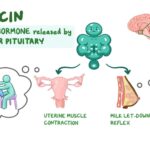
Often dubbed the "love hormone" or "cuddle chemical," oxytocin is perhaps the most crucial player in forging connection during a kiss. Released from the posterior pituitary gland, oxytocin levels rise dramatically during physical intimacy, especially kissing and hugging. Its primary roles include promoting feelings of attachment, trust, and empathy. In the context of a kiss, oxytocin helps to deepen the emotional bond between individuals, fostering a sense of closeness and reducing feelings of anxiety or fear. It’s the neurochemical glue that transforms a momentary pleasure into a lasting connection, strengthening pair-bonding and promoting social cohesion. The more intense and prolonged the kiss, the greater the oxytocin release, solidifying the emotional ties.
Norepinephrine (Adrenaline): The Exhilaration and Alertness Neurotransmitter.
Alongside dopamine, norepinephrine (also known as noradrenaline) surges during a kiss. This neurotransmitter is responsible for the "fight or flight" response, but in the context of a kiss, it manifests as heightened arousal, alertness, and a sense of exhilaration. It contributes to the racing heart, the flushed skin, and the feeling of "butterflies" in the stomach. Norepinephrine sharpens our focus, making the kissing experience feel incredibly vivid and memorable. It adds that thrilling edge, the sense of being fully alive and present in the moment.