
In the grand tapestry of human experience, few gestures are as universally recognized, deeply symbolic, and profoundly intimate as the kiss. It is a brushstroke of romance, a seal of friendship, a comforting balm, and a passionate declaration. From the fleeting peck on a cheek to the deep, soul-stirring embrace of a lover’s lips, kissing transcends language and culture, weaving itself into the very fabric of our social and emotional lives. Yet, beneath its poetic surface lies a sophisticated biochemical dance, a cascade of neurochemical reactions and physiological responses that offer far more than just emotional gratification.
For centuries, the act of kissing has been romanticized, mythologized, and celebrated in art and literature. But what if this age-old ritual holds secrets beyond the realm of sentimentality? What if the simple act of pressing lips together triggers a profound ripple effect through our bodies, influencing everything from our stress levels to our immune system? Modern science, with its ever-sharpening lens, is beginning to unveil these hidden layers, revealing that kissing is not merely a delightful social custom, but a potent, science-backed catalyst for well-being.
This article delves into the fascinating nexus between the human touch and physiological health, exploring how the seemingly simple act of kissing orchestrates a symphony of beneficial responses within us. We will journey from the initial rush of neurotransmitters, particularly the much-lauded "love hormone" oxytocin, through its far-reaching effects on stress, bonding, pain, and surprisingly, even our immunity. Prepare to discover the profound, often underestimated, power held within a kiss.
The Evolutionary Whisper: A Brief History of Lip-Locking
Before dissecting the science, it’s worth a moment to ponder the origins of this peculiar human behavior. While the exact evolutionary trajectory of kissing remains a subject of ongoing debate among anthropologists and evolutionary biologists, several compelling theories attempt to explain its prevalence. Some suggest it evolved from "pre-mastication" feeding, where mothers would chew food for their infants and pass it mouth-to-mouth, fostering a deep sense of trust and bonding. This early form of nurturing could have laid the groundwork for intimate oral contact as a symbol of care and affection.
Another theory posits that kissing is an extension of primate grooming behaviors. Just as chimpanzees meticulously groom each other to strengthen social bonds and maintain hygiene, humans might have developed kissing as a more sophisticated, symbolic form of tactile communication, particularly involving the highly sensitive lips. The lips and tongue are rich in nerve endings, making them ideal for transmitting sensory information and eliciting strong emotional and physiological responses.
Historically, kissing appears in ancient texts from various cultures. The Vedic Sanskrit texts, dating back over 3,500 years, contain references to "smelling with the mouth," which some interpret as an early description of kissing. From there, it spread, evolving culturally. While not universally practiced in all societies as a romantic gesture, some form of intimate facial or oral contact is present in most human cultures, underscoring its deep-seated significance in human interaction. This long, rich history suggests that kissing is far more than a fleeting trend; it’s an ingrained part of what makes us human, a behavior honed by millennia of social and biological evolution to serve purposes that are only now being fully understood by science.
The Neurochemical Overture: Oxytocin and Its Entourage
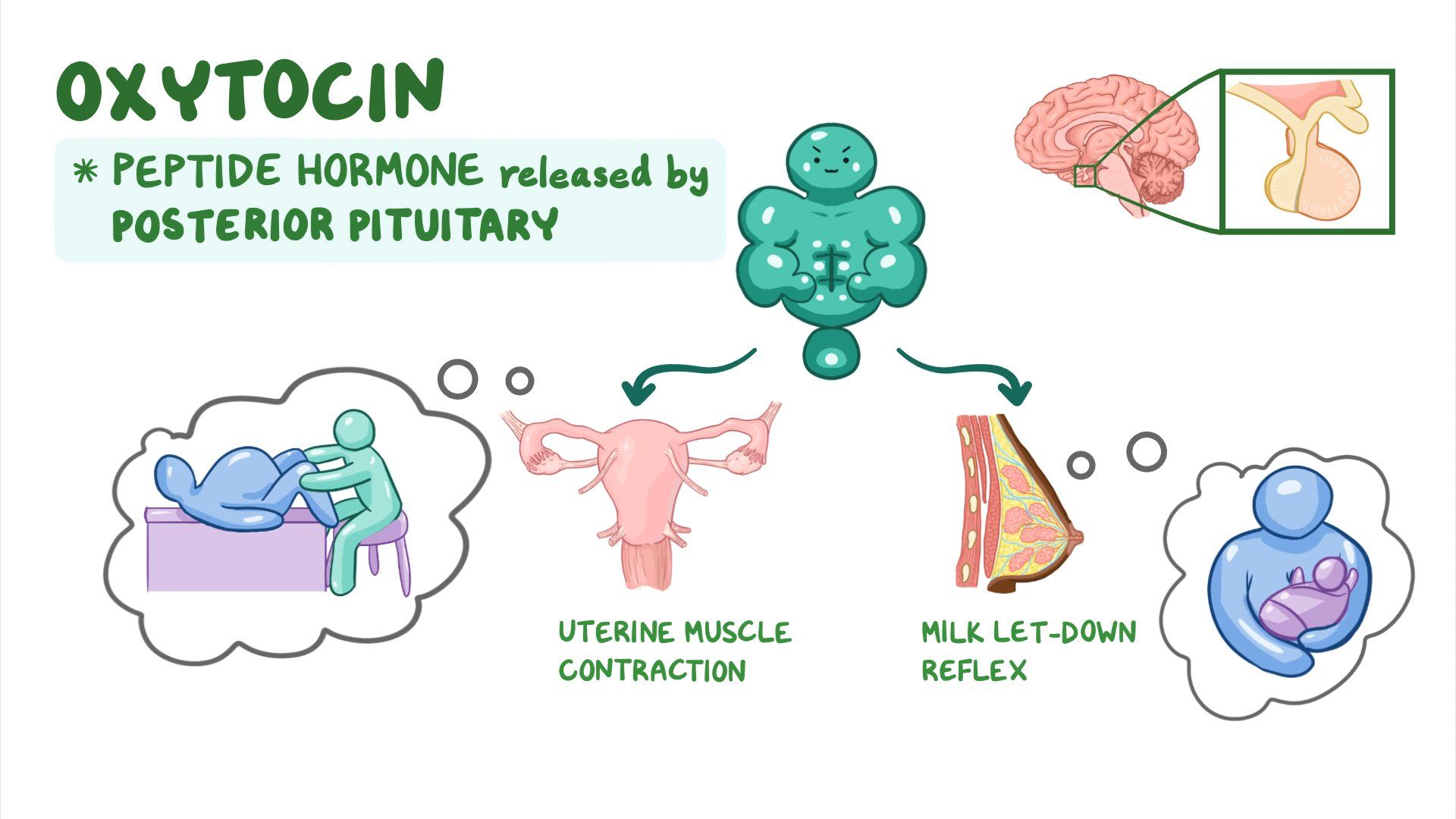
The moment lips meet, an intricate neurochemical cascade begins, initiating a rapid re-calibration of our internal state. The star of this show is arguably oxytocin, often dubbed the "love hormone" or "cuddle chemical." Produced in the hypothalamus and released by the pituitary gland, oxytocin plays a pivotal role in social bonding, trust, empathy, and sexual arousal. During a kiss, particularly one that is passionate and prolonged, oxytocin levels surge.
But oxytocin doesn’t work alone. It’s accompanied by a powerful ensemble of other neurotransmitters and hormones:
- Dopamine: This "reward chemical" is responsible for feelings of pleasure, motivation, and desire. The release of dopamine during a kiss reinforces the behavior, making us want to repeat it and associating it with positive experiences. It’s part of the brain’s natural reward system, driving us towards things that feel good and are beneficial for survival and reproduction.
- Serotonin: A mood regulator, serotonin contributes to feelings of well-being and happiness. Fluctuations in serotonin levels are implicated in mood disorders, and its release during kissing helps elevate mood and reduce feelings of anxiety.
- Endorphins: These natural painkillers and mood boosters are released during physical activity, excitement, and intimacy. Endorphins contribute to the euphoric "high" associated with kissing, reducing pain perception and creating a sense of calm and contentment.
- Adrenaline (Epinephrine) and Noradrenaline (Norepinephrine): The initial excitement of a kiss can trigger a slight release of these "fight or flight" hormones, leading to a quickening pulse, flushed cheeks, and heightened senses. This initial rush adds to the thrill and excitement, but is typically quickly modulated by the calming effects of oxytocin and endorphins.
- Cortisol: Crucially, kissing has been shown to reduce levels of cortisol, the primary stress hormone. This reduction is a cornerstone of many of the health benefits we will explore, as chronic elevated cortisol can have detrimental effects on nearly every system in the body.
This symphony of chemicals works in concert, creating a powerful physiological and psychological experience that extends far beyond the moment of contact. It is this intricate dance that lays the groundwork for the profound health benefits we are about to uncover.
From Oxytocin to Immunity: 7 Science-Backed Health Benefits of Kissing
The multifaceted chemical response triggered by kissing translates into a remarkable array of health advantages. Far from being a mere romantic indulgence, kissing emerges as a powerful, natural tool for enhancing our physical and mental well-being.
1. Stress Reduction and Anxiety Alleviation
Perhaps one of the most immediate and well-documented benefits of kissing is its profound ability to melt away stress and anxiety. The release of oxytocin plays a central role here. Oxytocin is known to downregulate the activity of the hypothalamic-pituitary-adrenal (HPA) axis, which is the body’s central stress response system. By dampening the HPA axis, oxytocin effectively reduces the production and release of cortisol, the body’s primary stress hormone.
A study published in the Archives of Sexual Behavior found that couples who engaged in more frequent affectionate kissing experienced lower levels of perceived stress and higher relationship satisfaction. The simple act of prolonged lip-locking, especially when combined with other forms of affectionate touch, acts as a potent anxiolytic (anxiety-reducing agent). It provides a comforting sensory input that signals safety and connection, overriding the brain’s stress response. This effect is not just psychological; it’s a measurable physiological shift, moving the body from a state of alert (sympathetic nervous system dominance) to one of rest and digest (parasympathetic nervous system dominance). The result is a palpable sense of calm, tranquility, and emotional security that can significantly improve overall mental resilience.
2. Enhanced Bonding and Relationship Satisfaction
This benefit is perhaps the most intuitive, yet its underlying mechanisms are deeply scientific. Oxytocin, the "bonding hormone," is released in significant quantities during kissing and other forms of intimate physical contact. This surge in oxytocin fosters feelings of attachment, trust, and intimacy between partners. It strengthens the neural pathways associated with social bonding, making individuals feel more connected and committed to each other.
Beyond oxytocin, the dopamine released during kissing creates a positive feedback loop, associating the partner and the act of kissing with pleasure and reward. This reinforcement strengthens the emotional ties and makes individuals seek out more opportunities for intimacy. Research has shown that couples who kiss more frequently report higher levels of relationship satisfaction and feel more securely attached. Kissing serves as a non-verbal affirmation of love, desire, and commitment, acting as a powerful glue that binds individuals together, enhancing emotional stability and fostering a deeper sense of partnership and mutual support. It’s a fundamental ritual that constantly reaffirms the foundation of a relationship, contributing to its longevity and health.
3. Immune System Boost Through Microbiome Exchange
This is where the science of kissing takes a fascinating and somewhat unexpected turn. When two people kiss passionately, they exchange an astonishing amount of saliva – up to 80 million bacteria in a 10-second French kiss, according to one study published in Microbiome. While this might sound alarming to the hygiene-conscious, it actually plays a crucial role in strengthening the immune system.
This exchange of microbiomes exposes individuals to a wider variety of bacteria, which can act as a natural "vaccination" of sorts. When the immune system encounters new pathogens or beneficial microbes, it learns to recognize and respond to them. This exposure can stimulate the production of antibodies, particularly immunoglobulin A (IgA) in saliva and immunoglobulin G (IgG) systemically, which are crucial for fighting off infections.