
In the bustling pantheon of superfoods and dietary trends, the humble pickle often finds itself relegated to the sidelines, a mere condiment or a nostalgic snack. Yet, beneath its crisp, tangy exterior lies a treasure trove of health benefits, steeped in history and increasingly affirmed by modern science. This isn’t just a story about a preserved cucumber; it’s a narrative of fermentation, ancient wisdom, microbial magic, and the surprising power of acetic acid, all converging to offer a delightful and genuinely beneficial addition to our plates.
For millennia, pickling was born of necessity – a ingenious method to preserve the harvest, ensuring sustenance through lean winters and long journeys. From the Mesopotamian plains where cucumbers were first pickled in 2030 BC, to the Great Wall of China, where builders consumed them for strength, and even to the seafaring voyages of explorers like Columbus, who carried them to prevent scurvy, pickles have been a steadfast companion to humanity. But beyond their practical utility, these brined wonders have been quietly working their magic on our health, a story that modern evidence is now bringing to light with exciting clarity.
Our journey into the world of pickles will not be a mere list, but an exploration, a deep dive into the scientific underpinnings that transform a simple cucumber into a powerful ally for well-being. We’ll peel back the layers of tradition and folklore to reveal seven compelling, evidence-based health benefits that beckon the discerning palate and the health-conscious mind. Prepare to look at your next dill spear with newfound respect.
1. The Gut-Brain Connection: A Symphony of Probiotics for Digestive Harmony
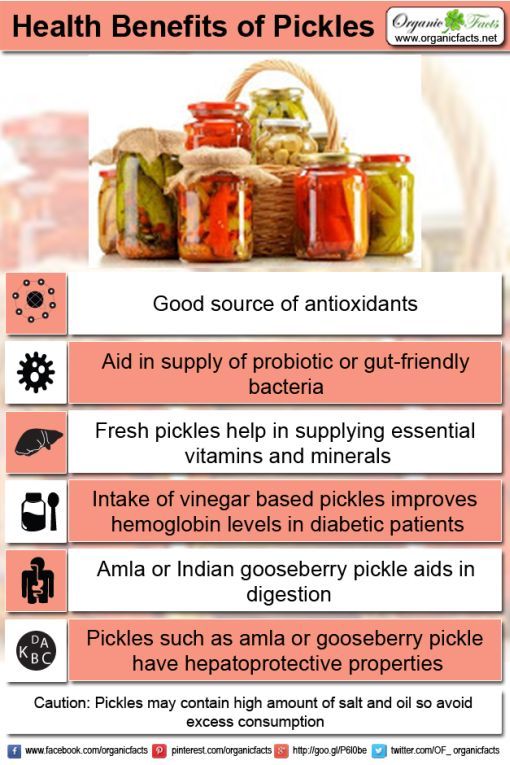
At the heart of many of the pickle’s most celebrated benefits lies the intricate world of the human gut microbiome. Not all pickles are created equal in this regard, but the star players here are fermented pickles – those made through a natural lacto-fermentation process, where beneficial bacteria (primarily Lactobacillus species) convert sugars in the cucumbers into lactic acid. This process not only preserves the vegetables and imparts their characteristic tangy flavor but also populates them with live, active cultures that are incredibly beneficial for gut health.
Imagine your gut as a bustling metropolis, teeming with trillions of microorganisms – bacteria, fungi, viruses, and more. This ecosystem, your microbiome, plays a pivotal role in digestion, nutrient absorption, and even immune function. When this delicate balance is disrupted, issues like indigestion, bloating, and even more systemic problems can arise. Fermented pickles, rich in probiotics, act as benevolent citizens entering this metropolis, helping to restore order and enhance its functionality.
The Evidence: Numerous studies have highlighted the profound impact of probiotics on the gut microbiome. They work by:
- Restoring Balance: Probiotics introduce beneficial bacteria that can outcompete harmful pathogens, helping to re-establish a healthy microbial diversity.
- Aiding Digestion: Specific strains can produce enzymes that assist in breaking down food, reducing symptoms like gas and bloating, and improving nutrient absorption.
- Strengthening the Gut Barrier: Probiotics can help reinforce the integrity of the intestinal lining, preventing "leaky gut" syndrome, where undigested food particles and toxins can escape into the bloodstream.
- Modulating Immune Response: A significant portion of our immune system resides in the gut. A healthy microbiome, bolstered by probiotics, can enhance the body’s defense mechanisms, making us more resilient to infections and potentially reducing the risk of autoimmune conditions.
But the benefits don’t stop at the gut itself. The "gut-brain axis" is a burgeoning field of research demonstrating a bidirectional communication pathway between the gut and the brain. A healthy gut, supported by probiotics from fermented pickles, can positively influence mood, cognitive function, and even reduce stress and anxiety. The gut produces many neurotransmitters, including serotonin (a key mood regulator), and its health directly impacts their production and signaling.
The Story: Think of the gut as the second brain, constantly sending signals to the first. By consuming fermented pickles, we are essentially sending a steady stream of good news to this second brain, fostering an environment where clarity, calm, and robust health can thrive. It’s a quiet revolution happening within, driven by microscopic allies.
Important Note: It is crucial to distinguish between naturally fermented pickles and those made with vinegar and heat-pasteurized. While vinegar pickles offer other benefits (which we’ll discuss), they typically lack the live probiotic cultures found in raw, naturally fermented varieties. Always check labels for terms like "fermented," "live cultures," or "unpasteurized" to ensure you’re getting the probiotic punch.
2. Antioxidant Powerhouse: Battling Oxidative Stress and Cellular Damage
Beyond their microbial marvels, pickles, particularly the humble cucumber from which they derive, are potent sources of antioxidants. The pickling process itself, while sometimes involving heat, can also concentrate certain compounds or even create new ones with antioxidant properties, especially in fermented varieties.
Antioxidants are our body’s tireless defenders against oxidative stress, a process caused by an imbalance between the production of free radicals and the body’s ability to counteract their harmful effects. Free radicals are unstable molecules that can damage cells, DNA, and proteins, contributing to aging and a host of chronic diseases, including heart disease, cancer, and neurodegenerative disorders.
Cucumbers themselves are rich in several types of antioxidants, including:
- Flavonoids: Plant compounds known for their anti-inflammatory and antioxidant effects.
- Tannins: Polyphenolic compounds that also contribute to the unique flavor profile and possess strong antioxidant properties.
- Vitamin C: A well-known antioxidant that plays a crucial role in immune function and collagen production.
The pickling process, especially traditional fermentation, can sometimes enhance the bioavailability of these antioxidants or lead to the formation of new ones. For instance, the lactic acid bacteria involved in fermentation can break down complex plant compounds, making their antioxidant components more accessible to the body.
The Evidence: Research consistently supports the role of dietary antioxidants in mitigating oxidative stress. By scavenging free radicals, these compounds help protect cells from damage, reduce inflammation, and support overall cellular health. A diet rich in fruits and vegetables, including pickled ones, is a cornerstone of preventing chronic diseases linked to oxidative damage.