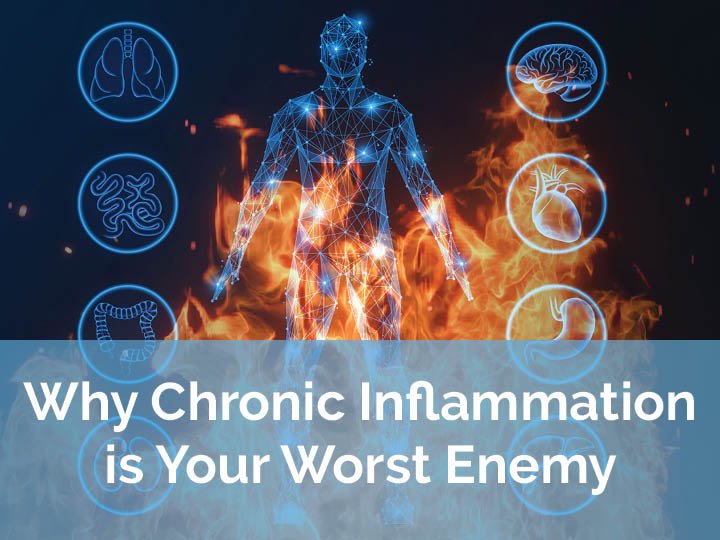

We live in an era of unprecedented medical advancement, yet a silent epidemic continues to plague millions, often subtly, insidiously, until its grip becomes undeniable. This adversary is chronic inflammation, a relentless biological fire smoldering within the body, eroding health, and setting the stage for a host of debilitating chronic ailments. From heart disease and diabetes to neurodegenerative disorders and autoimmune conditions, chronic inflammation is the common thread, the underlying architect of suffering. But what if the most potent weapon against this pervasive enemy isn’t a new drug or a complex medical procedure, but something far more fundamental, innate, and universally accessible? What if the answer lies in the profound, restorative power of sleep?
This isn’t merely about feeling rested; it’s about activating a nightly defense system, a sophisticated physiological ballet that actively repairs, recalibrates, and re-establishes the body’s anti-inflammatory balance. To understand how sleep becomes inflammation’s worst enemy, we must first appreciate the nature of the foe itself, then delve into the intricate nocturnal processes that turn our slumber into a powerful shield against disease. This is the story of how reclaiming our nights can redefine our days, transforming our health and resilience in the face of modern life’s inflammatory challenges.
The Silent Scourge: Unmasking Chronic Inflammation
Inflammation, in its acute form, is a vital protective mechanism. When you cut your finger, twist an ankle, or battle a cold, your immune system dispatches an army of white blood cells and biochemicals to the site of injury or infection. The redness, swelling, heat, and pain are all signs of this immediate, localized response – a necessary battle to heal and protect. Once the threat is neutralized, the inflammation subsides, leaving behind repaired tissue and renewed health. This is inflammation as a hero, a swift and efficient responder.
The problem arises when this heroic response overstays its welcome, becoming chronic. Unlike acute inflammation, which is typically localized and short-lived, chronic inflammation is a low-grade, persistent, systemic response that can linger for months or even years. It often lacks the overt symptoms of its acute counterpart, making it a "silent scourge." You might not feel a burning pain or see swelling, but internally, the inflammatory cascade is continuously active, like a persistent ember slowly consuming its surroundings.
What fuels this internal fire? A myriad of factors, both internal and external. Lifestyle choices play a significant role: diets high in processed foods, sugar, and unhealthy fats; a sedentary lifestyle; chronic stress; exposure to environmental toxins; and, crucially, inadequate sleep. Autoimmune conditions, where the immune system mistakenly attacks the body’s own tissues, are also a major driver. Obesity is another powerful inflammatory engine, with fat cells actively secreting pro-inflammatory cytokines.
The consequences of this prolonged internal skirmish are devastating and far-reaching. Chronic inflammation is implicated in:
- Cardiovascular Disease: Contributing to arterial plaque formation (atherosclerosis), hypertension, and increasing the risk of heart attacks and strokes.
- Metabolic Syndrome & Type 2 Diabetes: Driving insulin resistance and impairing glucose metabolism.
- Neurodegenerative Diseases: Playing a role in the progression of Alzheimer’s disease, Parkinson’s disease, and other cognitive declines through neuroinflammation.
- Autoimmune Conditions: Exacerbating conditions like rheumatoid arthritis, lupus, inflammatory bowel disease, and multiple sclerosis.
- Certain Cancers: Creating a microenvironment conducive to tumor growth and progression.
- Mood Disorders: Linked to depression and anxiety through its impact on brain chemistry and function.
- Chronic Pain: Amplifying pain perception and contributing to conditions like fibromyalgia.
Understanding the pervasive nature of chronic inflammation is the first step toward recognizing the urgency of finding effective countermeasures. And it is here, in the quietude of the night, that one of our most potent weapons lies waiting to be fully utilized.
The Nightly Battle: How Sleep Becomes Inflammation’s Foe
Sleep is far more than just a period of rest for the body and mind. It is an active, complex physiological state during which critical repair, restoration, and regulatory processes occur. It is, in essence, the immune system’s night shift, a time when our body mobilizes its anti-inflammatory defenses and orchestrates a comprehensive cellular cleanup.
1. The Immune System’s Night Shift: Orchestrating Cytokines
At the heart of the inflammatory response are signaling molecules called cytokines. These proteins act as messengers, telling immune cells what to do and where to go. Some cytokines are pro-inflammatory (e.g., Interleukin-6 (IL-6), Tumor Necrosis Factor-alpha (TNF-alpha), C-reactive protein (CRP)), initiating and sustaining inflammation. Others are anti-inflammatory (e.g., Interleukin-10 (IL-10)), working to dampen the response and restore balance.
During adequate, restorative sleep, the body actively works to reduce the levels of pro-inflammatory cytokines and increase the production of anti-inflammatory ones. Studies consistently show that even a single night of sleep deprivation can lead to a significant increase in circulating IL-6 and TNF-alpha, along with CRP – all markers of systemic inflammation. Chronically restricted sleep maintains these elevated levels, effectively keeping the inflammatory fire burning.
Conversely, deep sleep, particularly slow-wave sleep (SWS), is associated with a surge in growth hormone and a reduction in cortisol (the stress hormone). Growth hormone is crucial for tissue repair and regeneration, processes that inherently reduce the need for inflammatory responses. Cortisol, while acutely anti-inflammatory, can become pro-inflammatory when chronically elevated, a common outcome of sleep deprivation and stress.
2. Hormonal Harmony: Cortisol, Melatonin, and Growth Hormone
Sleep plays a critical role in regulating several key hormones that directly influence inflammation:
- Cortisol: This "stress hormone" from the adrenal glands follows a natural circadian rhythm, peaking in the morning to wake us up and gradually decreasing throughout the day, reaching its lowest point during the early stages of sleep. This nocturnal dip is vital for allowing the immune system to perform its restorative functions. Sleep deprivation disrupts this rhythm, leading to elevated evening cortisol levels, which can suppress beneficial immune functions while promoting chronic inflammation.
- Melatonin: Produced primarily in the pineal gland, melatonin is famously known as the "sleep hormone." However, it is also a powerful antioxidant and anti-inflammatory agent. Melatonin scavenges free radicals, protecting cells from oxidative damage, which is a significant trigger for inflammation. Its production peaks during deep sleep in darkness, making quality sleep indispensable for harnessing its anti-inflammatory benefits.
- Growth Hormone (GH): Secreted mainly during deep sleep, GH is essential for cellular repair, regeneration, and immune system function. It helps repair tissues damaged by daily wear and tear and inflammatory processes. A lack of deep sleep significantly curtails GH release, hindering the body’s ability to heal and promoting a pro-inflammatory state.