
The modern world, with its relentless pace, processed foods, and pervasive stress, has declared an undeclared war on our digestive systems. Bloating, that insidious and often painful distension, has become an unwelcome companion for millions, a silent tormentor that undermines comfort, confidence, and overall well-being. It’s a feeling of being perpetually full, heavy, and often gassy, a sensation that can transform a simple meal into an hour-long ordeal and a peaceful evening into a restless night.
For many, the quest for relief is a convoluted journey through a labyrinth of restrictive diets, expensive supplements, and fleeting fads. We search for a miracle, a potent remedy capable of cutting through the discomfort and restoring the harmony that once characterized our gut. And often, as with many of life’s profound solutions, the answer lies not in complex chemical formulations or exotic, hard-to-find ingredients, but in the vibrant, unassuming embrace of nature itself.
Imagine a solution so simple, so accessible, and so profoundly effective that it requires merely ten minutes of your time. A ritual, if you will, that promises to transform your post-meal discomfort into serene satisfaction, to deflate the balloon of bloating, and to usher in an era of digestive peace. This is not a fanciful dream, but a tangible reality offered by a radiant harbinger of tropical vitality: the papaya.
This article delves into the remarkable saga of the papaya, an unsung hero in the battle against digestive distress. We will embark on a journey that spans continents and centuries, uncovering the scientific marvels hidden within its sweet, orange flesh, and revealing how a mere ten minutes of mindful consumption can revolutionize your relationship with food and your own body. For the discerning and knowledgeable audience, we will dissect the biochemical mechanisms, explore its historical significance, and contextualize its role within the broader landscape of holistic digestive health, painting a comprehensive picture of why this humble fruit truly deserves the The Bloat Buster.
The Modern Predicament: A Gut Under Siege
Before we crown our hero, it’s essential to understand the villain. Bloating is not merely an inconvenience; it’s often a symptom, a distress signal from a digestive system struggling to cope. In our fast-paced lives, several factors converge to create a perfect storm for gut discomfort:
- The Standard Western Diet: Rich in refined sugars, unhealthy fats, processed ingredients, and low in fiber, this dietary pattern actively disrupts the delicate balance of the gut microbiome. It feeds detrimental bacteria, promotes inflammation, and provides little of the essential roughage needed for smooth transit.
- Stress and the Gut-Brain Axis: The intricate connection between our brain and gut means that chronic stress directly impacts digestion. It can slow down gut motility, alter stomach acid production, and even change the composition of gut bacteria, all contributing to bloating, gas, and indigestion.
- Hasty Eating Habits: Rushing through meals, not chewing thoroughly, and eating on the go introduces excess air into the digestive tract, a primary culprit for gas and distension. Furthermore, inadequate chewing puts extra strain on the stomach and small intestine, as larger food particles are harder to break down.
- Enzyme Insufficiency: As we age, or due to certain lifestyle factors, our bodies may produce fewer digestive enzymes. These crucial biological catalysts are responsible for breaking down food into absorbable nutrients. Without enough, food ferments in the gut, leading to gas and bloating.
- Gut Dysbiosis: An imbalance in the gut microbiome, where harmful bacteria outnumber beneficial ones, can lead to excessive gas production, inflammation, and impaired nutrient absorption, all culminating in a bloated sensation.
- Food Intolerances and Sensitivities: Many individuals unknowingly consume foods they are sensitive to, such as lactose, gluten, or FODMAPs, triggering inflammatory responses and digestive upset that manifest as bloating.
This confluence of factors has left many feeling perpetually unwell, searching for an antidote to the digestive chaos that has become their norm. The desire is not just for relief, but for restoration – a return to the natural ease and comfort that digestion should embody.
Enter the Hero: The Papaya’s Grand Entrance
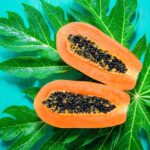
Imagine a fruit, sun-kissed and plump, with a skin that transitions from verdant green to a vibrant sunset orange as it ripens. Slice it open, and you’re greeted by a cavity brimming with glistening black seeds, surrounded by a succulent, fragrant flesh ranging from pale yellow to a deep, inviting coral. This is Carica papaya, a botanical marvel native to the tropical climes of Central America and Southern Mexico, now cultivated across the globe.
More than just a feast for the eyes and the palate, the papaya holds a secret weapon, a profound enzymatic power that has been recognized by indigenous cultures for centuries and is now being validated by modern science. It’s not just a fruit; it’s a digestive ally, a natural wonder poised to offer profound relief.
The Science Unveiled: Papaya’s Biochemical Brilliance
The true magic of papaya lies deep within its cellular structure, particularly in its rich concentration of specific proteolytic enzymes. These aren’t just any enzymes; they are precisely what your body needs when struggling to break down the complex proteins that often contribute to digestive distress.
The Proteolytic Powerhouses: Papain and Chymopapain
The stars of the show are undoubtedly papain and chymopapain. These are cysteine proteases, a class of enzymes that specialize in breaking down proteins into smaller peptides and amino acids. Think of them as tiny, highly efficient molecular scissors, adept at snipping the bonds that hold large protein molecules together.
- How They Work: When you consume papaya, especially after a meal, papain and chymopapain get to work in your digestive tract. Unlike some human digestive enzymes that require specific acidic environments (like pepsin in the stomach), papain is remarkably versatile, active across a wide pH range, meaning it can function effectively in various parts of the digestive system. This adaptability is key to its efficacy.
- Targeting Protein Digestion: Many of us struggle to fully digest proteins, particularly from meat, dairy, or legumes. When proteins are not adequately broken down in the stomach and small intestine, they can pass into the large intestine where they become fodder for undesirable bacteria. This bacterial fermentation of undigested proteins produces gases like hydrogen sulfide and ammonia, leading to bloating, flatulence, and a feeling of heaviness. Papain steps in, pre-digesting these proteins, effectively lightening the load on your body’s own digestive enzymes and preventing this putrefactive process.
- Beyond the Gut: While their primary role in digestion is paramount, papain and chymopapain have broader systemic benefits. Papain is known for its anti-inflammatory properties and has been used topically for wound healing and internally to reduce inflammation throughout the body. Chymopapain has even been explored in medical contexts for its ability to dissolve herniated disc material. This speaks to the profound biochemical activity of these enzymes.
- The Unripe Advantage: Interestingly, the highest concentration of papain is found in unripe papaya. This is why traditional medicine often utilizes the latex from green papaya for its most potent enzymatic effects, and why some cultures consume slightly green papaya in salads or cooked dishes to aid digestion. However, ripe papaya still contains significant levels of these enzymes, especially closer to the skin, making it an excellent, more palatable choice for daily consumption.