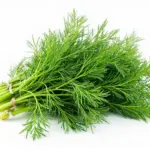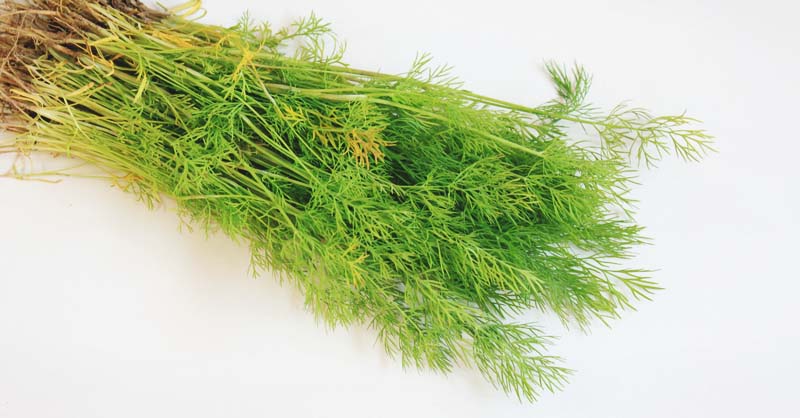

The story of flavour often begins with the grand, the bold, the dramatic. We celebrate the fiery kick of chili, the pungent depth of garlic, the earthy embrace of rosemary. Yet, often, it is the quiet protagonists, the subtle whisperers of the herb garden, that hold the true power to transform, to elevate, to enchant. Among these unassuming heroes, the slender, feathery fronds of dill stand as a testament to the profound influence of the seemingly small.
Dill, or Anethum graveolens, is not merely an ingredient; it is an aromatic journey, a historical whisper, a culinary chameleon that has graced tables and medicine chests for millennia. Its name itself, derived from the Old Norse word "dylla," meaning "to soothe" or "lull," hints at a legacy far deeper than its delicate appearance suggests. To truly appreciate dill is to understand its narrative, a tapestry woven through ancient remedies, folklore, and the gastronomic traditions of cultures spanning continents.
Imagine a summer breeze carrying the scent of a garden – not the heady perfume of roses, but a clean, green, almost ethereal aroma, a blend of fresh grass, a hint of citrus, and a whisper of anise. That, my friends, is the essence of dill. It’s a scent that promises freshness, brightness, and a gentle complexity. For too long, perhaps, dill has been relegated to the sidelines, typecast as the indispensable partner to salmon or the defining note in a pickle jar. While these roles are iconic, they barely scratch the surface of dill’s vast potential.
Today, we embark on an exploration, a deep dive into the verdant heart of this magnificent herb. We will uncover not just its flavour profile, but its historical gravitas, its surprising nutritional might, and its unparalleled versatility. This is a story of how small leaves, indeed, make a big impact. Here are seven compelling reasons why dill deserves not just a place, but a starring role in your culinary repertoire, starting today.
The Ancient Whisper: Dill Through the Ages
Before we delve into its modern culinary applications, it’s imperative to understand the rich historical tapestry that dill has woven. Its journey is one of myth, medicine, and enduring cultural significance.
Dill’s roots stretch back to antiquity. Evidence suggests its use by the ancient Egyptians as early as 3000 BC, not just as a flavouring, but as a medicinal herb, a breath freshener, and even as a magical ingredient. Hieroglyphics depict dill in funerary texts, hinting at its perceived protective or soothing properties in the afterlife. The Greeks, too, revered dill, calling it "anethon." They believed it brought good fortune, placed sprigs over their eyes to induce sleep, and used its essential oil in massage to soothe aching muscles. Roman gladiators were said to rub dill oil on their bodies, believing it brought strength and courage.
Through the Middle Ages, dill continued its dual role. It was a common ingredient in European kitchens, prized for its ability to cut through the richness of meats and dairy, and was particularly cherished in Scandinavian and Eastern European cuisines. Simultaneously, its medicinal reputation flourished. Herbalists prescribed dill water for indigestion, colic in infants, and to promote lactation. Beyond the practical, dill entered the realm of folklore and superstition. It was hung over doorways to ward off evil spirits, used in love potions, and carried in sachets to protect against witchcraft. Its calming properties were so well-known that it was often given to children to quiet them, earning it the endearing moniker "dill-seed for the crybabies."
This rich lineage, from ancient Egyptian remedies to medieval charms, from Roman arenas to Scandinavian kitchens, imbues dill with a certain gravitas. It’s not just an herb; it’s a living piece of history, carrying the echoes of generations who understood its quiet power. This historical understanding enriches our appreciation, transforming a simple sprig of dill into a connection to an unbroken chain of human experience.
1. Unparalleled Freshness and Aromatic Brightness
At the heart of dill’s appeal is its utterly unique flavour and aroma. To truly appreciate it, one must experience it fresh, plucked from a garden or a vibrant market stall. Crush a few fronds between your fingers, and you’re met with an immediate, clean burst – a symphony of green, herbaceous notes underscored by a delicate sweetness and a hint of something akin to caraway or fennel, yet distinctly its own. It’s often described as bright, grassy, slightly anisy, and citrusy, all without being overwhelming.
This singular freshness is dill’s culinary superpower. It possesses an uncanny ability to lift and lighten dishes, cutting through richness and adding a vibrant top note that awakens the palate. Think of it as the culinary equivalent of a perfectly placed high note in a musical composition – it adds sparkle and clarity without dominating the melody.
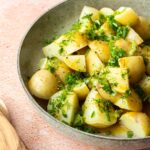
Consider the classic pairings: the fatty richness of salmon finds its perfect counterpoint in dill’s clean bite, transforming a potentially heavy dish into something elegant and ethereal. A creamy potato salad, often dense and comforting, becomes lively and invigorating with a generous scattering of fresh dill. Even a simple cucumber salad, often unassuming, is elevated to a refreshing masterpiece by dill’s verdant charm.
This brightness isn’t just about flavour; it’s about sensation. Dill adds a textural element too, its delicate fronds providing a visual lightness and a soft, almost ephemeral mouthfeel. It brings a "clean" finish to the palate, making it an ideal companion for dairy-based dishes like yogurt sauces, sour cream dressings, and creamy cheeses. Its presence suggests sunshine, open fields, and the invigorating spirit of spring and summer, even in the depths of winter. To cook with dill is to infuse your food with an immediate sense of vitality and an undeniable aromatic elegance.
2. A Nutritional Powerhouse in Miniature
Beyond its delightful flavour, dill hides a surprising secret: it is a veritable nutritional powerhouse, punching well above its delicate weight class. While we typically consume dill in smaller quantities compared to vegetables, its concentrated nutrient profile means that even a modest addition contributes significantly to your overall well-being.
Dill is an excellent source of vitamin C, a potent antioxidant crucial for immune function, collagen synthesis, and protecting cells from oxidative stress. It also provides a good amount of vitamin A, primarily in the form of beta-carotene, which is vital for vision, skin health, and immune support. Think of those vibrant green fronds as tiny factories producing these essential micronutrients.
Furthermore, dill is rich in manganese, an essential trace mineral involved in bone health, metabolism, and antioxidant defense. It also contributes iron, important for oxygen transport in the blood, and calcium, vital for strong bones and teeth. These minerals, though present in smaller amounts, accumulate over regular consumption, making dill a valuable addition to a nutrient-dense diet.
Perhaps one of dill’s most significant contributions is its impressive array of antioxidants. These include flavonoids like vicenin and anethofuran, as well as monoterpenes such as carvone and limonene. Antioxidants are the body’s natural defense against free radicals, unstable molecules that can damage cells and contribute to chronic diseases. By incorporating dill into your cooking, you’re not just adding flavour; you’re arming your body with tiny, potent defenders, contributing to cellular health and overall longevity. It’s a subtle yet profound act of self-care, disguised as deliciousness.
3. Digestive Aid and Soothing Properties
The Old Norse root "dylla" – to soothe – wasn’t just a poetic flourish; it pointed to a deeply ingrained understanding of dill’s calming and digestive properties. For centuries, across various cultures, dill has been a go-to remedy for a range of gastrointestinal complaints, a tradition that modern science is beginning to corroborate.
Dill’s efficacy as a digestive aid stems largely from its volatile oils, particularly carvone and limonene. These compounds possess carminative properties, meaning they help to relieve gas and bloating by promoting the expulsion of intestinal gas. They can also stimulate the secretion of digestive juices, aiding in the breakdown of food and improving nutrient absorption. This is why dill is a frequent companion to dishes that might otherwise feel heavy or lead to discomfort, such as rich meats or legume-based meals.
Think of the traditional post-meal dill tea, often given to children for colic or adults for indigestion. It’s a gentle yet effective way to ease digestive distress. The antispasmodic properties of dill’s compounds can also help relax the smooth muscles of the digestive tract, alleviating cramps and discomfort. This makes it particularly beneficial for those prone to irritable bowel syndrome (IBS) or general gut sensitivity.
Beyond physical digestion, dill has a subtle calming effect on the nervous system. The gentle aroma and flavour can contribute to a sense of well-being, which indirectly supports healthy digestion (the gut-brain connection is powerful). So, when you add dill to your meal, you’re not just enhancing its taste; you’re engaging in a time-honoured practice of nourishing and soothing your body, a silent act of digestive kindness that makes every meal more enjoyable and less taxing.
4. Versatility Across Global Cuisines
To pigeonhole dill as solely a Scandinavian or Eastern European herb would be to commit a profound injustice to its global reach and adaptability. While its association with gravlax, borscht, and pickles is undeniable and beloved, dill’s influence extends far beyond these familiar culinary landscapes, demonstrating a remarkable versatility that crosses cultural boundaries.
Journey eastward, and you’ll find dill weaving its magic in Middle Eastern and North African cuisines. In Turkish cooking, it graces cacık (a refreshing yogurt and cucumber dip, akin to tzatziki) and adds depth to vegetable stews and pilafs. Persian cuisine incorporates dill into vibrant rice dishes like shivid polo (dill rice) and herb-filled frittatas known as kuku sabzi. Its freshness balances the richness of lamb and lentil dishes, providing a herbaceous lift.
Venturing further to India, dill, known as suva or sabsige, takes on a different character. It’s often cooked into dals (lentil stews), stir-fried with vegetables like potatoes (aloo suva), or used in flatbreads. Here, its slightly anisy notes meld beautifully with the complex spice profiles, adding an unexpected layer of aroma and brightness without clashing with the stronger flavours.
In Mediterranean cooking, beyond the ubiquitous tzatziki of Greece, dill finds its way into fish preparations, vegetable bakes, and fresh salads. Its affinity for seafood is universal, and Mediterranean coastal regions leverage this perfectly. Even in some parts of Central and South America, particularly in regions influenced by European immigration, dill appears in unexpected preparations, adding a fresh, herbaceous counterpoint to local ingredients.