
In the tapestry of human history, few plants have woven themselves so intimately into our culinary and medicinal traditions as the humble dill. Anethum graveolens, as it is known to botanists, is far more than just a garnish for salmon or a defining flavor in pickles. It is a venerable botanical ally, a verdant whisper from ancient gardens that, with each delicate frond and potent seed, carries a profound legacy of digestive wisdom. From the moment its feathery leaves unfurl in the spring sunshine to the subtle release of its aromatic compounds within our bodies, dill embarks on a remarkable journey – a journey from the garden bed directly to the complex ecosystem of our gut, where it orchestrates a symphony of healing and harmony.
This is the story of dill, not just as an ingredient, but as a sophisticated biological tool that has for millennia offered solace to troubled stomachs and brought balance to our inner workings. For the knowledgeable seeker of natural wellness, understanding dill means delving beyond its superficial charm, exploring its rich history, its intricate biochemistry, and the precise mechanisms by which it supports one of the body’s most vital and often overlooked systems: digestion.
Chapter 1: An Ancient Green Legacy – Dill Through the Ages
The narrative of dill begins not in a modern herb garden, but in the sun-baked lands of ancient Egypt and Mesopotamia. Its name, Anethum, is derived from the Greek "anēthon," itself likely rooted in an Egyptian word for a plant used to soothe. The term "dill" comes from the Old Norse "dylla," meaning "to soothe" or "to lull," a testament to its long-recognized calming properties. This etymological heritage alone hints at its profound relationship with human well-being, particularly in alleviating discomfort.
Evidence of dill’s use dates back to at least 1500 BC, with papyri from ancient Egypt detailing its medicinal applications, often alongside other aromatic herbs. The Egyptians valued it for its carminative properties, using it to alleviate flatulence and indigestion, much as we do today. They also incorporated it into rituals and as an ingredient in soothing balms.
The ancient Greeks and Romans, ever appreciative of both culinary and medicinal excellence, readily adopted dill. Hippocrates, the father of medicine, prescribed it for stomach ailments, while the Romans used it to flavor wine and as a breath freshener. Roman gladiators were said to anoint themselves with dill oil, believing it brought strength and good fortune, though its primary benefit was likely its soothing effect on muscles and its distinctive aroma.
As empires rose and fell, dill migrated across continents, carried by traders, soldiers, and settlers. In medieval Europe, it became a staple in apothecaries and kitchens alike. Monks cultivated it in monastery gardens, recognizing its value for digestive complaints, sleeplessness, and even as a charm against witchcraft. It was a common ingredient in "gripe water" for infants, a tradition that persists in many cultures even now, underscoring its long-standing reputation as a gentle digestive aid for the most sensitive of systems.
The enduring presence of dill across millennia and diverse cultures is not merely a matter of culinary preference; it is a powerful testament to its consistent efficacy. Its story is one of sustained human interaction, where generations have intuitively reached for this feathery green plant to bring comfort and order to the often-turbulent world within their gut. This deep historical roots provide the essential backdrop for understanding its continued relevance in modern wellness.
Chapter 2: The Botanical Blueprint – Understanding Anethum graveolens
To truly appreciate dill’s digestive prowess, one must first understand the plant itself. Anethum graveolens belongs to the Apiaceae family, a vast and important group that includes other culinary and medicinal giants such as carrots, celery, parsley, fennel, and coriander. This familial connection is significant, as many members of the Apiaceae family are renowned for their aromatic compounds and digestive benefits, sharing common phytochemical traits.
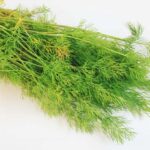
Dill is an annual herb, typically growing to a height of 2 to 4 feet (60-120 cm). Its slender, hollow stems branch out, bearing delicate, feathery leaves that are finely divided, almost thread-like, giving the plant a graceful, airy appearance. These leaves are the fresh "dill weed" commonly used in cooking. As the plant matures, it produces umbrella-shaped flower heads, known as umbels, which are composed of numerous small, yellow flowers. These flowers eventually give way to flat, oval, light brown seeds, rimmed with a papery wing. These dill seeds, with their distinctively stronger, slightly bitter flavor, are a concentrated source of many of the plant’s beneficial compounds and are often used differently from the fresh leaves.
Cultivation of dill is relatively straightforward, thriving in full sun and well-drained soil. It is native to southwestern Asia and the Mediterranean region but has naturalized in many parts of the world, reflecting its adaptability and widespread adoption. From the home garden to large-scale agricultural operations, dill’s ease of growth ensures its accessibility.
It is crucial for the knowledgeable audience to distinguish between the fresh leaves (dill weed) and the dried seeds. While both parts of the plant offer digestive benefits, their chemical compositions, and thus their primary applications, differ. Fresh dill weed is rich in volatile oils, lending it a delicate, slightly sweet, and tangy flavor, making it excellent for immediate consumption and lighter dishes. Dill seeds, however, contain a higher concentration of certain essential oil components, particularly carvone, giving them a more robust, pungent, and slightly anise-like aroma and flavor. This concentration makes the seeds particularly effective for medicinal preparations like teas and tinctures, and for dishes requiring a longer cooking time, such as pickles or stews. Understanding these botanical nuances allows for a more targeted and effective application of dill’s digestive gifts.
Chapter 3: The Phytochemical Symphony – Unveiling Dill’s Active Compounds
The true magic of dill, and indeed of most medicinal plants, lies in its complex array of bioactive compounds. For the knowledgeable audience, it’s not enough to simply state that dill is "good for digestion"; one must explore why. Dill’s efficacy stems from a sophisticated phytochemical symphony, where various compounds work synergistically to exert their therapeutic effects.
The most prominent contributors to dill’s aroma and medicinal properties are its essential oils, which can constitute up to 4% of the dry weight of the seeds. The primary compounds within these oils include:
- Carvone (L-carvone and D-carvone): This monoterpene is arguably the most significant active compound, especially in dill seeds. It is responsible for dill’s characteristic aroma and possesses potent carminative and antispasmodic properties. Carvone helps relax the smooth muscles of the digestive tract, which is crucial for alleviating cramps and expelling trapped gas.
- D-limonene: Found in both leaves and seeds, limonene is also present in citrus peels. It contributes to dill’s fresh aroma and is known for its anti-inflammatory, antioxidant, and potential antacid effects.
- α-Phellandrene: Another monoterpene with a pleasant, minty-peppery aroma, contributing to the overall flavor profile and potentially to anti-inflammatory actions.
- Myristicin: A phenylpropene, also found in nutmeg. It has a distinctive aroma and may contribute to some of dill’s more subtle effects.
- Anethofuran: A furanocoumarin derivative that also plays a role in the overall aromatic and therapeutic profile.
Beyond the volatile essential oils, dill also contains a wealth of other beneficial compounds:
- Flavonoids: These powerful antioxidants include quercetin, kaempferol, and vicenin. Flavonoids are well-known for their anti-inflammatory properties, which can be highly beneficial for soothing an irritated gut lining and reducing inflammation associated with conditions like IBS. They also contribute to the plant’s overall protective effects against oxidative stress.
- Coumarins: These compounds, while present in smaller amounts, can contribute to dill’s potential anti-inflammatory and mild anticoagulant effects.
- Phenolic Acids: Such as caffeic acid and chlorogenic acid, which further enhance dill’s antioxidant capacity, protecting gut cells from damage.
- Triterpenes and Steroids: These compounds can have various biological activities, including anti-inflammatory and adaptogenic effects, supporting overall cellular health.