
The Silent Tide: Navigating the Peril of Hypertension
In the intricate tapestry of human physiology, few threads are as vital and yet as vulnerable as the cardiovascular system. At its core lies the rhythmic pump of the heart, propelling life-sustaining blood through a vast network of arteries, capillaries, and veins. The force exerted by this blood against the walls of these vessels is known as blood pressure – a fundamental metric of health, a silent guardian when balanced, and a relentless adversary when thrown into disarray.
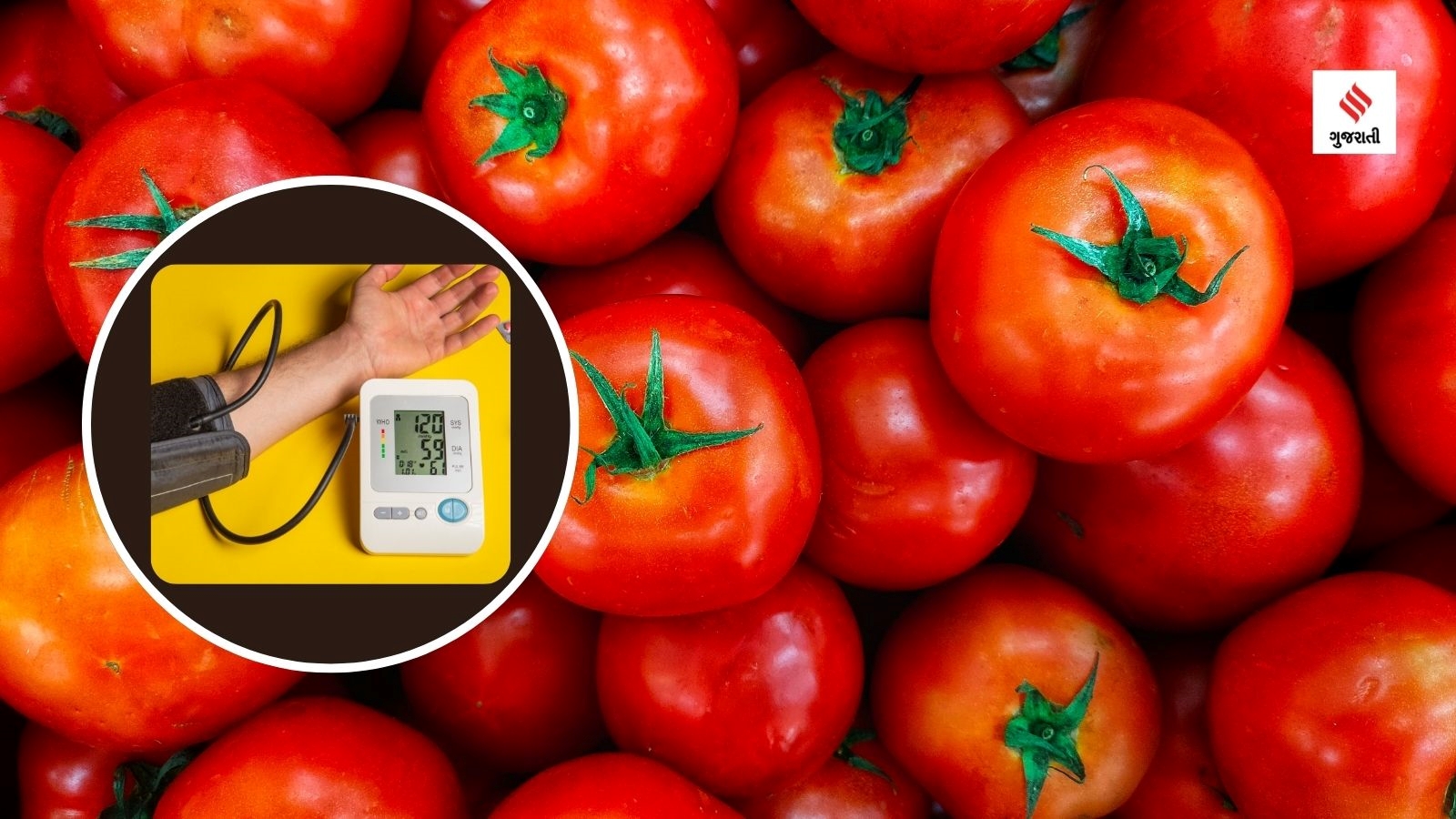
For millions across the globe, this delicate balance is disrupted by a condition known as hypertension, or high blood pressure. It is a silent epidemic, often manifesting without discernible symptoms until it has already inflicted significant damage. Globally, hypertension affects an estimated 1.28 billion adults aged 30-79 years, and its prevalence continues to climb, casting a long shadow over public health. The consequences are dire: uncontrolled high blood pressure is a primary risk factor for heart attacks, strokes, kidney disease, and other debilitating cardiovascular events. It quietly erodes the resilience of arteries, forcing the heart to work harder, leading to hypertrophy and eventual failure. It stiffens vessels, impairs endothelial function – the crucial lining of blood vessels responsible for regulating tone and clotting – and accelerates the insidious process of atherosclerosis.
The narrative of hypertension is one of escalating pressure, both literal and metaphorical. It speaks to the pressures of modern life – sedentary lifestyles, diets rich in processed foods, chronic stress, and genetic predispositions. For decades, the medical community has grappled with effective strategies to combat this pervasive threat, ranging from pharmacological interventions to lifestyle modifications. While pharmaceuticals undeniably play a critical role in managing severe cases, the broader emphasis has shifted towards preventive and complementary approaches, recognizing that true health emerges from a holistic embrace of wellness.
It is within this landscape of challenge and search for solutions that our story unfolds – a tale of scientific discovery, nutritional revelation, and the unexpected heroism of a ubiquitous fruit: the tomato.
The Humble Hero: Unveiling the Tomato’s Potency
Once regarded with suspicion in Europe as a "poison apple" due to its botanical kinship with nightshades, the tomato (Solanum lycopersicum) has undergone a remarkable culinary and scientific transformation. From its origins in the Andean regions of South America to its global dominance in kitchens and gardens, the tomato has become an indispensable ingredient, gracing everything from vibrant salads and rich sauces to refreshing juices. Beyond its culinary versatility, however, lies a profound nutritional profile that science is only now fully beginning to appreciate, particularly its potential role in regulating blood pressure.
The journey of understanding the tomato’s health benefits began with epidemiological observations – large-scale studies that noticed correlations between dietary patterns and disease incidence. Populations with higher consumption of fruits and vegetables, including tomatoes, consistently demonstrated lower rates of cardiovascular disease. This prompted researchers to delve deeper, to dissect the tomato’s composition, and to isolate the bioactive compounds responsible for these observed benefits. What they uncovered was not a single magic bullet, but rather a complex symphony of nutrients working in concert, each playing a crucial role in the grand orchestra of vascular health.
At the forefront of this nutritional ensemble is lycopene, the vibrant red carotenoid responsible for the tomato’s characteristic hue. But the tomato’s arsenal extends far beyond this star player. It is also a rich source of potassium, an essential mineral known for its role in electrolyte balance; nitrates, precursors to a powerful vasodilator; and a host of other antioxidants such as vitamin C, vitamin E, beta-carotene, and various phenolic compounds. Each of these components, individually and synergistically, contributes to the tomato’s remarkable ability to support healthy blood pressure, acting as a natural counterforce against the relentless march of hypertension.
The Molecular Symphony: How Tomatoes Orchestrate a Pressure Drop
To truly appreciate the tomato’s power, we must descend into the microscopic world of cellular function and molecular interactions. Here, the story shifts from broad observations to precise mechanisms, revealing how these humble compounds exert their profound effects on the cardiovascular system.
Lycopene: The Antioxidant Maestro and Endothelial Guardian
Lycopene is arguably the most extensively studied bioactive compound in tomatoes, and its role in blood pressure regulation is multifaceted. The primary mechanism through which lycopene is believed to act is its potent antioxidant capacity.
Our bodies are constantly engaged in metabolic processes that generate free radicals – unstable molecules that can cause oxidative stress. Oxidative stress is akin to rust in the body; it damages cells, proteins, and DNA, and plays a significant role in the development and progression of chronic diseases, including hypertension. In the context of blood pressure, oxidative stress particularly harms the endothelium, the delicate inner lining of blood vessels. A healthy endothelium is crucial for producing nitric oxide (NO), a gaseous molecule that acts as a powerful vasodilator, relaxing blood vessel walls and allowing blood to flow more freely, thus lowering blood pressure.
When oxidative stress occurs, NO bioavailability is reduced. Free radicals can directly inactivate NO, or they can impair the function of endothelial nitric oxide synthase (eNOS), the enzyme responsible for NO production. Lycopene, with its highly efficient free radical scavenging properties, steps in as a protector. It neutralizes reactive oxygen species (ROS), thereby preserving NO and enhancing its vasodilatory effects. By reducing oxidative damage to endothelial cells, lycopene helps maintain the integrity and function of the vascular lining, promoting healthy blood flow and elasticity.
Furthermore, lycopene exhibits anti-inflammatory properties. Chronic low-grade inflammation is another key driver of endothelial dysfunction and atherosclerosis. Lycopene can modulate inflammatory pathways, reducing the production of pro-inflammatory cytokines and adhesion molecules that contribute to vascular damage. This dual action – antioxidant and anti-inflammatory – creates a more favorable environment for healthy blood vessels, directly contributing to a "pressure drop."
The bioavailability of lycopene is also a critical consideration. Lycopene is fat-soluble, meaning its absorption is significantly enhanced when consumed with a source of fat (e.g., olive oil in a salad, or avocado). Interestingly, cooking tomatoes, such as in sauces or pastes, can also increase lycopene bioavailability by breaking down cell walls, making the compound more accessible for absorption. This explains why tomato paste, often used in Mediterranean cuisine, is a particularly rich source of bioavailable lycopene.
Potassium: The Sodium Antagonist and Fluid Regulator
While lycopene garners much attention, the humble mineral potassium plays an equally critical, though often less heralded, role in blood pressure regulation. One of the primary drivers of hypertension in many individuals is an imbalance between sodium and potassium intake, often characterized by excessive sodium and insufficient potassium.
Sodium and potassium work in tandem to maintain fluid balance within the body and across cell membranes. The sodium-potassium pump, a fundamental biological mechanism, actively transports sodium out of cells and potassium into cells, generating electrical gradients essential for nerve impulses, muscle contraction, and maintaining cell volume.
A diet high in sodium leads to increased fluid retention, which in turn increases blood volume and, consequently, blood pressure. Potassium acts as a natural antagonist to sodium. It promotes the excretion of sodium by the kidneys, thereby reducing fluid retention and blood volume. Moreover, potassium directly influences the relaxation of vascular smooth muscle cells, contributing to vasodilation and reduced peripheral resistance. It also helps to balance the effects of the renin-angiotensin-aldosterone system (RAAS), a hormonal cascade that plays a central role in blood pressure regulation. By ensuring adequate potassium intake, individuals can effectively counteract the hypertensive effects of excessive sodium, promoting a healthier pressure profile. Tomatoes, whether raw or cooked, are an excellent natural source of this vital mineral.
Nitrates: The Vasodilator Pathway
Another fascinating component in the tomato’s arsenal, albeit in smaller concentrations compared to other nitrate-rich vegetables like beetroot, is dietary nitrate. This inorganic compound follows a unique physiological pathway to exert its vasodilatory effects.
When consumed, dietary nitrates are absorbed and then partially converted to nitrite by commensal bacteria residing in the oral cavity. This nitrite is then further reduced to nitric oxide (NO), particularly under conditions of low oxygen availability or acidic environments, such as those found in the stomach. As previously discussed, NO is a crucial signaling molecule that relaxes the smooth muscle cells in blood vessel walls, leading to vasodilation and a reduction in blood pressure.
While beetroot often takes center stage for its high nitrate content, the contribution of nitrates from tomatoes, especially when consumed regularly as part of a varied diet, adds another layer to their blood pressure-lowering potential. This pathway highlights the intricate interplay between diet, the microbiome, and cardiovascular health.
The Supporting Cast: A Synergy of Antioxidants and Phytochemicals
Beyond lycopene, potassium, and nitrates, tomatoes offer a rich spectrum of other bioactive compounds that contribute to their overall health benefits.
- Vitamin C (Ascorbic Acid): A well-known water-soluble antioxidant, Vitamin C also plays a role in collagen synthesis, essential for the structural integrity of blood vessels. It helps protect NO from oxidative degradation and supports endothelial function.
- Vitamin E (Tocopherols): A fat-soluble antioxidant that protects cell membranes from oxidative damage.
- Beta-carotene: Another carotenoid and precursor to Vitamin A, beta-carotene also possesses antioxidant properties, complementing lycopene’s actions.
- Phenolic Compounds (e.g., Flavonoids): Tomatoes contain various phenolic acids and flavonoids which exhibit antioxidant, anti-inflammatory, and anti-platelet aggregation properties, further supporting cardiovascular health.
The true genius of the tomato, and indeed of whole foods in general, lies in the synergistic interaction of these compounds. They don’t act in isolation; rather, they enhance each other’s effects, creating a more potent and comprehensive protective shield against the mechanisms that drive hypertension. This "food matrix" effect is often far more powerful than isolated supplements, underscoring the wisdom of consuming whole, unprocessed foods.
The Scientific Pursuit: Evidence from Bench to Bedside
The journey from initial observation to mechanistic understanding and, finally, to clinical application is a rigorous one in science. For the tomato and its link to blood pressure, this journey has involved a spectrum of research methodologies, each contributing a piece to the larger puzzle.
Epidemiological Insights: Observing the Patterns
Early evidence largely came from epidemiological studies, which observe patterns of disease and diet in large populations. For instance, the renowned PREDIMED study (PREvención con DIeta MEDiterránea) in Spain, a large-scale randomized controlled trial, demonstrated that a Mediterranean diet, rich in olive oil, nuts, fruits, vegetables (including tomatoes), and whole grains, significantly reduced the incidence of major cardiovascular events. While not focused solely on tomatoes, such studies provided a strong foundation, suggesting that dietary patterns incorporating these foods were protective. Similar cohort studies have consistently linked higher fruit and vegetable intake to lower risks of hypertension and cardiovascular disease outcomes. These studies, while powerful in identifying correlations, cannot definitively prove causation but serve as crucial hypothesis generators.
Clinical Trials: The Gold Standard
To establish causation and quantify the effects, randomized controlled trials (RCTs) are considered the gold standard. Numerous intervention studies have investigated the impact of tomato and tomato products on blood pressure.
- Tomato Juice Studies: Several RCTs have examined the effect of daily consumption of tomato juice. A meta-analysis published in the British Journal of Nutrition, for example, reviewed multiple studies and found that tomato consumption, particularly in the form of juice or paste, was associated with a significant reduction in systolic blood pressure (SBP) and, to a lesser extent, diastolic blood pressure (DBP), especially in individuals with existing hypertension. The observed reductions, while modest (often a few mmHg), are clinically significant when extrapolated across populations, as even small reductions in blood pressure can substantially lower the risk of cardiovascular events over time.
- Tomato Paste and Extract Trials: Studies using concentrated tomato paste or lycopene extracts have also shown promising results. Some trials have demonstrated that lycopene supplementation can improve endothelial function, as measured by flow-mediated dilation (FMD), a direct indicator of arterial health. This aligns perfectly with the mechanistic understanding of lycopene’s role in preserving nitric oxide.
- Challenges and Nuances: It is important to acknowledge the complexities and limitations inherent in nutritional research.
- Dose and Duration: Determining the optimal dose and duration of tomato consumption required to achieve clinical benefits can vary. Most studies suggest consistent daily intake over several weeks or months for measurable effects.
- Bioavailability: As discussed, the form of tomato (raw, cooked, with fat) significantly impacts lycopene absorption. Researchers must account for this variability.
- Population Heterogeneity: Responses can vary based on an individual’s baseline blood pressure, genetic predisposition, lifestyle, and other dietary factors. Individuals with pre-hypertension or mild hypertension often show more pronounced improvements.
- Confounding Factors: In whole-food studies, it’s challenging to isolate the effect of one compound from the synergistic effects of others.
- Publication Bias: As with any research area, there can be a bias towards publishing positive findings.
Despite these challenges, the cumulative evidence from both observational and interventional studies points strongly towards a beneficial role for tomatoes in blood pressure management. Meta-analyses, which systematically combine and analyze data from multiple independent studies, consistently reinforce this conclusion, providing a higher level of evidence.
Pre-clinical Research: Unraveling the ‘How’
Parallel to human studies, in vitro (cell culture) and in vivo (animal) studies have been instrumental in dissecting the molecular mechanisms. Researchers have used cell lines of endothelial cells or smooth muscle cells to observe how lycopene or tomato extracts influence gene expression, enzyme activity (like eNOS), and signaling pathways related to inflammation and oxidative stress. Animal models of hypertension (e.g., spontaneously hypertensive rats) have allowed scientists to study the effects of tomato consumption on blood pressure, vascular structure, and markers of oxidative stress and inflammation in a controlled environment, providing crucial insights into the "how" behind the observed clinical effects.
From Garden to Table: Practical Integration and Holistic Health
The scientific narrative, while compelling, culminates in practical application. How can individuals leverage the power of the tomato to support healthy blood pressure? The answer lies in mindful integration into a broader, health-conscious lifestyle.
Optimal Consumption Strategies: Maximizing the Benefits
- Cooked is King (for Lycopene): While raw tomatoes are delightful and offer other nutrients like Vitamin C, cooking tomatoes (e.g., in sauces, soups, stews) significantly enhances the bioavailability of lycopene. The heat breaks down cell walls, releasing the carotenoid for better absorption.
- Pair with Healthy Fats: Always aim to consume tomatoes with a source of healthy fat, such as olive oil, avocado, nuts, or seeds. This dramatically improves lycopene absorption, as it is a fat-soluble compound. Think of a classic Caprese salad with a drizzle of olive oil, or a tomato sauce cooked with a good fat.
- Variety is Key: Don’t limit yourself to one form. Enjoy fresh tomatoes in salads, sun-dried tomatoes for intense flavor, tomato paste for concentrated benefits, and tomato juice (low-sodium varieties are crucial for blood pressure) as a refreshing beverage.
- Consider Whole Foods Over Supplements: While lycopene supplements exist, the scientific consensus generally favors consuming whole tomatoes or tomato products. The synergistic effect of all the compounds within the food matrix is believed to be more beneficial than isolated nutrients.
- Frequency and Consistency: Like any dietary intervention, consistency is key. Regular, daily consumption of tomatoes or tomato products is more likely to yield sustained benefits than sporadic intake.
The Tomato in a Holistic Context: Beyond a Single Food
It is crucial to emphasize that while tomatoes are a powerful ally, they are not a magic bullet. Healthy blood pressure is a product of a holistic lifestyle approach. Incorporating tomatoes into the diet is most effective when combined with other evidence-based strategies:
- DASH (Dietary Approaches to Stop Hypertension) Diet: This eating plan, rich in fruits, vegetables, whole grains, lean protein, and low-fat dairy, and low in saturated fat, cholesterol, and sodium, is specifically designed to lower blood pressure. Tomatoes fit perfectly within the DASH framework.
- Sodium Reduction: Actively reducing dietary sodium intake is paramount. This involves limiting processed foods, reading food labels, and avoiding excessive use of table salt.
- Regular Physical Activity: Engaging in at least 150 minutes of moderate-intensity aerobic exercise per week significantly contributes to blood pressure control.
- Weight Management: Maintaining a healthy body weight or achieving even modest weight loss can have a profound impact on lowering blood pressure.
- Stress Management: Chronic stress can elevate blood pressure. Techniques such as mindfulness, meditation, yoga, or spending time in nature can help mitigate stress.
- Adequate Sleep: Prioritizing 7-9 hours of quality sleep per night is essential for overall cardiovascular health.
- Limiting Alcohol Intake: Excessive alcohol consumption can raise blood pressure.
The "food as medicine" philosophy, increasingly embraced by modern healthcare, recognizes that diet plays a foundational role in preventing and managing chronic diseases. The tomato stands as a shining example of this principle, offering a delicious and accessible pathway to better health.
A Harvest of Health: The Enduring Legacy of the Tomato
The story of the tomato and its link to healthy blood pressure is a compelling testament to the power of nature and the relentless pursuit of scientific understanding. It began with the silent threat of hypertension, a pervasive challenge silently eroding health across populations. It then introduced the unassuming hero, the tomato, a fruit whose culinary ubiquity belied its profound nutritional prowess.
Through a journey into the molecular realm, we uncovered the intricate mechanisms by which lycopene, potassium, nitrates, and other synergistic compounds orchestrate a "pressure drop" within our cardiovascular system. From neutralizing oxidative stress and preserving vital nitric oxide to balancing electrolytes and promoting vasodilation, the tomato emerges as a multifaceted guardian of arterial health.
The scientific narrative, built upon epidemiological observations, refined by rigorous clinical trials, and illuminated by pre-clinical research, provides a robust foundation for these claims. While acknowledging the complexities of nutritional science, the collective evidence strongly supports the inclusion of tomatoes as a valuable component of a blood pressure-friendly diet.
Ultimately, the story concludes not with a miraculous cure, but with an empowering message: that everyday dietary choices, particularly those embracing whole, nutrient-dense foods like the tomato, hold immense power to shape our health destiny. The humble tomato, once viewed with suspicion, now stands celebrated not just as a culinary staple, but as a silent ally in the ongoing battle against hypertension, offering a delicious and accessible path to a life of reduced pressure and enhanced well-being. It is a vibrant reminder that sometimes, the most profound solutions can be found in the simplest gifts of nature, waiting to be rediscovered and re-embraced.