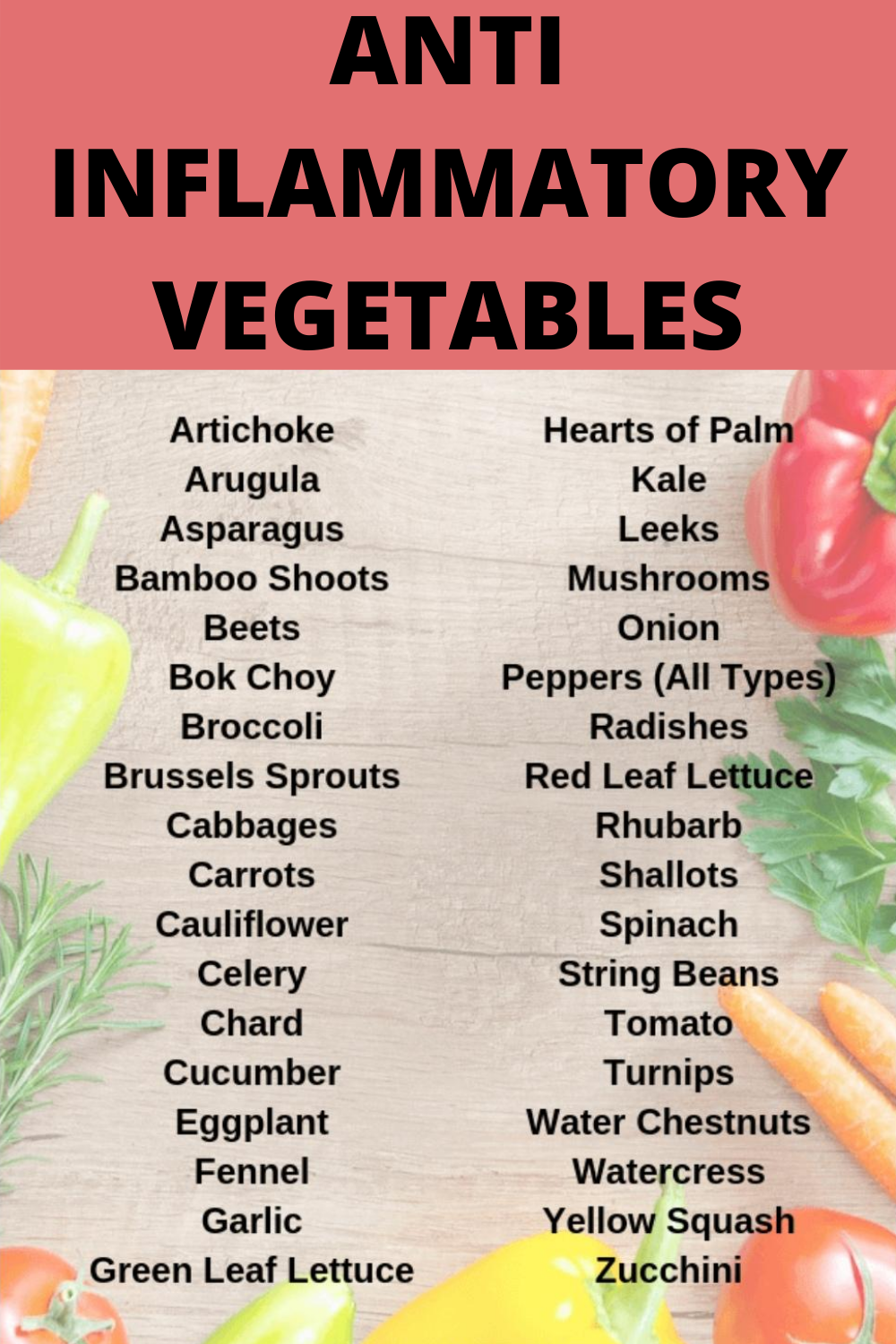

The human body is a marvel of intricate systems, a bustling metropolis of cells, organs, and chemical reactions working in harmony. Yet, beneath the surface of this apparent tranquility, an unseen battle often rages – a subtle, persistent smoldering that, if left unchecked, can ignite a devastating fire. This silent adversary is chronic inflammation, a stealthy process now recognized as a root cause of many of the most prevalent and debilitating diseases of our time. But what if the key to extinguishing this fire, or at least keeping it under control, lay in something as simple, as ubiquitous, and as vibrant as a tomato?
This is the story of how a seemingly humble fruit, once feared and mistaken for poison, has emerged as a culinary and medicinal superstar in our quest for optimal health. It’s a journey from understanding the insidious nature of inflammation to embracing a delicious, accessible solution that science is increasingly confirming. For anyone building an anti-inflammatory diet, the tomato isn’t just an option; it’s a non-negotiable, a red gold essential in your arsenal against the silent fire within.
The Double-Edged Sword: Understanding Inflammation
To truly appreciate the tomato’s power, we must first understand its adversary. Inflammation is not inherently bad; in fact, acute inflammation is a vital, life-saving process. When you cut your finger, twist an ankle, or battle a cold, your immune system launches a rapid, targeted response. Blood vessels dilate, immune cells rush to the site, and a cascade of biochemical events unfolds to neutralize threats, repair damage, and initiate healing. This acute phase is characterized by redness, swelling, heat, and pain – classic signs that your body is effectively fighting back. Once the threat is gone and the healing complete, this beneficial inflammation subsides.
The problem arises when this protective mechanism gets stuck in the "on" position, transitioning from acute to chronic. Unlike its short-lived counterpart, chronic inflammation is a low-grade, systemic response that can persist for months, years, or even decades. It’s a persistent hum of immune activity without an immediate, clear-cut threat. The immune system, perpetually on high alert, begins to attack healthy tissues, mistaking them for invaders. It’s like having a fire alarm that never turns off, eventually leading to exhaustion and damage.
The consequences of chronic inflammation are far-reaching and terrifying. It is now implicated in:
- Heart Disease: Contributing to atherosclerosis, the hardening and narrowing of arteries.
- Cancer: Fueling tumor growth, metastasis, and resistance to therapy.
- Diabetes: Impairing insulin sensitivity and contributing to pancreatic dysfunction.
- Autoimmune Diseases: Conditions like rheumatoid arthritis, lupus, and inflammatory bowel disease, where the immune system directly attacks the body’s own tissues.
- Neurodegenerative Diseases: Playing a role in the progression of Alzheimer’s and Parkinson’s disease.
- Obesity: Often existing in a bidirectional relationship, where excess fat tissue itself can produce inflammatory compounds.
- Mood Disorders: Emerging research links chronic inflammation to depression and anxiety.
The insidious nature of chronic inflammation lies in its often asymptomatic beginning. You might not feel the "fire" directly, but its effects slowly accumulate, silently eroding your health until a major health crisis erupts. This makes lifestyle interventions, particularly diet, incredibly powerful tools for prevention and management.
The Anti-Inflammatory Diet: A Holistic Blueprint
The good news is that we are not powerless against chronic inflammation. One of the most potent weapons in our arsenal is our plate. An anti-inflammatory diet isn’t a restrictive fad; it’s a holistic approach to eating that emphasizes whole, unprocessed foods rich in antioxidants, healthy fats, and fiber. It’s a blueprint for nourishing the body and calming the immune system.
Key principles of an anti-inflammatory diet include:
- Embrace Whole Foods: Prioritize fruits, vegetables, whole grains, nuts, and seeds.
- Lean into Plant-Based: While not exclusively vegetarian, a strong emphasis on plant-based foods provides a wealth of phytonutrients.
- Healthy Fats are Essential: Incorporate omega-3 fatty acids (found in fatty fish, flaxseeds, walnuts) and monounsaturated fats (olive oil, avocados), which have powerful anti-inflammatory properties.
- Prioritize Fiber: Fiber feeds beneficial gut bacteria, which play a crucial role in immune regulation and reducing systemic inflammation.
- Minimize Processed Foods: Reduce intake of refined sugars, trans fats, highly processed oils, and artificial ingredients, all of which can fuel inflammation.
- Spice it Up: Many herbs and spices, like turmeric, ginger, and garlic, contain potent anti-inflammatory compounds.
Within this framework, certain foods stand out as true powerhouses. Berries, leafy greens, fatty fish, and certain spices are celebrated for their anti-inflammatory prowess. But among these champions, one vibrant, versatile, and deeply flavorful contender consistently rises to the top: the tomato.
Enter the Solanum Lycopersicum: A Culinary and Medicinal Marvel
The tomato’s journey to global culinary dominance is a story in itself. Originating in the Andes, it was first cultivated by indigenous peoples in Mexico, where it was called "xitomatl." When Spanish conquistadors brought it to Europe in the 16th century, it was initially viewed with suspicion, even fear, by many. Its striking resemblance to nightshade plants, some of which are poisonous, led to its reputation as the "poison apple." For centuries, it was primarily grown as an ornamental plant, adorning gardens rather than gracing plates.
It wasn’t until the 18th and 19th centuries that the tomato began to shed its dangerous reputation, slowly making its way into European and American cuisines, particularly in Italy, where it became the cornerstone of countless dishes. Today, the tomato (botanically a fruit, culinarily a vegetable) is one of the most widely consumed and economically important food crops in the world, cherished for its juicy texture, tangy sweetness, and unparalleled versatility.
But beyond its culinary charm, the tomato holds a profound secret, a deep well of nutritional benefits that positions it as a cornerstone of any anti-inflammatory diet. It’s a veritable treasure trove of vitamins, minerals, and, most importantly, potent bioactive compounds that actively combat the silent fire within.
A single medium-sized tomato is a hydrating, low-calorie package offering:
- Vitamin C: A powerful antioxidant and immune booster.
- Vitamin K: Important for blood clotting and bone health.
- Potassium: Crucial for blood pressure regulation and fluid balance.
- Folate: Essential for cell growth and function.
- Fiber: Aids digestion and promotes gut health.
- Water: Contributes to hydration.
However, the true anti-inflammatory magic of the tomato lies in its vibrant color and the unique phytochemicals it harbors.
The Star Player: Lycopene – The Red Gold
If the tomato were a symphony, lycopene would be its virtuoso soloist. This bright red carotenoid pigment is responsible for the tomato’s characteristic hue, and it is also its most celebrated anti-inflammatory and antioxidant compound. Lycopene is what gives tomatoes, watermelon, pink grapefruit, and guava their beautiful red and pink colors.
What is Lycopene?
Lycopene is a fat-soluble phytonutrient, meaning it’s best absorbed when consumed with a source of dietary fat. As a carotenoid, it belongs to a family of pigments that are powerful antioxidants. Antioxidants are molecules that combat free radicals – unstable molecules that can cause oxidative stress, a primary driver of chronic inflammation and cellular damage. Think of free radicals as tiny, aggressive sparks that can ignite inflammatory fires throughout your body. Lycopene is like a highly efficient fire extinguisher, neutralizing these sparks before they can do harm.
Mechanism of Action: How Lycopene Fights Inflammation
-
Scavenging Free Radicals: Lycopene’s primary role is its exceptional ability to neutralize free radicals. It’s one of the most potent antioxidants among common carotenoids, even more so than beta-carotene. By disarming these damaging molecules, lycopene protects cells, DNA, and proteins from oxidative stress, a key pathway to inflammation.
-
Modulating Inflammatory Pathways: Beyond direct antioxidant activity, research suggests that lycopene actively intervenes in the body’s inflammatory signaling pathways. It can influence the expression of genes involved in inflammation and reduce the production of pro-inflammatory cytokines – messenger proteins that orchestrate and amplify inflammatory responses. Specific examples include:
- Reducing C-reactive protein (CRP): A widely recognized marker of inflammation in the body.
- Suppressing TNF-alpha and IL-6: Key pro-inflammatory cytokines that contribute to systemic inflammation and various chronic diseases.
- Inhibiting NF-κB: A protein complex that controls DNA transcription, cytokine production, and cell survival. Its overactivity is implicated in many inflammatory diseases.
-
Protecting Cellular Structures: Lycopene integrates into cell membranes, where it provides a protective shield against oxidative damage, particularly to vulnerable lipids. This structural protection helps maintain cellular integrity and function, preventing the release of inflammatory signals.
-
Beyond Inflammation: A Multifaceted Protector: Lycopene’s benefits extend beyond directly quelling inflammation. It’s also been extensively studied for its role in:
- Prostate Health: Strong evidence suggests lycopene can reduce the risk of prostate cancer and slow its progression.
- Cardiovascular Health: By reducing oxidative stress and inflammation, lycopene helps protect blood vessels, improve lipid profiles, and reduce the risk of heart disease.
- Skin Health: Its antioxidant properties can offer some protection against UV damage, though it’s not a substitute for sunscreen.
- Bone Health: Emerging research points to lycopene’s potential role in supporting bone density.
The Bioavailability Secret: Raw vs. Cooked
Here’s where the tomato story gets particularly fascinating and crucial for maximizing its anti-inflammatory power: lycopene is more bioavailable when tomatoes are cooked and processed. Unlike many other heat-sensitive nutrients, cooking actually breaks down the rigid cell walls of the tomato, releasing the lycopene and making it easier for the body to absorb.
Furthermore, because lycopene is fat-soluble, consuming cooked tomatoes with a healthy fat source significantly enhances its absorption. This is why traditional Italian cooking, pairing tomatoes with olive oil, is not just delicious but nutritionally brilliant. Think tomato sauce simmered with extra virgin olive oil, roasted tomatoes drizzled with avocado oil, or a rich tomato paste incorporated into a stew. These preparations are superior to raw tomatoes for delivering a concentrated dose of absorbable lycopene.
The Supporting Cast: More Than Just Lycopene
While lycopene rightly takes center stage, it’s important to remember that the tomato’s anti-inflammatory prowess is a team effort. A symphony of other compounds works in concert with lycopene, creating a synergistic effect that amplifies the overall benefit. This "entourage effect" means the whole tomato is greater than the sum of its isolated parts.
-
Vitamin C: Tomatoes are an excellent source of Vitamin C, a well-known water-soluble antioxidant. It directly neutralizes free radicals in watery environments within the body and plays a critical role in immune system function, collagen production, and overall cellular protection.
-
Flavonoids: Tomatoes contain various flavonoids, including quercetin, kaempferol, and naringenin. These plant pigments are powerful antioxidants and possess anti-inflammatory properties. They can inhibit the activity of enzymes involved in inflammation and modulate immune cell function. Quercetin, for example, is known for its ability to stabilize mast cells and reduce histamine release, which can be beneficial in allergic and inflammatory conditions.
-
Phenolic Acids: Chlorogenic acid and caffeic acid are among the phenolic acids found in tomatoes. These compounds contribute to the tomato’s antioxidant capacity and have demonstrated anti-inflammatory effects by inhibiting the production of pro-inflammatory mediators.
-
Vitamin E: Though in smaller amounts than Vitamin C, Vitamin E is another fat-soluble antioxidant present in tomatoes, further contributing to cellular protection against oxidative stress.
-
Fiber: The dietary fiber in tomatoes, both soluble and insoluble, plays an indirect but vital role in combating inflammation. Fiber promotes a healthy gut microbiome by feeding beneficial bacteria. A balanced gut flora is crucial for a well-regulated immune system and can reduce systemic inflammation. Fiber also helps regulate blood sugar levels, preventing spikes that can trigger inflammatory responses.
-
Potassium: While not directly anti-inflammatory, potassium contributes to overall cardiovascular health by helping regulate blood pressure. High blood pressure can contribute to endothelial dysfunction, which is an inflammatory process in the blood vessels.
This complex interplay of nutrients and phytochemicals highlights why consuming whole tomatoes, rather than relying on isolated supplements, is the most effective strategy for harnessing their full anti-inflammatory potential.
From Garden to Table: Maximizing the Tomato’s Anti-Inflammatory Power
Given the knowledge of lycopene’s bioavailability, how can we best incorporate tomatoes into our anti-inflammatory diet to reap maximum benefits?
-
Embrace the Cooked Tomato: Don’t shy away from heat.
- Tomato Paste: This is a lycopene superstar. Highly concentrated, a small amount packs a powerful punch. Use it as a base for sauces, stews, or soups.
- Tomato Sauce/Puree: Simmered sauces are excellent. The longer the cooking time, within reason, the more lycopene becomes available.
- Roasted Tomatoes: Roasting brings out their sweetness and enhances lycopene absorption. Drizzle with olive oil before roasting.
- Sun-Dried Tomatoes: These concentrated flavor bombs are also rich in lycopene. Rehydrate them in olive oil for salads or pastas.
-
Pair with Healthy Fats: Always remember to combine cooked tomatoes with a source of healthy fat for optimal lycopene absorption.
- Extra Virgin Olive Oil: The quintessential pairing, especially in Mediterranean cuisine.
- Avocado Oil: Another excellent choice for roasting or dressings.
- Nuts and Seeds: Add a handful of walnuts or almonds to a tomato-based salad.
- Avocado: Sliced avocado in a tomato salad or alongside a tomato-based dish.
-
Variety is the Spice of Life (and Nutrition): While red tomatoes are highest in lycopene, different colored tomatoes (yellow, orange) offer other beneficial carotenoids and compounds. Enjoy a rainbow of tomatoes for a broader spectrum of nutrients. Heirloom varieties often boast unique flavor profiles and nutrient compositions.
-
Choose Quality: Opt for organic whenever possible to minimize exposure to pesticides, which can contribute to inflammation. If organic isn’t feasible, thoroughly wash conventional tomatoes.
Practical Integration: Making Tomatoes a Daily Ritual
Integrating tomatoes into your daily diet is remarkably easy due to their versatility. Here are some ideas to make them a consistent part of your anti-inflammatory lifestyle:
Breakfast:
- Shakshuka: A North African and Middle Eastern dish of eggs poached in a flavorful tomato sauce.
- Omelets/Scrambles: Sautéed diced tomatoes with spinach and mushrooms.
- Salsa: A fresh tomato salsa alongside scrambled eggs or breakfast tacos.
- Roasted Tomatoes: Halved cherry tomatoes roasted with herbs and a drizzle of olive oil, served with whole-grain toast.
Lunch:
- Hearty Salads: Add sliced fresh tomatoes or sun-dried tomatoes to your greens.
- Tomato Soup: A classic, comforting choice, especially when homemade with fresh ingredients and olive oil.
- Sandwiches/Wraps: Layer fresh tomato slices for juiciness and flavor.
- Bruschetta: Whole-grain bread topped with diced fresh tomatoes, basil, garlic, and olive oil.
Dinner:
- Pasta Sauces: The ultimate way to consume cooked tomatoes and olive oil. Make your own from scratch for maximum benefit.
- Stews and Chili: Tomatoes form the base of many hearty, anti-inflammatory stews.
- Roasted Vegetable Medley: Combine tomatoes with bell peppers, zucchini, and onions, roasted with olive oil and herbs.
- Homemade Pizza: Use a rich tomato paste or sauce as the base, topped with vegetables and lean protein.
- Fish/Chicken Dishes: Poach or bake fish/chicken in a light tomato and herb sauce.
Snacks:
- Cherry Tomatoes: A simple, refreshing snack on their own or with a sprinkle of salt and pepper.
- Tomato Slices with Mozzarella/Avocado: A quick Caprese-style snack.
- Gazpacho: A cold, refreshing tomato soup perfect for warmer weather.
The key is consistency. Aim to include tomatoes in some form, cooked or raw, with healthy fats, almost daily. This consistent intake will ensure a steady supply of lycopene and other beneficial compounds to help keep inflammation in check.
Beyond the Tomato: A Symphony of Anti-Inflammatory Foods
While tomatoes are undeniably a must-have, it’s crucial to remember that they are one powerful player in a larger orchestra. An anti-inflammatory diet thrives on diversity and synergy. Don’t rely solely on tomatoes; build a rich tapestry of anti-inflammatory foods into your daily routine:
- Berries: Blueberries, raspberries, strawberries are packed with anthocyanins, potent antioxidants.
- Leafy Greens: Spinach, kale, collard greens provide vitamins, minerals, and carotenoids like lutein and zeaxanthin.
- Fatty Fish: Salmon, mackerel, sardines are rich in omega-3 fatty acids, renowned for their inflammation-reducing properties.
- Nuts and Seeds: Almonds, walnuts, flaxseeds, chia seeds offer healthy fats, fiber, and antioxidants.
- Turmeric and Ginger: These spices contain curcumin and gingerols, respectively, powerful natural anti-inflammatory compounds.
- Green Tea: Rich in catechins, particularly EGCG, a strong antioxidant.
- Whole Grains: Oats, quinoa, brown rice provide fiber and complex carbohydrates that stabilize blood sugar.
Beyond diet, a truly anti-inflammatory lifestyle encompasses:
- Regular Physical Activity: Exercise reduces inflammatory markers and improves overall health.
- Adequate Sleep: Chronic sleep deprivation can increase inflammation.
- Stress Management: Chronic stress elevates cortisol levels, which can contribute to inflammation. Practices like meditation, yoga, and mindfulness are beneficial.
- Maintaining a Healthy Weight: Excess body fat, particularly around the abdomen, can be a source of inflammatory compounds.
Conclusion: Embracing the Red Revolution for Lasting Health
The journey to combat chronic inflammation is a profound commitment to self-care, a conscious decision to nourish and protect the intricate balance of our bodies. In this journey, the tomato stands as a beacon of vibrant health, a testament to the power of nature’s simple gifts.
From its once-feared status to its current reign as a culinary champion, the tomato’s story mirrors our evolving understanding of nutrition and health. Its rich concentration of lycopene, alongside a supporting cast of vitamins, minerals, and other phytonutrients, makes it an unparalleled ally in our fight against the silent fire of chronic inflammation. Its ability to quench oxidative stress, modulate inflammatory pathways, and protect cellular integrity is not just a scientific curiosity; it’s a practical, delicious pathway to enhanced well-being.
So, let us embrace the red revolution. Let us savor the succulent sweetness of a fresh tomato in a summer salad, delight in the rich complexity of a slow-simmered tomato sauce, and recognize the profound anti-inflammatory power held within this extraordinary fruit. By making tomatoes a must-have in your anti-inflammatory diet, you’re not just adding flavor to your plate; you’re actively investing in a future where the silent fire is quelled, and your body’s innate capacity for health and vitality can truly flourish. The path to a healthier, less inflamed life is often paved with simple, delicious choices – and the tomato, in all its glorious red splendor, is unequivocally one of them.