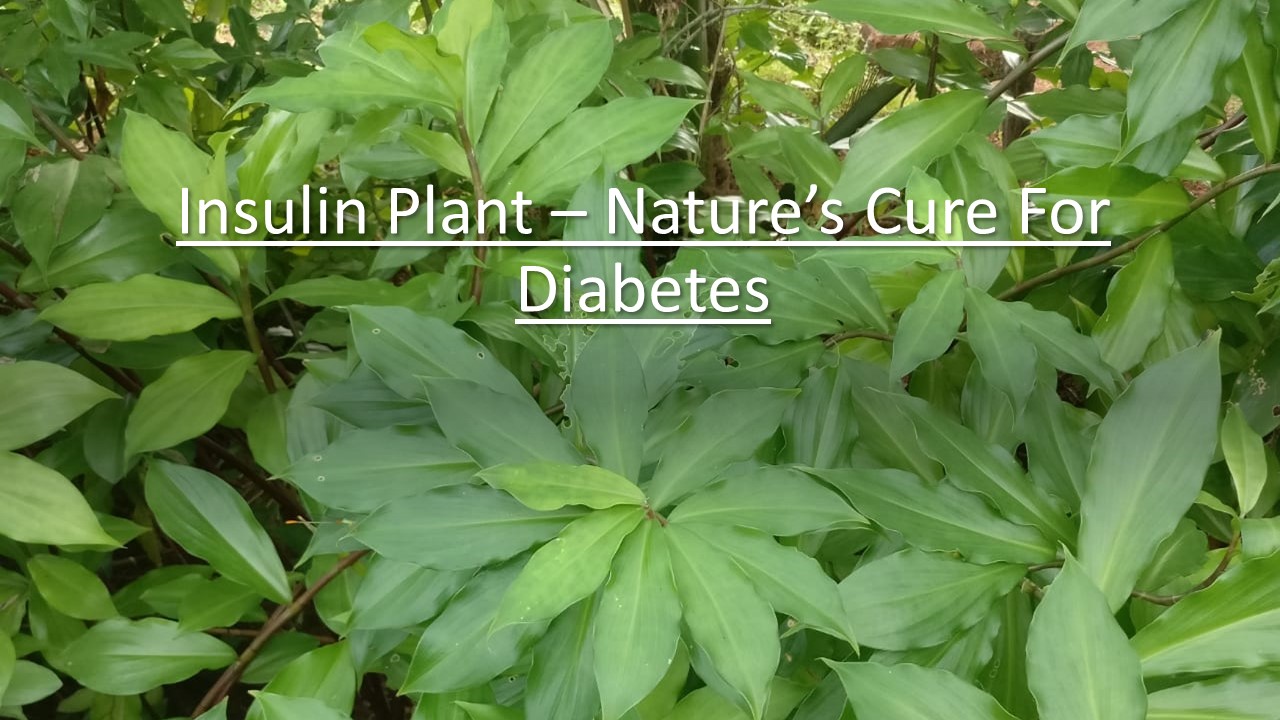

In the vast tapestry of nature, where every leaf, root, and berry holds a story, some tales whisper of ancient wisdom, while others sing the burgeoning melodies of modern science. Our journey today takes us to one such unassuming protagonist: the Turkey Berry, a small, green fruit often overlooked yet increasingly drawing the gaze of researchers and those seeking natural avenues for health. The question that echoes through botanical gardens and scientific laboratories alike is profound: Could this humble berry be "Nature’s Insulin," offering a novel approach to the global challenge of blood sugar management?
To truly investigate this claim, we must embark on a comprehensive exploration. We will delve into the berry’s botanical identity, trace its historical roots in traditional medicine, confront the daunting reality of the diabetes epidemic, and most critically, dissect the intricate science behind its potential mechanisms. We will weigh the existing evidence, acknowledge the challenges, and cast our gaze toward a future where traditional wisdom and cutting-edge research might converge to offer new hope.
The Humble Berry with a Grand Ambition: A Botanical Profile and Cultural Tapestry
Our protagonist, the Turkey Berry, scientifically known as Solanum torvum, belongs to the expansive Solanaceae family, a diverse group that also includes familiar edibles like tomatoes, potatoes, eggplants, and peppers. Yet, unlike its domesticated cousins, Solanum torvum often thrives as a wild or semi-cultivated shrub, reaching heights of 2-3 meters. Its branches are sometimes thorny, adorned with large, lobed leaves, and clusters of small, white, star-shaped flowers that eventually give way to the distinctive berries.
These berries are typically pea-sized, green when unripe (the stage at which they are most commonly consumed), and turn yellow upon maturity. Their taste is unique – slightly bitter, somewhat earthy, and subtly tangy, often adding a distinct character to the dishes they grace.
The geographical footprint of the Turkey Berry is as diverse as its uses. Native to Central and South America, it has long since naturalized across tropical and subtropical regions worldwide, flourishing in the Caribbean, Africa, and particularly throughout South and Southeast Asia. In these regions, it is known by a multitude of names, each reflecting its cultural significance: sundakkai in Tamil, thibbatu in Sinhala, makreua puang in Thai, katurudai in Malayalam, and gully-gully in some Caribbean dialects. This linguistic diversity underscores its deep integration into local cuisines and traditional healing practices.
Indeed, the Turkey Berry is not merely a botanical curiosity; it is a cultural staple. In South Indian cuisine, especially in Tamil Nadu, the dried or fresh berries are used in curries, stews, and a spicy, tangy preparation called sundakkai vathal kulambu. In Thai cooking, they are an essential ingredient in various curries, notably the green curry, where their slight bitterness provides a delightful contrast to the richness of coconut milk. In the Caribbean, they find their way into soups and stews, valued for their texture and subtle flavor.
Beyond the culinary realm, the Turkey Berry holds a revered place in traditional medicine systems like Ayurveda, Siddha, and various folk remedies across its global distribution. For centuries, practitioners have utilized different parts of the plant – leaves, roots, and especially the berries – to address a wide array of ailments. It has been traditionally employed as a digestive aid, an anti-inflammatory agent, an antimicrobial, and a remedy for coughs, colds, and even parasitic infections. Crucially, within many of these traditions, there is a persistent thread of its use in managing conditions related to "sweet urine" or imbalances in blood sugar, setting the stage for our contemporary investigation.
The Silent Epidemic: Understanding the Global Diabetes Challenge
Before we can fully appreciate the potential of "Nature’s Insulin," we must first grasp the enormity of the problem it seeks to address. Diabetes mellitus is not merely a health condition; it is a global pandemic, a silent epidemic that silently erodes the health and quality of life for millions worldwide. According to the International Diabetes Federation, over 537 million adults globally were living with diabetes in 2021, and this number is projected to rise dramatically in the coming decades.
Diabetes is characterized by elevated blood glucose (blood sugar) levels, resulting from either insufficient insulin production by the pancreas (Type 1 diabetes) or the body’s inability to effectively use the insulin it produces (Type 2 diabetes). Gestational diabetes, occurring during pregnancy, and pre-diabetes, a precursor state, further complicate the landscape.
Type 2 diabetes, accounting for about 90-95% of all cases, is largely driven by a combination of genetic predisposition and lifestyle factors, including obesity, physical inactivity, and unhealthy dietary patterns. The long-term consequences of uncontrolled blood sugar are devastating, impacting nearly every organ system: heart disease, stroke, kidney failure, nerve damage (neuropathy), blindness, and amputations are just some of the severe complications. The economic burden, encompassing healthcare costs, lost productivity, and disability, is staggering, placing immense strain on healthcare systems and national economies.
Conventional management strategies for diabetes involve a multi-pronged approach: dietary modifications, regular physical activity, and often, pharmaceutical interventions ranging from oral medications (which improve insulin sensitivity, reduce glucose production, or slow carbohydrate absorption) to injectable insulin. While these treatments are effective in managing the disease, they often come with side effects, financial costs, and the need for lifelong adherence.
This context underscores the urgent global need for novel, accessible, and potentially complementary therapeutic strategies. The search for natural compounds that can assist in blood sugar management is not merely an academic exercise; it is a quest for sustainable, affordable, and potentially less burdensome solutions that can work in harmony with existing treatments or, in some cases, even help prevent the onset of the disease. It is into this critical void that the Turkey Berry steps, presenting itself as a candidate worthy of rigorous scientific scrutiny.
Unpacking "Nature’s Insulin": The Phytochemical Arsenal
The term "Nature’s Insulin" is, of course, a metaphor. The Turkey Berry does not contain insulin itself, nor does it directly produce it. Instead, the promise of Solanum torvum lies in its rich and complex phytochemical profile – a veritable arsenal of bioactive compounds that individually and synergistically may influence various physiological pathways involved in glucose metabolism. Modern scientific investigation has begun to peel back the layers of this complexity, revealing the chemical constituents responsible for its traditional efficacy.
The key players in the Turkey Berry’s phytochemical orchestra include:
-
Steroidal Alkaloids: Perhaps the most extensively studied group, these include compounds like solasodine, solamargine, solanine, and solasonine. These nitrogen-containing compounds are potent and have been the subject of numerous studies, not just for diabetes but also for their potential anti-cancer and anti-inflammatory properties. Solasodine, in particular, has shown promise in modulating glucose uptake and insulin signaling.
-
Flavonoids: These are a large group of plant pigments known for their powerful antioxidant and anti-inflammatory effects. Turkey Berries are rich in flavonoids such as quercetin, kaempferol, luteolin, and rutin. These compounds can help protect pancreatic beta cells from oxidative stress, improve insulin sensitivity, and mitigate inflammation, a known contributor to insulin resistance.
-
Phenolic Acids: Another class of potent antioxidants, including gallic acid, caffeic acid, and ferulic acid, are present. These compounds contribute to the berry’s overall antioxidant capacity, scavenging free radicals that can damage cells and contribute to chronic diseases like diabetes.
-
Saponins: These are glycosides with a distinctive frothing property. While often associated with cholesterol-lowering effects, some saponins have also been implicated in influencing glucose metabolism, potentially by affecting nutrient absorption or signaling pathways.