
In the sprawling tapestry of human history, where survival often hinged on an intimate understanding of the natural world, certain plants emerged as silent guardians of well-being. They were the unassuming heroes, their powers whispered through generations, their remedies passed down from healer to apprentice. Among these botanical champions, one humble fruit, often overlooked in the glittering array of modern superfoods, stands poised to reclaim its ancient glory: the Turkey Berry. Not the festive fowl’s accompaniment, but Solanum torvum, a verdant shrub bearing clusters of small, green berries that have long been revered in traditional medicine across continents. This is its story – a journey from the sun-drenched fields of indigenous knowledge to the scrutinizing gaze of scientific laboratories, all in pursuit of a healthier gut and a balm for the pervasive modern affliction of gastric ulcers.
A Verdant Genesis: Unveiling Solanum torvum
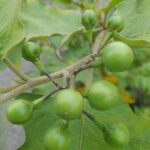
Imagine a landscape where knowledge is etched not in books, but in the rustling leaves of plants and the wisdom of elders. Here, Solanum torvum, variously known as Susumber, Devil’s Fig, or more simply, Turkey Berry, thrives. A member of the nightshade family, this robust shrub is characterized by its thorny stems, lobed leaves, and prolific clusters of small, green, pea-sized berries that ripen to yellow. Its native range spans the Americas, Africa, and Asia, a testament to its adaptability and the widespread recognition of its therapeutic potential.
For centuries, before the advent of pharmaceuticals and the sterile precision of modern medicine, these berries were not merely a food source; they were a pharmacy in miniature. In Ayurvedic traditions, they were used to treat digestive ailments, coughs, and fevers. In African folk medicine, they were a go-to for anemia, hypertension, and, crucially, for stomach disorders. In parts of the Caribbean and Latin America, they graced culinary dishes, their slightly bitter taste adding depth, while their medicinal properties were quietly acknowledged. The story of Solanum torvum is thus a global one, a narrative woven into the fabric of diverse cultures, all independently recognizing its potent gifts.
The Modern Plight: A Gut in Distress
Fast forward to the 21st century. Despite unprecedented advancements in medicine and nutrition, our digestive systems are under siege. The modern diet, often high in processed foods, sugar, and unhealthy fats, coupled with chronic stress, sedentary lifestyles, and the pervasive use of certain medications, has created a perfect storm for gut dysbiosis and a cascade of digestive ailments. From bloating and indigestion to inflammatory bowel conditions and the searing pain of gastric ulcers, the gut—our body’s second brain—is frequently a battleground.
Gastric ulcers, in particular, represent a significant challenge. These open sores in the lining of the stomach or duodenum can be excruciatingly painful, leading to complications like bleeding, perforation, and even cancer if left untreated. While the discovery of Helicobacter pylori as a primary culprit revolutionized treatment, and NSAIDs (non-steroidal anti-inflammatory drugs) are also known offenders, many individuals still struggle with chronic or recurrent ulcers. The conventional medical arsenal, though effective, often comes with its own set of side effects, prompting a renewed interest in natural alternatives that can complement or even offer novel approaches to healing. This is where the ancient wisdom of the Turkey Berry begins its modern resurgence, stepping into the limelight as a potential "gut health hero."
From Folk Remedy to Scientific Inquiry: The Turkey Berry’s Journey
The transition from traditional use to scientific validation is a long and arduous one, fraught with skepticism and demanding rigorous proof. For the Turkey Berry, this journey began not with a sudden discovery, but with the persistent whispers of its efficacy in ethnobotanical records and the anecdotal evidence passed down through generations. Researchers, intrigued by the consistent claims of its digestive and anti-ulcer properties, started to peel back the layers of its mystique.
Initial investigations focused on its nutritional profile. It was found to be rich in iron, vital for combating the anemia often associated with chronic blood loss from ulcers. It also contained a good amount of dietary fiber, a known ally for digestive health, promoting regularity and supporting a healthy gut microbiome. But these findings, while beneficial, didn’t fully explain the profound healing effects attributed to it. The real story lay deeper, within its complex phytochemical composition.
Scientists began to identify a treasure trove of bioactive compounds within the Turkey Berry:
- Glycoalkaloids: Compounds like solasodine, which have been studied for their anti-inflammatory, anti-cancer, and antimicrobial properties.
- Flavonoids: Powerful antioxidants that combat oxidative stress, a key contributor to gut inflammation and ulcer formation.
- Saponins: Known for their anti-inflammatory and potential ulcer-protective effects.
- Tannins: Astringent compounds that can help reduce inflammation and form a protective layer over mucous membranes.
- Steroids and Terpenoids: Contributing to its broad range of pharmacological activities.
It was this intricate symphony of compounds, rather than any single magic bullet, that hinted at the Turkey Berry’s multifaceted approach to gut health and ulcer healing.
The Digestive Dynamo: How Turkey Berries Support the Gut
The Turkey Berry’s impact on digestion is not a singular action but a harmonious orchestra of effects, each contributing to a more robust and resilient gastrointestinal tract.
-
Fiber for Flow and Flora: As mentioned, Turkey Berries are a good source of dietary fiber. This insoluble and soluble fiber plays a crucial role in maintaining digestive regularity. Insoluble fiber adds bulk to stool, facilitating its smooth passage through the intestines and preventing constipation. Soluble fiber, on the other hand, forms a gel-like substance, slowing down digestion and nutrient absorption, which can help regulate blood sugar levels. More importantly, soluble fiber acts as a prebiotic, nourishing beneficial gut bacteria. These friendly microbes ferment the fiber, producing short-chain fatty acids (SCFAs) like butyrate, which are vital for the health of colonocytes (cells lining the colon) and possess potent anti-inflammatory properties. A thriving gut microbiome is the cornerstone of overall digestive health and immune function.
-
Anti-inflammatory Agent: Inflammation is a common thread running through many digestive disorders, from irritable bowel syndrome (IBS) to inflammatory bowel disease (IBD) and, critically, gastric ulcers. The flavonoids and saponins present in Turkey Berries are powerful anti-inflammatory agents. They work by modulating inflammatory pathways, reducing the production of pro-inflammatory cytokines and enzymes. By quelling inflammation, the berries can soothe irritated gut linings, alleviate pain, and create a more conducive environment for healing.