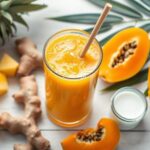

Have you ever felt it? That persistent, unsettling hum of a digestive system struggling to keep pace with modern life? The bloat that clings like an unwelcome shadow, the sluggishness that steals your morning vibrancy, the brain fog that clouds your clearest thoughts. It’s a universal experience in our fast-paced, often over-processed world – a subtle yet insistent whisper from within, signaling a need for a reset. We yearn for clarity, for lightness, for the effortless hum of a body working in harmony. But in a landscape saturated with extreme diets and harsh cleanses, the idea of a gentle, natural, and genuinely nourishing detox often feels like a distant dream.
This is where nature, in its infinite wisdom, offers a vibrant, succulent secret: the papaya. More than just a tropical fruit, the papaya emerges as a gentle guide, a silent healer ready to usher your digestive system back to its natural rhythm. This isn’t a story of deprivation or arduous sacrifice; it’s a narrative of rediscovery, of listening to your body, and of embracing a natural bounty that has been revered for centuries. Join me on a journey to understand, appreciate, and ultimately integrate the humble papaya into a profound digestive reset, unveiling its power to cleanse, soothe, and rejuvenate from within.
The Modern Digestive Predicament: A Call for Gentle Intervention
Before we fully embrace our tropical hero, it’s crucial to understand the landscape of our digestive woes. Our ancestors, subsisting on whole, unprocessed foods, likely never contended with the digestive burden we face today. Modernity, while offering unparalleled convenience, has also introduced a barrage of challenges for our gut:
- Processed Food Overload: Sugars, refined grains, artificial additives, and unhealthy fats dominate many diets, creating an acidic, inflammatory environment in the gut. These foods are often devoid of essential fiber and enzymes, leaving our digestive system overworked and undernourished.
- Environmental Toxins: We are constantly exposed to pollutants, pesticides, and chemicals in our air, water, and food. While our bodies possess remarkable detoxification systems, chronic exposure can overwhelm them, leading to a buildup of toxins that impact gut health and overall vitality.
- Stress, The Silent Killer: The relentless pace of modern life, chronic stress, and lack of adequate rest directly impact the gut-brain axis. Stress hormones can alter gut motility, permeability, and even the composition of our gut microbiome, leading to conditions like IBS and general discomfort.
- Antibiotic Overuse: While life-saving in many instances, antibiotics indiscriminately wipe out beneficial gut bacteria alongside harmful ones, disrupting the delicate balance of our microbiome – the foundation of digestive and immune health.
- Lack of Enzymes and Probiotics: Cooking and processing often destroy naturally occurring enzymes in food, forcing our bodies to work harder to digest. Similarly, diets low in fermented foods can lead to a deficiency in beneficial probiotics, crucial for nutrient absorption and gut integrity.
These factors combine to create a state of "digestive overload," manifesting as a symphony of uncomfortable symptoms: chronic bloating, gas, constipation or diarrhea, fatigue, skin breakouts, headaches, mood swings, and that pervasive feeling of being "heavy" or "stuck." In response, the market offers a bewildering array of quick fixes, from harsh laxatives to extreme juice cleanses. However, a truly sustainable and beneficial reset calls for a gentle hand, a supportive approach that works with the body’s innate healing mechanisms, rather than against them. It’s a call for nature’s wisdom, embodied in the vibrant hues of the papaya.
Enter the Papaya: A Tropical Treasure Unveiled
Imagine a fruit, born of the sun-drenched tropics, with skin ranging from verdant green to golden amber, yielding to the touch with a gentle give. Slice it open, and you’re greeted by a cavity filled with glistening, jet-black seeds, reminiscent of caviar, nestled within flesh that glows in shades of sunset orange or rosy pink. Its aroma is subtly sweet, floral, and inviting, a promise of exotic delight. This is the papaya (Carica papaya), a fruit whose lineage traces back to Central America and Southern Mexico, now cultivated across tropical regions worldwide.
For centuries, indigenous cultures have revered the papaya not just for its exquisite taste but for its profound medicinal properties. From the Caribbean to Southeast Asia, it has been a staple in traditional healing, used to soothe digestive complaints, heal wounds, and even tenderize meat – a testament to its powerful enzymatic action. It was one of the first fruits to be introduced to Europe by Spanish explorers, quickly gaining renown for its unique properties.
My own discovery of papaya’s profound digestive power wasn’t a sudden revelation but a gradual unfolding, much like the ripening of the fruit itself. For years, I battled sporadic bloating and a persistent feeling of digestive sluggishness, exacerbated by travel and periods of stress. I tried various remedies, often finding temporary relief followed by a return of symptoms. It was during a trip to Thailand, amidst a vibrant market pulsating with life and color, that I first truly connected with papaya. It was everywhere – in salads, smoothies, eaten simply with a squeeze of lime. Intrigued, I began incorporating it daily. Within a week, a subtle but undeniable shift occurred. The persistent bloat began to recede, my energy levels climbed, and there was a new lightness in my step, a clarity in my mind that had been absent for too long. It felt like a gentle internal spring cleaning, orchestrated by this unassuming tropical gem. This personal anecdote, shared by countless others, underscores the papaya’s quiet but profound efficacy.
The Science Behind the Gentle Power: Papaya’s Digestive Arsenal
What is it about this tropical fruit that makes it such an extraordinary agent for digestive reset? The answer lies in its rich biochemical composition, a symphony of enzymes, fiber, vitamins, and antioxidants working in concert.
The Star Player: Papain
At the heart of papaya’s digestive prowess lies papain, a powerful proteolytic enzyme. Proteolytic means protein-digesting, and papain excels at breaking down complex proteins into smaller, more easily absorbable peptides and amino acids.
- How it Works: Imagine your digestive system as a factory assembly line. Proteins, especially from meat, dairy, and legumes, are large, complex molecules that require significant effort to dismantle. Papain acts as a skilled mechanic, efficiently breaking these down. This reduces the burden on your own digestive enzymes (like pepsin and trypsin) and minimizes the chance of undigested proteins fermenting in the gut, which can lead to gas, bloating, and discomfort.
- Broad pH Activity: One of papain’s unique strengths is its ability to remain active across a wide range of pH levels, from acidic stomach environments to more alkaline intestinal conditions. This ensures its efficacy throughout the entire digestive tract, unlike some enzymes that are denatured by stomach acid.
- Anti-Inflammatory Action: Beyond digestion, papain possesses significant anti-inflammatory properties. Chronic inflammation in the gut lining (often a result of poor diet, stress, or dysbiosis) can impair nutrient absorption and contribute to conditions like leaky gut. Papain helps to soothe this inflammation, promoting healing and restoring gut integrity. It achieves this by modulating immune responses and breaking down inflammatory mediators.
- Wound Healing: Historically, papain has been used topically to debride wounds and aid healing, further highlighting its tissue-repairing capabilities, which can be extended to its beneficial effects on the delicate gut lining.
Chymopapain: Papain’s Sidekick
Another enzyme, chymopapain, is also present in papaya, working synergistically with papain. While less understood than papain, it also contributes to protein digestion and has been studied for its anti-inflammatory effects, particularly in conditions like disc herniation. Its presence enhances the overall enzymatic power of papaya.