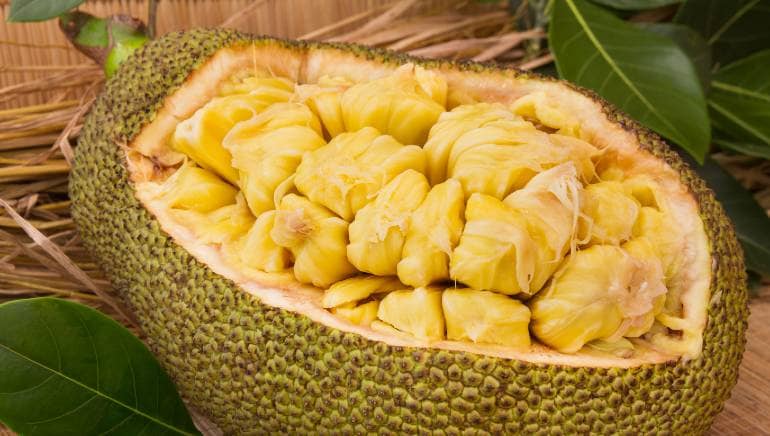

In the verdant heartlands of South and Southeast Asia, a colossal fruit has long held court, not just as a staple, but as a symbol of abundance and resilience. The jackfruit, Artocarpus heterophyllus, with its formidable size, spiky exterior, and multi-faceted culinary potential, is no longer content to remain a regional secret. In recent years, it has burst onto the global stage, captivating chefs, health enthusiasts, and the curious alike, largely due to its remarkable versatility as a plant-based "meat" substitute when unripe. Yet, beyond its culinary chameleon capabilities, a deeper narrative is unfolding—one that whispers of profound health benefits, particularly concerning one of the modern world’s most pervasive health challenges: diabetes.
Can this tropical behemoth, a fruit traditionally cherished for its sweetness, truly be an ally in the complex journey of blood sugar management? For the knowledgeable audience, accustomed to discerning facts from fleeting fads, this question demands a rigorous exploration of science, tradition, and practical application. Let us embark on a journey into the world of jackfruit, peeling back its layers to uncover its intricate relationship with blood sugar, and whether it can indeed play a meaningful role in the dietary strategies for managing diabetes.
The Enigmatic Giant: Unveiling the Jackfruit
Before delving into its metabolic impacts, it’s essential to understand the jackfruit itself. Originating from the Western Ghats of India, the jackfruit tree is the largest tree-borne fruit in the world, capable of producing individual fruits weighing up to 120 pounds. Its sheer scale is matched only by its adaptability, thriving in tropical climates and offering a bounty that can sustain communities.
The jackfruit’s appeal lies in its duality:
- Unripe (Green) Jackfruit: When immature, the fruit possesses a fibrous, stringy texture and a neutral flavor, making it an extraordinary canvas for savory dishes. Its ability to mimic pulled pork or shredded chicken, absorbing spices and sauces, has fueled its meteoric rise in vegan and vegetarian cuisine. This stage is particularly interesting from a blood sugar perspective due to its starch content and lower natural sugars.
- Ripe Jackfruit: As it matures, the fruit transforms. Its flesh becomes soft, golden, and intensely sweet, with a distinctive aroma often likened to a blend of pineapple, mango, and banana. It’s enjoyed fresh, in desserts, or preserved. This is the stage that often raises concerns for individuals managing blood sugar due to its sugar content.
Culturally, jackfruit has been more than just food; it’s medicine, timber, and a source of livelihood. Traditional Ayurvedic and folk medicine systems have long utilized various parts of the jackfruit tree—its leaves, bark, roots, and fruit—for a range of ailments, including digestive issues, skin conditions, and, crucially, for blood sugar regulation. These historical applications provide a compelling backdrop for modern scientific inquiry.
The Nutritional Tapestry of Jackfruit: A Closer Look
To understand jackfruit’s potential impact on blood sugar, we must first dissect its nutritional composition. It’s a powerhouse of macro and micronutrients, each contributing to its overall health profile.
1. Carbohydrates:
Jackfruit is primarily a source of carbohydrates. The type and quantity vary significantly with ripeness.
- Unripe: Predominantly complex carbohydrates (starches) and dietary fiber. The starch content contributes to its neutral flavor and firm texture.
- Ripe: Contains higher amounts of simple sugars (fructose, glucose, sucrose), which are responsible for its characteristic sweetness.
2. Dietary Fiber:
This is perhaps one of jackfruit’s most celebrated components, and a crucial player in blood sugar management. Jackfruit is rich in both soluble and insoluble fiber.
- Soluble Fiber: Dissolves in water to form a gel-like substance in the digestive tract. This gel slows down the absorption of glucose, preventing rapid spikes in blood sugar after meals. It also helps lower cholesterol and promotes satiety.
- Insoluble Fiber: Adds bulk to stool and aids in regular bowel movements. While not directly involved in glucose absorption, a healthy digestive system is foundational for overall metabolic health.
3. Protein:
While not as protein-dense as legumes or meat, jackfruit does contain a modest amount of protein, especially for a fruit. This is significant because protein, like fiber, helps slow down digestion and stabilize blood sugar levels. It also contributes to satiety, which can be beneficial for weight management, a key factor in Type 2 diabetes.
4. Vitamins and Minerals:
Jackfruit boasts an impressive array of micronutrients: