
From the sun-drenched landscapes of Southeast Asia emerges a fruit of such imposing size and unassuming versatility that it often gets overlooked in the pantheon of superfoods. Yet, nestled beneath its spiky, green exterior lies a powerhouse of nutrition, a veritable cardiovascular giant quietly working to fortify the very core of our being: our heart. This is the story of Artocarpus heterophyllus, the mighty jackfruit, and its remarkable journey from ancient staple to modern heart health hero.
For centuries, jackfruit has been a cornerstone of diets across its native regions, revered for its ability to feed many and its astonishing adaptability in the kitchen. But beyond its culinary prowess, a deeper understanding of its biochemical composition reveals a sophisticated arsenal of compounds precisely engineered by nature to support cardiovascular well-being. This isn’t just about a single nutrient; it’s about a symphony of fibers, minerals, vitamins, and phytonutrients working in concert, addressing multiple facets of heart health with a quiet, yet profound, efficacy.
Our journey into the heart of jackfruit’s benefits begins with an appreciation of the organ it seeks to protect. The human heart, a tireless muscle, beats approximately 100,000 times a day, pumping blood through a vast network of arteries, veins, and capillaries. Its optimal function depends on a delicate balance: healthy blood pressure, balanced cholesterol levels, regulated blood sugar, minimal inflammation, and robust arterial integrity. Disruptions in any of these areas can pave the way for cardiovascular diseases (CVDs), the leading cause of mortality worldwide. It is against this complex backdrop that jackfruit steps forward, offering a multi-pronged strategy for defense and nourishment.
The Magnificent Manifestation: Understanding Jackfruit’s Composition
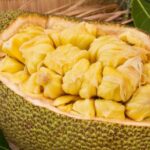
Before we delve into the intricate mechanisms, let’s first appreciate the sheer magnitude and complexity of the jackfruit itself. The largest tree-borne fruit in the world, a single jackfruit can weigh up to 120 pounds. Its appearance is as unique as its taste and texture: a rough, green, spiky exterior guarding hundreds of sweet, fibrous bulbs (arils) that encase edible seeds. The fruit can be consumed at various stages of ripeness, each offering a distinct nutritional profile and culinary application. Unripe, or green, jackfruit has a neutral flavor and meaty texture, making it a popular plant-based meat substitute. Ripe jackfruit, conversely, is sweet and aromatic, often compared to a blend of pineapple, mango, and banana.
This versatility is a clue to its nutritional richness. At a glance, jackfruit provides:
- Complex Carbohydrates: Primarily from starches in unripe fruit and natural sugars in ripe fruit.
- Dietary Fiber: Both soluble and insoluble, a cornerstone of its heart-healthy profile.
- Protein: While not a primary protein source, it offers a respectable amount for a fruit, especially in its seeds.
- Vitamins: Notably Vitamin C, several B vitamins (B6, folate, niacin, riboflavin), and Vitamin A (from carotenoids).
- Minerals: Abundant in potassium, magnesium, manganese, iron, and copper.
- Phytonutrients: A vast array of antioxidants, including carotenoids (like beta-carotene), flavonoids, lignans, and saponins.
It’s the synergistic interplay of these components that truly elevates jackfruit to its status as a cardiovascular giant.
The Heart’s Silent Guardians: Macro-Nutrient Magic
One of the most profound contributions of jackfruit to heart health lies in its rich fiber content. Dietary fiber, often an unsung hero, plays a pivotal role in maintaining cardiovascular integrity through several pathways.
1. Cholesterol Management: The Soluble Fiber Sweep
Jackfruit is a significant source of soluble fiber, a type of fiber that dissolves in water to form a gel-like substance in the digestive tract. This gel acts like a sponge, binding to bile acids (which are made from cholesterol) and carrying them out of the body. To replenish these lost bile acids, the liver must draw cholesterol from the bloodstream, thereby reducing levels of low-density lipoprotein (LDL) cholesterol – often dubbed "bad" cholesterol. Elevated LDL cholesterol is a major risk factor for atherosclerosis, the hardening and narrowing of arteries, which can lead to heart attacks and strokes. By actively participating in cholesterol excretion, jackfruit’s soluble fiber helps to keep arterial pathways clear and reduce plaque buildup.
2. Blood Pressure Regulation: The Potassium-Magnesium Dynamic
Hypertension, or high blood pressure, is a silent killer, significantly increasing the risk of heart disease and stroke. Jackfruit offers a potent defense against hypertension through its high concentrations of potassium and magnesium.
- Potassium: This essential electrolyte plays a critical role in balancing sodium levels in the body. High sodium intake is a primary contributor to high blood pressure. Potassium works by counteracting the effects of sodium, helping to relax blood vessel walls and promoting the excretion of excess sodium through urine. This vasodilation effect directly contributes to lower blood pressure. A single cup of jackfruit can provide a significant portion of the daily recommended potassium intake, making it an excellent dietary tool for blood pressure management.
- Magnesium: Another vital mineral, magnesium is involved in over 300 enzymatic reactions in the body, many of which are crucial for cardiovascular health. It contributes to blood pressure regulation by supporting proper muscle and nerve function, including the muscles that line blood vessels. Magnesium helps to relax these smooth muscles, preventing excessive constriction and thereby promoting healthy blood flow and pressure. Furthermore, magnesium aids in the transport of potassium across cell membranes, enhancing potassium’s blood pressure-lowering effects.
The combined action of potassium and magnesium in jackfruit presents a formidable front against hypertension, a fundamental pillar of cardiovascular disease prevention.
3. Blood Sugar Control: A Shield Against Metabolic Syndrome
Type 2 diabetes is a major independent risk factor for heart disease. High blood sugar levels over time can damage blood vessels and nerves that control the heart, leading to atherosclerosis, heart attacks, and strokes. Here, jackfruit, particularly in its unripe form, demonstrates remarkable potential.
The high fiber content, both soluble and insoluble, in jackfruit slows down the digestion and absorption of carbohydrates. This leads to a more gradual rise in blood sugar levels after a meal, preventing the sharp spikes that can stress the insulin-ulating system. Unripe jackfruit, in particular, is rich in resistant starch, a type of carbohydrate that behaves like soluble fiber. Resistant starch is not digested in the small intestine but ferments in the large intestine, contributing to gut health (which we’ll explore later) and further moderating blood sugar responses.