
The Unsung Hero of the Edible Garden: A Culinary Odyssey Begins
In the vast, verdant tapestry of the world’s edible flora, there exist countless ingredients that whisper their secrets only to those patient enough to listen, to those curious enough to seek them out. We often gravitate towards the familiar, the vibrant berries of summer, the robust root vegetables of autumn, but true culinary discovery often lies in the shadows, in the less-trodden paths of botanical diversity. Today, our journey takes us to such a place, to unearth and celebrate a humble, yet remarkably potent, fruit: the turkey berry.
For many, the mention of "turkey berry" might conjure images of some exotic, large fruit enjoyed by its namesake fowl. Yet, the reality is far more intriguing, far more globally resonant. Solanum torvum, as it is known scientifically, is a small, pea-sized green berry, unassuming in appearance, yet possessing a depth of flavor and a spectrum of nutritional benefits that have anchored it in traditional cuisines across continents for centuries. From the sun-drenched fields of Southeast Asia and India to the vibrant markets of the Caribbean and West Africa, this tiny green orb has played a pivotal role, often as a background note, an enhancing agent, a whisper of the wild that elevates the mundane to the magnificent.
This is not merely a recipe book; it is a narrative, a story of discovery and appreciation. We embark on a journey from the very origins of the turkey berry – its botanical identity, its cultural significance, its historical uses – through to the fundamental techniques required to tame its spirited nature, and finally, into a collection of dishes that celebrate its versatility and unique character. Our audience, discerning and knowledgeable, seeks not just instructions, but understanding; not just ingredients, but context. We aim to tell the story of the turkey berry, to empower you to embrace its distinctive profile, and to transform it from an unfamiliar curiosity into a cherished staple in your kitchen.
Prepare to challenge your palate, to expand your culinary lexicon, and to reconnect with the age-old wisdom embedded in the food traditions of diverse cultures. The turkey berry awaits, ready to reveal its secrets to those who approach it with an open mind and an adventurous spirit.
Chapter 1: Unveiling the Turkey Berry – A Botanical & Cultural Deep Dive
Our culinary exploration begins, as all good stories do, at the source. Before we can truly appreciate the turkey berry on our plate, we must first understand it in its natural habitat, its botanical lineage, and its profound impact on human cultures throughout history.
The Plant Itself: Solanum torvum Unmasked
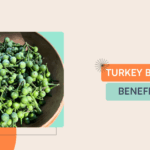
At first glance, Solanum torvum might seem like an ordinary shrub. It’s a perennial plant, often growing vigorously to heights of 2-3 meters, adorned with thorny stems and broad, somewhat lobed leaves. The true stars, however, are its small, round, pea-sized berries, typically bright green when young and ripening to a yellowish hue. These berries grow in clusters, often resembling tiny bunches of grapes, which is perhaps one of the reasons behind its common name – some suggest their clustered appearance or the way they hang might have reminded early observers of a turkey’s wattle or the tiny eggs of a wild bird.
As a member of the vast and diverse Solanaceae family, the turkey berry shares kinship with many of our everyday staples: tomatoes, potatoes, eggplants, and bell peppers. This family, often referred to as the "nightshade family," is known for its incredible range, from nutritious vegetables to potent medicinal plants, and even some toxic varieties. This lineage is important for our knowledgeable audience, as it immediately raises questions about compounds like solanine, commonly found in nightshades. Rest assured, while Solanum torvum does contain glycoalkaloids, particularly solasodine, in its unripe green state, these are generally present in levels considered safe for consumption, especially when prepared traditionally, which often involves cooking that further reduces these compounds. The key is to consume them when green and firm, as they become more bitter and their alkaloid content can increase as they ripen and turn yellow.
Origin, Distribution, and a Tapestry of Names
The turkey berry’s origins are somewhat debated, but it is believed to be native to the tropical Americas, including parts of the Caribbean, Central America, and South America. From there, it journeyed across oceans, likely carried by early explorers and traders, finding fertile ground and cultural acceptance in the warm climates of Southeast Asia, India, and various parts of Africa. This global migration has resulted in a fascinating kaleidoscope of local names, each reflecting a unique cultural relationship with the plant:
- Sundakkai: In Tamil Nadu, India, where it is a culinary cornerstone, often dried and fried.
- Makham Khuen: In Thailand, where it is an essential ingredient in many curries and chili pastes.
- Kantola: In parts of Nepal and Northern India, though this name can sometimes refer to other gourd-like vegetables.
- Pea Eggplant: A descriptive English name, highlighting its size and familial connection.
- Devil’s Fig / Susumber: In the Caribbean, particularly Jamaica, where it’s used in stews and callaloo.
- Gully Bean: Another Caribbean moniker.
- Fausse Pistache: In French-speaking regions.
- Thibbatu: In Sri Lanka.
Each name tells a story, a testament to the berry’s deep integration into local diets and traditional medicine systems.
Traditional Uses: Beyond the Plate
For centuries, the turkey berry’s utility extended far beyond its culinary applications. Traditional medicine systems, particularly Ayurveda and various folk remedies across Africa and Asia, have revered Solanum torvum for its perceived medicinal properties. While this guide focuses on culinary use, it’s worth noting the traditional beliefs that often underpinned its presence in diets.
It has been traditionally used as a remedy for various ailments, believed to possess anti-inflammatory, antioxidant, antimicrobial, and even anti-diabetic properties. Its high iron content made it a traditional remedy for anemia in some communities. The leaves and roots, in addition to the berries, were often prepared as decoctions or poultices. For our knowledgeable audience, this context provides a deeper appreciation for why this unassuming berry held such importance in the daily lives of people, serving as both food and folk medicine. It highlights a holistic view of nutrition, where food wasn’t just fuel, but also preventative and curative.
Harvesting and Sourcing: The Quest for Freshness
For those fortunate enough to live in suitable climates, growing turkey berries can be a rewarding experience, truly embracing the "garden to plate" ethos. The plants are relatively hardy and prolific producers. When harvesting, look for firm, bright green berries. These are at their peak for culinary use, offering the desired texture and a balanced bitterness that can be managed. Avoid berries that are yellowing, soft, or shrivelled, as these are past their prime and will likely be overly bitter or mushy.