
The first encounter with true bitterness is often a rite of passage, a stark awakening of the palate that can either repel or intrigue. For many, it’s a taste to be avoided, a signal of potential danger, an evolutionary relic. Yet, in countless cultures across the globe, bitterness isn’t just tolerated; it’s celebrated, sought out, revered as a cornerstone of health and vitality. It’s an ancient whisper, a culinary paradox, reminding us that sometimes, the most challenging flavors hold the deepest secrets.
My own journey into the heart of this paradox began, as many profound discoveries do, with a memory – a sun-drenched afternoon in my grandmother’s kitchen. The air, thick with the scent of spices and simmering broth, held a distinct, almost medicinal pungency. On the counter, amidst an array of vibrant vegetables, lay small, green, pea-sized berries, unassuming yet radiating an aura of potency. “Sundakkai,” she called them, her eyes twinkling with a wisdom that transcended mere culinary skill. “Good for the blood. Good for the stomach. Don’t mind the bitterness, child. That’s where the goodness lies.”
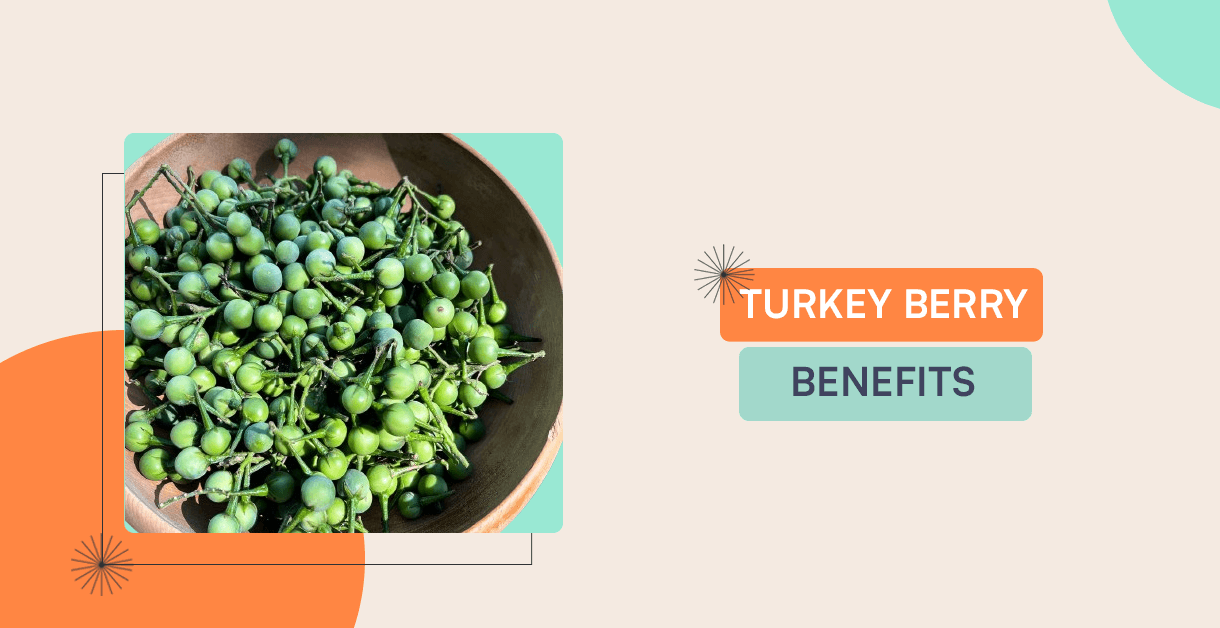
She was referring, of course, to the Turkey Berry, scientifically known as Solanum torvum, an often-overlooked member of the nightshade family. For generations, this humble berry has been a silent sentinel of health in traditional medicine systems from Ayurveda to African folk remedies, from Caribbean bush medicine to Southeast Asian culinary traditions. Yet, in the modern world, dominated by the allure of sweetness and umami, its potent gifts often remain shrouded, dismissed as a mere "weed" or a challenging taste.
This article is an invitation to embark on a journey of rediscovery – a deep dive into the fascinating world of the Turkey Berry, where ancient wisdom converges with cutting-edge science. For the discerning palate and the inquisitive mind, we will peel back the layers of its bitter exterior to reveal a treasure trove of phytochemicals, a symphony of compounds working in concert to bestow an astonishing array of health benefits. We will explore its ethnobotanical roots, dissect its chemical composition, and illuminate the mechanisms by which it champions our well-being, proving once and for all that, when it comes to the Turkey Berry, bitter is indeed, profoundly, wonderfully better.
The Global Embrace of Bitter: A Cultural Tapestry Woven with Turkey Berry
Long before the advent of pharmaceutical laboratories, humanity relied on observation, trial, and error to discern the medicinal properties of plants. Across continents, a consistent theme emerged: bitter plants often possessed healing virtues. From the dandelion greens of European spring to the neem leaves of India, from the gentian root revered in traditional Chinese medicine to the bitter melon celebrated in Okinawa, the human body seemed to instinctively understand that a challenging taste could yield profound wellness.
The Turkey Berry, a native of tropical America, specifically the Caribbean and Central America, is a quintessential example of this global understanding. Its robust nature allowed it to travel and thrive, becoming naturalized across Africa, Asia, and other tropical regions, seamlessly integrating into local pharmacopeias and culinary traditions.
In India, it’s known as "Sundakkai" in Tamil, "Kudagu" in Kannada, and "Bhurangi" in Sanskrit. It’s a staple in South Indian cuisine, particularly in the preparation of "sambar" (a lentil-based stew) and "vathal" (sun-dried, salted berries often fried and served as a side dish). Ayurvedic practitioners have long prescribed it for digestive ailments, anemia, and to regulate blood sugar, recognizing its "Tikta" (bitter) and "Kashaya" (astringent) tastes as balancing Kapha and Pitta doshas.
Across West Africa, particularly Ghana, Nigeria, and Côte d’Ivoire, it’s known by various local names like "kato" or "akatu." It’s a vital ingredient in stews and soups, cherished not only for its unique flavor profile but also for its purported ability to fortify the blood and combat general debility. Pregnant women and new mothers are often encouraged to consume it, a testament to its traditional role in supporting maternal health and addressing iron deficiency.
In the Caribbean, where it originated, it’s called "susumber" or "gullet-bean" in Jamaica, and "wild eggplant" or "pea eggplant" elsewhere. Here, it’s a cornerstone of "bush medicine," brewed into tonics for hypertension, anemia, and even used topically for skin conditions. Its presence in everyday cuisine, from callaloo to hearty stews, reflects a deep cultural understanding of its health-giving properties.
Southeast Asia, particularly Thailand and Indonesia, also embraces the Turkey Berry. In Thai cuisine, it’s "ma-khuea phuang," a common addition to green curries and stir-fries, valued for its ability to cut through rich flavors and its perceived anti-inflammatory benefits. Indonesian traditional medicine, Jamu, also utilizes it for various ailments.
This widespread adoption and consistent application across diverse cultures are not mere coincidences. They represent a collective human intelligence, honed over millennia, recognizing a powerful medicinal force in this small, bitter fruit. Modern science, with its analytical tools and rigorous methodologies, is now beginning to unpack the "why" behind this ancient, global reverence, validating the wisdom of grandmothers and healers from forgotten times.
Unveiling the Chemical Arsenal: The Science Behind the Bitter Truth
To understand why the Turkey Berry is such a potent health ally, we must delve into its complex biochemistry. It’s not just a single "magic bullet" compound, but rather a sophisticated symphony of phytochemicals, each playing a crucial role, and together creating a synergistic effect that far surpasses the sum of its individual parts. The bitterness itself is a key indicator of this rich chemical profile, signaling the presence of compounds that often interact with our physiological systems in profound ways.
At the forefront of Turkey Berry’s pharmacological activity are the steroidal glycoalkaloids. These nitrogen-containing compounds are characteristic of the Solanum genus and are responsible for much of the berry’s distinct bitterness and medicinal efficacy. Key players include:
- Solasodine: This aglycone (the non-sugar part of the glycoalkaloid) is a steroidal sapogenin that has garnered significant attention for its diverse biological activities. Research indicates its potential in exhibiting anti-cancer, anti-inflammatory, and antimicrobial properties. It is believed to interfere with cancer cell proliferation, induce apoptosis (programmed cell death), and inhibit angiogenesis (the formation of new blood vessels that feed tumors).
- Torvosides (e.g., Torvoside A, B, H): These are glycosides of solasodine, meaning solasodine is bound to sugar molecules. They often act as precursors or have similar biological activities to solasodine. Studies suggest their role in modulating immune responses and exhibiting cytotoxic effects against various cancer cell lines.
Beyond the glycoalkaloids, the Turkey Berry is a rich repository of phenolic compounds and flavonoids, potent antioxidants that scavenge free radicals and mitigate oxidative stress, a primary driver of chronic diseases. These include:
- Chlorogenic Acid: A well-known phenolic acid also found in coffee, celebrated for its antioxidant, anti-inflammatory, and anti-diabetic properties. It helps regulate blood sugar by inhibiting glucose absorption and enhancing insulin sensitivity.
- Caffeic Acid: Another ubiquitous phenolic acid with strong antioxidant and anti-inflammatory effects. It contributes to the berry’s protective role against cellular damage.
- Quercetin: A widely studied flavonoid, known for its powerful antioxidant, anti-inflammatory, and antihistamine properties. It supports cardiovascular health, reduces allergic reactions, and may inhibit cancer cell growth.
- Kaempferol: Another important flavonoid with antioxidant, anti-inflammatory, and potential anti-cancer activities. It has been shown to protect against various chronic diseases.
These phenolic compounds and flavonoids work in concert to:
- Neutralize Reactive Oxygen Species (ROS): By donating electrons, they stabilize free radicals, preventing cellular damage to DNA, proteins, and lipids.