
The world of chocolate, in its purest essence, begins with a humble bean. But from that single source, a fascinating bifurcation occurs, leading us down two distinct paths: cacao and cocoa. For the discerning health enthusiast, the terms are often used interchangeably, creating a fog of confusion. Yet, beneath the surface of shared origin lies a profound difference in processing, nutritional integrity, and ultimately, health benefits.
This isn’t just an article; it’s an odyssey. A journey from the sacred groves of ancient Mesoamerica to the bustling aisles of modern health food stores, exploring the transformation of the revered Theobroma cacao bean. We’ll peel back the layers of marketing hype and scientific jargon to uncover which iteration – cacao or cocoa – truly reigns supreme in the quest for optimal well-being. Prepare to delve deep, for the answer is as rich and complex as the bean itself.
The Genesis: A Gift from the Gods
Our story begins thousands of years ago in the verdant rainforests of Central and South America. Here, the Olmecs, Mayans, and Aztecs worshipped the cacao tree, bestowing upon it the moniker "Food of the Gods" (Theobroma cacao). Far from being a mere snack, cacao was a cornerstone of their culture, a symbol of fertility, a sacred offering, and even a form of currency.
The ancient peoples consumed cacao not as a sweet confection, but as a bitter, often spicy, ceremonial drink. The whole cacao pods were harvested, their seeds (beans) carefully extracted, fermented, and then sun-dried. This initial processing – fermentation and drying – is crucial. It’s a natural, enzymatic process that develops the complex flavor precursors within the bean, without subjecting it to intense heat. These fermented and dried beans, in their most unadulterated state, are what we refer to as cacao beans.
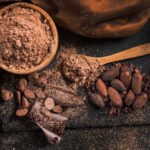
When these beans are gently crushed, they yield cacao nibs – crunchy, intensely bitter fragments that are essentially pure, unprocessed chocolate. Further grinding of these nibs produces a thick, liquor-like paste known as cacao mass or cacao liquor (despite the name, it contains no alcohol). This mass is still entirely cacao, retaining all its inherent fats, fibers, and micronutrients. It is from this foundational cacao mass that all future chocolate products, whether health-promoting or indulgent, ultimately derive.
At this stage, in its raw or minimally processed form, cacao is a nutritional powerhouse. It’s teeming with antioxidants, vital minerals, and unique phytochemicals that hint at its profound health potential. This is the starting point, the pristine origin from which all subsequent forms diverge.
The Fork in the Road: The Birth of Cocoa
The journey from cacao to cocoa marks a significant departure, a culinary alchemy driven by both flavor preferences and industrial efficiency. The pivotal moment arrived in the 19th century with the invention of the cocoa press by Coenraad Johannes van Houten. This ingenious device allowed for the separation of the fatty cocoa butter from the solid cocoa solids.
Cocoa powder is born when the cacao mass is subjected to high pressure, expelling most of its natural fat (cocoa butter). The remaining dry cake is then ground into a fine powder. This process, while seemingly simple, often involves several additional steps that profoundly impact the nutritional profile.
Here’s where the distinction becomes critical:
-
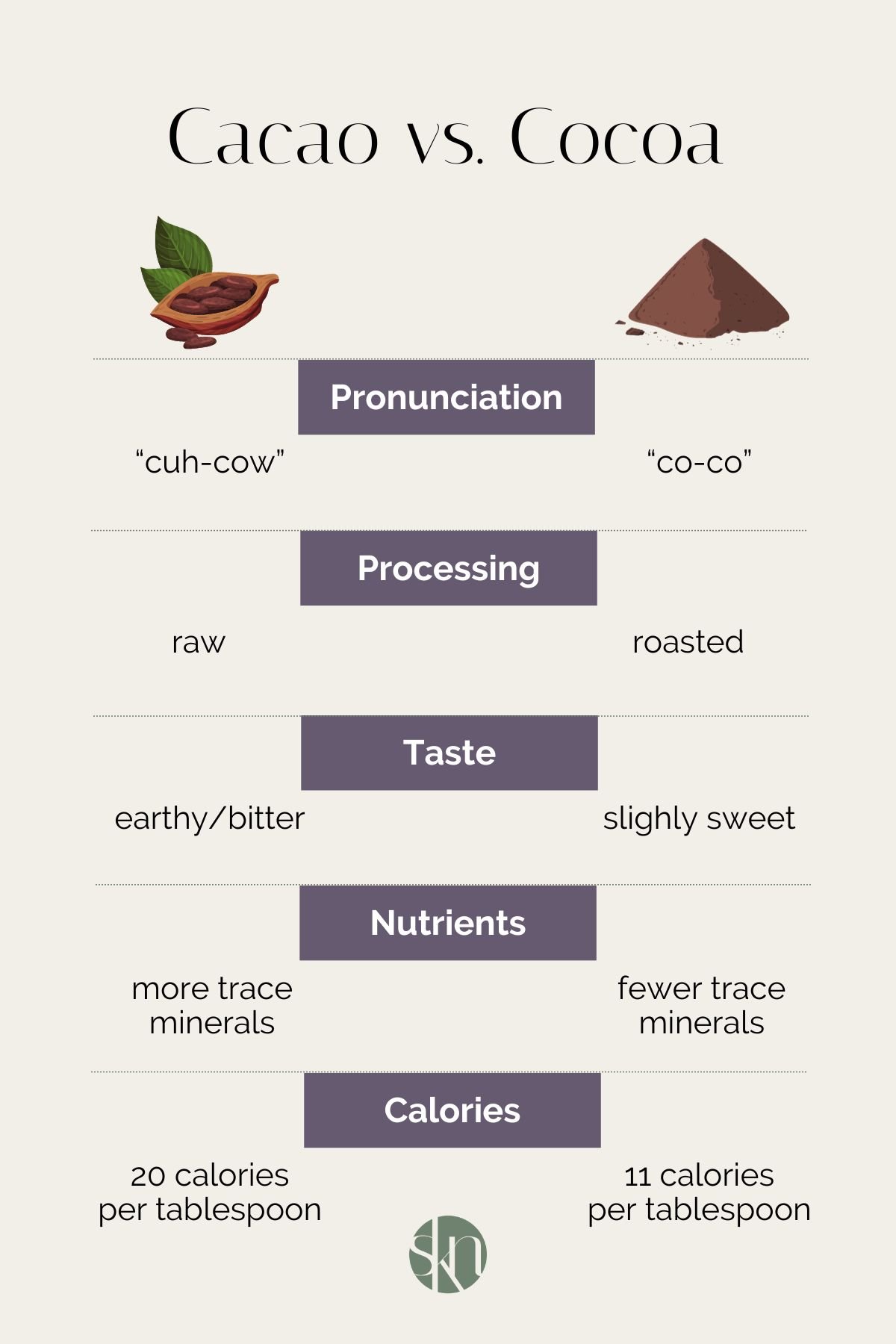
Roasting: Unlike the gentle drying of cacao beans, cocoa beans are typically roasted at high temperatures (often above 120°C or 250°F). Roasting develops distinct flavor notes, reduces bitterness, and sterilizes the beans. However, heat is a double-edged sword. While it enhances certain aromatic compounds, it can degrade heat-sensitive nutrients, particularly some of the delicate antioxidants (flavanols) that make cacao so potent.
-
Alkalization (Dutch-Processing): This is perhaps the most significant divergence. Many cocoa powders, especially those used in commercial baking and mass-produced chocolate, undergo a process called alkalization or "Dutch-processing." This involves treating the cocoa with an alkaline solution (like potassium carbonate) to neutralize its natural acidity. The goal is to create a darker, milder-tasting powder that dissolves more easily in liquids and has a less acidic flavor profile, which is often preferred for baking.
While Dutch-processing achieves its culinary aims, it comes at a steep nutritional cost. The change in pH drastically reduces the flavanol content of the cocoa, sometimes by as much as 60-90%. This is a crucial point that knowledgeable consumers must grasp.
So, when you encounter cocoa powder, it generally refers to cacao beans that have been roasted, pressed to remove most of the fat, and often alkalized. Cacao, on the other hand, typically refers to the minimally processed bean, nib, or powder that has not undergone high-heat roasting or alkalization.
The Nutritional Showdown: Cacao vs. Cocoa – A Head-to-Head Comparison
Now that we understand their origins and processing, let’s pit cacao against cocoa in a direct nutritional comparison, focusing on the key compounds that contribute to health.
1. Antioxidants (Flavanols and Polyphenols)
This is the undisputed heavyweight category, and where the most significant differences lie.
-
Cacao: Unprocessed or minimally processed cacao is an antioxidant behemoth. It is exceptionally rich in flavanols (a type of polyphenol), particularly epicatechin, catechin, and procyanidins. These compounds are renowned for their ability to combat oxidative stress, neutralize free radicals, and reduce inflammation throughout the body. Studies consistently show that raw cacao has one of the highest antioxidant capacities (ORAC value) among all foods, surpassing even blueberries, acai, and green tea. The gentle processing of cacao helps preserve these delicate compounds, maximizing their bioavailability and efficacy.