
The morning ritual is a sacred space for many. For some, it’s the quiet contemplation accompanying a steaming cup of tea. For others, it’s the invigorating jolt of coffee. But tucked away in the shadows of these ubiquitous beverages, often relegated to the realm of guilty pleasures or childhood indulgences, lies a dark, velvety secret: cocoa. We associate it with decadent desserts, comforting hot chocolate on a cold day, or perhaps the sugary confections of a holiday. Rarely do we frame it as a daily elixir, a potent brew teeming with the power to transform our health.
This perception, however, is a disservice to one of nature’s most remarkable gifts. For millennia, long before it was sweetened and packaged, cacao was revered by ancient civilizations – the Mayans and Aztecs – as "food of the gods." They understood its profound energy-giving and medicinal properties, consuming it in bitter, unsweetened forms as a vital part of their daily lives and sacred ceremonies. Fast forward to today, and modern science is finally catching up, peeling back the layers of misconception to reveal a truth far richer than any truffle: your morning cocoa, when chosen wisely, is not merely a treat, but a powerful ally in your pursuit of holistic well-being.
Prepare to journey beyond the mug, to unravel the surprising narrative of this humble bean, and discover how incorporating it into your daily routine can unlock a symphony of health benefits that extend far beyond a moment of sweet indulgence. We’re not talking about highly processed, sugar-laden cocoa mixes here, but rather the pure, unadulterated essence of cacao – dark, rich, and brimming with bioactive compounds. Let’s redefine your morning ritual, one deeply satisfying sip at a time.
The Overture: A Culinary History & A Modern Reawakening
Before we dive into the specific health benefits, it’s essential to understand the journey of cocoa. The cacao tree, Theobroma cacao, is native to the rainforests of Central and South America. Its pods contain beans that, once fermented, dried, roasted, and ground, become cocoa liquor. This liquor can then be pressed to separate cocoa butter from cocoa solids, which are then ground into cocoa powder. The key to its health benefits lies in its raw, less processed forms, specifically dark chocolate (70% cacao or higher) or pure cacao powder. These forms retain the highest concentration of the magical compounds known as flavonoids and other polyphenols.
Our ancestors understood this instinctively. The Mayans drank xocolatl, a bitter, spiced cacao beverage, believing it imparted wisdom and vitality. The Aztecs used cacao beans as currency and as a ritualistic offering. It was only after its introduction to Europe in the 16th century that cocoa began its transformation into the sweetened confection we largely recognize today. Yet, the underlying power remained, merely overshadowed by sugar and milk. Now, in an age of nutritional enlightenment, we are reclaiming cocoa’s ancient wisdom, recognizing it not just as a flavor, but as a functional food.
1. The Heart’s Sweet Symphony: Cardiovascular Wellness
Imagine starting your day with a drink that actively nurtures your cardiovascular system, silently working to keep your heart robust and your blood vessels supple. This isn’t a futuristic fantasy; it’s the reality of a daily cocoa habit. The heart, the tireless pump of our bodies, benefits immensely from the high concentration of flavonoids found in cocoa, particularly epicatechin.
These powerful antioxidants act like tiny guardians within your blood vessels. They promote the production of nitric oxide (NO), a crucial molecule that signals your blood vessel walls to relax and widen. This process, known as vasodilation, is vital for maintaining healthy blood pressure. When blood vessels are relaxed, blood flows more freely, reducing the strain on your heart. Studies have consistently shown that regular consumption of flavonoid-rich cocoa can lead to significant reductions in both systolic and diastolic blood pressure, particularly in individuals with hypertension.
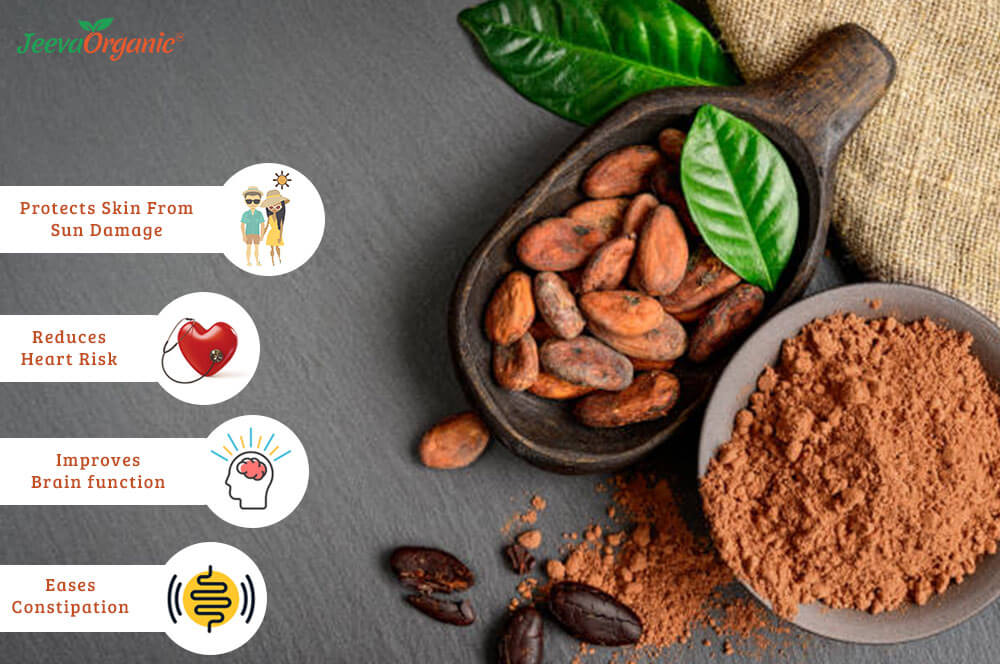
Beyond blood pressure, cocoa’s compounds also improve endothelial function – the health and elasticity of the inner lining of your blood vessels. A healthy endothelium is key to preventing the build-up of plaque that can lead to atherosclerosis, heart attacks, and strokes. Furthermore, cocoa helps to reduce LDL ("bad") cholesterol oxidation, a critical step in the formation of arterial plaque, while simultaneously increasing HDL ("good") cholesterol levels. It’s like a multi-pronged defense system, fortifying your heart from various angles, ensuring its longevity and efficiency. Each velvety sip becomes a silent pledge to your most vital organ.
2. Fueling the Mind’s Fire: Cognitive Enhancement
From the beating heart, let’s travel north to the intricate labyrinth of the brain. For centuries, thinkers and creators have sought elixirs to sharpen their minds, enhance focus, and spark creativity. While coffee often takes the spotlight for mental alertness, cocoa offers a more nuanced, sustained cognitive boost, devoid of the jitters.
The same flavonoids that benefit your heart also work wonders for your brain. By improving blood flow, cocoa ensures that your brain receives a more robust supply of oxygen and essential nutrients. This increased cerebral blood flow is directly linked to enhanced cognitive function, including improved memory, attention span, and problem-solving skills. Imagine your brain as a bustling city; cocoa helps to widen the highways, allowing traffic (blood, oxygen, nutrients) to flow more smoothly, preventing bottlenecks and ensuring all districts are well-serviced.
But the magic doesn’t stop there. Cocoa’s polyphenols also have neuroprotective effects, shielding brain cells from oxidative stress and inflammation, which are major contributors to age-related cognitive decline and neurodegenerative diseases like Alzheimer’s and Parkinson’s. Some research even suggests that cocoa can stimulate the production of brain-derived neurotrophic factor (BDNF), a protein crucial for the growth and survival of neurons and for the formation of new connections in the brain – a process known as neurogenesis. This means cocoa isn’t just protecting your existing brain cells; it might also be helping you grow new ones and strengthen existing neural pathways. So, as you savor your morning cocoa, you’re not just enjoying a taste; you’re engaging in a profound act of mental nourishment, laying the groundwork for a day of sharper thinking and clearer focus.
3. The Mood Mender: Elevating Emotional Well-being
We’ve all experienced the comforting embrace of chocolate, that almost immediate lift in spirits it provides. While often attributed to sugar or the simple pleasure of indulgence, cocoa itself possesses intrinsic mood-enhancing properties that go beyond mere gratification. It’s a natural antidepressant, a gentle nudge towards a sunnier disposition.
Cocoa contains several compounds that interact with neurotransmitters in the brain, those chemical messengers that regulate mood. One key player is tryptophan, an amino acid precursor to serotonin, often dubbed the "feel-good" hormone. By boosting serotonin levels, cocoa can contribute to feelings of calmness and well-being, helping to alleviate symptoms of anxiety and depression.
Furthermore, cocoa is a source of phenylethylamine (PEA), a compound sometimes referred to as the "love drug" because it’s released in the brain when we’re in love. PEA acts as a mild stimulant, promoting alertness and focus, and elevating mood. It also contains anandamide, a cannabinoid produced naturally in the brain, often called the "bliss molecule" because it temporarily blocks feelings of pain and depression. While the concentrations of these compounds in cocoa might be relatively small, their combined effect, alongside the release of endorphins triggered by the sheer pleasure of consumption, creates a powerful mood-boosting synergy.
So, your morning cocoa isn’t just a fleeting pleasure; it’s a deliberate act of self-care, a delicious way to recalibrate your emotional compass and infuse your day with a subtle, yet profound sense of contentment and joy. It’s a warm, liquid hug for your soul.
4. A Radiant Glow: Skin Health and Protection
When you think of beauty rituals, applying creams and serums might come to mind, but what about nourishing your skin from within? This is where cocoa steps onto the stage, offering surprising benefits for skin health that transcend topical applications. Forget the myth that chocolate causes acne; pure cocoa is a potent ally for a glowing complexion.
The high antioxidant content of cocoa, particularly flavonoids, plays a crucial role here. These compounds help to protect skin cells from damage caused by free radicals, unstable molecules generated by environmental stressors like UV radiation, pollution, and even everyday metabolic processes. This oxidative stress is a primary driver of premature aging, leading to wrinkles, fine lines, and dullness. By neutralizing free radicals, cocoa helps to maintain the integrity and youthfulness of your skin.
Moreover, cocoa has been shown to improve blood flow to the skin, which means more oxygen and nutrients are delivered to skin cells, promoting regeneration and repair. This enhanced circulation can contribute to a healthier, more vibrant complexion, giving your skin a natural, healthy glow. Some studies have even indicated that regular cocoa consumption can increase skin density and hydration, and improve skin elasticity. It can also offer a degree of photoprotection, making your skin more resilient to the harmful effects of sun exposure, though it should never replace proper sunscreen.
Imagine: each morning, as you sip your cocoa, you’re not just hydrating your body; you’re internally fortifying your skin, building a radiant shield from within. It’s a truly delicious secret to a luminous glow.