
The Unseen Crucible: Where Biology Becomes Magic
For millennia, humanity has chased the elusive dream of alchemy – the transmutation of base elements into gold, the discovery of the Philosopher’s Stone that promised eternal youth and perfect health. While the alchemists of old sought their secrets in bubbling beakers and ancient texts, the most profound form of alchemy has always resided within us, operating silently, profoundly, every single night. This is biological alchemy, and its most potent catalyst is a consistent eight hours of sleep.
We live in an age that often glorifies busyness, where sleep is frequently viewed as a luxury, a concession to weakness, or merely a downtime from our relentless pursuits. Yet, this perspective is a profound miscalculation, an oversight of the very engine that powers our existence. Sleep is not merely a pause; it is a meticulously choreographed biological symphony, a nightly transformation that refines, restores, and rebuilds the very fabric of our physical being. It is in the dark, quiet hours of slumber that our bodies perform their most sophisticated magic, converting the raw material of daily life into the refined gold of peak physical health.
This article invites you on a journey into the hidden world of sleep, to uncover the scientific marvels that unfold within our bodies during those precious eight hours. We will explore how sleep acts as a sophisticated alchemical lab, meticulously preparing, restoring, and fortifying us, turning what many consider a passive state into an active, powerful process of regeneration. For the knowledgeable audience, we will delve into the cellular, hormonal, and systemic mechanisms at play, illustrating why prioritizing sleep is not just good advice, but the most fundamental strategy for achieving and maintaining optimal physical vitality.
Part 1: The Alchemist’s Lab – Preparing the Vessel
Before any great transformation can occur, the alchemist must first understand their materials and the environment in which their work will take place. In the realm of biological alchemy, our body is the vessel, and the conditions of sleep are the carefully controlled environment.
The Ignorance of Modernity:
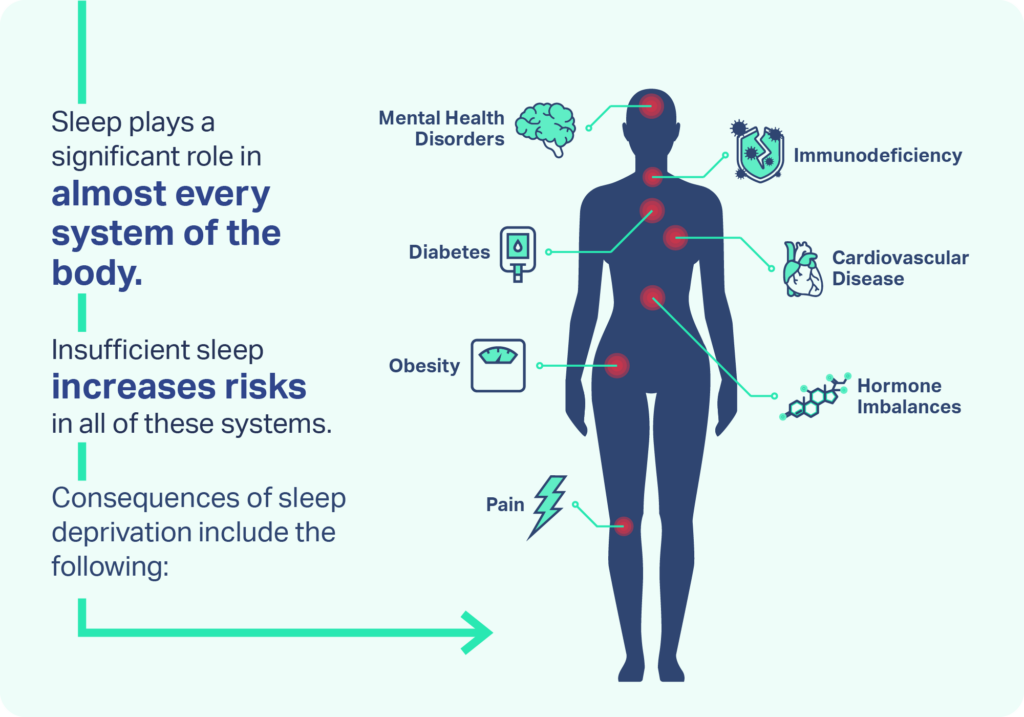
Our modern world, with its relentless demands and constant digital stimulation, has fostered a culture of sleep deprivation. We often wear our lack of sleep as a badge of honor, a testament to our productivity. Yet, this perspective is akin to neglecting the foundational elements of a grand edifice. Chronic sleep deprivation, even by just an hour or two per night, doesn’t merely make us tired; it actively dismantles the intricate alchemical processes designed to keep us healthy. It’s a slow, insidious erosion of our physical resilience, leading to a cascade of negative health outcomes that range from impaired cognitive function to chronic disease.
The Stages of Sleep: The Alchemist’s Blueprint:
Sleep is not a monolithic state but a complex progression through distinct stages, each with its own crucial role in our nightly transformation. These stages, broadly categorized into Non-Rapid Eye Movement (NREM) and Rapid Eye Movement (REM) sleep, occur in recurring cycles throughout the night. A typical 8-hour sleep period allows for approximately 4-5 complete cycles, ensuring that each alchemical process has ample time to complete its work.
-
NREM Sleep (The Deep Restoration): NREM sleep is further divided into three stages:
- N1 (Light Sleep): The transitional phase, where the body begins to relax, heart rate and breathing slow. This is the initial cooling of the furnace, preparing for deeper work.
- N2 (True Sleep): A deeper stage where muscle activity decreases, and conscious awareness fades. Brain waves slow further. This is where the alchemical preparations truly begin, as the body disengages from external stimuli.
- N3 (Slow-Wave Sleep, SWS, or Deep Sleep): This is the crucible where much of the profound physical alchemy takes place. Characterized by delta waves, SWS is when the body undertakes its most intensive repair and regeneration.
- Cellular Repair and Growth: During SWS, the pituitary gland releases a significant surge of Human Growth Hormone (HGH). HGH is not just for children; in adults, it’s critical for cellular regeneration, muscle repair, bone density maintenance, and fat metabolism. This is where microscopic tears in muscle fibers are mended, and cellular structures are rebuilt.
- Energy Restoration: Adenosine triphosphate (ATP), the primary energy currency of the cell, is replenished. The brain, which consumes a staggering amount of energy during waking hours, gets a chance to rest and restore its energy reserves, preparing for the next day’s cognitive demands.
- Waste Clearance (The Glymphatic System): Perhaps one of the most remarkable discoveries in recent sleep science is the glymphatic system. During SWS, glial cells in the brain actually shrink, increasing the interstitial space between neurons. This allows cerebrospinal fluid (CSF) to flow more freely, essentially "flushing" metabolic waste products, including neurotoxic proteins like amyloid-beta, which are implicated in neurodegenerative diseases like Alzheimer’s. Think of it as the brain’s nightly detox, draining away the byproducts of the day’s neural activity. Without sufficient deep sleep, this critical detoxification process is impaired, leading to a buildup of cellular debris.
-
REM Sleep (The Mental Refinement): While NREM is primarily focused on physical restoration, REM sleep (characterized by rapid eye movements, vivid dreams, and increased brain activity) plays a crucial role in cognitive and emotional processing, which indirectly but powerfully impacts physical health.
- Emotional Regulation: REM sleep helps process emotional experiences, reducing the impact of stress and anxiety. A well-regulated emotional state reduces chronic stress, which in turn lowers cortisol levels and mitigates systemic inflammation – both critical for physical health.
- Memory Consolidation: Memories are transferred from short-term to long-term storage, enhancing learning and skill acquisition. While not directly physical, a sharp mind contributes to better decision-making regarding diet, exercise, and overall self-care.