
This is the story of Solanum torvum, not just as a foodstuff, but as a miniature biochemical factory, tirelessly producing compounds that offer a formidable defense against the ravages of oxidative stress. It is a narrative that bridges ancient wisdom with cutting-edge research, revealing why these berries, once whispered about in traditional medicine, are now shouting their potential from the pages of scientific journals.
The Unsung Hero: Introducing Solanum torvum
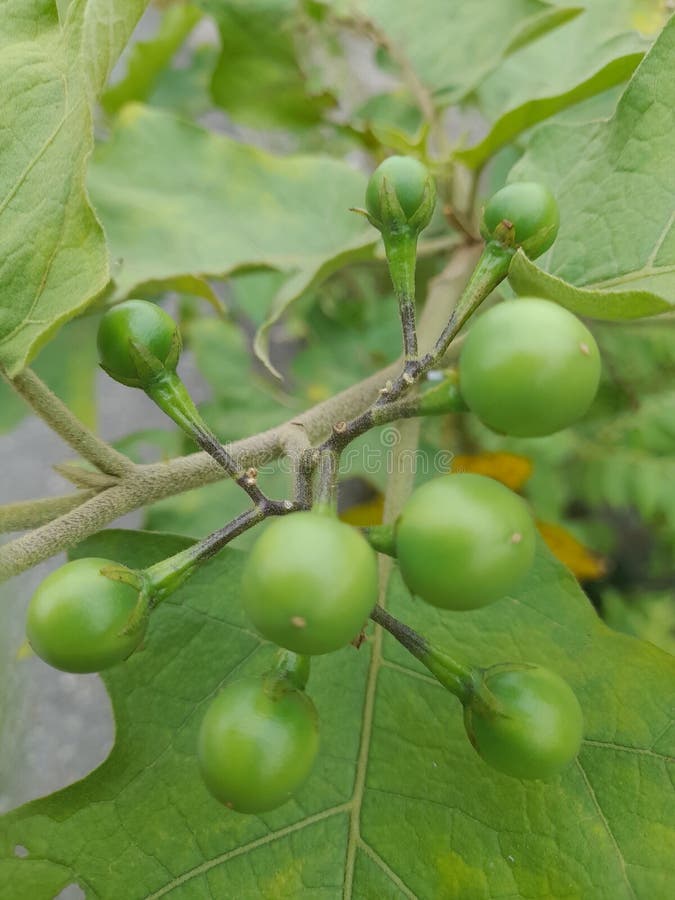
Before delving into the intricate dance of antioxidants, it’s essential to properly introduce our protagonist. Solanum torvum, commonly known as turkey berry, devil’s fig, pea eggplant, or sundakkai (in Tamil), is a perennial shrub belonging to the Solanaceae family. Native to Central and South America, it has spread globally, thriving in tropical and subtropical regions. Its robust nature, marked by thorny stems and deeply lobed leaves, allows it to flourish in diverse environments, often colonizing disturbed lands. The berries themselves are small, green, and pea-sized, ripening to yellow or orange, though they are predominantly consumed in their unripe, green state.
For generations, turkey berries have been an integral part of traditional diets and pharmacopeias. In West Africa, they are used in soups and stews, valued for their slightly bitter taste and textural contribution. In India and Sri Lanka, they are a key ingredient in curries, poriyals (stir-fries), and even traditional remedies for indigestion and anemia. Caribbean cultures incorporate them into savory dishes, and in Thailand, they are indispensable in certain green curries, offering a unique flavor and perceived health benefits. This widespread traditional use across disparate cultures hints at an underlying efficacy, a folk wisdom passed down through generations that modern science is now eager to validate.
The Silent War Within: Understanding Oxidative Stress
To appreciate the significance of turkey berries’ antioxidant prowess, we must first understand the enemy: oxidative stress. Our bodies are incredibly complex machines, constantly performing a myriad of biochemical reactions to sustain life. Many of these reactions, particularly those involved in energy production, generate byproducts known as reactive oxygen species (ROS) and reactive nitrogen species (RNS). These highly reactive molecules, often called "free radicals," possess unpaired electrons, making them inherently unstable and eager to react with other molecules to achieve stability.
In controlled amounts, ROS and RNS play crucial roles in cellular signaling, immune defense, and even gene expression. They are the body’s internal messengers and defenders. However, when their production overwhelms the body’s intrinsic antioxidant defenses, a state of imbalance known as oxidative stress ensues.
Oxidative stress is akin to rust forming on a vital component. These free radicals indiscriminately attack essential cellular components:
- Lipids: Leading to lipid peroxidation, damaging cell membranes and disrupting cellular integrity.
- Proteins: Altering their structure and function, impairing enzyme activity and structural support.
- DNA: Causing mutations, breaks, and other damage that can lead to uncontrolled cell growth (cancer) or premature cell death.
The cumulative effect of unchecked oxidative stress is implicated in the pathogenesis of a vast array of chronic diseases, including cardiovascular diseases (atherosclerosis), neurodegenerative disorders (Alzheimer’s, Parkinson’s), diabetes, various cancers, chronic inflammation, and accelerated aging. It is a silent, insidious force that erodes cellular health over time.
The Body’s Defense: The Role of Antioxidants
Fortunately, nature has equipped living organisms with an elaborate defense system against oxidative stress: antioxidants. These remarkable molecules are "radical scavengers," capable of neutralizing free radicals by donating an electron without becoming unstable themselves, thus breaking the chain reaction of damage.
Antioxidants can be broadly categorized into:
- Enzymatic Antioxidants: Produced endogenously by the body, such as superoxide dismutase (SOD), catalase (CAT), and glutathione peroxidase (GPx). These enzymes convert harmful free radicals into less reactive molecules.
- Non-Enzymatic Antioxidants: Obtained primarily through diet. These include vitamins (C, E), carotenoids, and a vast array of phytochemicals (plant-derived compounds) like flavonoids, phenolic acids, and alkaloids.
While our bodies possess their own enzymatic defenses, these systems can be overwhelmed by excessive free radical production or depleted by poor nutrition. This is where dietary antioxidants become indispensable. They act as a crucial external reinforcement, helping to maintain the delicate balance between pro-oxidants and antioxidants, thereby safeguarding cellular health.
Turkey Berries: A Treasure Trove of Phytochemicals
The scientific journey into Solanum torvum‘s antioxidant profile reveals not a single hero, but an entire legion of compounds working in concert. The berry’s complex matrix of phytochemicals is a testament to nature’s sophisticated pharmacy, offering a multi-pronged attack against oxidative damage.
1. Phenolic Compounds: The Backbone of Defense
Phenolic compounds are arguably the most significant contributors to turkey berries’ antioxidant capacity. These are a diverse group of secondary plant metabolites characterized by the presence of aromatic rings with hydroxyl groups. Their structure allows them to readily donate hydrogen atoms or electrons to stabilize free radicals.
-
Flavonoids: This subclass of phenolics is particularly abundant in turkey berries. Flavonoids are famous for their vibrant colors in plants and their myriad health benefits. In S. torvum, significant levels of flavonoids like quercetin, kaempferol, luteolin, and rutin have been identified.