
In the grand tapestry of human sensory experience, few elements possess the evocative power of vanilla. Its very name conjures images of warmth, comfort, and delicate sweetness. It is the silent sentinel of countless desserts, the velvet whisper in a morning coffee, the comforting embrace in a luxurious perfume. For centuries, vanilla has been celebrated for its exquisite aroma and nuanced flavor, a prized commodity that has journeyed from ancient Mesoamerican forests to the world’s most sophisticated kitchens. Yet, beneath this seemingly gentle exterior lies a profound secret, a robust and surprising biochemical arsenal that challenges our very perception of this beloved spice: the potent, intricate, and often overlooked antioxidant profile of real vanilla.
To truly appreciate vanilla’s hidden power, we must first embark on a journey, one that traverses history, delves into the intricate world of molecular biology, and ultimately confronts our preconceptions. This is not merely an article about a spice; it is a narrative of discovery, a story of how a seemingly innocuous ingredient harbors a complexity that places it among nature’s most compelling defenders against the insidious forces of oxidative stress.
The Grand Deception: Why We Underestimate Vanilla
Our underestimation of vanilla’s health benefits is a tale woven from several threads. Firstly, its primary role in our culinary landscape is as a flavor enhancer, a luxurious accessory rather than a staple ingredient. We don’t consume vanilla by the handful, like blueberries, or steep it by the cup, like green tea. Its cost, driven by the arduous, hand-pollinated cultivation process, also relegates it to a sparingly used indulgence.
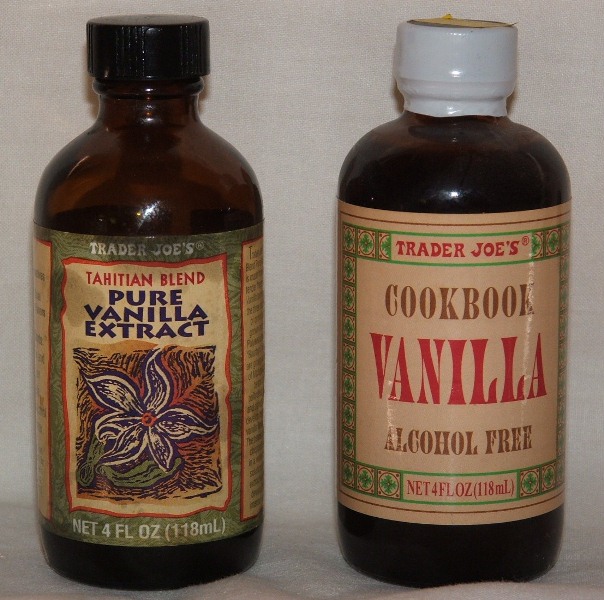
Secondly, and perhaps most significantly, the ubiquitous presence of artificial vanilla has diluted our understanding of the real thing. Synthetic vanillin, a single aromatic compound, dominates the market due to its affordability and ease of production. While it mimics vanilla’s signature note, it is a pale shadow of the true extract, lacking the hundreds of other volatile and non-volatile compounds that contribute to real vanilla’s depth of flavor, and, crucially, its profound antioxidant capacity. We have, in essence, been tricked into believing that the singular note of vanillin represents the entire symphony.
This pervasive misconception has allowed other "superfoods" – acai, turmeric, kale, dark chocolate – to bask in the limelight of antioxidant fame. While their merits are undeniable, real vanilla has quietly, elegantly, remained a dark horse, its powerful chemistry largely unnoticed by the general public and, until relatively recently, under-explored by the scientific community.
A Journey Through Time: Vanilla’s Noble Past
The story of vanilla begins not in a test tube, but in the humid rainforests of what is now Mexico, where the Totonac people were likely the first to cultivate and process the fruit of the Vanilla planifolia orchid. For them, vanilla was not just a flavoring; it was a sacred herb, an aphrodisiac, and a medicine. It was part of their rituals, a symbol of fertility and divine power. When the Aztecs conquered the Totonacs in the 15th century, they too became enamored with vanilla, calling it "tlilxochitl" or "black flower," and using it to flavor their ceremonial chocolate drink, xocolatl. Even then, its calming and fortifying properties were recognized, suggesting an intuitive understanding of its deeper physiological impact.
The arrival of the Spanish conquistadors, most notably Hernán Cortés, in the early 16th century marked vanilla’s introduction to Europe. Initially, it was a curiosity, a rare and exotic spice used almost exclusively by the aristocracy to flavor chocolate. For centuries, its cultivation remained confined to Mexico, as the orchid’s natural pollinator, the tiny Melipona bee, existed nowhere else. This bottleneck made vanilla one of the most expensive and exclusive spices on Earth.
It wasn’t until 1841, when a 12-year-old enslaved boy named Edmond Albius on the French island of Réunion discovered the technique of hand-pollinating the vanilla orchid, that its cultivation could spread globally. This ingenious method, still used today, transformed vanilla from a regional rarity into a global commodity, though its labor-intensive nature ensured its continued status as a luxury item. This rich history, spanning millennia and continents, speaks to vanilla’s inherent value, not just for its taste, but for an elusive quality that resonated with ancient cultures long before the advent of modern chemistry.
Unveiling the Arsenal: The Chemistry of Real Vanilla
To understand vanilla’s antioxidant prowess, we must delve into its intricate molecular architecture. Real vanilla extract is not a simple solution; it is a complex matrix containing hundreds of compounds, each contributing to its unique sensory profile and, as we are now discovering, its profound biological activity. While vanillin (4-hydroxy-3-methoxybenzaldehyde) is the most abundant and recognizable aromatic compound, it is merely the tip of a very potent iceberg.
The Phenolic Powerhouses: The true heroes of vanilla’s antioxidant story are its phenolic compounds. These phytochemicals are characterized by their hydroxyl groups attached to aromatic rings, rendering them exceptionally adept at neutralizing rogue free radicals – unstable molecules that can damage cells, proteins, and DNA, leading to chronic diseases and accelerating aging.
Among the prominent phenolic acids found in real vanilla are:
-
Vanillic Acid: A metabolite of vanillin, vanillic acid is itself a potent antioxidant and anti-inflammatory agent. Studies have shown its ability to scavenge free radicals, inhibit lipid peroxidation, and protect against oxidative damage in various cellular models. It contributes to vanilla’s overall defensive capabilities, acting both directly and as a crucial component in the synergistic blend.
-
p-Hydroxybenzoic Acid: Another key phenolic acid, p-hydroxybenzoic acid is a well-documented antioxidant. It plays a role in protecting cellular components from oxidative damage and has been investigated for its potential anti-carcinogenic properties. Its presence in vanilla further reinforces the spice’s robust antioxidant capacity.
-
Protocatechuic Acid: This phenolic acid is widely distributed in edible plants and is recognized for its strong antioxidant activity, often comparable to or even exceeding that of vitamin C. It exhibits broad-spectrum radical scavenging capabilities and has been studied for its potential neuroprotective and cardioprotective effects. Its inclusion in vanilla’s biochemical repertoire is a significant contributor to its health-promoting properties.
-
Ferulic Acid: Commonly found in plant cell walls and seeds, ferulic acid is a powerful antioxidant, often employed in skincare products due to its ability to protect against UV-induced damage. In vanilla, it acts as a potent free radical scavenger and can enhance the stability of other antioxidants, like vitamin E. Its presence underscores vanilla’s capacity for multi-faceted defense.
-
Caffeic Acid: Despite its name, caffeic acid is not exclusive to coffee; it is a common phenolic acid found in a wide variety of plants. It is a highly effective antioxidant and anti-inflammatory compound, known for its ability to chelate metal ions (which can catalyze free radical formation) and inhibit the activity of pro-oxidant enzymes. Its contribution to vanilla’s profile adds another layer of sophisticated protection.