
Prologue: The Shadow of the Silent Scourge
In the vast tapestry of human health, few conditions cast as wide and insidious a shadow as anemia. It is a silent scourge, a pervasive ailment that whispers fatigue into the bones, steals the vibrant hue from the skin, and dulls the sharp edge of cognitive function. Globally, it remains one of the most widespread nutritional deficiencies, affecting billions – particularly women, children, and those in low-income communities. While often attributed to simple iron deficiency, the narrative of anemia is far more complex, interwoven with issues of nutrient absorption, chronic inflammation, parasitic infections, and overall nutritional status.
For centuries, conventional medicine has offered its remedies: iron supplements, dietary adjustments, and, in severe cases, transfusions. Yet, these solutions, while often effective, come with their own set of challenges – side effects like constipation and nausea, compliance issues, and the sheer scale of the problem making widespread, affordable intervention difficult in many regions. This persistent struggle has compelled both sufferers and scientists to look beyond the pharmaceutical aisle, turning their gaze towards the enduring wisdom held within nature’s pharmacopeia. It is here, in the unassuming verdancy of the tropics and subtropics, that our story truly begins – with a humble, often overlooked berry, known colloquially as the Turkey Berry.
Chapter 1: A Whisper from the Wild – Introducing Solanum torvum
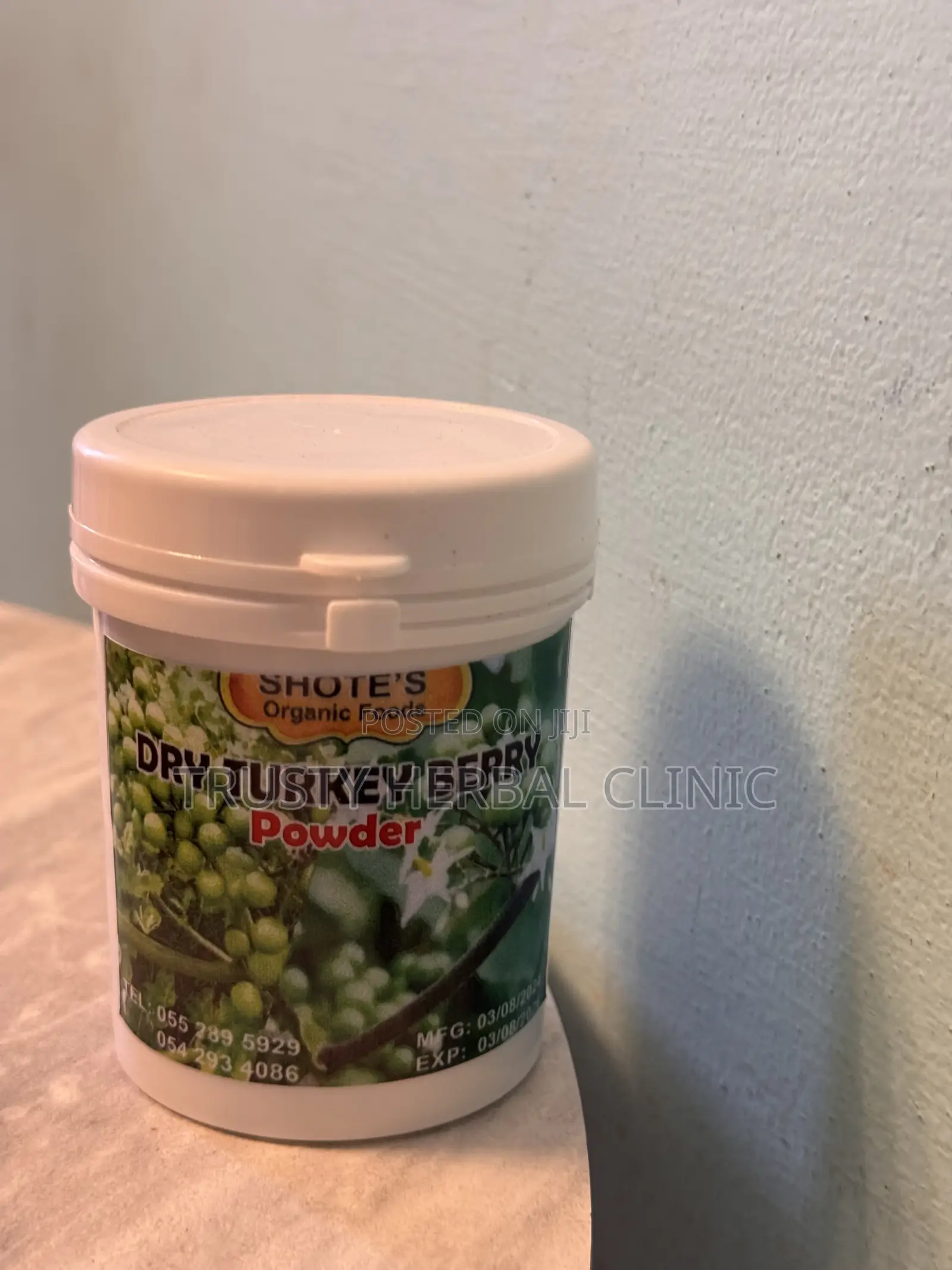
Imagine a resilient shrub, often reaching a modest height, its stems armed with small prickles, its leaves deeply lobed, and its branches laden with clusters of small, green, pea-sized berries. This is Solanum torvum, a member of the diverse Solanaceae family, a cousin to the tomato, potato, and eggplant. Known by a multitude of names across cultures – "susumber" in Jamaica, "pea eggplant" in Southeast Asia, "devil’s fig" in some parts, and, most commonly, "Turkey Berry" – its unassuming appearance belies a rich history of traditional medicinal and culinary use.
From the sun-drenched landscapes of Africa to the lush rainforests of Central and South America, across the vibrant markets of Southeast Asia, and throughout the Caribbean islands, Solanum torvum has woven itself into the fabric of daily life. It is not merely a wild plant; it is a cultural artifact, a living testament to generations of empirical knowledge passed down through oral traditions, local healers, and family recipes. In many of these regions, its berries are consumed both ripe and unripe, featuring prominently in stews, curries, and soups, prized for their slightly bitter, pungent taste which adds a unique depth to local cuisines.
But beyond its culinary charm, it is the plant’s deep-seated reputation as a medicinal powerhouse that truly draws our attention. For centuries, traditional healers and elders have pointed to Solanum torvum as a remedy for a spectrum of ailments: diabetes, hypertension, coughs, colds, digestive issues, and notably, conditions associated with "blood weakness" or, as we now understand it, anemia. They observed that those who regularly consumed the berries, particularly women postpartum or individuals recovering from illness, often exhibited greater vitality, better energy levels, and a healthier complexion. This anecdotal evidence, steeped in generations of observation, served as the initial, compelling whisper that would eventually beckon the discerning eye of modern science.
Chapter 2: The Scientific Gaze – Unearthing the Phytochemical Arsenal
The transition from folklore to scientific inquiry is a journey of meticulous observation, rigorous experimentation, and the tireless pursuit of understanding. When scientists began to peer into the chemical composition of the Turkey Berry, they discovered not a single magic bullet, but a complex symphony of bioactive compounds – a veritable phytochemical arsenal working in concert. This discovery began to explain why the green whisper from the wild had such profound effects on "blood weakness."
At the heart of Solanum torvum‘s therapeutic potential lies its rich and diverse phytochemical profile. Researchers have identified:
- Saponins: These complex organic compounds are known for their foaming properties and have been implicated in various biological activities, including anti-inflammatory, cholesterol-lowering, and immune-modulating effects. Critically, some saponins are also believed to enhance nutrient absorption in the gut.
- Flavonoids: A vast group of plant pigments, flavonoids are renowned for their potent antioxidant and anti-inflammatory properties. They scavenge harmful free radicals, protect cells from oxidative damage, and modulate inflammatory pathways, all of which are highly relevant to the multifaceted nature of anemia.
- Alkaloids: Nitrogen-containing compounds often associated with significant pharmacological activity. While some alkaloids can be toxic in high doses, many are therapeutically valuable, contributing to the plant’s overall medicinal effects.
- Steroidal Glycosides: These compounds, including specific solasodine derivatives, have garnered interest for their anti-inflammatory, antimicrobial, and even anti-cancer properties.
- Phenolic Compounds: Beyond flavonoids, a wide array of other phenolic acids and compounds contribute to the plant’s antioxidant capacity.
- Vitamins and Minerals: While perhaps not an exceptionally rich source of elemental iron itself compared to, say, red meat, the Turkey Berry does contain trace amounts of essential vitamins and minerals, including some B vitamins, vitamin C, and other minerals that play synergistic roles in hematopoiesis (blood cell formation) and iron metabolism.
It is this intricate blend of compounds, rather than a single dominant ingredient, that suggests a holistic mechanism of action, addressing anemia not just by providing iron, but by optimizing the body’s ability to utilize it and by combating underlying factors that contribute to the condition.
Chapter 3: The Multifaceted Mechanism – Beyond Just Iron
The narrative of Turkey Berries combating anemia is not a simplistic tale of "plant X contains iron, therefore it cures anemia." It is a sophisticated story of biochemical synergy, addressing multiple facets of the disease. The scientific exploration has begun to unravel several key mechanisms through which Solanum torvum appears to exert its hematinic effects:
3.1. Enhancing Iron Absorption and Bioavailability:
Iron deficiency anemia (IDA) is not always about insufficient iron intake; often, it’s about poor absorption. Dietary iron exists in two forms: heme iron (from animal sources, highly bioavailable) and non-heme iron (from plant sources, less bioavailable). Non-heme iron, particularly ferric iron (Fe3+), needs to be reduced to ferrous iron (Fe2+) to be effectively absorbed in the duodenum.
- Vitamin C and Organic Acids: Turkey berries, like many fruits, contain vitamin C and other organic acids. Vitamin C is a powerful reducing agent, converting Fe3+ to the more absorbable Fe2+. It also forms soluble complexes with iron in the gut, further enhancing its uptake. While the exact concentration of vitamin C in Solanum torvum varies, its presence, alongside other organic acids, likely plays a significant role in improving non-heme iron absorption from meals.
- Saponins and Gut Permeability: Some research suggests that saponins can transiently increase the permeability of the intestinal lining, potentially facilitating the absorption of various nutrients, including iron. While this mechanism requires more targeted study for S. torvum, it’s a plausible contributor to enhanced nutrient uptake.
- Counteracting Inhibitors: Dietary inhibitors like phytates and tannins (present in many plant foods, tea, coffee) can bind to non-heme iron, making it unavailable for absorption. While S. torvum itself may contain some of these, its overall composition and traditional preparation methods (e.g., cooking in stews) might mitigate their effects or its co-consumption with other iron-rich foods might provide a net benefit by enhancing absorption beyond what would otherwise occur.
3.2. Combating Inflammation: Addressing Anemia of Chronic Disease (ACD):