
In a world increasingly captivated by superfoods, exotic fruits, and the relentless pursuit of optimal nutrition, a colossal, spiky enigma has quietly but powerfully asserted its dominance. Originating from the lush, verdant landscapes of South Asia, the jackfruit (Artocarpus heterophyllus) is far more than just a peculiar fruit; it is a culinary chameleon, a cultural icon, and a nutritional titan. Its journey from ancient groves, where it sustained generations, to its current status as a global phenomenon, gracing health food stores and gourmet kitchens alike, is a testament to its multifaceted virtues. This isn’t merely a tale of a fruit, but an odyssey – a deep dive into the heart of its nutritional prowess, revealing how its exceptional bounty of fiber, potassium, and inherent energetic power can profoundly reshape our understanding of healthful eating.
For the knowledgeable palate and the discerning mind, the jackfruit presents a fascinating study. It challenges preconceived notions of what a fruit can be, offering a savory, fibrous texture when unripe that mimics meat, and a sweet, succulent flesh when ripe that delights as a tropical treat. But beyond its remarkable versatility lies a nutritional profile that deserves a spotlight, particularly its significant contributions of dietary fiber, essential potassium, and the sustained energy it provides. Let us embark on this journey, peeling back the layers of this magnificent fruit to uncover the secrets of its enduring power.
The Jackfruit Saga: A Brief History and Botanical Marvel
The story of the jackfruit begins millennia ago, deeply rooted in the cultural and agricultural tapestries of India, where it is believed to have originated, and subsequently spread throughout Southeast Asia. Ancient Sanskrit texts mention its presence, highlighting its long-standing importance as a staple food. It is not merely a tree; it is an institution in many tropical regions, providing sustenance, timber, and even traditional medicine.
Botanically, the jackfruit tree is a marvel. A member of the Moraceae family, which also includes figs and mulberries, it is the largest tree-borne fruit in the world, capable of reaching an astonishing weight of up to 120 pounds (55 kg) and a length of 3 feet (90 cm). Imagine a single fruit that can feed an entire family, sometimes for days. Its sheer scale is a testament to its prolific nature and its potential to address global food security challenges. The tree itself is hardy, drought-resistant, and requires minimal care, thriving in tropical and subtropical climates, producing an abundance of fruit often twice a year.
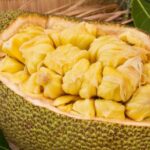
The fruit’s exterior is characterized by a thick, green-to-yellow, bumpy rind, while its interior houses numerous bulbous arils, each containing a single seed, all encased in a sticky, latex-like substance. This unique structure contributes to its distinctive preparation methods. The beauty of jackfruit lies in its dual personality:
- Unripe (Green) Jackfruit: When young and green, the flesh is firm, starchy, and has a neutral flavor, making it an extraordinary canvas for savory dishes. Its fibrous texture, which shreds remarkably like cooked meat, has propelled it to fame as a plant-based alternative to pulled pork, chicken, or even beef in stews and curries. This stage is particularly rich in fiber and has a lower sugar content.
- Ripe Jackfruit: As it matures, the fruit transforms. The rind softens and turns yellowish, emitting a sweet, pungent aroma. The arils inside become golden, tender, and intensely sweet, bursting with a tropical flavor often described as a hybrid of pineapple, mango, and banana. This stage is higher in natural sugars and offers a different nutritional profile, though still retaining many benefits.
Throughout its history, the jackfruit has been more than just food; it has been a symbol of resilience and abundance, a critical component of traditional diets, often consumed boiled, roasted, or dried. Its leaves have been used as fodder for livestock, and its seeds, once roasted or boiled, provide a nutritious, protein-rich snack. This deep historical and botanical context underscores the jackfruit’s inherent value long before its modern rediscovery.
Unpacking the Powerhouse: The Macroscopic View
Before delving into the specific virtues of fiber and potassium, it’s essential to appreciate the jackfruit’s broader nutritional landscape. It is, by all accounts, a nutrient-dense food, offering a wide array of macronutrients and micronutrients that contribute to overall health.
A typical serving of jackfruit (approximately 1 cup or 165 grams) provides a modest caloric intake, making it an excellent choice for those mindful of energy balance. Its macronutrient breakdown is noteworthy:
- Carbohydrates: Jackfruit is primarily a source of carbohydrates, which are the body’s preferred fuel. When unripe, these carbohydrates are predominantly complex starches, contributing to its satiety and slow energy release. As it ripens, the starches convert into natural sugars (fructose, glucose, sucrose), providing a sweeter taste and more immediate energy.
- Protein: While not a primary protein source compared to legumes or meat, jackfruit does contain a decent amount of protein for a fruit, which is a valuable addition, especially for plant-based diets. The seeds, in particular, are relatively rich in protein.
- Fat: Jackfruit is remarkably low in fat, making it a heart-healthy choice. The minimal fat content is mostly unsaturated, contributing to its light and easily digestible nature.
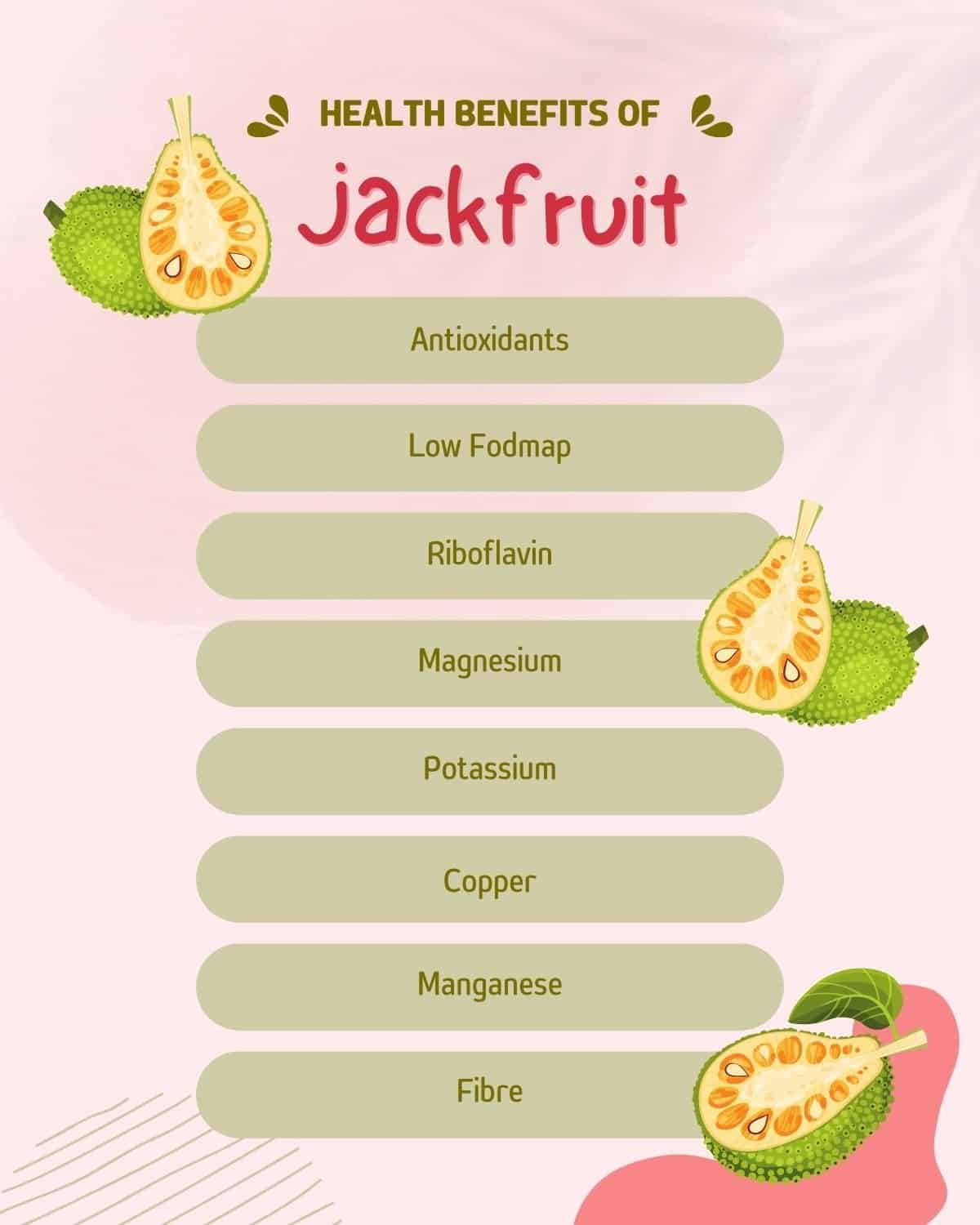
Beyond the macronutrients, jackfruit is a treasure trove of vitamins and minerals. It is an excellent source of Vitamin C, a powerful antioxidant crucial for immune function and collagen synthesis. It also contains several B vitamins, including B6 (pyridoxine), thiamine (B1), riboflavin (B2), and niacin (B3), all vital cofactors in energy metabolism. In terms of minerals, it offers magnesium, manganese, copper, and iron, each playing distinct roles in bone health, antioxidant defense, and oxygen transport, respectively.
However, it is its specific abundance of dietary fiber and potassium that truly elevates jackfruit to a nutritional star, forming the core of its "power" narrative.
The Fiber Frontier: Jackfruit’s Digestive Champion
Dietary fiber is often heralded as the unsung hero of nutrition, a complex carbohydrate that our bodies cannot digest but is absolutely crucial for optimal health. For the knowledgeable audience, the distinction between soluble and insoluble fiber is key, and jackfruit offers a commendable blend of both.
- Soluble Fiber: This type of fiber dissolves in water, forming a gel-like substance in the digestive tract. It’s known for its ability to lower blood cholesterol levels, help regulate blood sugar, and feed beneficial gut bacteria.
- Insoluble Fiber: This fiber does not dissolve in water. It adds bulk to stool, promoting regular bowel movements and preventing constipation. It acts like a broom, sweeping through the digestive system.
Jackfruit is a significant source of dietary fiber, with a single cup (165g) providing approximately 3-4 grams, depending on ripeness and preparation. This might seem modest compared to some legumes, but for a fruit, it’s substantial, especially considering the portion sizes typically consumed. But beyond the quantity, it’s the quality and impact of jackfruit’s fiber that truly makes it a digestive champion.
Benefits of Jackfruit’s Fiber: