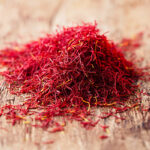

In the relentless march of modern life, the elusive embrace of deep, restorative sleep has become a coveted luxury for countless individuals. The quest for slumber, once a natural rhythm of existence, is now often punctuated by the frantic whir of racing thoughts, the glow of screens, and the insidious creep of stress. As pharmaceutical solutions present their own spectrum of benefits and drawbacks, humanity’s gaze often turns back to the earth, seeking ancient remedies and natural allies in the nightly battle for peace. Among these, one spice, steeped in history, mystique, and vibrant hue, has begun to reclaim its place in the modern wellness lexicon: saffron.
Known as the "golden spice" or "red gold," saffron (from the Crocus sativus flower) has captivated civilizations for millennia, primarily for its unparalleled culinary properties, its brilliant dye, and its intoxicating fragrance. Yet, beneath its epicurean allure lies a rich tapestry of medicinal applications, many of which are now being rigorously investigated by contemporary science. One particularly intriguing area of inquiry revolves around saffron’s potential to usher in sleep. Can this venerable spice, once reserved for emperors and sacred rituals, truly be the key to unlocking the gates of restful slumber? To answer this, we must embark on a journey that traverses ancient lore, delves into the intricate dance of phytochemistry, and scrutinizes the emerging landscape of scientific evidence.
The Elixir of Ages: A Historical Perspective on Saffron’s Soothing Legacy
The story of saffron is as rich and complex as its flavour profile. Originating from the sun-drenched plains of Persia and Greece, its cultivation dates back over 3,500 years, making it one of the oldest cultivated spices. Its journey through history is marked by its reverence across diverse cultures, each attributing to it a spectrum of powers far beyond its culinary value.
Ancient Minoans depicted saffron gatherers in frescoes from Knossos, suggesting its importance in rituals and medicine as early as 1700 BCE. Cleopatra is fabled to have bathed in saffron-infused water before romantic encounters, believing it enhanced allure and vitality. In ancient Greece, Hippocrates and Galen, titans of early medicine, documented saffron’s use for various ailments, including its application as a mood enhancer and a remedy for melancholy. Dioscorides, in his monumental De Materia Medica, described saffron’s capacity to "provoke urine and menstruate" and also noted its use as a carminative and a sedative in higher doses, hinting at its calming properties.
The Romans, too, embraced saffron, scattering it in public places as a perfume and using it in banquets and theatrical performances. Its association with joy, festivity, and tranquility was deeply ingrained. Across the Silk Road, saffron traveled to India, where it became an integral part of Ayurvedic medicine, prescribed for conditions ranging from asthma to arthritis, and notably, for promoting a sense of calm and well-being. Traditional Persian medicine, Unani, and Chinese medicine also recognized its sedative and anxiolytic properties, often incorporating it into remedies aimed at soothing nerves and alleviating sleeplessness.
These ancient applications, though often anecdotal and rooted in empirical observation rather than controlled trials, provide a compelling historical narrative. They suggest that the idea of saffron as a balm for the mind and a precursor to sleep is not a novel concept born of modern wellness trends, but rather a rediscovery of wisdom passed down through generations. The enduring thread connecting these disparate cultures and eras is the consistent recognition of saffron’s capacity to influence mood, alleviate distress, and, by extension, potentially facilitate the transition into a state of rest. This historical backdrop sets the stage for a deeper exploration into how this golden spice might achieve such profound effects.
Deconstructing the Golden Thread: The Phytochemistry of Saffron
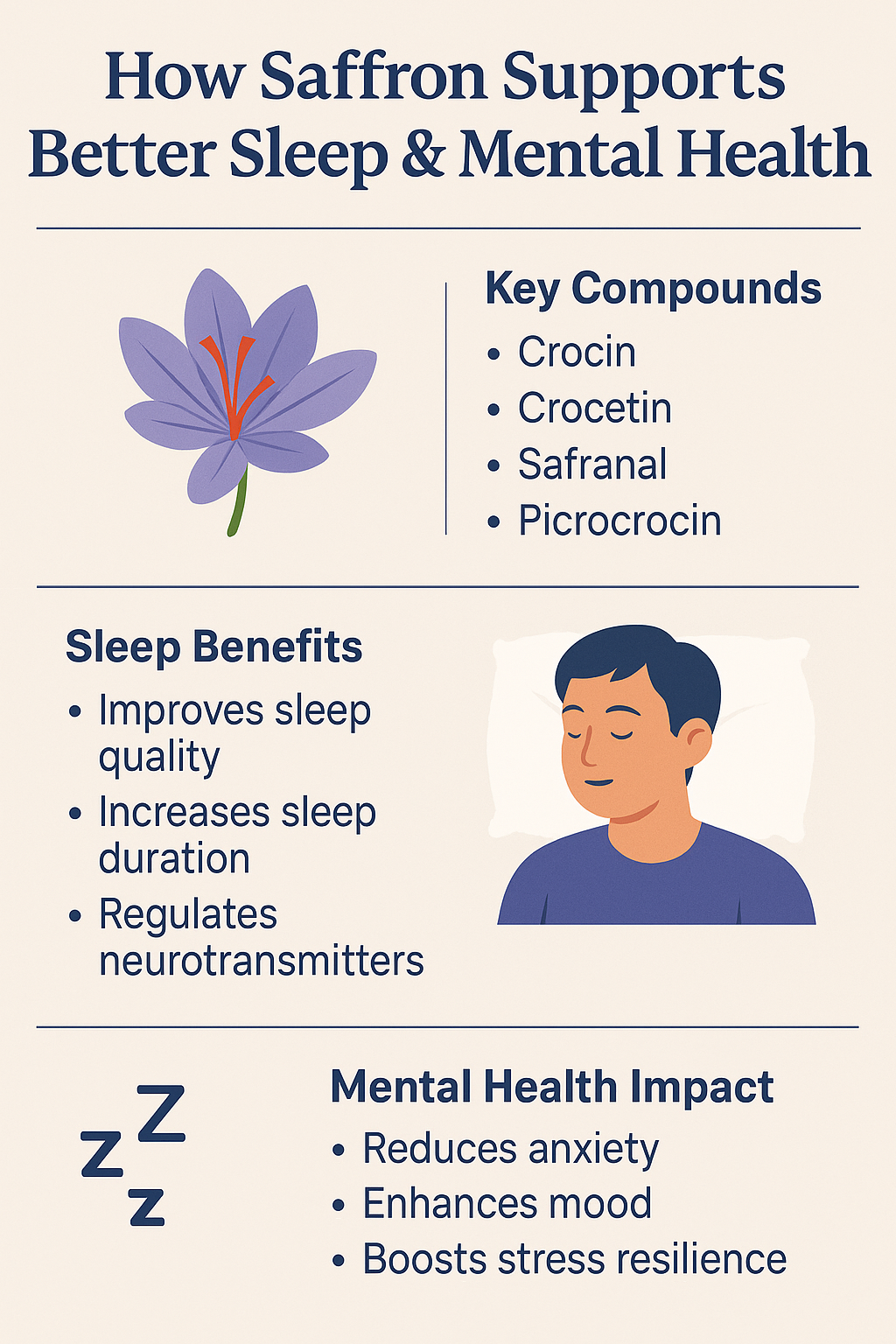
To understand saffron’s potential as a sleep aid, we must venture into the intricate world of its molecular architecture. The deep crimson threads of saffron are not merely a visual spectacle; they are a complex botanical powerhouse, housing a unique blend of bioactive compounds responsible for its distinct colour, aroma, taste, and, crucially, its pharmacological effects. The magic lies primarily in three groups of compounds: crocins, safranal, and picrocrocin.
Crocins: These are the carotenoid pigments responsible for saffron’s iconic golden-yellow hue when infused in liquid. Crocins are water-soluble glycosides of crocetin, a dicarboxylic acid. Beyond their visual appeal, crocins are formidable antioxidants, capable of scavenging free radicals and mitigating oxidative stress within the body. In the context of neurological function, this antioxidant activity is paramount, as the brain is particularly vulnerable to oxidative damage. By protecting neuronal cells, crocins contribute to overall brain health, which is a prerequisite for healthy sleep. Furthermore, studies suggest crocins possess anti-inflammatory and neuroprotective properties, which can indirectly influence mood and stress levels, key determinants of sleep quality.
Safranal: This volatile aldehyde is the primary constituent responsible for saffron’s distinctive, somewhat pungent, earthy aroma. Safranal is derived from picrocrocin during the drying and curing process of saffron stigmas. While its aromatic contribution is significant, safranal is also a potent bioactive compound. Research indicates that safranal exhibits anxiolytic (anxiety-reducing), sedative, and anticonvulsant effects. Its ability to modulate neurotransmitter systems, particularly those related to GABA and serotonin, makes it a prime candidate for inducing relaxation and promoting sleep. Its antioxidant properties also complement those of crocins.
Picrocrocin: This bitter glucoside is responsible for saffron’s characteristic bitter taste. It is the precursor to safranal; during the drying process, picrocrocin is hydrolyzed to safranal and glucose. While picrocrocin itself has demonstrated some pharmacological activities, including neuroprotection, its primary role in the context of saffron’s sleep-promoting effects is often seen through its conversion to safranal. The presence and concentration of picrocrocin are also key indicators of saffron’s quality.
Beyond these primary compounds, saffron also contains other minor constituents, including various flavonoids (like kaempferol and quercetin), other carotenoids, and vitamins (B1, B2). While their individual contributions might be less pronounced, the synergistic interaction of these diverse phytochemicals is believed to contribute to saffron’s holistic therapeutic profile. This concept of synergy, where the combined effect of multiple compounds is greater than the sum of their individual parts, is a cornerstone of botanical medicine and likely plays a crucial role in saffron’s multifaceted benefits, including its potential for sleep. The complexity of this "golden thread" underscores why whole saffron extracts often yield more comprehensive results than isolated compounds, as the natural balance of its constituents is preserved.
The Intricate Dance: Proposed Mechanisms of Action for Sleep
The transition from wakefulness to sleep is a symphony of complex neurobiological processes, orchestrated by a delicate balance of neurotransmitters, hormones, and physiological states. Saffron’s proposed ability to facilitate this transition stems from its intricate interplay with several key pathways in the brain and body.
1. Neurotransmitter Modulation: The GABA and Serotonin Connection
Perhaps the most compelling mechanism underpinning saffron’s sleep-promoting potential lies in its interaction with the brain’s neurotransmitter systems, particularly GABA (gamma-aminobutyric acid) and serotonin.
- GABAergic System Enhancement: GABA is the primary inhibitory neurotransmitter in the central nervous system. It acts as the brain’s natural tranquilizer, slowing down nerve activity, reducing neuronal excitability, and promoting relaxation. Many prescription sleep aids, such as benzodiazepines and "Z-drugs," work by enhancing GABAergic transmission. Preclinical studies suggest that saffron extracts, and specifically safranal, can interact with GABA receptors or modulate GABA levels in the brain. By enhancing GABA’s inhibitory effects, saffron may help to quiet the racing mind, reduce anxiety, and facilitate the transition into a state of calm conducive to sleep onset. This is akin to gently applying the brakes on an overactive mind.
- Serotonin Pathway Modulation: Serotonin is a crucial neurotransmitter involved in mood regulation, appetite, and sleep-wake cycles. It is often referred to as the "feel-good" neurotransmitter, and its appropriate levels are essential for emotional balance. Importantly, serotonin is a precursor to melatonin, the hormone primarily responsible for regulating the sleep-wake cycle (circadian rhythm). Research indicates that saffron components, particularly crocins and safranal, may influence serotonin levels in the brain, potentially by inhibiting its reuptake (similar to how some antidepressant medications work) or by enhancing its synthesis. By optimizing serotonin levels, saffron can indirectly support melatonin production, reduce anxiety, and improve mood, all of which are critical for quality sleep. A stable mood and reduced anxiety directly translate to an easier time falling and staying asleep.
2. Antioxidant and Anti-inflammatory Effects: Protecting the Sleep Architects
The brain, despite making up only about 2% of body weight, consumes a disproportionately high amount of oxygen and is particularly susceptible to oxidative stress and inflammation. Chronic inflammation and oxidative damage in the brain have been linked to various neurological disorders and can disrupt sleep architecture, leading to insomnia and poor sleep quality.
- Scavenging Free Radicals: As powerful antioxidants, crocins and safranal effectively neutralize free radicals, unstable molecules that can damage cellular structures, including neurons. By mitigating oxidative stress, saffron helps protect the delicate neural networks involved in sleep regulation, ensuring their optimal function.
- Reducing Inflammation: Chronic, low-grade inflammation can interfere with neurotransmitter balance and neuronal signaling. Saffron’s anti-inflammatory properties, demonstrated in various studies, can help to calm inflammatory responses in the brain. A reduction in neuroinflammation can create a more stable and healthy environment for sleep-promoting pathways to operate effectively, reducing nocturnal awakenings and improving overall sleep continuity.
3. Stress and Anxiety Reduction: Unburdening the Mind for Slumber
One of the most common impediments to sleep is the relentless presence of stress and anxiety. A mind agitated by worries, fears, or an overactive nervous system finds it incredibly difficult to disengage and surrender to sleep. Saffron’s well-documented anxiolytic and antidepressant properties are therefore directly relevant to its sleep-enhancing potential.