
In the hurried cadence of modern life, where stress often dictates our rhythm and anxiety casts long shadows, the quest for natural antidotes to soothe the agitated mind has become more urgent than ever. We navigate a landscape peppered with synthetic solutions, often effective but sometimes accompanied by unwelcome companions – side effects that can dim the very light we seek to rekindle. It is in this context that our gaze turns, with renewed curiosity and scientific rigor, to ancient wisdom, to remedies whispered through generations, cultivated in sun-drenched fields, and now, finally, validated by the exacting eye of contemporary research.
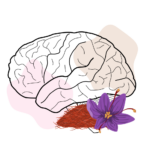
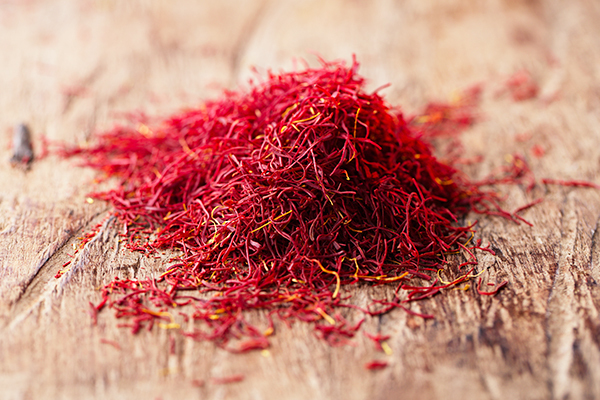
Among these venerable natural treasures, one stands out, not merely for its vibrant hue and exquisite aroma but for its profound potential to uplift the human spirit: saffron. The "red gold" of the culinary world, derived from the delicate stigmas of the Crocus sativus flower, saffron is far more than a spice; it is a complex botanical tapestry, interwoven with compounds that seem to engage in a sophisticated dialogue with our internal biology, offering a pathway to naturally boost our mood and foster a deeper sense of serenity.
This is not a tale of quick fixes or fleeting promises, but a story – a journey from the ancient fields of Persia to the sterile labs of neuroscience, revealing how saffron, thread by scarlet thread, can weave a tapestry of natural well-being for a knowledgeable audience eager to understand the intricate dance between nature and human health.
The Unseen Burden: A Modern Malaise and the Search for Gentle Solutions
Before we delve into the crimson heart of saffron, let us first acknowledge the landscape of human emotion we seek to navigate. Mood disorders, ranging from the pervasive shadows of depression to the restless grip of anxiety, are not isolated incidents but a global epidemic. The World Health Organization estimates that hundreds of millions suffer from depression alone, making it a leading cause of disability worldwide.
While conventional treatments – psychotherapy and pharmacotherapy – are vital and life-saving for many, they are not without their limitations. Antidepressants, for instance, often come with a litany of potential side effects: weight gain, sexual dysfunction, digestive issues, and emotional blunting. Furthermore, they don’t work for everyone, and the stigma associated with mental health medication can deter individuals from seeking help. This reality underscores the critical need for effective, safe, and naturally derived alternatives or complementary therapies that can support emotional well-being without the often-harsh trade-offs.
This is where saffron enters the narrative – not as a replacement for professional medical advice or treatment, but as a compelling, research-backed natural ally in the pursuit of mental and emotional balance.
Saffron: A Legacy Etched in Scarlet and Gold
To truly appreciate saffron’s mood-boosting prowess, we must first understand its storied past. The Crocus sativus flower, a member of the iris family, is a testament to nature’s delicate artistry. Each flower yields only three tiny, thread-like stigmas, which, once hand-picked and dried, become the coveted spice. It takes approximately 150,000 flowers to produce just one kilogram of saffron, underscoring its labor-intensive cultivation and justifying its "red gold" moniker.
Its history stretches back over 3,500 years, traversing civilizations and continents. Ancient Minoans depicted saffron in their frescoes as early as 1500 BC, hinting at its revered status. In ancient Persia, saffron was a sacred herb, used in rituals, medicine, and as a dye. Alexander the Great was said to have bathed in saffron-infused water to heal battle wounds and improve his mood. The Greeks and Romans employed it as a perfume, a medicine, and an aphrodisiac, sprinkling it in baths and halls to evoke joy and sensuality. Hippocrates, the father of medicine, recognized its therapeutic value, prescribing it for various ailments, including mood disturbances.
This enduring legacy, woven through millennia of human experience, speaks volumes. Saffron has always been more than a culinary delight; it has been an elixir, a symbol of luxury, healing, and joy. Modern science, armed with sophisticated analytical tools, is now beginning to unravel the precise mechanisms behind this ancient wisdom, validating what our ancestors intuitively understood.
The Alchemy of the Red Threads: Unpacking Saffron’s Bioactive Compounds
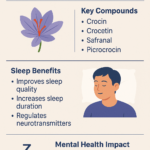
The extraordinary mood-boosting effects of saffron are not attributable to a single magic bullet but to a complex interplay of its rich phytochemical profile. The three primary bioactive compounds, each a maestro in its own right, are:
-
Crocin: This vibrant carotenoid is responsible for saffron’s characteristic intense red color. Beyond its aesthetic appeal, crocin is a potent antioxidant and anti-inflammatory agent. Research suggests it readily crosses the blood-brain barrier, exerting its therapeutic effects directly on brain tissue. Crocin is believed to play a significant role in modulating neurotransmitter systems and protecting neurons from damage.
-
Picrocrocin: While crocin gives saffron its color, picrocrocin is the compound primarily responsible for its distinctive bitter taste. Metabolically, picrocrocin converts to safranal, further highlighting the interconnectedness of saffron’s chemical constituents. It shares some of crocin’s antioxidant properties and contributes to the overall therapeutic synergy.
-
Safranal: This volatile aldehyde is the primary component responsible for saffron’s unique aromatic fragrance. Safranal is particularly noted for its anxiolytic (anti-anxiety) and antidepressant properties. It has been shown to modulate neurotransmitter activity and possesses significant antioxidant and neuroprotective capabilities.
Together, these compounds, alongside a host of other carotenoids, flavonoids, and volatile oils, create a powerful synergistic effect that targets multiple pathways implicated in mood regulation. It’s this multi-pronged approach that distinguishes saffron from many single-mechanism pharmacological agents.
The Symphony of Serenity: How Saffron Engages with Brain Chemistry
The true marvel of saffron lies in its multifaceted engagement with the intricate machinery of the human brain. For a knowledgeable audience, understanding these mechanisms moves beyond anecdotal evidence to robust scientific explanation.
1. Neurotransmitter Modulation: The Brain’s Chemical Messengers
Perhaps the most well-researched mechanism by which saffron influences mood is its ability to modulate key neurotransmitters – the chemical messengers that transmit signals throughout the brain and nervous system.