
In the vast tapestry of botanical wonders harnessed for human well-being, few ingredients command the reverence and mystique of saffron. Often dubbed "red gold," this delicate spice, derived from the stigmas of the Crocus sativus flower, has traversed centuries and civilizations, weaving itself into the culinary arts, ancient medicine, and perhaps most captivatingly, the pursuit of radiant beauty. Its journey from a prized ancient remedy to a modern skincare marvel is a testament to its enduring efficacy and the profound wisdom of those who first recognized its power. This is the story of saffron, not just as a spice, but as a luminous thread that promises to illuminate the skin from within.
The Golden Thread of Time: Saffron’s Storied Past
To truly appreciate saffron’s prowess in skincare, one must first understand its extraordinary lineage. The cultivation of Crocus sativus dates back over 3,500 years, with its origins widely believed to be in ancient Persia, Greece, or Crete. From these cradles of civilization, saffron’s vibrant color, distinct aroma, and medicinal properties quickly established its status as a luxury commodity, a symbol of wealth, power, and prestige.
Ancient texts and frescoes offer glimpses into saffron’s multifaceted past. In Minoan Crete, frescoes from the Bronze Age depict goddesses overseeing saffron harvesting, highlighting its sacred and ceremonial significance. Cleopatra, the legendary Egyptian queen renowned for her beauty rituals, is said to have bathed in saffron-infused milk, believing it to enhance her allure and skin’s luminosity. The ancient Greeks and Romans utilized saffron not only as a dye and perfume but also extensively in their medicinal practices, recognizing its anti-inflammatory and wound-healing capabilities. Hippocrates, the father of medicine, prescribed saffron for various ailments, including digestive issues and insomnia.
Persian physicians, too, were ardent advocates of saffron, incorporating it into traditional remedies for skin conditions, digestive disorders, and as a mood enhancer. It traveled eastward along the Silk Road, finding its way into Ayurvedic and Unani medicine, where its skin-brightening and purifying properties became central to elaborate beauty formulations. The famed Kumkumadi Tailam, an Ayurvedic facial oil, prominently features saffron as its star ingredient, lauded for its ability to impart a youthful glow and even out skin tone.
This rich historical tapestry underscores saffron’s consistent presence as a valued ally in health and beauty. Its journey through empires and eras is a testament to its intrinsic value, a legacy that continues to unfold in modern scientific discovery and skincare innovation. The arduous process of harvesting—each tiny stigma meticulously hand-picked from thousands of flowers to yield just a few grams of the spice—only amplified its perceived value, cementing its reputation as "red gold," a treasure beyond compare.
From Petal to Potent Elixir: The Science of Saffron
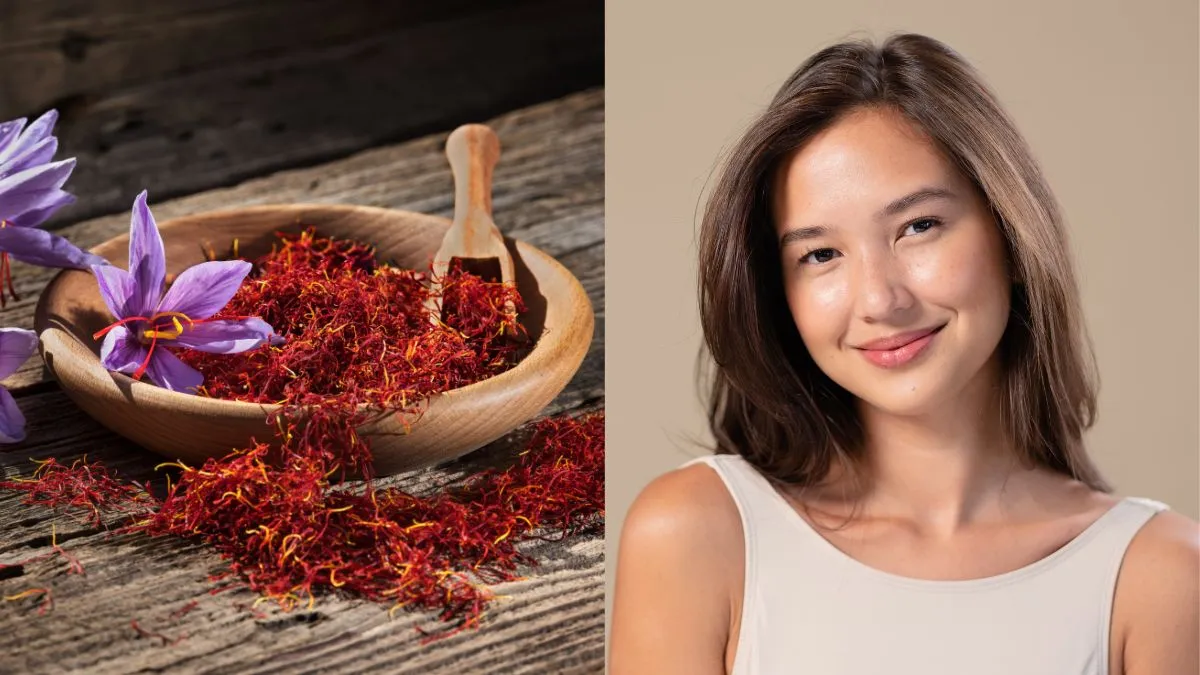
The allure of saffron is not merely anecdotal; it is deeply rooted in its unique biochemical composition. The Crocus sativus plant, a sterile triploid mutant of an autumn-flowering crocus, is a marvel of nature. Each delicate purple flower yields three slender, crimson stigmas, which are painstakingly harvested, dried, and then become the saffron threads we recognize. But what makes these threads so potent? The answer lies in a symphony of bioactive compounds, primarily three carotenoids: crocin, picrocrocin, and safranal.
Crocin: The Color and the Shield
Crocin is the most abundant and perhaps the most significant compound in saffron, responsible for its distinctive vivid red-orange color. More than just a pigment, crocin is a powerful antioxidant. In the realm of skincare, antioxidants are vital warriors against oxidative stress, a process caused by free radicals—unstable molecules generated by environmental aggressors like UV radiation, pollution, and stress. These free radicals attack healthy skin cells, leading to premature aging, collagen breakdown, hyperpigmentation, and a dull complexion. Crocin, with its robust free-radical scavenging abilities, acts as a protective shield, neutralizing these harmful agents and safeguarding skin integrity. Its role extends to inhibiting tyrosinase, an enzyme crucial for melanin production, making it a key player in skin brightening.
Picrocrocin: The Taste and the Touch
While crocin gives saffron its color, picrocrocin is responsible for its characteristic bitter taste. This glycoside also contributes to saffron’s overall antioxidant and anti-inflammatory profile. Though often overshadowed by crocin, picrocrocin works synergistically with other compounds to bolster saffron’s protective and soothing effects on the skin, contributing to its ability to calm irritation and promote a healthy skin barrier.
Safranal: The Aroma and the Alleviator
Safranal is the volatile compound that gives saffron its unmistakable, exquisite aroma. Beyond its olfactory charm, safranal possesses significant anti-inflammatory, antimicrobial, and antioxidant properties. Its anti-inflammatory action is particularly beneficial for soothing irritated skin and reducing redness, while its antimicrobial effects can help in combating acne-causing bacteria. Safranal is also known for its mood-enhancing properties, contributing to saffron’s holistic appeal, as a calm mind often translates to calmer, healthier skin.
The collective action of these compounds—crocin, picrocrocin, and safranal—along with other flavonoids and vitamins present in saffron, creates a potent synergy. This holistic blend is what makes saffron far more effective than any single isolated compound, allowing it to address a multitude of skin concerns simultaneously and deeply. It is this intricate dance of chemistry that transforms delicate threads into a powerful elixir for radiant skin.
Unveiling the Radiance: Saffron’s Core Beauty Benefits
With its formidable biochemical arsenal, saffron offers a spectrum of beauty benefits that target various aspects of skin health, leading to a complexion that is not merely superficially bright but deeply nourished and resilient.
1. The Luminous Brightener: Erasing Shadows, Embracing Light
One of saffron’s most celebrated attributes is its remarkable ability to brighten the skin and promote an even tone. For centuries, it has been revered as a natural illuminator, a secret weapon against dullness and discoloration.
The Mechanism: Saffron’s brightening power primarily stems from crocin’s ability to inhibit tyrosinase activity. Tyrosinase is a key enzyme in the biochemical pathway that leads to the production of melanin, the pigment responsible for skin color. By effectively suppressing this enzyme, saffron helps to reduce excessive melanin synthesis, thereby diminishing the appearance of dark spots, hyperpigmentation, sun spots, and post-inflammatory hyperpigmentation (PIH) left behind by acne.
The Result: Consistent application of saffron-infused products or DIY remedies can lead to a noticeable reduction in patchy skin tone, revealing a more uniform and luminous complexion. It doesn’t bleach the skin but rather restores its natural radiance, giving it that coveted "lit-from-within" glow that signifies healthy, vibrant skin. This makes it an invaluable ingredient for those struggling with uneven skin tone due to sun exposure, hormonal changes, or acne scarring.
2. The Soothing Balancer: Quelling the Flames of Irritation
Inflammation is a root cause of many skin woes, from redness and sensitivity to acne and premature aging. Saffron, with its potent anti-inflammatory compounds, acts as a gentle yet effective balm for distressed skin.
The Mechanism: Safranal and crocin are key players in saffron’s anti-inflammatory action. They work by modulating various inflammatory pathways, inhibiting the production of pro-inflammatory cytokines and enzymes that trigger redness, swelling, and discomfort. By calming cellular inflammation, saffron helps to reduce visible signs of irritation.
The Result: For individuals with sensitive skin, rosacea, eczema, or simply occasional redness, saffron can provide significant relief. It helps to soothe angry breakouts, calm reactive skin, and reduce the overall inflammatory burden on the complexion. This soothing effect contributes to a more balanced and comfortable skin barrier, making the skin less prone to future flare-ups.
3. The Shield Against Time: Antioxidant Defender
As discussed, saffron is a powerhouse of antioxidants, making it an excellent ally in the fight against environmental damage and premature aging.
The Mechanism: Crocin and safranal, along with other phenolic compounds in saffron, are exceptional free-radical scavengers. They neutralize reactive oxygen species (ROS) generated by external stressors like UV radiation, pollution, and even internal factors like stress. By mitigating oxidative stress, saffron prevents the cellular damage that leads to collagen and elastin degradation, lipid peroxidation, and DNA damage in skin cells.
The Result: Regular use of saffron-enriched skincare products fortifies the skin’s natural defenses, protecting it from the cumulative damage that accelerates aging. This translates to fewer fine lines and wrinkles, improved skin texture, and a more resilient complexion that can better withstand the onslaught of daily environmental aggressors. It’s an investment in long-term skin health and youthfulness.