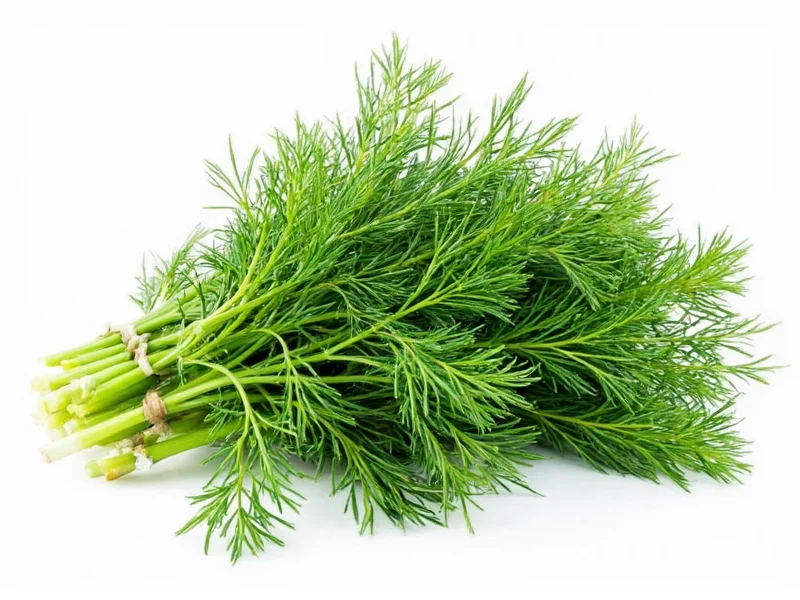

In a world increasingly captivated by pharmaceutical innovations and designer nutraceuticals, it’s easy to overlook the humble heroes nestled in our spice racks and gardens. Yet, sometimes, the most profound answers lie hidden in plain sight, veiled by familiarity. Such is the case with Anethum graveolens, more commonly known as dill – an herb so unassuming, yet so astonishingly potent, it could metaphorically be encapsulated as "The Dill Pill." This isn’t merely a culinary accent; it’s a botanical powerhouse, a living testament to nature’s intricate pharmacy, whose story stretches back millennia and continues to unfold in modern scientific laboratories.
Our journey into the world of "The Dill Pill" is an exploration of ancient wisdom meeting contemporary understanding, a narrative woven through history, chemistry, and physiology. We will delve beyond its delicate, feathery fronds and distinctive aroma to uncover a treasure trove of health benefits, each backed by a growing body of evidence. Prepare to discover why this seemingly simple herb deserves a place not just in your kitchen, but potentially in your regimen for holistic well-being.
A Whisper Through Time: Dill’s Enduring Legacy
The story of dill begins not in a test tube, but in the fertile crescents of ancient civilizations. Its name, derived from the Old Norse "dilla," meaning "to lull," hints at its earliest recognized properties. For thousands of years, dill has been more than just a seasoning; it has been a symbol, a medicine, and a comfort across cultures.
In Ancient Egypt, dill was revered, its essential oils found in tombs and its leaves used in medicinal preparations, particularly for digestion and as a breath freshener. Hieroglyphs depict its use, underscoring its significance in daily life and spiritual practices. The Greeks and Romans embraced dill with equal fervor, not only for its culinary charm but also for its therapeutic qualities. Roman gladiators were said to rub dill oil on their bodies for muscle relaxation, while Greek physicians prescribed it for insomnia and to soothe digestive complaints. Its aromatic seeds were chewed to alleviate flatulence, a practice that resonates with modern applications.
As centuries turned, dill’s reputation spread across continents. In Medieval Europe, it was a staple in both monastic gardens and peasant homes. Beyond its medicinal uses for stomach ailments and to promote lactation, dill held a mystical aura. It was believed to ward off evil spirits, protect against witchcraft, and was often included in love potions. Its calming properties also led to its use as a traditional sedative, helping to quiet restless minds and bodies, particularly for children – giving rise to the enduring practice of "dill water" for colicky infants.
This rich tapestry of historical use provides a crucial backdrop for understanding "The Dill Pill." It suggests that long before gas chromatography and clinical trials, humanity intuitively recognized and harnessed dill’s intrinsic healing powers. These anecdotal observations, passed down through generations, are now being systematically validated by the rigorous scrutiny of modern science, revealing the sophisticated biochemical mechanisms behind its time-honored efficacy.
The Phytochemical Symphony: Deconstructing "The Dill Pill"
To truly appreciate the power of "The Dill Pill," we must peer into its molecular architecture. Dill is not a single compound but a complex symphony of bioactive molecules working in concert. Its distinctive aroma and therapeutic properties stem primarily from its essential oil, a volatile mixture rich in specific compounds.
The key players in dill’s phytochemical arsenal include:
-
Monoterpenes: These are the superstars, comprising a significant portion of dill’s essential oil.
- Carvone: The most abundant monoterpene in dill, responsible for much of its characteristic aroma. Carvone has been extensively studied for its antispasmodic, digestive, and potential anti-cancer properties.
- Limonene: Also found in citrus peels, limonene contributes to dill’s fresh scent and possesses notable antioxidant, anti-inflammatory, and anxiolytic (anxiety-reducing) effects.
- Anethofuran: Another important monoterpene with a sweet, herbaceous aroma, contributing to dill’s unique profile and potentially its calming effects.
-
Flavonoids: These are potent antioxidants, pigments that give plants their vibrant colors, but more importantly, protect cells from oxidative damage.
- Vicenin, Kaempferol, Myricetin: These are among the flavonoids identified in dill, working to scavenge free radicals and reduce inflammation.
-
Phenolic Acids: Another class of antioxidants that contribute to dill’s protective capabilities.