
In the grand tapestry of culinary herbs, some gleam with the immediate allure of celebrity. Basil, with its vibrant Italian embrace; rosemary, redolent of Mediterranean sun; cilantro, a divisive yet undeniably potent force. Then there is dill, Anethum graveolens, an herb often relegated to the supporting role in a pickle jar, or perhaps a modest sprinkle over a gravlax. It is a quiet achiever, a whispering sage in the bustling kitchen, its delicate fronds and distinct aroma often underestimated, its profound health benefits largely unsung.
But for the discerning palate and the health-conscious mind, dill is far more than a garnish or a pickling agent. It is a botanical marvel, a nutritional powerhouse, and a therapeutic ally whose story stretches back millennia. This is not merely an herb to be occasionally considered; it is an ingredient that unequivocally deserves a permanent, revered spot in your daily diet. Let us embark on a journey to uncover the multifaceted brilliance of dill, from its ancient roots to its modern scientific validations, and ultimately, to its rightful place on your plate, every single day.
A Whisper from Antiquity: Dill’s Storied Past
Our appreciation for dill begins not in modern laboratories, but in the annals of history. The very name "dill" is believed to derive from the Old Norse word "dilla," meaning "to lull" or "to soothe," hinting at its ancient use as a calming agent. Its presence in human civilization is astonishingly old, etched into the very fabric of ancient cultures.
The Egyptians, meticulous record-keepers and early practitioners of herbal medicine, understood dill’s value. Fragments of dill have been discovered in the tomb of Pharaoh Amenhotep II, dating back to 1400 BC, suggesting its use not only for culinary purposes but also for its medicinal properties, perhaps even in funerary rituals. Papyrus Ebers, one of the oldest and most important medical papyri from ancient Egypt, mentions dill as an ingredient in remedies for headaches and other ailments, solidifying its status as an early therapeutic agent.
Across the Mediterranean, the Greeks revered dill for its aromatic qualities and therapeutic benefits. They believed it brought good fortune and wealth, often using it in wines and as a breath freshener. Greek soldiers would apply burnt dill seeds to their wounds, a rudimentary form of antiseptic. The Romans, known for their sophisticated culinary and medicinal practices, also embraced dill. Pliny the Elder, the celebrated Roman naturalist, extensively documented its uses, noting its ability to soothe digestion and alleviate pain. Gladiators were even said to have consumed dill to enhance their strength and courage, testament to its perceived revitalizing properties.
Moving north and east, dill found its home in the folklore and kitchens of medieval Europe. It was a potent symbol of protection against witchcraft and evil spirits, often hung above doorways or carried in pouches. Beyond superstition, its practical uses in preserving food and aiding digestion continued. From the Nordic lands, where it became an indispensable companion to fish and fermented foods, to the Slavic countries, where it is ubiquitous in soups, stews, and pickles, dill’s cultural significance grew, intertwining with national cuisines and traditional remedies.
In India, dill, known as suva, has been a cornerstone of Ayurvedic medicine for centuries, prized for its carminative properties and its ability to balance doshas. Its seeds, particularly, were used to aid digestion, reduce flatulence, and even stimulate lactation.
This rich historical tapestry, woven with threads of culinary delight, medicinal wisdom, and cultural lore, sets the stage for understanding why dill is not just an herb, but a legacy, a plant whose enduring presence speaks volumes about its inherent value.
The Botanical Masterpiece: Anethum graveolens Unveiled
Before we delve into its microscopic wonders, let us appreciate dill in its natural form. Anethum graveolens belongs to the Apiaceae family, a distinguished lineage that includes carrots, celery, parsley, and fennel – a family renowned for its aromatic compounds and therapeutic potential.
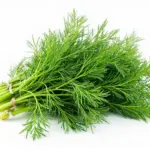
Dill is an annual herb, typically growing to a height of 2 to 3 feet, though some varieties can reach even taller. Its most distinctive feature is its delicate, feathery, thread-like leaves, often described as fern-like, which are a vibrant green. These leaves emerge from hollow stems, branching outwards, creating an airy, elegant silhouette.
As the plant matures, it produces beautiful, umbrella-shaped clusters of tiny yellow flowers, known as umbels. These umbels are not just aesthetically pleasing; they are the precursors to dill seeds, which are small, oval, flat, and light brown, with prominent ridges. Both the fresh leaves (often called dill weed) and the dried seeds are utilized, each offering a distinct flavor profile and concentration of beneficial compounds. Fresh dill weed is bright, slightly grassy, and herbaceous with subtle anise-like undertones. Dill seeds, on the other hand, are more pungent, assertive, and warm, with a stronger caraway-like and slightly citrusy aroma.
Cultivating dill is relatively straightforward, a testament to its hardiness and adaptability. It thrives in full sun and well-drained soil, making it a favorite among home gardeners. Varieties like ‘Bouquet’ are compact and ideal for containers, while ‘Mammoth’ lives up to its name, growing larger and producing an abundance of leaves and seeds. The ease of growing dill means fresh, potent benefits are always within reach, fostering a direct connection to its natural power.
The Nutritional Symphony: A Microcosm of Wellness
At first glance, dill might seem insignificant from a nutritional perspective, especially when consumed in small culinary quantities. It’s low in calories, fat, and carbohydrates. However, to judge dill solely by its macronutrient profile would be to miss the forest for the trees. Its true nutritional prowess lies in its exceptional concentration of micronutrients and, more importantly, its staggering array of bioactive phytochemicals.
Let’s break down the nutritional symphony found within dill:
Vitamins:
- Vitamin A (as Beta-carotene): Dill is an excellent source of beta-carotene, a powerful antioxidant precursor to Vitamin A. This vitamin is crucial for maintaining healthy vision, bolstering immune function, and promoting skin health. A mere 10 grams of fresh dill can provide a significant portion of your daily Vitamin A needs.
- Vitamin C: Another potent antioxidant, Vitamin C is vital for immune system support, collagen synthesis (essential for skin, hair, and connective tissues), and protecting cells from oxidative stress.
- Folate (Vitamin B9): Essential for cell division, DNA synthesis, and repair, folate is particularly important for pregnant women to prevent neural tube defects. Dill offers a healthy dose of this crucial B vitamin.
- Riboflavin (B2), Niacin (B3), Pyridoxine (B6): These B-vitamins play critical roles in energy metabolism, helping the body convert food into usable energy and supporting various enzymatic reactions.
Minerals:
- Manganese: Often overlooked, manganese is a vital trace mineral that acts as a cofactor for numerous enzymes involved in bone formation, carbohydrate and fat metabolism, and antioxidant defense.
- Iron: Essential for oxygen transport in the blood and crucial for energy production, iron from plant sources like dill can contribute to preventing iron-deficiency anemia, especially when consumed with Vitamin C-rich foods.
- Calcium: The cornerstone of strong bones and teeth, calcium also plays a role in nerve transmission, muscle function, and blood clotting.