
In the grand narrative of human health, the heart stands as an indefatigable protagonist, a tireless drummer setting the rhythm of life. For centuries, we’ve understood that nurturing this vital organ is paramount, and diet has always been a central chapter in that understanding. When we speak of heart-healthy foods, the humble leafy green often takes center stage, typically heralded for its abundant fiber content. Fiber, indeed, is a formidable ally, aiding in cholesterol regulation, blood sugar stability, and gut health – all indirectly benefiting cardiovascular well-being.
But to limit the praise of leafy greens to fiber alone is akin to admiring a symphony orchestra solely for its percussion section. It misses the intricate interplay, the nuanced harmonies, and the profound depth that the full ensemble delivers. The true power of leafy greens – the spinach, kale, collards, Swiss chard, arugula, and lettuce varieties – lies not just in their structural cellulose, but in a dazzling, complex array of micronutrients, phytonutrients, and bioactive compounds. These are the unsung heroes, the silent guardians working at a cellular level, meticulously crafting a shield against the relentless onslaught of modern cardiovascular disease.
For the knowledgeable reader, the story of leafy greens and heart health transcends simple dietary advice; it delves into the elegant biochemistry of prevention, the intricate dance of molecular protection, and the profound wisdom encoded within nature’s emerald offerings. Let us embark on a journey beyond the fibrous facade, into the microscopic world where these potent compounds orchestrate a symphony of cardiovascular defense.
The Silent Threats: A Landscape of Vulnerability
Before we unveil our cellular guardians, it’s essential to understand the battlefield. The heart, while robust, is constantly exposed to threats that can erode its function over time. These include:
- Oxidative Stress: An imbalance between the production of free radicals and the body’s ability to neutralize them. These rogue molecules damage cellular components, including arterial walls and LDL cholesterol, initiating atherosclerotic plaque formation.
- Chronic Inflammation: A low-grade, persistent inflammatory response that, unlike acute inflammation (which is beneficial), contributes to endothelial dysfunction, plaque instability, and systemic damage.
- Endothelial Dysfunction: The impairment of the inner lining of blood vessels (the endothelium), leading to reduced nitric oxide production, impaired vasodilation, increased adhesion of inflammatory cells, and a pro-thrombotic state.
- Hypertension (High Blood Pressure): A major risk factor, forcing the heart to work harder, stiffening arteries, and increasing the risk of heart attack, stroke, and kidney disease.
- Dyslipidemia: Unhealthy cholesterol profiles, particularly elevated LDL (bad cholesterol) and triglycerides, and low HDL (good cholesterol), which contribute to plaque formation.
- Homocysteine Elevation: High levels of this amino acid, a byproduct of protein metabolism, are associated with increased risk of cardiovascular disease through endothelial damage.
It is against this backdrop of physiological vulnerability that the micronutrients in leafy greens emerge as indispensable protectors, each playing a distinct yet interconnected role in fortifying our heart’s resilience.
The Vanguard of Vitamins: Cellular Sentinels
Leafy greens are veritable treasure troves of vitamins, each contributing uniquely to cardiovascular health.
Vitamin K1 (Phylloquinone): The Arterial Calcification Interceptor
Often overshadowed by its more famous cousins, Vitamin K1 is a critical nutrient abundantly found in leafy greens like kale, spinach, and collard greens. Its primary role in the body is well-known: blood clotting (coagulation). However, its profound impact on cardiovascular health extends far beyond this.
Vitamin K1 is essential for activating specific proteins, particularly Matrix Gla Protein (MGP) and osteocalcin. While osteocalcin is crucial for bone mineralization, MGP is a potent inhibitor of arterial calcification – the hardening of arteries due to calcium deposits. This process is a significant contributor to arterial stiffness, hypertension, and increased risk of cardiovascular events.
When Vitamin K1 is deficient, MGP remains inactive, allowing calcium to accumulate in the arterial walls, transforming soft, pliable vessels into rigid, pipe-like structures. Research, including studies published in journals like Atherosclerosis, consistently demonstrates an inverse relationship between higher dietary Vitamin K1 intake and the progression of coronary artery calcification and aortic calcification. A study involving thousands of participants in the Rotterdam Study, for instance, highlighted that higher intake of K vitamins, particularly K1, was associated with a reduced risk of coronary heart disease and all-cause mortality.
By ensuring optimal Vitamin K1 status through regular consumption of leafy greens, we actively support the body’s natural defense mechanism against arterial stiffening, thereby maintaining arterial elasticity and promoting healthy blood flow.
Vitamin C (Ascorbic Acid): The Collagen Architect and Antioxidant Maestro
Vitamin C is perhaps the most celebrated antioxidant, and its presence in many leafy greens (especially collards, kale, and mustard greens) is a cornerstone of their heart-protective profile. Its contributions are multifaceted:
- Collagen Synthesis: Vitamin C is indispensable for the synthesis of collagen, the primary structural protein that provides integrity and elasticity to blood vessels. Healthy collagen ensures the strength and flexibility of arterial walls, making them less prone to damage and rupture.
- Potent Antioxidant: As a water-soluble antioxidant, Vitamin C directly neutralizes free radicals, protecting LDL cholesterol from oxidation – a key initiating step in atherosclerosis. It also regenerates other antioxidants, like Vitamin E, further bolstering the body’s protective capacity.
- Endothelial Function: Vitamin C plays a role in maintaining endothelial function by preserving nitric oxide (NO) bioavailability. NO is a critical vasodilator, helping blood vessels relax and widen, thereby regulating blood pressure. Oxidative stress can deplete NO; Vitamin C helps protect it.
- Blood Pressure Regulation: Some research indicates that higher Vitamin C intake is associated with lower blood pressure, potentially due to its antioxidant effects and its role in NO metabolism.
The synergy between Vitamin C and other compounds in greens is remarkable. For instance, its presence can enhance the absorption of non-heme iron (also found in greens), which is crucial for red blood cell formation and oxygen transport, indirectly supporting heart function.
Folate (Vitamin B9): The Homocysteine Moderator
Folate, a B-vitamin abundantly found in spinach, kale, and romaine lettuce, plays a pivotal role in a biochemical pathway that directly impacts heart health: the metabolism of homocysteine.
Homocysteine is an amino acid, and while a certain level is normal, elevated concentrations are an independent risk factor for cardiovascular disease. High homocysteine levels can damage the endothelial lining of arteries, promote oxidative stress, impair nitric oxide production, and contribute to blood clot formation.
Folate, along with Vitamins B6 and B12, is a co-factor in the remethylation of homocysteine back into methionine, a harmless amino acid. By facilitating this conversion, folate effectively lowers homocysteine levels in the blood, thereby mitigating its detrimental effects on the cardiovascular system.
Numerous observational studies and meta-analyses have linked adequate folate intake to a reduced risk of stroke and coronary heart disease, underscoring its importance in a heart-healthy diet.
Vitamin E (Alpha-Tocopherol and Beyond): The Lipid Protector
While Vitamin E is more commonly associated with nuts and seeds, leafy greens like spinach and Swiss chard contribute significant amounts, primarily as alpha-tocopherol. As a fat-soluble antioxidant, Vitamin E is crucial for protecting cell membranes, particularly the lipid components of LDL cholesterol, from oxidative damage.
Oxidized LDL is a key player in the initiation and progression of atherosclerosis. By preventing this oxidation, Vitamin E helps to reduce the inflammatory cascade and plaque formation within arterial walls. While large-scale supplementation studies of Vitamin E have yielded mixed results, likely due to the complexity of isolating a single nutrient, the Vitamin E obtained from whole food sources like leafy greens, within its natural matrix of other antioxidants, appears to exert a more protective effect. The synergy with Vitamin C, which regenerates oxidized Vitamin E, is a classic example of this integrated defense system.
Vitamin A (as Beta-Carotene): The Pro-Vitamin Antioxidant
Many leafy greens are rich in beta-carotene, a precursor to Vitamin A. Beyond its well-known role in vision, beta-carotene functions as a powerful antioxidant, particularly in lipid-rich environments. It helps protect cell membranes and LDL cholesterol from oxidative stress, thereby contributing to arterial health. While Vitamin A itself is vital for cellular differentiation and immune function, its precursor, beta-carotene, is the primary heart-protective form found in greens, operating alongside other carotenoids.
The Mineral Architects: Building and Balancing
Beyond vitamins, leafy greens supply an array of essential minerals that are fundamental to maintaining cardiac rhythm, blood pressure, and overall vascular function.
Magnesium: The Vasodilator and Rhythm Stabilizer
Magnesium, often called "nature’s relaxant," is an indispensable mineral for over 300 enzymatic reactions in the body, many of which directly impact the heart. Abundantly found in spinach, Swiss chard, and kale, its roles include:
- Blood Pressure Regulation: Magnesium is a natural calcium channel blocker, meaning it helps relax the smooth muscle cells in blood vessel walls, leading to vasodilation and lower blood pressure. It also influences potassium and sodium transport, contributing to electrolyte balance.
- Cardiac Rhythm: Magnesium is crucial for maintaining a stable heart rhythm. It participates in the electrical conduction system of the heart, and its deficiency can contribute to arrhythmias and palpitations.
- Endothelial Function: By reducing oxidative stress and inflammation, magnesium helps preserve the integrity and function of the endothelium.
- Glucose Metabolism: Magnesium plays a role in insulin sensitivity, and maintaining healthy blood sugar levels is vital for preventing vascular damage associated with diabetes.
Chronic magnesium deficiency is widespread, and studies consistently link higher dietary magnesium intake to a reduced risk of hypertension, stroke, and sudden cardiac death. Regular consumption of leafy greens is an excellent strategy to ensure adequate magnesium levels.
Potassium: The Blood Pressure Balancer
Potassium, another critical electrolyte found in generous amounts in spinach, kale, and collard greens, is a cornerstone of blood pressure regulation. Its primary mechanism of action involves counteracting the effects of sodium.
High sodium intake is a well-established driver of hypertension. Potassium helps the body excrete excess sodium through the kidneys, reducing fluid retention and lowering pressure on arterial walls. Furthermore, potassium directly promotes vasodilation, helping blood vessels relax.
The DASH (Dietary Approaches to Stop Hypertension) diet, which emphasizes fruits, vegetables (including leafy greens), and low-fat dairy, is rich in potassium and has been proven remarkably effective in lowering blood pressure. A higher dietary potassium-to-sodium ratio is consistently associated with better cardiovascular outcomes.
Calcium: Beyond Bones
While dairy is the most famous source, leafy greens like kale, collard greens, and turnip greens provide significant amounts of plant-based calcium. While often associated with bone health, calcium plays a critical role in heart function, including muscle contraction (the heart is a muscle!) and nerve signal transmission.
However, the story of calcium and heart health is nuanced. While adequate intake is essential, the context matters. The calcium in greens comes packaged with Vitamin K1 and magnesium, which are crucial for directing calcium into bones and teeth and away from soft tissues like arteries. This natural synergy helps ensure calcium’s beneficial roles are maximized without contributing to arterial calcification.
The Phytonutrient Powerhouses: The Unsung Heroes
Beyond the classic vitamins and minerals, leafy greens boast an astounding array of phytonutrients – plant compounds that are not essential for survival but offer profound health benefits, especially for the cardiovascular system.
Dietary Nitrates: The Natural Vasodilators
Perhaps one of the most exciting discoveries in cardiovascular nutrition has been the role of dietary nitrates, particularly abundant in spinach, arugula, and lettuce. When consumed, these nitrates are converted by oral bacteria into nitrites, which are then further reduced in the body to nitric oxide (NO).
Nitric oxide is a potent vasodilator, meaning it relaxes and widens blood vessels, thereby reducing blood pressure and improving blood flow. This effect is crucial for endothelial function and overall cardiovascular health.
The "nitrate-nitrite-NO pathway" provides a dietary means to enhance NO bioavailability, offering a natural mechanism for blood pressure control and improved exercise performance. Research, often utilizing beetroot juice (another nitrate-rich source), has demonstrated significant reductions in systolic and diastolic blood pressure following nitrate consumption. The regular intake of nitrate-rich leafy greens offers a sustainable, whole-food approach to supporting this vital pathway.
Flavonoids: The Antioxidant and Anti-Inflammatory Champions
Leafy greens are rich sources of various flavonoids, a large class of polyphenolic compounds known for their powerful antioxidant and anti-inflammatory properties. Key flavonoids found in greens include:
- Quercetin: Found in kale and spinach, quercetin is a potent antioxidant that scavenges free radicals, reduces oxidative stress, and inhibits LDL oxidation. It also exhibits significant anti-inflammatory effects by modulating signaling pathways involved in inflammation. Furthermore, quercetin may improve endothelial function and inhibit platelet aggregation, contributing to anti-thrombotic effects.
- Kaempferol: Present in spinach and kale, kaempferol shares many of quercetin’s antioxidant and anti-inflammatory benefits. It has been studied for its potential to protect against various chronic diseases, including cardiovascular disease, by improving vascular health and reducing cellular damage.
- Myricetin: Found in spinach and other greens, myricetin also contributes to the overall antioxidant capacity of leafy greens, offering protection against oxidative stress and supporting endothelial health.
Collectively, these flavonoids work in concert to protect the cardiovascular system from oxidative damage, dampen chronic inflammation, improve blood vessel function, and potentially reduce the risk of clot formation – all critical factors in preventing atherosclerosis and its complications.
Carotenoids (Lutein and Zeaxanthin): Beyond Beta-Carotene
While beta-carotene is a well-known carotenoid, leafy greens are particularly rich in lutein and zeaxanthin, often referred to as "eye vitamins." However, their benefits extend far beyond ocular health.
Lutein and zeaxanthin are powerful lipid-soluble antioxidants that accumulate in arterial walls. Here, they help protect against oxidative damage to the delicate endothelial lining and to LDL particles trapped within the arterial wall. Studies have shown that higher dietary intake and blood levels of lutein and zeaxanthin are associated with a reduced risk of carotid artery intima-media thickness (a marker of early atherosclerosis) and lower incidence of heart attacks.
Their anti-inflammatory properties also contribute to cardiovascular protection, helping to cool the inflammatory fire that fuels plaque progression. By integrating into cellular membranes, they provide direct, localized antioxidant defense where it’s needed most in the vascular system.
Glucosinolates and Isothiocyanates (from Cruciferous Greens): The Detoxifiers
For cruciferous leafy greens like kale, collard greens, and arugula, another class of phytonutrients comes into play: glucosinolates. When these greens are chopped or chewed, an enzyme called myrosinase converts glucosinolates into biologically active compounds called isothiocyanates (e.g., sulforaphane, indole-3-carbinol).
These compounds are renowned for their potent detoxification capabilities, enhancing the activity of phase I and phase II detoxification enzymes in the liver. While primarily recognized for their anti-cancer properties, their ability to reduce oxidative stress and inflammation indirectly benefits cardiovascular health. By supporting the body’s detoxification pathways, they help neutralize harmful compounds that could otherwise contribute to vascular damage. Some research also suggests direct anti-inflammatory and antioxidant effects within the vasculature.
The Symphony of Synergy: More Than the Sum of Its Parts
The true magic of leafy greens, and indeed of all whole foods, lies in the synergistic interplay of these myriad compounds. They do not work in isolation; rather, they form a complex, integrated network of protection, where each nutrient enhances the efficacy of others.
Consider the following examples of synergy:
- Vitamin K1 and Magnesium: Both are crucial for preventing arterial calcification. K1 activates MGP, and magnesium acts as a natural calcium channel blocker, further discouraging calcium deposition in soft tissues.
- Vitamin C and Vitamin E: Vitamin C, a water-soluble antioxidant, regenerates oxidized Vitamin E, a fat-soluble antioxidant, allowing Vitamin E to continue its work protecting lipid membranes from oxidative damage.
- Folate and B Vitamins: Folate works with Vitamins B6 and B12 to metabolize homocysteine, demonstrating a team effort in a critical biochemical pathway.
- Flavonoids and Carotenoids: These diverse phytonutrients offer broad-spectrum antioxidant and anti-inflammatory protection, operating in different cellular compartments and through various mechanisms to collectively reduce cardiovascular risk.
- Nitrates and Antioxidants: While nitrates boost NO production, the rich array of antioxidants in greens helps protect that fragile NO molecule from degradation, ensuring its vasodilatory effects are sustained.
This "food matrix" effect means that consuming whole leafy greens provides a level of protection that cannot be replicated by individual supplements. The natural balance and co-factors present in the plant ensure optimal absorption, utilization, and synergistic action of these heart-protective compounds.
Practical Steps: Cultivating Your Heart’s Garden
Understanding the science behind leafy greens’ heart-protective powers is the first step; integrating them consistently into your diet is the second. For the knowledgeable individual, this isn’t about bland sacrifices, but about intelligent, flavorful choices.
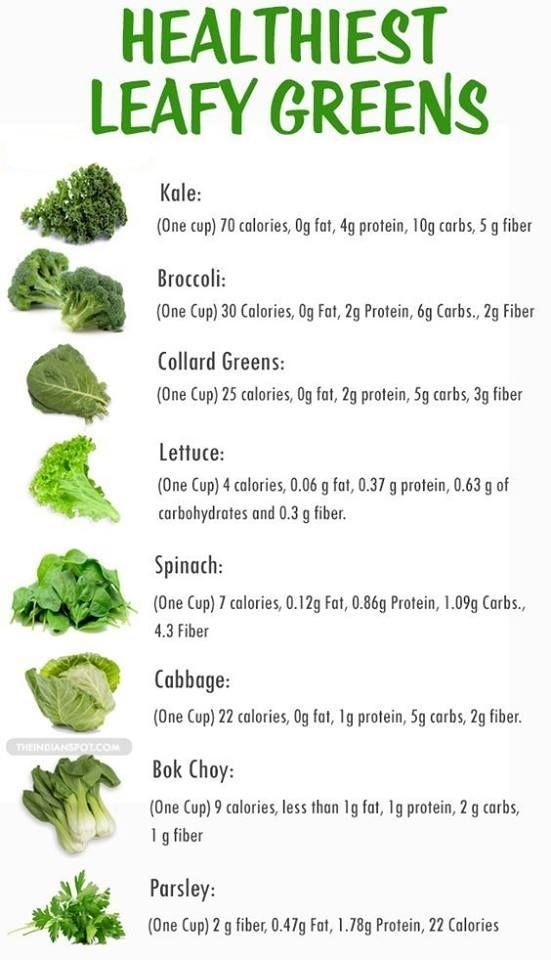
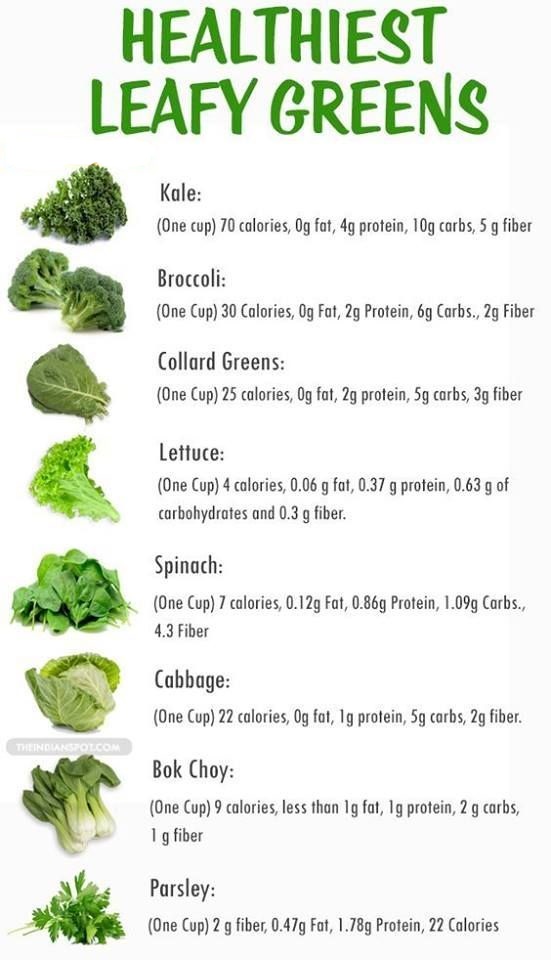
- Variety is Key: Don’t stick to just one type. Rotate your greens – spinach, kale, collards, Swiss chard, arugula, romaine, butter lettuce – to ensure a broad spectrum of nutrients and phytonutrients. Each green has its unique nutritional fingerprint.
- Every Meal, Every Day: Aim to incorporate leafy greens into at least two meals daily.
- Breakfast: Add spinach or kale to smoothies, omelets, or breakfast burritos.
- Lunch: Make salads the centerpiece, or add a generous handful of greens to sandwiches, wraps, or soups.
- Dinner: Sautéed greens as a side dish, mixed into pasta sauces, stir-fries, or curries.
- Creative Cooking:
- Sautéing: A quick sauté with garlic and a touch of olive oil is simple and delicious.
- Steaming: Gentle steaming preserves nutrients.
- Raw: In salads, smoothies, or as a bed for proteins.
- Baking/Roasting: Kale chips are a popular, healthy snack.
- Buy Smart, Store Well: Opt for fresh, vibrant greens. Store them properly to maintain freshness and nutrient content (e.g., in a breathable bag in the crisper drawer).
- Listen to Your Body: Experiment with different greens and preparation methods to find what you enjoy most. Consistency is more important than perfection.
Conclusion: The Emerald Investment
The journey beyond fiber reveals a captivating narrative of microscopic guardians within leafy greens, tirelessly working to protect our heart. From Vitamin K1’s arterial calcification interception to the vasodilatory prowess of dietary nitrates, the antioxidant symphony of flavonoids and carotenoids, and the mineral balancing act of magnesium and potassium, these emerald offerings represent a profound nutritional investment in our cardiovascular future.
For the discerning individual, the message is clear: the vibrant, often overlooked, power of leafy greens is a testament to nature’s elegant design for human health. They are not merely fillers on our plate but essential architects of arterial integrity, orchestrators of cellular defense, and steadfast protectors against the silent threats that besiege our heart. By embracing these verdant powerhouses, we empower our bodies with the tools they need to maintain a strong, resilient heart, ensuring that the tireless drummer of life continues its vital rhythm for years to come. It’s an invitation to cultivate not just a garden on our plate, but a garden of robust health within ourselves.