
In an era dominated by rapid technological advancement and an ever-accelerating pace of life, the seemingly simple act of preparing and consuming a salad daily might appear quaint, even anachronistic. Yet, beneath the vibrant medley of greens, crunchy vegetables, and wholesome toppings lies a profound biological intervention – a culinary alchemy capable of orchestrating a silent revolution within the very core of our being: the gut microbiome. For the knowledgeable seeker of wellness, understanding this intricate dance between diet and internal ecosystem is not merely a matter of healthy eating; it is an exploration into the foundational science of human vitality.
This is the story of "The Science of the Bowl," a narrative that transcends the mundane act of eating to reveal how a daily salad can become a potent, consistent force for positive change in the complex universe residing within our intestines. It’s a tale woven from fiber, prebiotics, polyphenols, and a diverse cast of microbial characters, all working in concert to redefine health from the inside out.
The Inner Garden: Unveiling the Gut Microbiome
Before we delve into the transformative power of the salad, we must first understand the protagonist of our story: the gut microbiome. Far from being a mere collection of bacteria, this is a vast, intricate ecosystem – a bustling inner garden teeming with trillions of microorganisms, including bacteria, fungi, viruses, and archaea. Collectively weighing as much as a human brain, this community possesses a metabolic capacity comparable to a full-fledged organ, influencing virtually every aspect of our physiology.
For centuries, bacteria were viewed primarily through the lens of pathology – agents of disease to be eradicated. However, modern science, propelled by advancements in genomics and sequencing technologies, has revealed a vastly different picture. The majority of these microbial inhabitants are not just harmless; they are essential partners in our health. They break down food components our own enzymes cannot, synthesize vital vitamins, educate our immune system, regulate our metabolism, and even influence our mood and cognitive function via the enigmatic gut-brain axis.
A healthy gut microbiome is characterized by two key attributes: diversity and balance. Diversity, often referred to as alpha diversity, means a wide array of different species coexisting. A robust, diverse microbiome is resilient, capable of adapting to minor dietary fluctuations and resisting the colonization of opportunistic pathogens. Balance, on the other hand, refers to the proportional representation of beneficial versus potentially harmful species. When this delicate equilibrium is disrupted – a state known as dysbiosis – the consequences can ripple throughout the entire body, contributing to everything from irritable bowel syndrome (IBS) and inflammatory bowel disease (IBD) to obesity, type 2 diabetes, allergies, autoimmune conditions, and even neurological disorders like depression and anxiety.
The modern Western diet, characterized by its abundance of processed foods, refined sugars, unhealthy fats, and a scarcity of fiber and plant diversity, is a primary driver of dysbiosis. It starves the beneficial bacteria, allowing less desirable species to flourish, leading to a cascade of inflammatory responses and compromised gut barrier function – colloquially known as "leaky gut." It is against this backdrop of microbial depletion and imbalance that the humble daily salad emerges as a beacon of hope and a powerful agent of restoration.
The Daily Salad: A Symphony of Microbial Fuel
What makes a daily salad such a potent force for microbial change? It’s not just the sum of its parts, but the synergistic interaction of diverse plant compounds, delivered consistently, that orchestrates a profound shift in the gut ecosystem. Let’s dissect the key components of a well-crafted salad and explore their scientific impact.
1. The Fiber Foundation: Fueling the Fermenters
At the heart of every beneficial gut microbiome is fiber. This indigestible carbohydrate, found exclusively in plant foods, is not a nutrient for us in the traditional sense, but it is the primary food source for our beneficial gut bacteria. The average Western diet is woefully deficient in fiber, often providing less than half of the recommended 25-38 grams per day. A daily salad, brimming with a variety of vegetables, can significantly bridge this gap.
Fiber comes in two main forms:
- Soluble Fiber: Dissolves in water to form a gel-like substance. It slows down digestion, helps regulate blood sugar, and is a fantastic source of fermentable fuel for bacteria. Examples in salads include avocados, carrots, sweet potatoes, and legumes like chickpeas and lentils.
- Insoluble Fiber: Adds bulk to stool and helps food pass more quickly through the digestive tract. While less fermentable, it contributes to regularity and gut motility, preventing stagnation that can foster dysbiosis. Examples include leafy greens (spinach, kale), celery, bell peppers, and the skins of many fruits and vegetables.
When soluble and certain insoluble fibers reach the colon, they undergo fermentation by anaerobic bacteria. This process yields a crucial class of metabolites known as short-chain fatty acids (SCFAs), primarily acetate, propionate, and butyrate. These SCFAs are the unsung heroes of gut health and are central to the salad’s power:
- Butyrate: Often considered the most important SCFA, butyrate is the primary fuel source for colonocytes (the cells lining the colon). It strengthens the gut barrier, reduces inflammation, promotes immune regulation, and has even shown anti-cancer properties. Species like Faecalibacterium prausnitzii are major butyrate producers, and their abundance is often correlated with gut health.
- Acetate: The most abundant SCFA, acetate can be used by the liver for energy, converted into butyrate by other bacteria, and plays a role in cholesterol synthesis and satiety signaling.
- Propionate: Travels to the liver, where it influences glucose production and may play a role in appetite regulation and protecting against obesity.
By consistently providing a diverse array of fibers through daily salads, we are effectively fertilizing our inner garden, encouraging the growth of SCFA-producing bacteria and directly nourishing the gut lining, thus bolstering its integrity against harmful compounds.
2. Prebiotics: Selective Growth Promoters
While all fermentable fibers are, in a sense, prebiotic, the term prebiotic refers to specific, non-digestible food ingredients that selectively stimulate the growth and/or activity of one or a limited number of beneficial bacteria in the colon. Think of them as targeted fertilizers.
Key prebiotics often found in salad components include:
- Inulin: A type of fructan found in chicory root (often used as a coffee substitute), garlic, onions, leeks, and asparagus. It specifically promotes the growth of Bifidobacterium species.
- Fructooligosaccharides (FOS): Similar to inulin, found in many of the same sources.
- Galactooligosaccharides (GOS): Found in legumes.
These prebiotics act as highly specialized food sources, allowing beneficial bacteria like Bifidobacterium and Lactobacillus to outcompete less desirable species, thereby shifting the microbial balance towards a healthier profile. A salad incorporating raw onions, garlic (in dressing), asparagus, or a handful of chickpeas directly contributes to this selective nurturing.
3. Polyphenols: The Colorful Guardians
Beyond fiber and prebiotics, salads deliver a rich bounty of polyphenols – a vast group of plant compounds known for their antioxidant and anti-inflammatory properties. Found abundantly in colorful fruits and vegetables, herbs, and spices, polyphenols are not directly digested by human enzymes. Instead, they travel to the colon where they are metabolized by gut bacteria.
The interaction between polyphenols and the microbiome is bidirectional:
- Microbes transform polyphenols: Gut bacteria break down complex polyphenols into smaller, more bioavailable metabolites that can then exert their beneficial effects throughout the body.
- Polyphenols shape the microbiome: They can selectively inhibit the growth of pathogenic bacteria while promoting the proliferation of beneficial species. For example, certain polyphenols found in berries and dark leafy greens have been shown to increase the abundance of Akkermansia muciniphila, a bacterium associated with a healthy gut barrier and improved metabolic health.
Imagine the vibrant spectrum of a salad – the deep reds of bell peppers, the purples of red cabbage, the dark greens of spinach, the yellows of corn, the bright oranges of carrots. Each color signifies a unique profile of polyphenols, providing a broad-spectrum intervention for gut health. Examples include:
- Flavonoids: Quercetin (onions, apples), anthocyanins (berries, red cabbage), catechins (green tea).
- Phenolic acids: Caffeic acid (carrots), ferulic acid (whole grains).
- Resveratrol: Grapes, peanuts.
By consistently consuming a diverse range of polyphenol-rich vegetables, a daily salad acts as both a microbial modulator and a source of powerful anti-inflammatory agents directly at the site of microbial activity.
4. Healthy Fats: Absorption and Integrity
While often overlooked in the context of gut health, the fats included in a salad play a crucial role. Healthy fats, particularly monounsaturated and polyunsaturated fats, are essential for the absorption of fat-soluble vitamins (A, D, E, K) found in many salad ingredients. Furthermore, they contribute to the structural integrity of cell membranes, including those lining the gut.
Sources like avocado, nuts (almonds, walnuts), seeds (chia, flax, pumpkin, sunflower), and olive oil in dressings provide omega-3 and omega-6 fatty acids, which have anti-inflammatory properties. Chronic inflammation is a hallmark of dysbiosis, and these healthy fats can help mitigate it, creating a more hospitable environment for beneficial bacteria. Omega-3s, in particular, have been linked to increased microbial diversity and the abundance of beneficial bacteria.
5. Micronutrients and Water: The Supporting Cast
A daily salad is a powerhouse of vitamins, minerals, and trace elements – crucial co-factors for countless enzymatic reactions in both human and bacterial metabolism. While their direct impact on the microbiome is less studied than fiber or polyphenols, their role in overall host health indirectly supports a healthy gut. A well-nourished host is better equipped to maintain gut integrity and immune function, both of which are intertwined with microbial health.
Finally, hydration is fundamental. The water content of fresh vegetables, coupled with water from salad dressings, contributes to overall fluid intake, which is essential for maintaining proper gut motility and ensuring the smooth passage of food and waste, preventing the stagnation that can contribute to dysbiosis.
The Transformation: How the Microbiome Responds
With a consistent daily intake of these potent microbial fuels, the gut microbiome begins to undergo a profound transformation. This isn’t an overnight change but a gradual, persistent shift that yields cumulative benefits.
1. Increased Microbial Diversity
The most immediate and well-documented effect of increased plant diversity and fiber intake is a significant boost in alpha diversity – the number of different species present in the gut. Studies consistently show that individuals with higher plant food intake exhibit greater microbial diversity, which is a strong marker of a resilient and healthy microbiome. A diverse diet means a diverse set of nutrients, allowing a wider range of bacterial species to thrive, each contributing its unique metabolic capabilities to the ecosystem.
2. A Shift in Species Composition
Beyond mere numbers, the types of bacteria change. Daily salad consumption promotes the growth of keystone beneficial species:
- Bifidobacterium and Lactobacillus species: These are classic probiotics, known for their ability to produce lactic acid, which lowers gut pH, making it less hospitable for pathogens. They also contribute to immune modulation and vitamin synthesis.
- Faecalibacterium prausnitzii (F. prau): A major butyrate producer, often found in reduced numbers in individuals with inflammatory bowel conditions. Its increase signifies a healthier, less inflammatory gut environment.
- Akkermansia muciniphila (A. muciniphila): This bacterium thrives on mucin, the protective layer lining the gut. An abundance of Akkermansia is associated with a stronger gut barrier, reduced inflammation, improved metabolic health, and protection against obesity and type 2 diabetes. Its growth is often stimulated by polyphenols and certain fibers.
The consistent provision of fiber and prebiotics through salads effectively "feeds" these beneficial bacteria, allowing them to flourish and outcompete less desirable species.
3. Enhanced Short-Chain Fatty Acid (SCFA) Production
As beneficial bacteria proliferate, so does their metabolic output, particularly SCFAs. This increased production of butyrate, propionate, and acetate translates directly into:
- Stronger Gut Barrier: Butyrate directly nourishes colonocytes, reinforcing the tight junctions between them, effectively sealing the "leaky gut" and preventing harmful substances (like bacterial toxins, e.g., LPS) from entering the bloodstream.
- Reduced Inflammation: SCFAs, particularly butyrate, have potent anti-inflammatory properties. They can modulate immune cell activity, reducing the production of pro-inflammatory cytokines and fostering a state of immune tolerance within the gut.
- Improved Immune Modulation: A healthy microbiome, driven by SCFA production, is crucial for educating the immune system. It helps differentiate between harmless antigens (like food particles) and true threats, preventing autoimmune reactions and inappropriate inflammatory responses.
4. Positive Impact on the Gut-Brain Axis
The connection between the gut and the brain is now firmly established. SCFAs, neurotransmitter precursors (like tryptophan for serotonin), and immune signaling molecules produced by the microbiome can all cross the blood-brain barrier or signal via the vagus nerve, directly influencing brain function, mood, and cognition. A daily salad, by fostering a healthy, SCFA-rich microbiome, can contribute to:
- Improved Mood: Increased production of serotonin precursors and reduced inflammation can positively impact neurotransmitter balance and alleviate symptoms of anxiety and depression.
- Enhanced Cognitive Function: SCFAs have neuroprotective effects, and a balanced microbiome can reduce systemic inflammation that might otherwise contribute to cognitive decline.
- Stress Resilience: A healthy gut can modulate the body’s stress response, potentially making individuals more resilient to psychological stressors.
5. Better Metabolic Health
The microbiome plays a significant role in host metabolism. Changes induced by daily salad consumption can lead to:
- Improved Insulin Sensitivity: SCFAs can influence glucose metabolism in the liver and peripheral tissues, leading to better insulin sensitivity and reduced risk of type 2 diabetes.
- Weight Management: Certain beneficial bacteria (like Akkermansia) and SCFAs (like propionate) are associated with reduced appetite, improved satiety, and more efficient energy expenditure, potentially aiding in weight management.
- Reduced Cholesterol: Some gut bacteria can influence bile acid metabolism, which impacts cholesterol levels.
The Art of the Daily Bowl: Practical Implementation
The scientific evidence is compelling, but how does one translate this into a sustainable daily practice? The key is to embrace diversity, creativity, and consistency. A "daily salad" doesn’t mean eating the exact same bowl every day; it means committing to a plant-rich, fiber-filled meal that serves as a cornerstone of your diet.
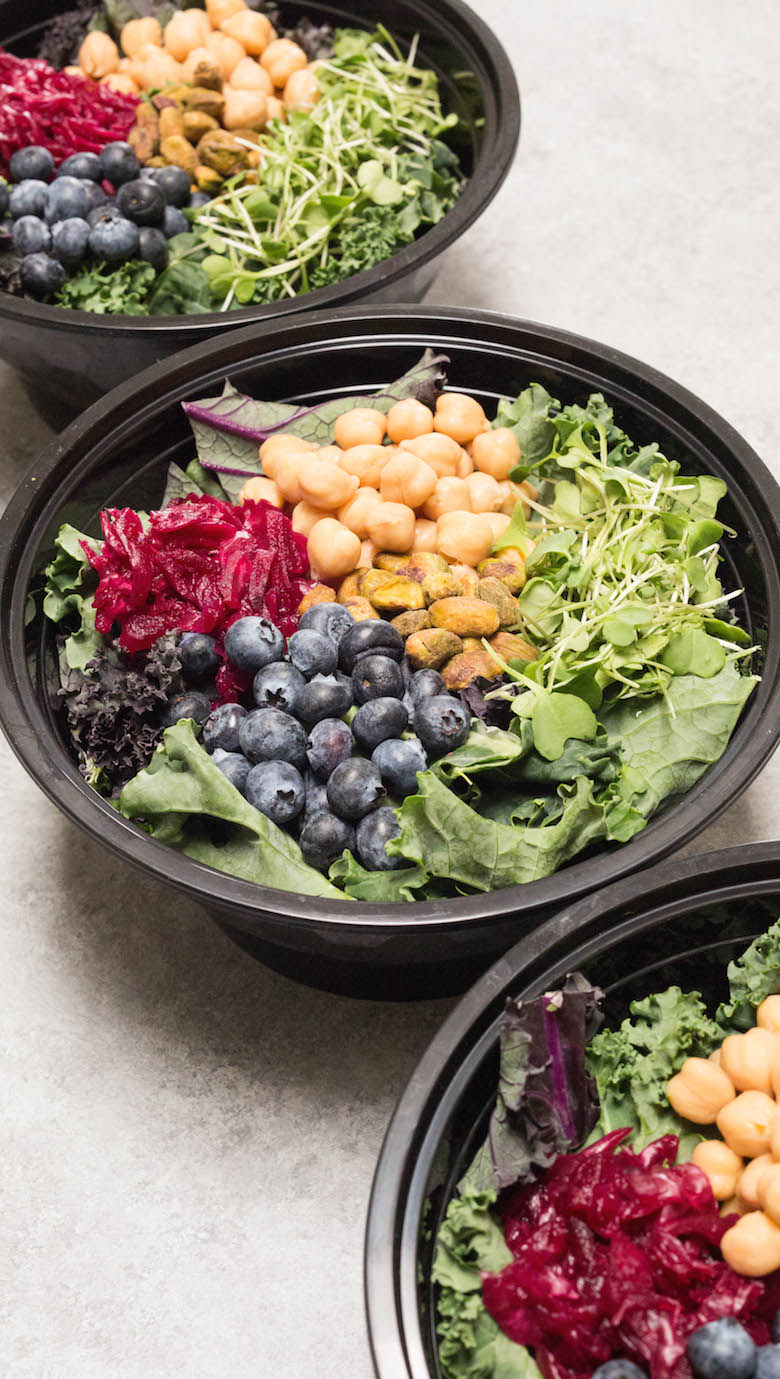
Here’s a guide to building a microbiome-boosting salad:
-
The Foundation: Diverse Greens (1-2 cups minimum)
- Don’t stick to just iceberg. Rotate between spinach, kale, mixed spring greens, romaine, arugula, radicchio, endive. Each offers a unique nutrient and polyphenol profile.
-
The Color Palette: Abundant Non-Starchy Vegetables (1-2 cups)
- This is where diversity truly shines. Aim for at least 3-5 different colors and textures.
- Cruciferous: Broccoli florets, shredded cabbage (red or green), cauliflower, Brussels sprouts. Rich in sulforaphane, another gut-friendly compound.
- Root Vegetables: Grated carrots, beets (cooked or raw), radishes.
- Alliums: Sliced red onion, scallions, garlic (in dressing). Excellent sources of prebiotics.
- Bell Peppers: Red, yellow, orange – packed with Vitamin C and polyphenols.
- Other: Cucumber, celery, cherry tomatoes, asparagus, snap peas.
-
The Powerhouse: Legumes and Whole Grains (1/2 cup cooked)
- Chickpeas, black beans, lentils, edamame are fantastic sources of soluble fiber, prebiotics (GOS), and plant protein.
- Cooked quinoa, farro, or wild rice add complex carbohydrates and additional fiber.
-
The Healthy Fats: Avocados, Nuts, and Seeds (1/4 – 1/2 cup)
- Sliced avocado: Monounsaturated fats, fiber.
- Walnuts, almonds, pecans: Omega-3s, fiber, polyphenols.
- Chia seeds, flax seeds, hemp seeds: Omega-3s, soluble fiber.
- Pumpkin seeds, sunflower seeds: Zinc, magnesium, healthy fats.
-
The Flavor Boosters & Fermented Friends:
- Herbs: Fresh parsley, cilantro, dill, mint. More polyphenols and micronutrients.
- Spices: A pinch of turmeric, black pepper, chili flakes. Anti-inflammatory compounds.
- Fermented Vegetables: A spoonful of sauerkraut, kimchi, or pickled vegetables. These are sources of live bacteria (probiotics), which can further enrich the microbiome.
- Olives: Healthy fats, antioxidants.
-
The Dressing: Healthy & Homemade
- Avoid store-bought dressings laden with unhealthy oils, sugars, and artificial ingredients.
- Opt for extra virgin olive oil (or avocado oil) as a base.
- Add apple cider vinegar or lemon juice (prebiotic effect from ACV, Vitamin C from lemon).
- Include mustard (emulsifier, flavor), herbs, garlic, salt, and pepper.
Consistency is paramount. While one salad is good, a daily salad is transformative. The gut microbiome is dynamic and responds to consistent input. Aim for a "rainbow" of ingredients over the week, ensuring a broad spectrum of fibers, prebiotics, and polyphenols.
Beyond the Bowl: A Holistic Perspective
While the daily salad is a powerful tool, it exists within a larger ecosystem of lifestyle choices. For optimal gut health, it’s essential to consider:
- Hydration: Drink plenty of water throughout the day.
- Sleep: Adequate, restorative sleep is crucial for gut barrier integrity and overall health.
- Stress Management: Chronic stress can profoundly impact the gut microbiome and barrier function. Practices like mindfulness, meditation, or yoga are beneficial.
- Physical Activity: Regular exercise is associated with increased microbial diversity.
- Avoidance of Gut Disruptors: Minimize ultra-processed foods, artificial sweeteners, excessive alcohol, and unnecessary antibiotics.
The Future of the Inner Garden
The science of the gut microbiome is still in its nascent stages, with new discoveries emerging constantly. Future research will undoubtedly delve deeper into personalized nutrition, identifying specific microbial signatures and tailored dietary interventions. However, the foundational principles remain clear: a diverse, plant-rich diet, epitomized by the daily salad, is a universal prescription for cultivating a thriving inner garden.
Conclusion: A Simple Act, Profound Impact
The journey through "The Science of the Bowl" reveals that the daily salad is far more than just a diet trend or a light meal. It is a sophisticated, scientifically validated strategy for profound internal transformation. By consistently nourishing our gut microbiome with a diverse array of fibers, prebiotics, polyphenols, and healthy fats, we are not just eating; we are actively cultivating a resilient, balanced, and vibrant internal ecosystem.
This simple, accessible act empowers us to reclaim agency over our health, fostering not just improved digestion but enhanced immunity, modulated metabolism, and even a brighter mood. In a world of increasing complexity, the daily salad stands as a testament to the enduring power of nature’s bounty – a delicious, colorful, and scientifically sound pathway to unlocking our full health potential, one nourishing bowl at a time. The revolution, it seems, is being served, one leaf, one crunch, one beneficial bacterium at a time.