
In the vast landscape of health and wellness advice, few maxims are as ubiquitous as "drink more water." From childhood, we are taught the importance of H2O for survival, for health, for vitality. Gallons are guzzled, bottles are refilled, and the quest for optimal hydration often feels like a constant, conscious effort. Yet, despite our best intentions and diligent water intake, many of us still grapple with persistent fatigue, brain fog, dull skin, and a general sense of malaise that points to an underlying cellular thirst. What if the conventional wisdom, while fundamentally true, only tells half the story? What if the true revolution in hydration isn’t about how much water we drink, but how we consume it, and in what form it arrives at our cells?
Enter the paradigm-shifting concept of "Eat Your Water," a philosophy that elevates the humble high-volume salad from a mere side dish to a potent, multi-faceted delivery system for profound cellular hydration. This isn’t just about adding a few cucumber slices to your plate; it’s about understanding the intricate biology of water within living organisms, recognizing the limitations of free water, and embracing a holistic approach that taps into the inherent wisdom of nature. For the knowledgeable audience, those who delve beyond superficial health tips, this narrative unveils a deeper science, a more integrated understanding of well-being that promises to redefine vitality from the inside out.
The Hydration Paradox: Beyond the Glass and into the Cell
The "drink eight glasses a day" mantra, while well-intentioned, often oversimplifies a complex biological process. Our bodies are indeed composed of approximately 60% water, but this water isn’t a stagnant pool; it’s a dynamic, intricately managed resource. When we drink water, it must undergo a series of transformations and transport processes to reach the intracellular space where true metabolic activity and cellular function occur. This journey involves absorption in the gut, filtration by the kidneys, and distribution via the circulatory system, ultimately crossing cell membranes.
The challenge lies in the concept of cellular hydration versus systemic hydration. Systemic hydration, the measure of water in our blood and interstitial fluids, can be relatively easily achieved by drinking plain water. However, getting that water into our cells, and ensuring it stays there in a bioavailable, functional form, is a far more nuanced affair. Our cells don’t just need water; they need structured water, often referred to as Exclusion Zone (EZ) water or "fourth phase" water, a concept championed by researchers like Dr. Gerald Pollack. This structured water, a gel-like, negatively charged layer adjacent to hydrophilic surfaces, is critical for cellular energy production, protein folding, and efficient metabolic processes. Plain tap or bottled water, while pure, often lacks this crucial structure.
Furthermore, the process of cellular hydration is intrinsically linked to electrolytes – minerals like sodium, potassium, magnesium, and calcium. These charged particles act as tiny electrical conductors, facilitating the movement of water across cell membranes through osmosis and active transport. Without an adequate balance of electrolytes, water struggles to enter cells effectively, leading to a state where one can feel systemically "full" of water but still experience cellular dehydration. This subtle, often unrecognized form of dehydration can manifest as chronic fatigue, muscle cramps, digestive issues, brain fog, headaches, and even contribute to more serious conditions like hypertension and kidney stones. The body is always striving for homeostasis, and when its cellular environment is parched, every system operates at a suboptimal level. The story of our health, then, is inextricably tied to the story of our cells’ hydration.
The Science of "Eating Your Water": A Symphony of Bioavailability
The revolution of "Eat Your Water" lies in its ability to deliver water to our cells in a fundamentally superior way. When we consume water-rich whole foods, particularly high-volume salads, we are not just ingesting H2O; we are absorbing bioavailable, structured water encased within a matrix of essential nutrients, fiber, and electrolytes. This creates a synergistic effect that transcends the benefits of drinking plain water alone.
1. Bioavailable, Structured Water:
Water contained within the living cells of plants is fundamentally different from free-flowing water in a glass. It is already structured, having been organized by the plant’s own biological processes. This "living water" is often in its EZ phase, rich in energy and highly ordered. When we consume it, our bodies require less energy to process and absorb it at the cellular level. This bound water is slowly released during digestion, providing a sustained stream of hydration rather than a rapid flush that can quickly be excreted. The slow, steady drip of structured water, accompanied by its natural mineral cofactors, allows for more efficient uptake and utilization by our own cells, mimicking the gentle rhythm of nature.
2. The Power of Electrolyte Synergy:
High-volume salads are veritable treasure troves of naturally occurring electrolytes. Spinach, kale, avocado, celery, and tomatoes are bursting with potassium, magnesium, and calcium. These minerals are not just present; they are in perfect balance, proportioned by nature for optimal absorption. When consumed alongside water, these electrolytes create an osmotic gradient that actively pulls water into cells, ensuring deep, efficient cellular hydration. This is far more effective than trying to rehydrate with plain water after a workout, where vital electrolytes may have been depleted. The plant matrix provides the full spectrum, working in concert to maintain fluid balance and support nerve and muscle function.
3. Fiber: The Unsung Hero of Hydration:
Fiber, often celebrated for its role in digestion and gut health, is also a critical component of "eating your water."
- Soluble Fiber: Found in abundance in many salad ingredients (e.g., apples, berries, certain greens), soluble fiber absorbs water and forms a gel-like substance in the digestive tract. This not only slows down digestion, allowing for more thorough nutrient absorption, but also acts as a reservoir for water, releasing it gradually. This prolonged hydration contributes to sustained energy levels and prevents the rapid fluctuations often associated with drinking large amounts of free water.
- Insoluble Fiber: Present in the stalks and skins of many vegetables, insoluble fiber adds bulk to stool, facilitating healthy bowel movements. While not directly holding water in the same way as soluble fiber, it indirectly supports hydration by promoting efficient waste elimination. A healthy, unobstructed digestive tract is crucial for nutrient and water absorption, preventing the body from having to reabsorb toxins, which would place an additional burden on hydration systems. Moreover, a healthy gut microbiome, fueled by dietary fiber, produces short-chain fatty acids (SCFAs) that support the integrity of the gut lining, further optimizing nutrient and water absorption.
4. Phytonutrients and Antioxidants: Cellular Guardians:
High-volume salads are a kaleidoscope of phytonutrients – thousands of bioactive compounds that give plants their vibrant colors, distinct flavors, and protective properties. These include carotenoids, flavonoids, polyphenols, and glucosinolates, among others. Their role in cellular hydration, while indirect, is profound:
- Reducing Oxidative Stress: Many phytonutrients are powerful antioxidants. Oxidative stress, caused by free radicals, can damage cell membranes, impairing their ability to hold and utilize water effectively. By neutralizing free radicals, phytonutrients protect cellular integrity, ensuring that water can enter and remain within cells without compromise.
- Mitochondrial Health: Mitochondria, the powerhouses of our cells, are intimately involved in water management. Healthy mitochondria produce ATP (adenosine triphosphate), the energy currency of the cell, and also generate metabolic water. Phytonutrients support mitochondrial function, ensuring efficient energy production and optimal cellular environment for hydration.
- Anti-inflammatory Properties: Chronic low-grade inflammation can disrupt cellular processes and contribute to tissue damage, making cells less receptive to hydration. The anti-inflammatory compounds abundant in colorful vegetables and fruits help quell inflammation, creating a more harmonious internal environment conducive to robust cellular function, including water uptake.
5. Enzymes: Catalysts for Life:
Raw fruits and vegetables are rich in living enzymes, which aid in their own digestion. When consumed, these plant-based enzymes supplement our body’s endogenous enzyme production, easing the digestive burden. This means the body expends less metabolic energy on breaking down food, freeing up vital resources that can then be directed towards cellular repair, detoxification, and, crucially, efficient water and nutrient absorption. A more efficient digestive process translates directly to better nutrient assimilation and, consequently, superior cellular hydration.
High-Volume Salads: The Ultimate Hydration Delivery System
What defines a "high-volume salad" in the context of cellular hydration? It’s more than just a large bowl of lettuce. It’s a thoughtfully constructed meal designed for maximum nutrient density and water content, leveraging the synergistic properties of whole foods.
Key Characteristics:
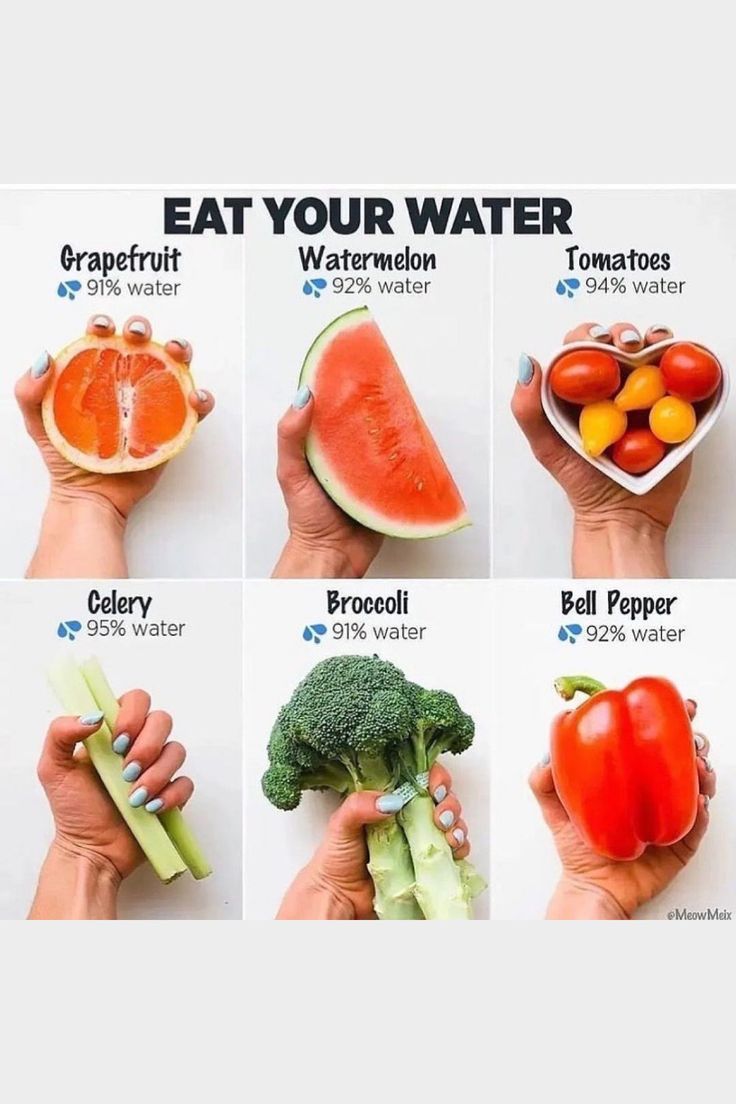
- Abundance of Water-Rich Produce: The foundation must be leafy greens (spinach, kale, romaine, mixed greens), but extended with copious amounts of water-dense vegetables like cucumbers (95% water), celery (95% water), bell peppers (92% water), tomatoes (94% water), radishes, and jicama. Berries (strawberries, blueberries, raspberries) and citrus fruits also contribute significant water.
- Diversity of Color: A rainbow of colors ensures a broad spectrum of phytonutrients, each offering unique protective benefits and enhancing the overall cellular environment for hydration. Think red bell peppers, purple cabbage, orange carrots, green herbs.
- Inclusion of Healthy Fats: Avocado, nuts (walnuts, almonds), seeds (chia, flax, hemp), and a high-quality olive oil in the dressing are essential. These healthy fats are crucial for the absorption of fat-soluble vitamins (A, D, E, K) which play roles in cellular membrane health and overall vitality. They also contribute to satiety, making the salad a truly satisfying meal.
- Lean Protein Sources: While the focus is plant-based, incorporating plant proteins like chickpeas, lentils, edamame, sprouts, or even a small amount of lean animal protein (if not vegan) is vital. Protein provides the amino acids necessary for cellular repair, enzyme production, and maintaining fluid balance, all of which are interconnected with hydration.
- Herbs and Spices: Fresh herbs (parsley, cilantro, mint, basil) and spices (turmeric, ginger, black pepper) not only elevate flavor but also contribute concentrated doses of phytonutrients and anti-inflammatory compounds, further boosting the salad’s cellular health benefits.
Synergistic Benefits of the High-Volume Salad:
When all these components come together, the high-volume salad becomes more than just a meal; it transforms into a potent wellness tool:
- Unparalleled Nutrient Density: It provides an incredible array of vitamins, minerals, antioxidants, and fiber in a single serving, far surpassing any isolated supplement or plain water.
- Satiety Without Caloric Excess: The high water and fiber content fills you up, promoting satiety and preventing overeating, which can support healthy weight management without feeling deprived.
- Improved Digestion and Gut Microbiome Health: The sheer volume of fiber acts as a prebiotic, feeding beneficial gut bacteria. A healthy microbiome is linked to improved nutrient absorption, reduced inflammation, and even mood regulation, all contributing to a more vibrant, hydrated self.
- Alkalizing Effect: Most vegetables and fruits have an alkalizing effect on the body, helping to balance pH levels. While the body has robust buffering systems, supporting an optimal pH environment can reduce metabolic stress and enhance cellular function.
- Enhanced Detoxification: The combination of fiber and water aids the body’s natural detoxification pathways, promoting regular bowel movements and supporting kidney function, helping to flush out metabolic waste and toxins more efficiently.
The "Story" of Transformation: A Personal Hydration Revelation
Imagine Sarah, a successful graphic designer in her late thirties. She prides herself on her healthy habits: she runs three times a week, limits processed foods, and diligently sips from her gallon-sized water bottle throughout the day. Yet, despite her efforts, a persistent dullness shadowed her life. Brain fog often descended in the afternoons, requiring copious amounts of coffee. Her skin, while not problematic, lacked a certain radiance. Headaches were frequent companions, and a nagging fatigue often made her weekend runs feel like a chore rather than a joy. "Am I just getting older?" she’d wonder, frustrated by her perceived lack of vitality despite doing "everything right."
One day, a colleague, observing Sarah’s afternoon slump, introduced her to the concept of "Eat Your Water." Skeptical at first – "I already drink so much water!" – Sarah decided to give it a try. The initial idea of a "high-volume salad" seemed daunting; she pictured a bland bowl of lettuce. But her colleague explained it wasn’t just lettuce. It was a vibrant, towering creation: a base of mixed greens, piled high with crisp cucumbers, juicy cherry tomatoes, colorful bell peppers, shredded carrots, creamy avocado, a handful of walnuts, chickpeas, and a sprinkle of fresh cilantro, all drizzled with a simple lemon-tahini dressing.
Sarah committed to replacing her usual carb-heavy lunch with one of these hydration-packed salads. The first few days, she noticed she felt fuller, longer. The usual afternoon slump seemed to recede, replaced by a more sustained energy. Within a week, the subtle shift became undeniable. Her headaches, once a daily occurrence, became sporadic. Her skin began to glow with a newfound luminosity, and the persistent dry patches around her eyes softened.
The most profound change, however, was internal. The brain fog, her nemesis, lifted significantly. She found herself focusing more easily, her thoughts clearer, her creativity flowing with less effort. She noticed she wasn’t craving sugary snacks in the afternoon, a testament to the sustained energy and nutrient satisfaction her body was finally experiencing. Her runs felt lighter, her recovery quicker. She wasn’t just drinking water; she was feeling hydrated at a cellular level, a sensation far more profound than the temporary fullness of a water-filled stomach.
Sarah’s transformation wasn’t instantaneous, but it was fundamental. She realized that while she had been quenching her systemic thirst, her cells had been quietly parched. By embracing high-volume salads, she wasn’t just eating food; she was delivering a symphony of structured water, electrolytes, fiber, and phytonutrients directly to the very core of her being. This wasn’t a diet; it was a revolution in how she nourished her body, unlocking a level of vitality she hadn’t known was possible.
Practical Application: Crafting Your Hydration Masterpiece
Embarking on the "Eat Your Water" journey through high-volume salads is both an art and a science. The goal is to create a meal that is not only supremely nourishing but also visually appealing and delicious, making it a sustainable practice.
The Foundation:
- Dark Leafy Greens: Start with a generous base of spinach, kale (massaged with a little lemon juice to tenderize), romaine, mixed greens, arugula, or spring mix. These are packed with chlorophyll, vitamins, and minerals.
The Hydrators (Bulk & Structure):
- Cucumber: Sliced, diced, or spiralized, it’s a hydration powerhouse.
- Celery: Provides a satisfying crunch and high water content.
- Bell Peppers: All colors offer different phytonutrients and a sweet crunch.
- Tomatoes: Cherry, grape, or heirloom varieties burst with water and lycopene.
- Radishes/Jicama: Add a peppery bite or a sweet, crunchy texture.
- Sprouts: Alfalfa, broccoli, or mung bean sprouts are incredibly nutrient-dense and water-rich.
- Berries/Citrus: Add sweetness, tang, and more structured water (e.g., sliced strawberries, blueberries, orange segments).
The Nutrient Boosters (Concentrated Goodness):
- Avocado: Healthy fats, potassium, and creamy texture.
- Nuts & Seeds: Walnuts, almonds, pecans, pumpkin seeds, sunflower seeds, chia seeds, flax seeds for healthy fats, protein, and minerals.
- Legumes: Chickpeas, black beans, lentils, edamame for plant-based protein and fiber.
- Root Vegetables: Grated carrots, beets (raw or lightly roasted) for additional fiber, vitamins, and unique phytonutrients.
- Herbs: Fresh parsley, cilantro, mint, basil, dill – these are nutrient powerhouses.
The Dressing (Crucial for Absorption & Flavor):
- Avoid creamy, sugar-laden, or highly processed dressings.
- Vinaigrettes: Olive oil (extra virgin), apple cider vinegar (for electrolytes and gut health), lemon juice, Dijon mustard, herbs, and spices (garlic powder, onion powder, black pepper, a pinch of sea salt).
- Tahini-based: Tahini, lemon juice, water to thin, garlic, a touch of maple syrup or date paste for sweetness.
- Avocado-based: Blended avocado, lemon juice, water, herbs.
Tips for Success:
- Batch Prep: Wash and chop all your salad ingredients at the beginning of the week. Store them in separate containers. This makes assembly quick and easy.
- Variety is Key: Don’t get stuck in a rut. Rotate your greens, vegetables, fruits, and proteins to ensure a broad spectrum of nutrients.
- Make it Appealing: Think about color, texture, and arrangement. A visually appealing salad is more enjoyable.
- Listen to Your Body: Pay attention to how different ingredients make you feel. Adjust accordingly.
- Start Small, Build Up: If you’re new to high-volume salads, gradually increase the portion size and variety of ingredients. You might even start by incorporating one large salad per day as a main meal.
- Consider Warm Elements: If raw salads feel too "cold" or unappealing, especially in cooler months, add lightly steamed vegetables (broccoli, asparagus) or roasted sweet potatoes to your greens.
Addressing Common Objections and Misconceptions
While the benefits are profound, some common hesitations may arise:
- "But I don’t like salads!" This usually stems from experiences with bland, uninspired salads. The key is flavor, texture, and diversity. Experiment with different dressings, add roasted vegetables, incorporate fruits, nuts, and seeds for complexity. Think of it as a deconstructed meal rather than just "rabbit food."
- "It’s too much work/too expensive." Batch prepping significantly reduces daily effort. Buying seasonal produce can reduce costs, and legumes/grains are very economical protein sources. The long-term health benefits and reduced reliance on supplements or medications can also offset perceived costs.
- "Isn’t drinking water enough?" As explored, systemic hydration (drinking water) is crucial, but cellular hydration (eating water) is a superior, more holistic approach. They are complementary, not mutually exclusive. Continue to drink pure water, but understand its limitations for deep cellular nourishment.
- "What about smoothies?" Smoothies are excellent for nutrient delivery, especially green smoothies. However, chewing is an important part of the digestive process, signaling the body to produce enzymes and preparing the gut for assimilation. Salads also retain all their fiber, whereas some blenders can break down fiber too finely. A combination of both is ideal.
The Broader Implications: Beyond Hydration
The "Eat Your Water" philosophy, manifested through high-volume salads, extends far beyond mere hydration. It represents a fundamental shift towards a more nutrient-dense, whole-foods-based way of eating that has cascading benefits for overall health and longevity.
- Chronic Disease Prevention: By providing a consistent supply of structured water, electrolytes, fiber, and phytonutrients, these salads actively combat the cellular dysfunction that underpins many chronic diseases. Improved cellular hydration supports cardiovascular health, stabilizes blood sugar, reduces inflammation (a root cause of many illnesses), and strengthens the immune system. The high fiber content is particularly protective against digestive cancers and metabolic syndrome.
- Longevity and Vitality: Healthy, well-hydrated cells are resilient cells. They function optimally, resist damage, and contribute to the slow down of cellular aging. The sustained energy, mental clarity, and improved physical performance experienced by those who "eat their water" are direct indicators of enhanced cellular vitality, contributing to a higher quality of life as we age.
- Environmental Impact: Embracing a diet rich in plant-based, water-dense foods has a significantly lower environmental footprint than diets heavy in processed foods or animal products. It supports sustainable agriculture and reduces the demand for resource-intensive food production.
Conclusion: A Revolution in Every Bite
The quest for optimal hydration is often framed as a simple matter of intake – drink more water. But for the knowledgeable and discerning individual, the truth reveals a deeper, more sophisticated biological narrative. "Eat Your Water" is not a fleeting trend; it is a profound recalibration of our understanding of hydration, shifting the focus from passive consumption to active, nutrient-rich cellular nourishment.
High-volume salads are not just meals; they are intricate delivery systems, expertly crafted by nature, that provide structured water, perfectly balanced electrolytes, essential fiber, and a symphony of protective phytonutrients. They tell a story of cellular rejuvenation, of sustained energy, of mental clarity, and of a vibrant glow that emanates from within.
By integrating these power-packed meals into our daily lives, we move beyond merely quenching thirst. We embrace a revolution in every bite, transforming our internal landscape, empowering our cells, and ultimately, unlocking a deeper, more resilient state of well-being. It’s time to stop just drinking our water, and start eating it – for a truly hydrated, thriving existence.