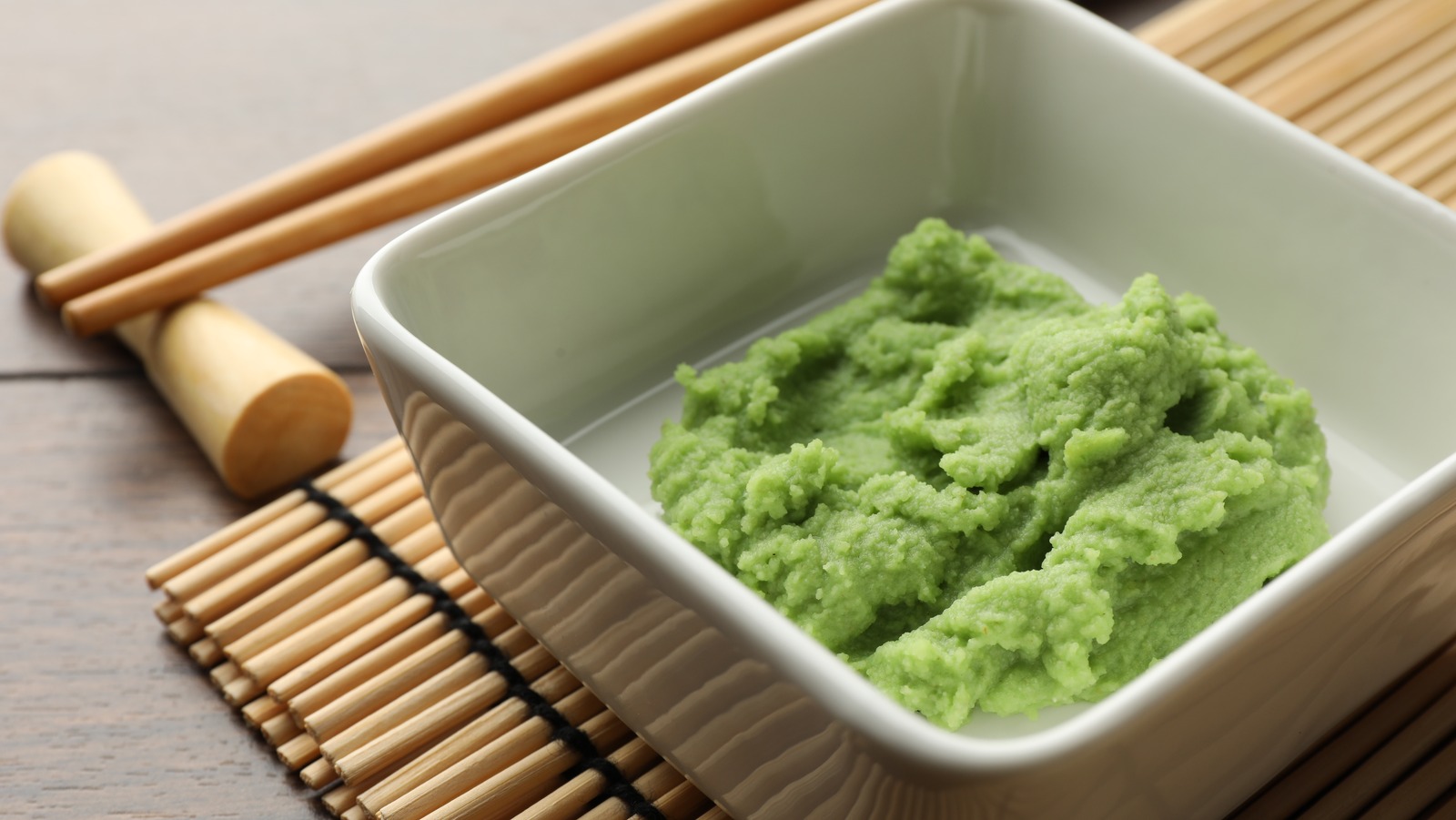

The verdant paste, vibrant and pungent, sits unassuming beside a delicate piece of sashimi. With the slightest brush against the tongue, a sensation unlike any other explodes – a sudden, searing heat that rushes through the sinuses, a fleeting tear in the eye, followed by a remarkable clarity and a lingering, clean finish. This is the quintessential wasabi experience, a culinary signature that has captivated palates for centuries. But beneath this ephemeral, fiery ascent lies a secret far more profound than mere flavor. It is a story whispered in ancient Japanese herbal remedies, a narrative now being meticulously uncovered by modern science: the tale of wasabi as a potent modulator of inflammation, a testament to its rich arsenal of bioactive compounds.
For generations, the Japanese have revered Wasabia japonica not just as a condiment, but as a plant with purported health benefits – aiding digestion, fighting bacteria, and even preventing food poisoning, particularly when consumed with raw fish. These traditional observations, often dismissed as folklore by the uninitiated, are now proving to be astute insights into a complex phytochemistry. Modern scientific inquiry, equipped with sophisticated analytical tools and a deeper understanding of human physiology, is embarking on a profound deep dive, moving beyond the transient heat to explore wasabi’s remarkable potential in the persistent battle against inflammation.
Our journey begins not with a laboratory bench, but with the plant itself, a member of the diverse Brassicaceae (or Cruciferae) family, which includes other cruciferous powerhouses like broccoli, kale, and mustard greens. Like its cousins, wasabi is a veritable chemical factory, producing an array of compounds that serve as its natural defense mechanisms against pests and pathogens. It is these very defense mechanisms, honed over millennia of evolution, that hold the key to its anti-inflammatory prowess in human biology.
The Genesis of the Kick: Unveiling Wasabi’s Unique Chemistry
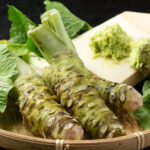
The characteristic "kick" of wasabi is not inherent in the plant itself but is born from a fascinating enzymatic reaction. The raw wasabi rhizome (the underground stem) stores a class of compounds called glucosinolates – specifically, sinigrin is the primary one responsible for wasabi’s signature flavor. Separated from these glucosinolates within the plant’s cellular structure is an enzyme called myrosinase. When the plant cells are damaged – whether by grating the rhizome or chewing on a leaf – myrosinase comes into contact with sinigrin. This enzymatic hydrolysis swiftly converts sinigrin into a cascade of potent, volatile compounds known as isothiocyanates (ITCs).
The dominant ITC in wasabi, and the one most responsible for its pungent heat and many of its health benefits, is allyl isothiocyanate (AITC). However, wasabi also produces other significant ITCs, such as 6-methylsulfinylhexyl isothiocyanate (6-MITC) and 8-methylsulfinyloctyl isothiocyanate (8-MITC), along with lesser amounts of others. These ITCs are the true stars of our story, the molecular warriors in wasabi’s fight against inflammation. They are volatile, highly reactive, and possess a remarkable ability to interact with a multitude of biological targets within the human body.
The Inflammatory Landscape: A Primer on a Double-Edged Sword
To appreciate wasabi’s therapeutic potential, we must first understand the enemy: inflammation. At its core, inflammation is a vital, protective response of the immune system to injury, infection, or irritation. Acute inflammation is a rapid, localized reaction – the redness, swelling, heat, and pain you experience from a cut or a sprain – designed to eliminate harmful stimuli and initiate tissue repair. It is a hero, swiftly deployed to safeguard our health.
However, when this protective mechanism goes awry, becoming prolonged, systemic, or inappropriately triggered, it transforms into chronic inflammation – a silent, insidious villain. Chronic inflammation is no longer a localized defense; it becomes a destructive force, contributing to a vast array of debilitating diseases, including cardiovascular disease, type 2 diabetes, neurodegenerative disorders like Alzheimer’s and Parkinson’s, various cancers, autoimmune conditions (rheumatoid arthritis, inflammatory bowel disease), and even accelerating the aging process.
The intricate web of chronic inflammation involves a complex interplay of immune cells, signaling molecules, and genetic pathways. Key players in this destructive symphony include:
- Pro-inflammatory cytokines: Small proteins like Tumor Necrosis Factor-alpha (TNF-α), Interleukin-1 beta (IL-1β), and Interleukin-6 (IL-6) that act as messengers, amplifying the inflammatory response.
- NF-κB (Nuclear Factor kappa-light-chain-enhancer of activated B cells): A master transcriptional regulator that controls the expression of genes involved in immune responses and inflammation. Its persistent activation is a hallmark of chronic inflammatory diseases.
- COX-2 (Cyclooxygenase-2): An enzyme that produces prostaglandins, lipid mediators that promote inflammation, pain, and fever. It is the target of many common anti-inflammatory drugs (NSAIDs).
- iNOS (Inducible Nitric Oxide Synthase): An enzyme that produces large amounts of nitric oxide (NO), a free radical that can contribute to oxidative stress and tissue damage during chronic inflammation.
- Reactive Oxygen Species (ROS): Highly reactive molecules that can damage cells, proteins, and DNA, contributing to oxidative stress, which is intimately linked with inflammation.
Modulating these pathways without completely shutting down the beneficial aspects of inflammation is the holy grail of anti-inflammatory therapy. This is where wasabi’s bioactive compounds enter the arena.
The Battleground: ITCs vs. Inflammatory Pathways – A Deep Dive
The scientific community has meticulously investigated how wasabi’s ITCs, particularly AITC and 6-MITC, engage with these inflammatory pathways. The findings reveal a multi-pronged attack, a sophisticated strategy that underscores the therapeutic potential of this fiery rhizome.
1. NF-κB Pathway Inhibition: Silencing the Master Switch
NF-κB is arguably one of the most critical targets for anti-inflammatory compounds. In its inactive state, NF-κB resides in the cytoplasm, bound to an inhibitory protein called IκB. Upon inflammatory stimuli (like bacterial toxins, viruses, or pro-inflammatory cytokines), a kinase complex (IKK) phosphorylates IκB, tagging it for degradation. This releases NF-κB, allowing it to translocate into the nucleus where it binds to specific DNA sequences and initiates the transcription of numerous pro-inflammatory genes, including those for TNF-α, IL-1β, IL-6, COX-2, and iNOS.
Wasabi’s ITCs have been shown to be potent inhibitors of the NF-κB pathway. They interfere at several points:
- Inhibiting IKK Activation: ITCs can directly or indirectly suppress the activity of the IKK complex, preventing the phosphorylation and degradation of IκB.
- Blocking NF-κB Nuclear Translocation: By preserving IκB, ITCs effectively "trap" NF-κB in the cytoplasm, preventing its entry into the nucleus and thereby shutting down the transcription of inflammatory mediators.
- Direct Interaction: Some studies suggest ITCs may directly interact with NF-κB subunits, altering their DNA binding capacity.
By silencing this master switch, ITCs effectively turn down the volume on a cascade of pro-inflammatory gene expression, offering a broad-spectrum anti-inflammatory effect.
2. Cytokine Modulation: Calming the Inflammatory Messengers
As mentioned, pro-inflammatory cytokines like TNF-α, IL-1β, and IL-6 are key communicators in the inflammatory response, amplifying and sustaining it. Elevated levels of these cytokines are hallmarks of numerous chronic inflammatory conditions.
Research indicates that wasabi ITCs can significantly suppress the production and release of these cytokines from various immune cells, such as macrophages. By reducing the levels of these crucial messengers, ITCs can dampen the overall inflammatory signal, preventing it from spiraling out of control. This direct modulation of cytokine production complements their NF-κB inhibitory effects, creating a robust anti-inflammatory action.
3. COX-2 and Prostaglandin Synthesis: Targeting Pain and Swelling
COX-2 is the enzyme primarily responsible for synthesizing pro-inflammatory prostaglandins from arachidonic acid. These prostaglandins contribute significantly to the pain, fever, and swelling associated with inflammation. Many conventional NSAIDs work by inhibiting COX-2 (and COX-1, leading to side effects).
Wasabi ITCs have demonstrated the ability to inhibit COX-2 expression and activity. This effect is often mediated, in part, by their suppression of NF-κB, as the COX-2 gene is a downstream target of NF-κB. By reducing COX-2, ITCs can diminish the production of pro-inflammatory prostaglandins, thereby alleviating symptoms like pain and swelling without necessarily carrying the gastrointestinal side effects associated with non-selective NSAIDs.
4. iNOS and Nitric Oxide Production: Counteracting Oxidative Stress
Nitric oxide (NO) plays a dual role in the body. While physiologically important for vasodilation and neurotransmission, excessive NO produced by iNOS during chronic inflammation can contribute to oxidative stress and tissue damage.
ITCs from wasabi have been shown to suppress the induction of iNOS and subsequent NO production in inflammatory cells. This action helps to mitigate the oxidative burden associated with chronic inflammation, protecting cells and tissues from damage. Again, this effect is often linked to the upstream inhibition of NF-κB, which regulates iNOS expression.
5. Nrf2 Pathway Activation: Unleashing the Body’s Antioxidant Defense
Beyond directly suppressing pro-inflammatory pathways, wasabi ITCs also activate a crucial endogenous defense mechanism: the Nrf2-Keap1 pathway. Nrf2 (Nuclear factor erythroid 2-related factor 2) is a master regulator of antioxidant and detoxification genes. Under normal conditions, Nrf2 is sequestered in the cytoplasm by Keap1 (Kelch-like ECH-associated protein 1), which targets it for degradation.
ITCs are electrophilic compounds, meaning they readily react with nucleophilic groups, particularly cysteine residues. They can chemically modify Keap1, disrupting the Keap1-Nrf2 complex. This disruption prevents Keap1 from targeting Nrf2 for degradation, allowing Nrf2 to translocate into the nucleus. Once in the nucleus, Nrf2 binds to antioxidant response elements (AREs) in the promoters of various genes, upregulating the expression of powerful antioxidant and phase II detoxification enzymes, such as:
- Heme oxygenase-1 (HO-1): An enzyme with potent anti-inflammatory and cytoprotective properties.
- NAD(P)H:quinone oxidoreductase 1 (NQO1): An enzyme involved in detoxification and antioxidant defense.
- Glutathione S-transferases (GSTs): Enzymes crucial for detoxification.
By activating the Nrf2 pathway, wasabi ITCs don’t just put out inflammatory fires; they strengthen the body’s intrinsic fire suppression system, enhancing its ability to neutralize free radicals, detoxify harmful compounds, and reduce oxidative stress, which is a major driver of inflammation. This "upstream" activation of cellular defenses is a particularly attractive mechanism, as it fosters long-term cellular resilience.
6. Epigenetic Modulation: Influencing Gene Expression
Emerging research suggests that ITCs, including those from wasabi, may also exert anti-inflammatory and chemopreventive effects through epigenetic mechanisms. Epigenetics refers to changes in gene expression that do not involve alterations to the underlying DNA sequence. These can include DNA methylation, histone modification, and non-coding RNA regulation.
ITCs have been shown to modulate the activity of enzymes involved in these processes, such as histone deacetylases (HDACs). By inhibiting HDACs, ITCs can lead to increased histone acetylation, which generally "opens up" chromatin structure, making genes more accessible for transcription. This can influence the expression of genes involved in inflammation, cell proliferation, and apoptosis, adding another layer of complexity and therapeutic potential to their actions.
Beyond the ITCs: A Symphony of Bioactives
While ITCs are undoubtedly the prima donnas of wasabi’s anti-inflammatory orchestra, they are not alone. The plant’s rich phytochemistry includes other compounds that contribute to its overall health benefits, often synergistically enhancing the effects of ITCs.
- Polyphenols and Flavonoids: Wasabi contains various phenolic compounds, including quercetin and kaempferol, which are well-known for their antioxidant and anti-inflammatory properties. These compounds can scavenge free radicals, inhibit pro-inflammatory enzymes, and modulate signaling pathways, complementing the actions of ITCs.
- Vitamins and Minerals: Wasabi is a source of vitamin C, vitamin B6, magnesium, and potassium, all of which play roles in maintaining overall health and supporting immune function.
- Dietary Fiber: The rhizome is also a source of dietary fiber, which supports gut health, and a healthy gut microbiome is increasingly recognized as crucial for modulating systemic inflammation.
The concept of synergy is critical here. It is unlikely that any single compound in wasabi acts in isolation. Instead, the diverse array of bioactive molecules likely interact in complex ways, amplifying each other’s effects and targeting multiple pathways simultaneously, leading to a more robust and holistic anti-inflammatory outcome than any single compound could achieve alone.
The Journey from Plant to Potency: Challenges and Considerations
Despite its impressive bioactive profile, translating wasabi’s laboratory promise into practical therapeutic applications faces several challenges:
- Stability and Volatility: AITC, the primary active compound, is highly volatile and degrades rapidly once the rhizome is grated. Its pungency fades quickly, and with it, much of its therapeutic potential. This ephemeral nature makes standardized dosing and formulation difficult.
- Bioavailability: While ITCs are absorbed, their pharmacokinetics (how they are absorbed, distributed, metabolized, and excreted) are complex. They undergo various metabolic transformations in the body, which can influence their activity and duration of action. Understanding these metabolic pathways is crucial for optimizing their delivery.
- Dosage and Delivery: What constitutes an "effective" dose for human anti-inflammatory benefits? The amount of wasabi typically consumed with sushi is likely too small to exert significant systemic effects. Developing stable, bioavailable formulations that deliver sufficient concentrations of ITCs is an active area of research.
- "Real" Wasabi vs. Imitation: A significant hurdle is the widespread prevalence of "imitation wasabi," which is often a blend of horseradish, mustard, and green food coloring. This imitation product lacks the unique ITC profile of true Wasabia japonica and thus its specific health benefits. Educating consumers and ensuring access to authentic wasabi are important.
- Safety and Toxicity: While wasabi is generally safe as a food, concentrated extracts or very high doses of ITCs might theoretically pose concerns, particularly for individuals with certain sensitivities or medical conditions. Comprehensive safety profiling is necessary for any therapeutic application.
Future Horizons and the Unfolding Narrative
The story of wasabi and inflammation is far from over; it is still unfolding with exciting chapters yet to be written. Current research is focusing on:
- Clinical Trials: Moving beyond in vitro and animal studies to human clinical trials to validate the anti-inflammatory effects of wasabi extracts or isolated ITCs in specific inflammatory conditions (e.g., arthritis, metabolic syndrome, neuroinflammation).
- Nutraceutical Development: Developing stable, standardized, and bioavailable wasabi-derived supplements that can deliver consistent therapeutic doses of ITCs. This includes exploring encapsulation technologies or prodrug strategies to enhance stability and absorption.
- Targeted Delivery: Investigating methods to specifically deliver ITCs to inflamed tissues or organs to maximize efficacy and minimize potential off-target effects.
- Understanding Specific ITC Roles: Further dissecting the unique contributions of individual ITCs (AITC, 6-MITC, 8-MITC) to anti-inflammatory and other health benefits, as they may have distinct potencies or target specific pathways.
- Combinatorial Approaches: Exploring the synergistic potential of wasabi ITCs with other anti-inflammatory natural compounds or conventional therapies.
The journey from a pungent condiment to a potential therapeutic agent is a testament to the power of natural compounds and the relentless curiosity of scientific inquiry. Each discovery about wasabi’s intricate chemistry and its sophisticated interactions with human physiology adds another layer to its compelling narrative.
The Fiery Promise: A Conclusion
The fiery kick of wasabi, once merely a culinary curiosity, has revealed itself to be a complex symphony of bioactive compounds orchestrating a powerful anti-inflammatory response. From its enzymatic genesis of potent isothiocyanates like AITC and 6-MITC, to its sophisticated engagement with master inflammatory regulators like NF-κB, its modulation of pro-inflammatory cytokines, its inhibition of COX-2 and iNOS, and its activation of the body’s intrinsic antioxidant defenses via the Nrf2 pathway, wasabi emerges as a compelling natural agent in the fight against chronic inflammation.
The story of wasabi is a reminder that nature’s pharmacy often holds profound secrets, waiting to be unlocked by scientific rigor. As we continue to delve deeper into its bioactive arsenal, the humble, fiery rhizome promises to evolve from a mere accompaniment to sushi into a significant player in the realm of functional foods and nutraceuticals, offering a potent, plant-derived strategy to combat the pervasive and destructive forces of inflammation, and perhaps, truly becoming a fiery healer for the modern age.