
In the relentless march of time, few prospects loom with as much quiet dread as the potential erosion of our cognitive faculties. The vibrant tapestry of memories, the sharp edges of our intellect, the very essence of who we are – all susceptible to the insidious creep of neurodegeneration. Alzheimer’s, Parkinson’s, vascular dementia – these are not just medical diagnoses; they represent a profound loss of self, a poignant fading of the inner light. The quest for ways to preserve this most precious asset, our brain, has become one of humanity’s most urgent scientific endeavors.
From the high-tech laboratories dissecting the intricacies of neural networks to the ancient wisdom embedded in traditional medicine, researchers and health enthusiasts alike scour the natural world for compounds that might offer a shield against cognitive decline. We look to vibrant berries, verdant leaves, and potent roots, seeking the biochemical keys to unlock longevity and resilience for the mind.
Enter Wasabi.
For most, the word "wasabi" conjures an immediate, visceral sensation: a fiery, sinus-clearing jolt that accompanies a perfectly crafted piece of sushi. It’s the green dollop of exhilaration, a palate cleanser, a flavor enhancer. But what if this culinary provocateur, this pungent paste, harbors a secret far more profound than its immediate sensory impact? What if the very "kick" that defines wasabi is a testament to a potent chemical arsenal capable of defending our brains against the ravages of time and disease?
This is the story of Wasabia japonica, a humble plant with a mighty reputation, and its journey from a revered Japanese condiment to a compelling subject of modern neuroscientific inquiry. It’s a tale of ancient wisdom meeting cutting-edge research, revealing how the very compounds responsible for wasabi’s distinctive burn might be the unsung heroes in the fight to preserve cognitive function.
Wasabi: Beyond the Burn – A Cultural and Botanical Deep Dive
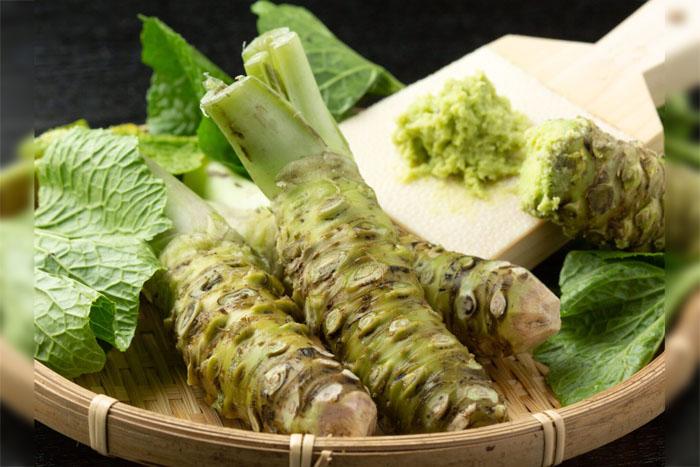
To truly appreciate wasabi’s potential as a neuroprotective agent, we must first understand what it is, and what it is not. The "wasabi" most diners encounter outside of Japan is often a deceptive blend of horseradish, mustard, and green food coloring. While these imitations offer a similar heat profile, they lack the nuanced flavor and, critically, the unique bioactive compounds found in authentic Wasabia japonica.
True wasabi is derived from the rhizome (underground stem) of a plant belonging to the Brassicaceae family, which also includes mustard, horseradish, and broccoli. It is notoriously difficult to cultivate, preferring cool, damp, shaded environments, often grown in terraced stream beds. This demanding cultivation process, coupled with its relatively short shelf life, contributes to its rarity and high cost.
In Japan, wasabi has been revered for centuries, not merely as a condiment, but for its perceived medicinal properties. Traditional Japanese medicine has long valued wasabi for its antimicrobial, anti-inflammatory, and detoxifying effects. It was historically used to prevent food poisoning, particularly when consuming raw fish – a practice that modern science has begun to validate through its potent antibacterial properties. Beyond food safety, it was believed to aid digestion, promote circulation, and even offer general immune support. This deep-seated cultural appreciation for wasabi as a health-promoting food hints at a wisdom that modern science is now meticulously unpacking.
The flavor of real wasabi is a complex symphony. It begins with a vibrant, herbaceous note, followed by a pungent heat that rapidly ascends the nasal passages, clearing the sinuses, before dissipating just as quickly, leaving a clean, almost sweet finish. This ephemeral burn is not from capsaicin, the compound in chili peppers, but from a different class of chemicals entirely: isothiocyanates. And it is within these volatile, sulfur-containing compounds that the neuroprotective magic of wasabi truly resides.
The Chemical Arsenal: Unpacking Wasabi’s Bioactive Compounds
The "kick" of wasabi is a fascinating biochemical ballet. When the wasabi rhizome is grated, its cells are damaged, allowing an enzyme called myrosinase to come into contact with precursor compounds called glucosinolates, primarily sinigrin. This enzymatic reaction rapidly produces a cascade of highly reactive and biologically potent molecules known as isothiocyanates (ITCs).
Among the pantheon of wasabi’s ITCs, two stand out as primary actors in the neuroprotective drama:
-
Allyl Isothiocyanate (AITC): This is the most abundant ITC in wasabi and is largely responsible for its characteristic pungent aroma and immediate heat. AITC is not exclusive to wasabi; it’s also found in mustard and horseradish. It has demonstrated significant antimicrobial, anti-inflammatory, and anticancer properties in various studies.
-
6-Methylsulfinylhexyl Isothiocyanate (6-MITC): This is the true star of Wasabia japonica. Unlike AITC, 6-MITC is largely unique to wasabi, making it a key differentiator from its horseradish imposters. Research has increasingly focused on 6-MITC due to its remarkable stability and potent biological activities, particularly in the realm of neuroprotection. Its unique molecular structure allows for sustained activity within the body, offering a more prolonged and targeted effect compared to some other more volatile ITCs.
While ITCs are the main protagonists, wasabi also contains a supporting cast of other beneficial compounds, including phenolic compounds, flavonoids, and various vitamins and minerals. These compounds may exert synergistic effects, amplifying the overall health benefits of consuming whole wasabi. However, it is the ITCs, and 6-MITC in particular, that have captured the keen interest of neuroscientists.
The Mechanisms of Neuroprotection: How ITCs Might Work
The journey from a pungent compound to a brain protector involves a complex interplay of molecular pathways. The scientific community has identified several key mechanisms through which wasabi’s ITCs, especially 6-MITC, are thought to exert their neuroprotective effects:
1. The Antioxidant Powerhouse: Activating the Nrf2 Pathway
Perhaps the most well-established mechanism of ITCs’ neuroprotective action is their potent antioxidant capacity, not by directly scavenging free radicals, but by activating the body’s intrinsic antioxidant defense systems. The brain, despite making up only 2% of body weight, consumes 20% of the body’s oxygen, making it particularly vulnerable to oxidative stress. Oxidative stress, caused by an imbalance between the production of reactive oxygen species (ROS) and the body’s ability to detoxify them, is a major contributor to neurodegeneration, damaging neurons, DNA, and proteins.
ITCs, particularly 6-MITC, are powerful activators of the Nrf2 (Nuclear factor erythroid 2-related factor 2) pathway. Nrf2 is often referred to as the "master regulator" of antioxidant and detoxification responses. Under normal conditions, Nrf2 is kept inactive in the cytoplasm by a protein called Keap1. When cells encounter oxidative stress or are exposed to certain phytochemicals like ITCs, Keap1 releases Nrf2. Nrf2 then translocates to the nucleus, where it binds to specific DNA sequences (Antioxidant Response Elements or AREs), triggering the transcription of a vast array of protective genes.
These Nrf2-dependent genes encode crucial antioxidant enzymes (e.g., heme oxygenase-1 (HO-1), NAD(P)H quinone oxidoreductase 1 (NQO1), glutathione S-transferases (GSTs)) and other cytoprotective proteins. By upregulating these endogenous defense systems, wasabi ITCs effectively bolster the brain’s ability to combat oxidative damage, reduce inflammation, and maintain cellular homeostasis. This indirect but profound antioxidant effect is a cornerstone of their neuroprotective potential.
2. Quelling the Flames: Anti-inflammatory Action
Chronic neuroinflammation is increasingly recognized as a critical driver of neurodegenerative diseases. Microglia, the brain’s resident immune cells, become hyperactive, releasing pro-inflammatory cytokines (such as TNF-α, IL-6, and IL-1β) that can damage neurons and disrupt synaptic function. This persistent inflammatory state contributes to the progression of conditions like Alzheimer’s and Parkinson’s.
Wasabi ITCs have demonstrated significant anti-inflammatory properties by modulating various signaling pathways involved in immune responses. They can inhibit the activation of NF-κB (Nuclear Factor-kappa B), a central transcription factor that orchestrates the expression of numerous pro-inflammatory genes. By dampening NF-κB activity, ITCs can reduce the production of inflammatory mediators, thereby mitigating neuroinflammation and protecting neurons from inflammatory damage. This ability to cool the "inflammatory fire" in the brain is a crucial aspect of their cognitive-preserving potential.
3. Preventing Neuronal Cell Death: Apoptosis Regulation
Neurodegenerative diseases are characterized by progressive neuronal cell loss. This cell death can occur through various mechanisms, including programmed cell death (apoptosis) and excitotoxicity. ITCs have been shown to modulate apoptotic pathways, helping to prevent the premature death of neurons.
Studies suggest that ITCs can influence the balance between pro-apoptotic proteins (like Bax and Bad) and anti-apoptotic proteins (like Bcl-2 and Bcl-xL). By shifting this balance towards cell survival, wasabi compounds can protect neurons from various insults, including those induced by amyloid-beta plaques (a hallmark of Alzheimer’s disease) and oxidative stress. This direct impact on neuronal viability is paramount for maintaining cognitive function.
4. Supporting the Powerhouses: Mitochondrial Health
Mitochondria are the "powerhouses" of the cell, generating ATP (adenosine triphosphate), the primary energy currency. Mitochondrial dysfunction is a common feature across many neurodegenerative disorders, leading to energy deficits, increased oxidative stress, and impaired neuronal function.
Emerging research suggests that ITCs may play a role in supporting mitochondrial health. This could involve improving mitochondrial respiration, reducing mitochondrial ROS production, and promoting mitochondrial biogenesis (the growth and division of new mitochondria). By ensuring that neurons have a robust and efficient energy supply, ITCs can enhance neuronal resilience and functional integrity, crucial for complex cognitive processes.
5. Boosting Brain Plasticity: Neurotrophic Factor Modulation
The brain’s ability to adapt, learn, and form new memories relies on neuroplasticity, a process heavily influenced by neurotrophic factors. Brain-Derived Neurotrophic Factor (BDNF) is a key neurotrophin that promotes the growth, survival, and differentiation of neurons and synapses. Reduced BDNF levels are associated with cognitive impairment and neurodegenerative diseases.
Preliminary evidence indicates that certain ITCs may upregulate BDNF expression. By boosting BDNF, wasabi compounds could potentially enhance synaptic plasticity, strengthen neuronal connections, and support the neural circuits essential for learning and memory. This mechanism offers a direct link to improved cognitive function.
6. Cellular Housekeeping: Enhancing Autophagy
Autophagy is a fundamental cellular process responsible for "self-eating" – clearing out damaged organelles, misfolded proteins, and other cellular debris. It’s a critical quality control mechanism that, when impaired, leads to the accumulation of toxic aggregates, a hallmark of neurodegenerative diseases (e.g., amyloid-beta in Alzheimer’s, alpha-synuclein in Parkinson’s).
Some studies suggest that ITCs can enhance autophagic flux, promoting the efficient removal of cellular waste products. By supporting this vital "cellular housekeeping" process, wasabi compounds could help prevent the buildup of neurotoxic proteins and maintain cellular health, thereby contributing to cognitive longevity.
The Scientific Journey: From Lab to Clinic
The journey to establish wasabi’s neuroprotective credentials has followed a classic scientific trajectory, moving from fundamental observations to complex biological investigations.
In Vitro Studies (Cell Culture): The Foundation
Early research began in petri dishes, using isolated neuronal cells or cell lines exposed to various insults designed to mimic aspects of neurodegeneration. These in vitro studies provided the foundational evidence for ITCs’ protective effects. For instance, researchers observed that wasabi extracts or isolated 6-MITC could protect neuronal cells from damage induced by hydrogen peroxide (a common oxidative stressor), amyloid-beta peptides (key components of Alzheimer’s plaques), and glutamate excitotoxicity. These studies demonstrated a reduction in cell death, decreased ROS levels, and improved cell viability, hinting at the potential mechanisms at play.
In Vivo Studies (Animal Models): Translating to Living Systems
The next crucial step involved moving to in vivo studies, primarily using rodent models of neurodegenerative diseases. These animal models allow researchers to investigate the effects of wasabi consumption or ITC administration on cognitive behavior and neuropathology in a living organism.
Studies involving mice and rats exposed to models of Alzheimer’s disease have shown promising results. For example, supplementation with wasabi extract or 6-MITC has been reported to:
- Improve cognitive performance: Animals demonstrated better memory retention and learning abilities in maze tests and other behavioral assessments.
- Reduce neuropathological markers: Decreased amyloid-beta plaque burden, reduced tau hyperphosphorylation (another hallmark of Alzheimer’s), and attenuated neuroinflammation (lower levels of pro-inflammatory cytokines and microglial activation) have been observed in the brains of treated animals.
- Enhance synaptic plasticity: Increased levels of synaptic proteins and BDNF, suggesting improved neuronal connectivity and function.
Similar findings have emerged from models of Parkinson’s disease, where ITCs have shown promise in protecting dopaminergic neurons (those that degenerate in Parkinson’s) from damage, improving motor function, and reducing oxidative stress and inflammation in the brain. Even in models of ischemic stroke, wasabi ITCs have shown potential in reducing brain damage and improving neurological outcomes. These animal studies provide compelling evidence that wasabi’s bioactive compounds can cross the blood-brain barrier and exert tangible neuroprotective effects within the complex environment of a living brain.
Human Studies: The Frontier and the Breakthrough
While animal studies offer strong indications, the ultimate test lies in human clinical trials. This is where the scientific journey often faces its greatest challenges, primarily due to the complexity of human biology, ethical considerations, and the long duration required to observe cognitive changes.
For a long time, robust human data on wasabi and cognitive function remained scarce. However, a significant breakthrough emerged from Japan in 2022. A placebo-controlled, double-blind study, published in the journal Nutrients, investigated the effects of 6-MITC on cognitive function in healthy adults aged 60 to 80. Participants were given either a daily dose of 0.8 mg of 6-MITC or a placebo for 12 weeks.
The results were remarkable: the group receiving 6-MITC showed significant improvements in both episodic memory (memory for specific events and experiences) and working memory (the ability to hold and manipulate information in the mind over short periods). These improvements were not observed in the placebo group. While the exact mechanisms in humans require further elucidation, the researchers hypothesized that 6-MITC’s effects on antioxidant and anti-inflammatory pathways, coupled with its potential to enhance neurogenesis and synaptic plasticity, contributed to these cognitive benefits.
This study, though relatively small and focused on healthy individuals, represents a crucial milestone. It provides the first direct human evidence suggesting that a compound unique to real wasabi can indeed enhance cognitive function, specifically memory, in an older population. It shifts wasabi from a "promising compound" based on animal models to a potential "cognitive enhancer" supported by initial human data.
However, it’s important to acknowledge the limitations. This was a single study, and larger, longer-term trials are needed to confirm these findings, explore effects in individuals with existing cognitive impairment, and determine optimal dosages and long-term safety. Nevertheless, it ignites a new wave of enthusiasm and research into the neuroprotective potential of Wasabia japonica.
Bridging Ancient Wisdom and Modern Science
The emerging scientific consensus around wasabi’s neuroprotective properties offers a compelling example of how modern research can validate and deepen our understanding of traditional wisdom. For centuries, Japanese culture has revered wasabi as more than just a culinary delight, intuitively recognizing its health-promoting attributes. The historical use of wasabi to prevent foodborne illness, reduce inflammation, and promote general well-being now finds its scientific underpinning in the powerful bioactivity of ITCs, particularly 6-MITC.
This convergence of ancient knowledge and contemporary scientific rigor reinforces the concept of "food as medicine." It suggests that many of the dietary choices embedded in traditional cultures, honed over generations, may hold profound benefits for health and longevity that are only now being systematically uncovered by the tools of modern biology. Wasabi stands as a poignant symbol of this bridge, its pungent kick transforming from a mere sensory experience into a testament to its biochemical prowess.
Practical Considerations & The Path Forward
Despite the exciting prospects, several practical considerations and avenues for future research remain:
1. Accessibility and Authenticity: The biggest hurdle for consumers is access to genuine Wasabia japonica. The scarcity and cost of true wasabi mean that most people consume imitation products. To truly harness its neuroprotective benefits, sourcing real wasabi or high-quality supplements derived from it is crucial. This underscores the need for greater transparency in labeling and availability of authentic products.
2. Dosage and Bioavailability: The 2022 human study used 0.8 mg of 6-MITC daily. While this provides a starting point, translating this into a practical consumption of fresh wasabi is challenging due to variability in ITC content. Furthermore, the bioavailability of ITCs – how well they are absorbed and utilized by the body – can be influenced by factors like food matrix, preparation methods, and individual gut microbiome differences. Future research needs to optimize delivery methods and determine effective dosages for various outcomes.
3. Consumption Methods: While consuming fresh, grated wasabi rhizome is ideal for its full spectrum of compounds and enzymatic activation, supplements containing standardized wasabi extracts (especially those rich in 6-MITC) offer a more consistent and convenient way to potentially deliver therapeutic doses. The balance between whole food benefits and concentrated extracts is an ongoing discussion in nutritional science.
4. Synergistic Effects: Wasabi contains numerous compounds. It’s plausible that the whole food offers synergistic benefits that isolated compounds might not fully replicate. Research exploring the interplay between 6-MITC and other wasabi constituents could reveal even greater neuroprotective potential.
5. Cautions and Interactions: While generally safe in culinary amounts, high doses of wasabi or its extracts could potentially cause gastrointestinal irritation in some individuals. ITCs also have antiplatelet effects, meaning they could theoretically interact with blood-thinning medications. As with any potent bioactive compound, individuals with underlying health conditions or those on medication should consult a healthcare professional before incorporating large amounts or supplements.
6. Future Research Directions: The 2022 human study is an exciting beginning, not an end. The path forward demands:
- Larger, long-term clinical trials: To confirm the findings, assess long-term safety, and investigate effects in diverse populations, including those with mild cognitive impairment or early-stage neurodegenerative diseases.
- Mechanistic studies in humans: Using advanced neuroimaging and biomarkers to understand precisely how 6-MITC impacts brain function and structure in vivo.
- Personalized nutrition: Exploring how individual genetic variations or gut microbiome profiles might influence the response to wasabi compounds.
- Combination therapies: Investigating wasabi’s potential synergy with other neuroprotective nutrients or lifestyle interventions.
Conclusion: The Story’s Arc Continues
The story of wasabi and its neuroprotective potential is a compelling narrative, weaving together the threads of culinary tradition, sophisticated biochemistry, and the profound human desire to preserve our most cherished faculty – the mind. From the demanding stream beds of Japan to the meticulous petri dishes of neuroscience labs, Wasabia japonica is emerging as far more than just a pungent accompaniment to sushi.
The "neuroprotective kick" of wasabi, powered primarily by its unique isothiocyanates like 6-MITC, appears to be a multi-faceted biochemical symphony. By activating the body’s master antioxidant defenses via the Nrf2 pathway, quelling neuroinflammation, safeguarding against neuronal cell death, bolstering mitochondrial health, and potentially enhancing neuroplasticity, wasabi offers a remarkable array of mechanisms to support cognitive function.
The groundbreaking human study demonstrating improvements in episodic and working memory in healthy older adults has propelled wasabi into a new echelon of promising natural compounds for brain health. While the journey is far from over, with the need for more extensive human trials and deeper mechanistic understanding, the initial chapters are undeniably exciting.
As we navigate an aging global population and the increasing prevalence of cognitive decline, the search for accessible, effective, and natural solutions becomes ever more critical. Wasabi, with its ancient roots and burgeoning scientific validation, stands as a vibrant green beacon of hope, reminding us that sometimes, the most potent medicines are found not in sterile laboratories, but in the earth’s own ingenious pantry, waiting for us to unlock their profound secrets. The next time you experience that exhilarating wasabi kick, remember that it might just be your brain sending a quiet thank you.