
A Prologue to Perception: The Unseen Battle for Our Vision
Imagine a world devoid of color, shape, and light – a future where the vibrant tapestry of existence slowly fades into an indistinguishable blur. For many, this isn’t a dystopian fantasy but a very real and pressing concern as the years advance and the cumulative assaults of modern life take their toll on our most precious sense: sight. Our eyes, intricate marvels of biological engineering, work tirelessly from the moment we open them until we close them in sleep, processing billions of light photons, distinguishing nuances of shade, and guiding our interactions with the world. Yet, this incredible machinery is surprisingly vulnerable, constantly battling oxidative stress, harmful light exposure, and the relentless march of time.
In this grand narrative of human health, we often seek grand solutions, technological marvels, or pharmaceutical breakthroughs. But sometimes, the most profound answers lie hidden in plain sight, in the humble bounty of nature. This is the story of two microscopic heroes – lutein and zeaxanthin – and their surprising alliance with an unassuming garden staple: the zucchini. Far from being just a watery filler, zucchini emerges as a significant player in the complex ballet of eye health, offering a vital shield against the unseen forces that threaten our vision. Join us as we journey into the intricate world of ocular biology, uncover the remarkable mechanisms of these carotenoid crusaders, and celebrate the quiet power of a vegetable that truly helps us see the world more clearly.
Chapter 1: The Precious Gift of Sight – A Modern Challenge
The ability to see is often taken for granted until it begins to wane. In an increasingly digital world, where screens dominate our work, entertainment, and social lives, our eyes are under unprecedented strain. The blue light emitted from these devices, combined with ubiquitous ultraviolet (UV) radiation from the sun, creates a relentless barrage of stress on ocular tissues. This environmental assault, coupled with an aging global population, has led to a burgeoning crisis in eye health.
Age-related Macular Degeneration (AMD) stands as the leading cause of irreversible blindness and severe vision loss in developed countries, primarily affecting central vision crucial for reading, driving, and recognizing faces. Cataracts, a clouding of the eye’s natural lens, are another widespread age-related condition, diminishing clarity and color perception. Diabetic retinopathy, a devastating complication of diabetes, damages the blood vessels of the retina, leading to vision impairment and blindness. While medical science offers treatments for advanced stages of these diseases, the emphasis is increasingly shifting towards proactive prevention – safeguarding our vision before it is irrevocably compromised.
The conventional wisdom often focuses on external protections like sunglasses or limiting screen time. While essential, these measures alone are insufficient. Our bodies possess an innate defense system, and just as a fortress needs strong walls and vigilant guards, our eyes require a constant supply of specific nutrients to maintain their integrity. This is where the story of nutritional intervention truly begins, offering a powerful, often overlooked, layer of protection from within.
Chapter 2: The Macula – Our Vision’s Epicenter
To truly appreciate the role of specific nutrients in eye health, we must first understand the battlefield they operate on. Our eyes are extraordinarily complex organs, but for the purposes of central vision and the protective actions of lutein and zeaxanthin, one region reigns supreme: the macula.
Located at the center of the retina – the light-sensitive tissue lining the back of the eye – the macula is a small, yellowish oval area responsible for our sharp, detailed, central vision. Within the macula lies the fovea, a tiny pit less than a millimeter in diameter, which contains the highest concentration of cone photoreceptors. These cones are responsible for our color vision and the acute visual acuity that allows us to read fine print, discern intricate patterns, and perceive the world in vivid detail. Without a healthy macula, these critical functions rapidly diminish.
What gives the macula its distinctive yellowish hue? It’s the "macular pigment," a dense accumulation of specific carotenoids: lutein, zeaxanthin, and a third carotenoid, meso-zeaxanthin (which is synthesized from lutein within the retina itself). This pigment is not merely a cosmetic feature; it is a vital shield, a biological filter, and a potent antioxidant powerhouse. Its density and composition are directly linked to our visual performance and long-term eye health. A robust macular pigment is like a high-performance filter for the delicate photoreceptors and retinal pigment epithelial (RPE) cells that underpin our vision. Conversely, a thinning or depleted macular pigment leaves these cells vulnerable to damage, setting the stage for the progressive decline seen in conditions like AMD. Understanding this critical anatomical and biochemical relationship is the first step in appreciating the profound significance of dietary choices.
Chapter 3: Lutein and Zeaxanthin – The Carotenoid Crusaders
Enter our heroes: lutein and zeaxanthin. These aren’t just any nutrients; they are specific members of a large class of phytonutrients known as carotenoids, naturally occurring pigments responsible for the vibrant yellows, oranges, and reds in many fruits and vegetables. More specifically, they belong to the xanthophyll subclass of carotenoids, distinguished by the presence of oxygen atoms in their molecular structure. Unlike some other carotenoids, such as beta-carotene, lutein and zeaxanthin cannot be converted into Vitamin A by the body. Their power lies in their direct action within the eye.
Where Do They Come From?
The human body cannot synthesize lutein or zeaxanthin; they must be obtained exclusively through our diet. This underscores the critical importance of nutritional intake for maintaining macular pigment density and, consequently, eye health. Once ingested, these carotenoids embark on a fascinating journey through the body. They are absorbed in the small intestine, typically requiring the presence of dietary fats for optimal absorption, as they are fat-soluble compounds. From there, they are transported via lipoproteins in the bloodstream to various tissues, with a remarkable affinity for the eye, particularly the macula. They cross the blood-retina barrier, a highly selective membrane that protects the retina, and are deposited precisely where they are needed most.
Mechanism of Action 1: The Blue Light Filtration System
One of the primary and most well-understood functions of lutein and zeaxanthin in the macula is their ability to act as a natural filter for harmful high-energy blue light. The visible light spectrum contains various wavelengths, and while some are benign or beneficial, blue light (especially in the 400-490 nm range) carries significant energy and can penetrate deep into the eye, reaching the retina. Chronic exposure to high levels of blue light, whether from sunlight or digital screens, contributes to oxidative stress and can damage the delicate photoreceptor cells and the underlying RPE cells.
The macular pigment, rich in lutein and zeaxanthin, effectively absorbs and scatters this blue light before it can reach the photoreceptors. Think of it as an "internal pair of sunglasses," constantly at work, shielding the most sensitive part of your retina from phototoxic damage. In our screen-centric world, where digital eye strain and potential long-term retinal damage from blue light are growing concerns, this filtering capability is more crucial than ever. Studies have shown a direct correlation between higher macular pigment optical density (MPOD) and reduced susceptibility to blue light damage, as well as improved visual performance in challenging light conditions.
Mechanism of Action 2: Potent Antioxidants
Beyond their role as light filters, lutein and zeaxanthin are powerful antioxidants. The retina, particularly the macula, is a metabolically active tissue with a high oxygen consumption rate and constant exposure to light, making it highly susceptible to oxidative stress. Oxidative stress occurs when there is an imbalance between the production of reactive oxygen species (ROS) – also known as free radicals – and the body’s ability to neutralize them with antioxidants. These free radicals can damage cellular components like DNA, proteins, and lipids, leading to cellular dysfunction and death.
Within the macula, lutein and zeaxanthin directly quench these harmful free radicals, neutralizing them before they can inflict damage. They are integrated into the lipid membranes of retinal cells, where they can effectively intercept ROS and protect the delicate photoreceptor outer segments and the RPE cells, which are crucial for nutrient transport and waste removal in the retina. This antioxidant defense is particularly vital in preventing the accumulation of lipofuscin, a metabolic waste product that builds up in RPE cells over time and is strongly implicated in the progression of AMD. By mitigating oxidative damage, these carotenoids help preserve the structural integrity and functional efficiency of the retinal cells, extending their lifespan and maintaining optimal vision.
Mechanism of Action 3: Anti-inflammatory Properties (Emerging Research)
While blue light filtration and antioxidant activity are their primary established roles, emerging research suggests that lutein and zeaxanthin may also possess anti-inflammatory properties. Chronic low-grade inflammation is increasingly recognized as a contributing factor to various age-related diseases, including AMD. Studies are exploring how these carotenoids might modulate inflammatory pathways within the retina, potentially reducing the inflammatory cascade that contributes to retinal cell damage and disease progression. While more research is needed to fully elucidate these mechanisms, it adds another layer to their multi-faceted protective actions.
In essence, lutein and zeaxanthin are not passive spectators; they are active protectors, working on multiple fronts to defend the integrity and function of our most vital visual hub. Their presence in the macula is not merely beneficial; it is absolutely essential for long-term vision health.
Chapter 4: Zucchini – The Unsung Hero of Eye Health
When asked to name vegetables rich in eye-protective nutrients, most knowledgeable individuals would likely point to kale, spinach, or other dark leafy greens. While these powerhouses are indeed excellent sources, there’s an unsung hero often overlooked, a mild-mannered vegetable that plays a surprisingly significant role: the zucchini.
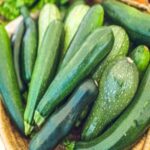
The perception of zucchini (or courgette, as it’s known in some parts of the world) often relegates it to a supporting role – a versatile filler in stir-fries, a low-calorie pasta substitute, or a neutral base for more flavorful ingredients. Its high water content (over 90%) sometimes leads to the misconception that it offers little nutritional punch. However, beneath its unassuming green skin lies a treasure trove of beneficial compounds, including a notable concentration of our carotenoid crusaders.
Nutritional Profile of Zucchini: More Than Just Water
Beyond lutein and zeaxanthin, zucchini boasts an impressive nutritional profile that contributes to overall health, and synergistically, to eye health. It’s a good source of Vitamin C, a powerful antioxidant that helps protect against oxidative stress throughout the body, including the eyes. It also provides Vitamin K, important for blood clotting and bone health, and several B vitamins, which play roles in energy metabolism. Zucchini contains essential minerals like potassium, which is vital for maintaining fluid balance and nerve function, and manganese. Its fiber content aids in digestion and can help regulate blood sugar, indirectly benefiting eye health by mitigating risks associated with conditions like diabetes. The high water content, while contributing to its low-calorie nature, also helps maintain hydration, which is beneficial for tear film quality and overall ocular comfort.
Quantifying Lutein and Zeaxanthin in Zucchini
While zucchini might not surpass the lutein and zeaxanthin content of, say, a cup of cooked kale (which can pack over 20 mg), its contribution is far from negligible. A single cup of cooked zucchini can provide approximately 3-5 mg of lutein and zeaxanthin. To put this in perspective, many clinical studies demonstrating benefits for eye health use daily doses in the range of 6-10 mg of lutein and zeaxanthin. This means that incorporating zucchini regularly into one’s diet can make a substantial contribution towards meeting these beneficial intake levels.
The key lies in its accessibility, affordability, and culinary versatility. Unlike some intensely flavored leafy greens that might be consumed in smaller quantities, zucchini’s mild taste makes it easy to integrate into a wide variety of dishes and consumed in larger, more frequent portions. This consistency is crucial for building and maintaining macular pigment density, which is a cumulative process.
Bioavailability and Preparation
For lutein and zeaxanthin to be effective, they must be absorbed. As fat-soluble compounds, their bioavailability is significantly enhanced when consumed with a small amount of healthy fat. This means that cooking zucchini with olive oil, avocado oil, or incorporating it into dishes containing nuts, seeds, or fatty fish will optimize the absorption of these precious carotenoids. Lightly steaming, sautéing, or roasting zucchini are excellent ways to prepare it, as excessive boiling can leach out some water-soluble nutrients. The slight breakdown of cell walls during cooking can also make carotenoids more accessible for absorption.
Why Zucchini is a Practical Choice
The "story" of zucchini in vision protection is one of quiet consistency. It’s not about a single dramatic dose, but about the steady, reliable supply of vital nutrients that contribute to the long-term health of our eyes. Its year-round availability, mild flavor profile that appeals to a broad palate, and adaptability in countless recipes make it an incredibly practical and sustainable choice for dietary enrichment. In an era where dietary diversity is often lauded but sometimes challenging to achieve, zucchini offers a simple, delicious, and effective pathway to fortifying our inner defenses against vision loss.
Chapter 5: Beyond Zucchini – A Holistic Approach to Vision
While zucchini holds a commendable place in the pantheon of eye-healthy foods, it is crucial to emphasize that optimal vision protection is a holistic endeavor. No single food or nutrient acts as a magic bullet. Instead, a comprehensive strategy involving a diverse, nutrient-rich diet and healthy lifestyle choices provides the most robust defense against the multifaceted threats to our sight.
Dietary Synergy: Other Rich Sources of Lutein and Zeaxanthin
To maximize your intake of these carotenoid crusaders, it’s wise to cast a wider net. Zucchini is a valuable component, but it thrives within a broader dietary context. Other exceptional sources of lutein and zeaxanthin include:
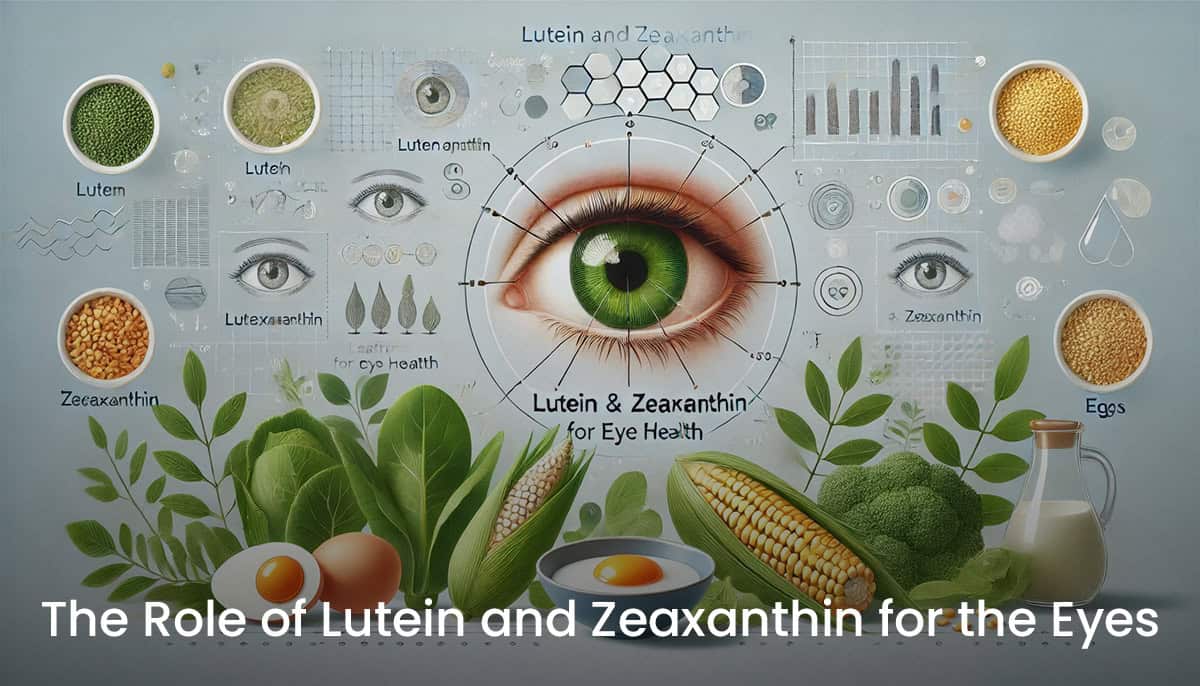
- Dark Leafy Greens: Kale, spinach, collard greens, turnip greens, and Swiss chard are notoriously high, often containing 10-20 mg or more per cooked cup.
- Colorful Vegetables: Corn, green peas, broccoli, and orange bell peppers also contribute significant amounts.
- Eggs: The yolk of an egg is a bioavailable source of both lutein and zeaxanthin, along with other eye-healthy nutrients like zinc.
- Pistachios: These nuts offer a surprising amount of these carotenoids.
Other Key Nutrients for Eye Health
A truly vision-protective diet extends beyond just lutein and zeaxanthin. Several other nutrients play vital roles:
- Omega-3 Fatty Acids (DHA and EPA): Found in fatty fish like salmon, mackerel, and sardines, DHA is a major structural component of the retina. Omega-3s are crucial for retinal function, development, and may help reduce inflammation and the risk of dry eye disease.
- Vitamin C: A powerful antioxidant found in citrus fruits, berries, bell peppers, and broccoli, Vitamin C helps protect against oxidative damage and may reduce the risk of cataracts.
- Vitamin E: Another potent antioxidant found in nuts, seeds, and vegetable oils, Vitamin E works synergistically with Vitamin C to protect eye cells from free radical damage.
- Zinc: An essential trace mineral found in meat, seafood, legumes, and nuts, zinc plays a critical role in transporting Vitamin A from the liver to the retina and is involved in many enzymatic reactions within the eye.
- Beta-Carotene (Vitamin A Precursor): Abundant in carrots, sweet potatoes, and pumpkins, beta-carotene is converted into Vitamin A, which is essential for low-light vision and maintaining the health of the cornea and conjunctiva.
Lifestyle Factors: The Broader Canvas
Diet is paramount, but it exists within a larger framework of lifestyle choices that impact eye health:
- Regular Comprehensive Eye Exams: Early detection of eye conditions allows for timely intervention, often preventing irreversible damage.
- UV Protection: Wearing sunglasses that block 99-100% of UVA and UVB rays is crucial for protecting the eyes from harmful UV radiation, reducing the risk of cataracts and photokeratitis.
- Smoking Cessation: Smoking is a major risk factor for AMD and cataracts, significantly increasing oxidative stress and reducing blood flow to the eyes.
- Managing Systemic Diseases: Conditions like diabetes and hypertension can have devastating effects on ocular health if not properly managed, leading to diabetic retinopathy, glaucoma, and other complications.
- Digital Device Hygiene: Adhering to the "20-20-20 rule" (every 20 minutes, look at something 20 feet away for at least 20 seconds) can help alleviate digital eye strain. Ensuring proper screen distance and brightness, and taking regular breaks, are also important.
- Adequate Hydration: Drinking enough water supports overall bodily functions, including maintaining the quality of the tear film, which is essential for ocular comfort and clear vision.
Supplementation: When and Why
While a nutrient-rich diet should always be the primary focus, supplementation may be considered in specific circumstances, particularly for individuals with diagnosed eye conditions. The Age-Related Eye Disease Study (AREDS and AREDS2) demonstrated that specific formulations of vitamins and minerals (including Vitamin C, Vitamin E, zinc, copper, and importantly, lutein and zeaxanthin in AREDS2) can reduce the risk of progression to advanced AMD in individuals who already have intermediate AMD or advanced AMD in one eye. However, supplementation should always be discussed with an ophthalmologist or healthcare provider, as excessive intake of certain nutrients can be harmful, and individual needs vary. Supplements are intended to complement, not replace, a healthy diet.
Chapter 6: Integrating Zucchini into Your Daily Narrative
The true power of zucchini for vision health lies in its ease of integration into daily meals. Its mild flavor and adaptable texture make it a culinary chameleon, capable of enhancing a vast array of dishes without overpowering other ingredients. The goal is consistent, enjoyable consumption, ensuring a steady supply of lutein and zeaxanthin to the macula.
Here are practical, delicious ways to weave zucchini into your dietary story:
- Spiralized "Noodles": A fantastic low-carb, gluten-free alternative to pasta. Sauté zucchini noodles lightly with olive oil, garlic, and your favorite sauce for a quick, eye-healthy meal.
- Grilled or Roasted: Cut zucchini into spears or rounds, toss with olive oil, salt, pepper, and herbs, then grill or roast until tender-crisp. This brings out its subtle sweetness and makes it an excellent side dish.
- Stir-fries and Curries: Zucchini cubes or slices blend seamlessly into almost any stir-fry or curry, adding bulk and nutrients. Remember to add it towards the end of cooking to retain some texture.
- Soups and Stews: Dice zucchini and add it to vegetable soups, minestrone, or hearty stews. It softens beautifully and absorbs flavors.
- Baked Goods: Yes, even in desserts! Zucchini bread, muffins, and even brownies are popular ways to sneak in this vegetable. While the amount of lutein and zeaxanthin might be less bioavailable due to baking, it’s still a creative way to increase overall vegetable intake.
- Smoothies: A surprising addition! Raw zucchini, especially if peeled, can blend into smoothies without significantly altering the taste, adding fiber and nutrients. Pair it with fruits and a healthy fat like avocado or nut butter for optimal carotenoid absorption.
- Frittatas and Omelets: Sautéed zucchini makes a wonderful addition to egg dishes, combining its benefits with the lutein and zeaxanthin already present in egg yolks.
- Zucchini Boats: Halve zucchini lengthwise, scoop out some of the flesh, and fill with a mixture of ground meat or lentils, vegetables, herbs, and cheese, then bake.
Remember the key: always pair zucchini with a healthy fat to maximize the absorption of its fat-soluble lutein and zeaxanthin. A drizzle of olive oil, a sprinkle of cheese, or serving it alongside an avocado or a lean protein cooked in healthy fat will make all the difference.
Conclusion: Cherishing the Canvas of Sight
Our vision is an irreplaceable gift, a window to the world that shapes our experiences, memories, and connections. In an age where threats to eye health are increasingly prevalent, taking proactive steps to protect this precious sense is not merely advisable; it is essential. The journey we’ve undertaken reveals that the solution isn’t always found in complex pharmaceuticals or futuristic technologies, but often in the simple, profound wisdom of nature.
Lutein and zeaxanthin stand as formidable guardians within the delicate architecture of our eyes, tirelessly filtering harmful blue light and neutralizing destructive free radicals. Their presence in the macula is a testament to nature’s ingenious design, a biological shield finely tuned to preserve our sharp, central vision. And in this narrative, the humble zucchini emerges not as a mere side character, but as a significant and accessible ally, quietly contributing a vital supply of these carotenoid crusaders.
By embracing the mild versatility of zucchini and integrating it thoughtfully into a diverse, nutrient-rich diet, we empower ourselves to build a robust defense against the insidious forces that threaten our sight. It’s a story of empowerment, a reminder that the choices we make at our dinner tables can profoundly impact the clarity with which we experience the world for years to come. So, let us not underestimate the power of the green squash. Let us cherish our vision, nourish our eyes with intention, and continue to explore the world with the vivid clarity that only a well-protected gaze can offer. The future of our sight, in part, rests on the simple, yet profound, act of choosing to eat well – starting with the unassuming, yet visionary, zucchini.