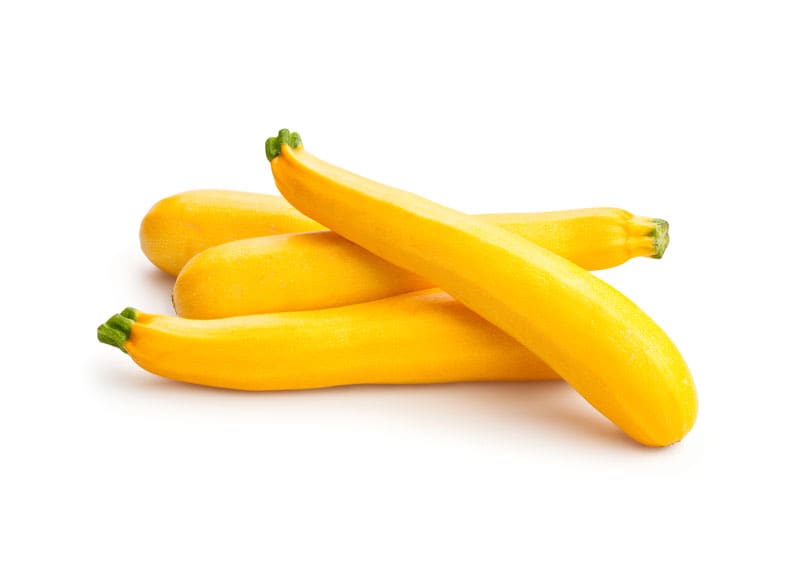

The sun-drenched days of summer bring with them a bounty of nature’s finest, a vibrant tapestry of colors and flavors that beckon us outdoors and into our kitchens. Among this seasonal abundance, one humble vegetable often finds itself in the spotlight, not just for its versatility and mild taste, but for a hidden power that belies its unassuming exterior: the summer squash. From the sleek green zucchini to the sunny yellow crookneck and the charming scalloped pattypan, these garden staples are more than just a delicious side dish; they are miniature arsenals in the fight against aging, packed with a symphony of antioxidants ready to defend our cells and invigorate our lives.
Imagine a summer garden, buzzing with life, the air thick with the scent of earth and chlorophyll. Rows of squash plants sprawl, their broad leaves sheltering the nascent fruits that promise future meals. There’s a quiet wisdom in this scene, a timeless cycle of growth and nourishment. And as we pluck a firm, glossy squash from its vine, we hold not just a vegetable, but a concentrated dose of vitality, a key to unlocking a more youthful future. This isn’t just about superficial beauty; it’s about deep cellular health, resilience, and the sustained energy to live life to its fullest. For the discerning palate and the health-conscious mind, understanding the profound anti-aging benefits of summer squash transforms it from a simple ingredient into a celebrated ally.
The Unseen Battle: Understanding the Science of Aging
To truly appreciate the power of summer squash, we must first understand the enemy it helps to combat: the intricate and relentless processes of cellular aging. Aging is not merely the passage of time; it’s a complex biological phenomenon driven by a confluence of factors, many of which can be influenced by our lifestyle, and crucially, our diet. For a knowledgeable audience, a deeper dive into these mechanisms reveals where our humble squash truly shines.
At the forefront of cellular aging is oxidative stress. This is the relentless assault of free radicals, highly reactive molecules with unpaired electrons that rampage through our cells, seeking stability by stealing electrons from vital components like DNA, proteins, and lipids. These free radicals, often referred to as Reactive Oxygen Species (ROS), are byproducts of normal metabolic processes, but their production can be amplified by environmental factors such as pollution, UV radiation, stress, and poor diet. The damage they inflict is profound: mutated DNA, dysfunctional proteins, and compromised cell membranes, all contributing to cellular senescence, tissue damage, and the acceleration of age-related diseases from cardiovascular issues to neurodegeneration. Antioxidants are our body’s natural defense, donating electrons to neutralize free radicals before they can cause widespread damage.
Hand-in-hand with oxidative stress is chronic low-grade inflammation, often dubbed "inflammaging." While acute inflammation is a vital protective response, chronic, systemic inflammation is a silent saboteur. It arises from persistent immune activation, often fueled by oxidative stress, a compromised gut microbiome, and dietary choices. This smoldering fire contributes to the progression of atherosclerosis, insulin resistance, arthritis, and even neurodegenerative disorders, manifesting as persistent fatigue, brain fog, and a general decline in organ function. Modulating inflammatory pathways is a critical aspect of anti-aging intervention.
Beyond these two primary culprits, other mechanisms contribute significantly. Advanced Glycation End-products (AGEs) form when sugars react with proteins or fats without enzymatic regulation. These sticky, cross-linked molecules accumulate in tissues, leading to stiffness, reduced elasticity, and impaired function in everything from skin collagen to blood vessels and nerve tissue. Think of the browning on a piece of toast – a similar process, albeit slower and more insidious, happens within our bodies.
Furthermore, telomere shortening, the erosion of the protective caps at the ends of our chromosomes, dictates cellular replicative capacity. Each time a cell divides, telomeres shorten, eventually signaling the cell to stop dividing or undergo apoptosis. Oxidative stress and inflammation can accelerate this shortening, thus hastening cellular aging. Finally, mitochondrial dysfunction plays a pivotal role. Mitochondria, the powerhouses of our cells, are particularly vulnerable to oxidative damage. When compromised, they produce less energy (ATP) and even more ROS, creating a vicious cycle that starves cells of energy and accelerates their decline.
This complex interplay of molecular damage underscores the profound importance of a diet rich in protective compounds. Our plates can become our most potent pharmacies, and summer squash, in its unassuming glory, holds a significant place in this dietary defense strategy.
The Humble Hero: Unpacking Summer Squash’s Nutritional Arsenal
Summer squash, encompassing varieties like zucchini, yellow squash, and pattypan, is botanically a fruit, though culinarily treated as a vegetable. Originating in the Americas, these versatile gourds have graced tables worldwide for centuries, valued for their mild flavor and ease of cultivation. But their true value lies beneath the surface, in their rich matrix of micronutrients and phytochemicals.
At its core, summer squash is remarkably hydrating, composed of over 90% water, making it a low-calorie, nutrient-dense food. A single cup of sliced zucchini, for instance, provides a mere 17 calories, yet offers a surprising array of beneficial compounds.
The Antioxidant Superstars:
-
Carotenoids (Lutein, Zeaxanthin, Beta-carotene): These vibrant pigments are perhaps the most celebrated antioxidants in summer squash, particularly abundant in yellow varieties and present in the skin of green zucchini.
- Lutein and Zeaxanthin: These two are powerhouses for eye health. They accumulate in the macula of the retina, forming a protective pigment that filters harmful blue light and neutralizes free radicals, thereby reducing the risk of age-related macular degeneration (AMD) and cataracts. For a knowledgeable audience, it’s worth noting their ability to quench singlet oxygen, a particularly destructive form of ROS.
- Beta-carotene: A potent provitamin A carotenoid, beta-carotene is converted into Vitamin A in the body, essential for vision, immune function, and skin health. As an antioxidant, it directly scavenges free radicals, protecting cellular membranes and DNA. Its role in skin health extends to offering some natural protection against UV radiation damage, contributing to a more resilient and youthful complexion.
-
Vitamin C (Ascorbic Acid): Summer squash is a good source of this classic water-soluble antioxidant. Vitamin C is a direct scavenger of various ROS, protecting cellular components from oxidative damage. Beyond its antioxidant prowess, it is absolutely critical for collagen synthesis, the primary structural protein of skin, bones, and connective tissues. Adequate Vitamin C helps maintain skin elasticity, reducing the appearance of wrinkles and promoting wound healing – hallmarks of youthful vitality. It also plays a vital role in bolstering the immune system, another key aspect of healthy aging.
-
Manganese: While not an antioxidant itself, manganese is a crucial cofactor for Superoxide Dismutase (SOD), one of the body’s primary endogenous antioxidant enzymes. SOD converts the highly reactive superoxide radical into less harmful molecules, forming a foundational defense against oxidative stress. By supplying manganese, summer squash indirectly supports this critical internal antioxidant system, amplifying our natural protective capabilities.
-
Polyphenols and Flavonoids: This broad class of phytochemicals, though often less quantifiable on standard nutrition labels, is where much of the subtle power of plants resides. Summer squash contains various phenolic acids (e.g., caffeic acid, coumaric acid, ferulic acid) and potentially some flavonoids (like quercetin). These compounds are renowned for their diverse antioxidant and anti-inflammatory mechanisms. They don’t just directly scavenge free radicals; they also modulate signaling pathways, inhibit pro-inflammatory enzymes (like COX-2 and iNOS), chelate metal ions that can catalyze radical formation, and even upregulate the body’s own antioxidant enzymes. Their collective action provides a multi-faceted defense against cellular damage and chronic inflammation.
Beyond Antioxidants: Supporting Longevity:
- Dietary Fiber: Both soluble and insoluble fiber are present in summer squash.
- Insoluble fiber adds bulk to stool, promoting regular bowel movements and aiding in detoxification by ensuring efficient waste removal.
- Soluble fiber forms a gel-like substance, helping to stabilize blood sugar levels by slowing glucose absorption, which is crucial for preventing AGE formation and reducing the burden on the pancreas. It also acts as a prebiotic, feeding beneficial gut bacteria. A healthy gut microbiome is increasingly recognized as a cornerstone of longevity, influencing everything from immune function and inflammation to nutrient absorption and even cognitive health.
- Potassium: An essential electrolyte, potassium plays a critical role in maintaining healthy blood pressure, counteracting the effects of sodium. Optimal blood pressure is fundamental for cardiovascular health, which is intimately linked to healthy aging.
- Folate (Vitamin B9): Crucial for DNA synthesis and repair, folate helps ensure accurate cell division and reduces the risk of DNA damage, thereby protecting against mutations that can contribute to aging and disease.
- Other B Vitamins: While in smaller amounts, the presence of various B vitamins supports energy metabolism, ensuring cells have the fuel they need to function optimally and repair themselves.
In essence, summer squash is a complex matrix of beneficial compounds that work synergistically. It’s not just one hero nutrient, but an entire team working in concert to bolster our health and resilience.
The Anti-Aging Symphony: How Summer Squash Fights Back
Now, let’s orchestrate these individual components into a symphony of anti-aging benefits, demonstrating how the consistent inclusion of summer squash in our diet can profoundly impact our vitality and longevity.
-
Direct Combat Against Oxidative Stress: The immediate and most evident benefit is the direct scavenging of free radicals. Vitamin C, carotenoids, and polyphenols act as molecular bodyguards, neutralizing ROS before they can inflict damage on DNA, proteins, and cell membranes. This fundamental protection is crucial for preventing the cascade of cellular dysfunction that leads to premature aging. The presence of manganese, by boosting the activity of endogenous SOD, further amplifies this defense, offering both exogenous and endogenous antioxidant support.
-
Quelling the Flames of Inflammation: The polyphenols and carotenoids in summer squash are adept at modulating inflammatory pathways. They can downregulate pro-inflammatory cytokines and enzymes (like NF-kB, COX-2), effectively dampening the chronic, low-grade inflammation that underpins "inflammaging." By reducing this systemic inflammatory burden, summer squash helps protect against a myriad of age-related diseases, fostering an environment where cells can thrive rather than constantly defend.
-
Radiant Skin, Inside and Out: The skin, our largest organ, is a direct reflection of our internal health. Summer squash supports skin health through multiple pathways. Vitamin C is indispensable for collagen production, maintaining skin’s firmness and elasticity, and helping to diminish the appearance of fine lines and wrinkles. Carotenoids, particularly beta-carotene, offer a degree of natural protection against UV-induced oxidative damage, reducing photoaging. Lutein and zeaxanthin, while primarily known for eye health, also contribute to skin hydration and elasticity. This comprehensive approach helps maintain a youthful glow and resilience.
-
Sharpening the Gaze: Protecting Vision: The concentrated presence of lutein and zeaxanthin makes summer squash an exceptional food for eye health. These specific carotenoids act as internal sunglasses, absorbing damaging blue light and neutralizing free radicals in the macula. Regular consumption can significantly reduce the risk of age-related macular degeneration (AMD), a leading cause of vision loss in older adults, ensuring we can continue to experience the world’s beauty with clarity.
-
A Stronger Heart, A Longer Life: Cardiovascular health is paramount for longevity. Summer squash contributes significantly here. Potassium helps regulate blood pressure, reducing the strain on arteries and the heart. The fiber content helps lower cholesterol by binding to bile acids in the gut. Furthermore, the broad spectrum of antioxidants and anti-inflammatory compounds protects the delicate endothelial lining of blood vessels from oxidative damage and inflammation, preventing plaque formation (atherosclerosis) and promoting healthy blood flow. A healthy cardiovascular system means vital organs receive adequate oxygen and nutrients, sustaining their function over decades.
-
Nourishing the Brain for Cognitive Vitality: The brain is highly susceptible to oxidative stress due to its high metabolic rate and lipid content. The antioxidants in summer squash, particularly carotenoids and polyphenols, cross the blood-brain barrier to protect neuronal cells from free radical damage, potentially mitigating the risk of neurodegenerative diseases and supporting cognitive function as we age. Folate’s role in DNA repair is also critical for maintaining healthy brain cells.
-
Fortifying the Immune System: A robust immune system is our first line of defense against pathogens and a key determinant of healthy aging. Vitamin C is a well-known immune booster, enhancing the function of various immune cells. Carotenoids also play a role in modulating immune responses. By consistently supporting immune function, summer squash helps the body ward off infections and maintain vigilance against cellular abnormalities, contributing to overall resilience.
-
Gut Health: The Foundation of Longevity: The often-underestimated role of fiber in summer squash is critical. By fostering a healthy and diverse gut microbiome, fiber influences systemic inflammation, nutrient absorption, and even immune system regulation. A balanced gut microbiota produces beneficial short-chain fatty acids (SCFAs) that nourish gut cells and exert anti-inflammatory effects throughout the body. Given the burgeoning research linking gut health to nearly every aspect of health and aging, summer squash’s contribution here is profound.
The collective impact of these mechanisms is a profound shift towards cellular resilience, reduced systemic stress, and enhanced functional capacity. It’s about not just adding years to life, but adding life to years.
Beyond the Plate: Maximizing the Benefits
While simply eating summer squash is beneficial, a knowledgeable audience understands that preparation and pairing can further enhance its anti-aging potential.
- Preparation Matters:
- Gentle Cooking: While Vitamin C is heat-sensitive, the bioavailability of carotenoids (like lutein, zeaxanthin, and beta-carotene) often increases with gentle cooking. Lightly steaming, sautéing, or grilling helps break down cell walls, making these fat-soluble compounds more accessible. Avoid overcooking, which can diminish water-soluble nutrients and overall phytochemical integrity.
- Raw Consumption: Eating summer squash raw, thinly sliced or spiralized, preserves its full Vitamin C content and offers a crisp texture.
- Pairing for Synergy:
- Healthy Fats: Since carotenoids are fat-soluble, pairing summer squash with a source of healthy fat significantly boosts their absorption. Drizzle with extra virgin olive oil, incorporate into dishes with avocado, or enjoy with nuts and seeds.
- Other Antioxidant-Rich Foods: Integrate summer squash into meals with other antioxidant powerhouses. Combine with leafy greens, berries, bell peppers, and lean proteins for a truly synergistic anti-aging meal.
- Embrace the Peel: Much of the fiber, carotenoids, and polyphenols are concentrated in or just beneath the skin. Unless the squash is heavily waxed or sprayed (opt for organic if possible), always wash thoroughly and eat the peel.
- Grow Your Own: For those with the space and inclination, growing summer squash provides the freshest, most nutrient-dense produce, harvested at its peak. The act of gardening itself is a known stress-reducer and promoter of well-being, adding another layer to the anti-aging narrative.
Integrating Summer Squash into Your Anti-Aging Lifestyle
The beauty of summer squash lies in its adaptability. It can seamlessly integrate into nearly every meal, making its consistent consumption both enjoyable and effortless.
- Breakfast: Grate zucchini into oatmeal, scrambled eggs, or frittatas. Add finely diced yellow squash to breakfast burritos.
- Lunch: Spiralize zucchini into "zoodles" for a low-carb, nutrient-rich pasta alternative. Add raw ribbons of yellow squash to salads. Include grilled squash in wraps or sandwiches.
- Dinner: Sauté, grill, roast, or steam squash as a versatile side dish. Incorporate into stir-fries, curries, casseroles, or baked dishes. Zucchini boats stuffed with lean protein and herbs make a satisfying and healthy meal.
- Snacks: Enjoy raw squash sticks with hummus or a healthy dip. Make quick squash fritters.
The key is variety and consistency. Don’t view summer squash as a one-time fix, but as a steadfast companion on your journey to sustained vitality.
A Holistic View of Longevity
While summer squash is an undeniable asset, it’s crucial to remember that it is part of a larger tapestry of healthy living. No single food, however potent, is a magic bullet. True anti-aging encompasses a holistic approach:
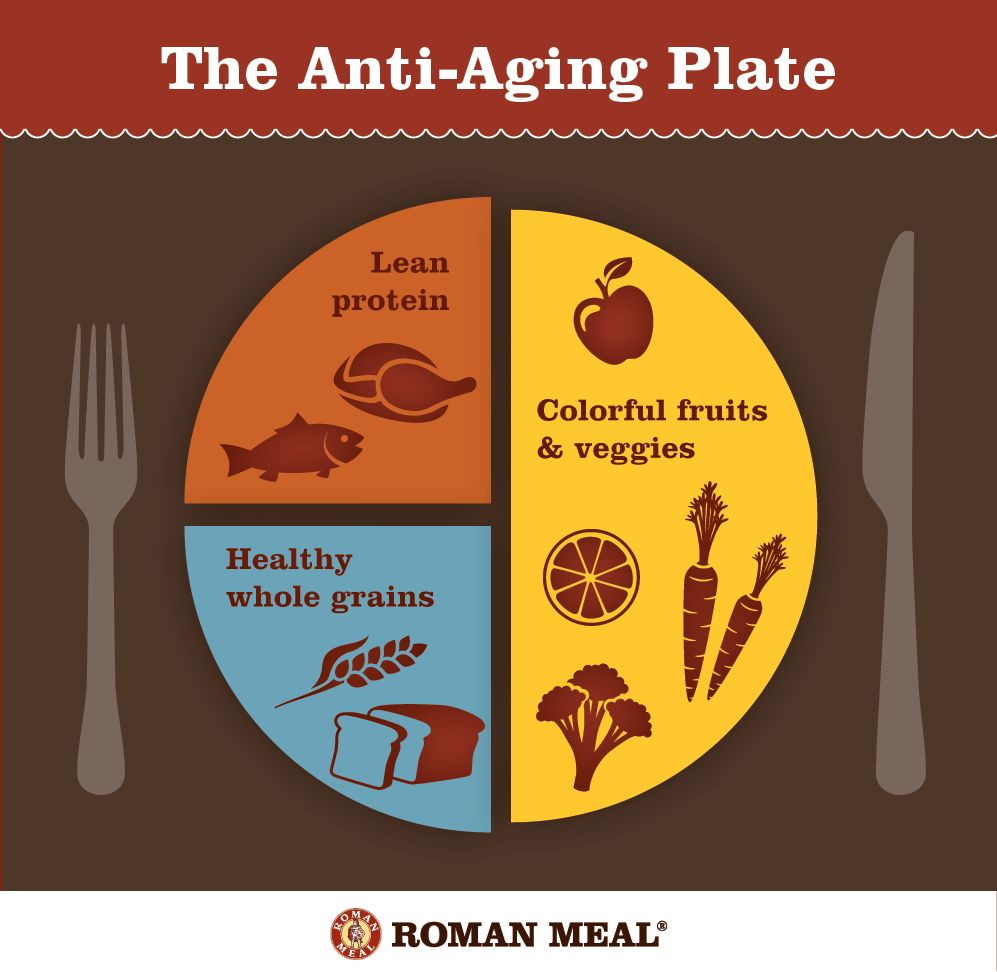
- A Balanced, Whole-Foods Diet: Emphasize a diet rich in diverse fruits, vegetables, whole grains, lean proteins, and healthy fats.
- Regular Physical Activity: Exercise combats inflammation, improves circulation, maintains muscle mass, and boosts mood.
- Adequate Sleep: Rest is when the body repairs and regenerates.
- Stress Management: Chronic stress accelerates aging at a cellular level. Practices like mindfulness, meditation, and spending time in nature are vital.
- Social Connection: Strong social bonds are linked to increased longevity and well-being.
- Environmental Awareness: Minimizing exposure to toxins and pollutants reduces the burden on our detoxification systems.
Summer squash, when embraced as part of this comprehensive strategy, becomes a powerful catalyst, enhancing the body’s natural resilience and contributing significantly to a vibrant, energetic, and long life.
Conclusion: Embracing Nature’s Gift
As the summer sun dips below the horizon, casting long shadows over the garden, the humble summer squash remains, a testament to nature’s profound capacity for nourishment and healing. It is a symbol of abundance, a delicious and versatile ingredient, and, as we’ve explored, a formidable ally in the quest for healthy aging.
From combating the insidious creep of oxidative stress and inflammation to fortifying our vision, protecting our hearts, and nourishing our skin and brains, the antioxidant power of summer squash is undeniable. It reminds us that the secrets to vitality often lie in the simplest, most accessible gifts of the earth.
So, as you gather your summer bounty, look at that zucchini, that yellow squash, that pattypan, with new eyes. See beyond its mild flavor and appreciate the intricate dance of carotenoids, vitamins, minerals, and polyphenols working in harmony to preserve your youthful essence. Let summer squash be more than just a vegetable on your plate; let it be a conscious choice, a celebration of health, and a delicious step towards a more vibrant, resilient, and enduring life. The story of anti-aging is not one of fleeting fads, but of consistent, intelligent nourishment, and in that narrative, summer squash plays a leading role.