
In the vibrant tapestry of global cuisine, few ingredients are as universally beloved and versatile as the tomato. From the sun-drenched fields of Italy, where it forms the soul of countless sauces, to the bustling markets of Mexico, where it adds tang to salsas, the humble tomato has journeyed across continents and cultures, embedding itself deeply into our culinary traditions. Yet, beneath its juicy flesh and vibrant hue lies a sophisticated biochemical arsenal, hinting at a power far beyond its culinary charm. For centuries, its role was primarily gastronomic, a delightful addition to meals. Today, however, a growing body of scientific inquiry is illuminating a more profound role: that of a natural shield, potentially guarding against the insidious march of chronic diseases.
This is not merely a tale of a fruit (or vegetable, depending on your culinary perspective) that tastes good; it’s a story of evolutionary adaptation, biochemical ingenuity, and the relentless human quest for health and longevity. It’s a narrative that begins with the tomato’s arduous journey from its wild ancestors to our dinner plates and culminates in a fascinating exploration of how its unique compounds interact with our complex biological systems, offering a glimmer of hope in the ongoing battle against ailments like heart disease, cancer, and diabetes.
The Odyssey of the Crimson Jewel: From Wild Vine to Wellness Icon
Our story begins in the Andean highlands of South America, where the wild ancestors of today’s cultivated tomatoes, small and often bitter, first took root. For millennia, indigenous peoples cultivated these plants, slowly selecting for larger, sweeter, and more palatable varieties. By the time the Spanish conquistadors arrived in the 16th century, the tomato had already become a staple in Mesoamerican diets, cherished by the Aztecs and Incas.
When the tomato made its way to Europe, its reception was mixed. Its botanical kinship with nightshade plants, some of which are highly poisonous, led to widespread suspicion. For nearly two centuries, it was largely relegated to ornamental gardens, earning the moniker "poison apple" in some regions. It wasn’t until the 18th century, particularly in Italy and Spain, that its culinary potential began to be fully embraced, slowly shedding its reputation as a dangerous curiosity. Its rich flavor and adaptability soon made it indispensable, giving birth to iconic dishes that define Mediterranean cuisine.
This historical journey is more than just an interesting anecdote; it underscores the tomato’s gradual integration into human diets, an integration that has inadvertently positioned it as a significant source of vital nutrients and bioactive compounds for billions worldwide. As science advanced, what was once appreciated solely for its taste and versatility began to reveal its deeper, health-protective secrets.
The Biochemical Symphony: Unpacking the Tomato’s Nutritional Arsenal
To understand how tomatoes might act as a natural shield, we must first delve into their intricate composition. The magic isn’t in a single compound, but rather a synergistic blend of vitamins, minerals, fiber, and, most notably, a class of vibrant pigments called carotenoids.
1. Lycopene: The Star Performer
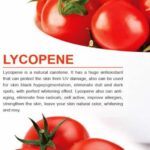
At the heart of the tomato’s health benefits, and responsible for its characteristic red hue, is lycopene. This powerful carotenoid is the most abundant carotenoid in human blood plasma and tissues, and tomatoes and tomato products are its primary dietary source. Unlike beta-carotene, another well-known carotenoid, lycopene does not convert to vitamin A in the body. Instead, it exerts its influence through its extraordinary antioxidant capabilities.
Lycopene’s unique molecular structure, with its many conjugated double bonds, makes it exceptionally adept at neutralizing singlet oxygen, a highly reactive form of oxygen that can inflict significant damage on cells and DNA. This ability to quench free radicals is paramount, as oxidative stress is a fundamental driver of chronic inflammation and cellular damage, underpinning the development of numerous chronic diseases. Research has shown that lycopene is one of the most potent antioxidants among common dietary carotenoids, often surpassing beta-carotene and alpha-tocopherol (Vitamin E) in its ability to protect against oxidative damage.
Furthermore, lycopene exists in different isomeric forms: all-trans and various cis-isomers. While all-trans lycopene is predominant in raw tomatoes, cooking and processing can convert it to cis-isomers, which some research suggests might be more bioavailable and thus more readily absorbed by the body. This nuance highlights the complexity and fascinating chemistry behind the tomato’s health effects.
2. A Supporting Cast of Carotenoids
While lycopene takes center stage, other carotenoids contribute to the tomato’s protective profile. These include:
- Beta-carotene: A precursor to Vitamin A, essential for vision, immune function, and skin health.
- Phytoene and Phytofluene: These "colorless" carotenoids are also potent antioxidants and have been linked to photoprotection and anti-inflammatory effects. They are particularly abundant in tomatoes.
3. Vitamins Galore
Tomatoes are a rich source of several essential vitamins:
- Vitamin C (Ascorbic Acid): Another powerful antioxidant, crucial for immune function, collagen synthesis, and protecting cells from oxidative damage.
- Vitamin K1 (Phylloquinone): Important for blood clotting and bone health.
- Potassium: An essential mineral vital for maintaining healthy blood pressure, fluid balance, and nerve function.
- Folate (Vitamin B9): Crucial for cell growth and function, and for reducing homocysteine levels, a risk factor for heart disease.
4. Phenolic Compounds
Beyond carotenoids and vitamins, tomatoes contain a diverse array of phenolic compounds, including flavonoids (e.g., naringenin, rutin) and phenolic acids (e.g., chlorogenic acid). These compounds possess their own antioxidant, anti-inflammatory, and anti-cancer properties, contributing to the overall synergistic effect of the tomato’s phytochemical profile.
5. Fiber
Like most fruits and vegetables, tomatoes are a good source of dietary fiber, both soluble and insoluble. Fiber is crucial for digestive health, promoting regularity, aiding in blood sugar control, and contributing to satiety, which can help with weight management – a critical factor in preventing many chronic diseases.
The Mechanisms of Protection: How Tomatoes Interact with Our Biology
With such a rich array of bioactive compounds, the question shifts from "what’s in a tomato?" to "how does it work?" The answer lies in a complex interplay of mechanisms that target the fundamental pathways underlying chronic disease development.
1. Potent Antioxidant Activity: As mentioned, lycopene, vitamin C, beta-carotene, and phenolic compounds collectively form a formidable defense against oxidative stress. By neutralizing free radicals and reactive oxygen species (ROS), they protect cellular components – DNA, proteins, and lipids – from damage. This protection is crucial, as chronic oxidative stress is implicated in atherosclerosis, carcinogenesis, neurodegeneration, and diabetic complications.
2. Anti-inflammatory Effects: Chronic low-grade inflammation is a silent assassin, contributing to a vast spectrum of diseases from heart disease and cancer to autoimmune conditions and metabolic syndrome. Tomato compounds, particularly lycopene and flavonoids, have been shown to modulate inflammatory pathways. They can suppress the activation of pro-inflammatory transcription factors like NF-κB and reduce the production of inflammatory cytokines (e.g., TNF-α, IL-6), thereby dampening the inflammatory cascade.
3. Cell Cycle Regulation and Apoptosis: In the context of cancer prevention, the ability to regulate cell growth and induce programmed cell death (apoptosis) in abnormal cells is paramount. Studies suggest that lycopene and other tomato phytochemicals can influence cell signaling pathways, inhibit uncontrolled cell proliferation, and promote apoptosis in various cancer cell lines, essentially "telling" damaged cells to self-destruct before they can form tumors.
4. Metabolic Modulation: Tomato consumption has been linked to improvements in various metabolic parameters. The fiber content aids in glucose regulation, while certain compounds may improve insulin sensitivity and lipid profiles (e.g., reducing LDL cholesterol oxidation). These effects are vital for preventing type 2 diabetes and cardiovascular disease.
5. Endothelial Function Improvement: The endothelium, the inner lining of blood vessels, plays a critical role in cardiovascular health. Oxidative stress and inflammation can impair endothelial function, leading to stiffness and plaque formation. Tomato compounds can protect the endothelium, promote vasodilation, and reduce platelet aggregation, all contributing to healthier blood vessels.
6. Gut Microbiome Modulation: Emerging research suggests that dietary fiber and certain phytochemicals can positively influence the gut microbiome. A healthy and diverse gut microbiota is increasingly recognized as fundamental to overall health, impacting immune function, metabolism, and even mental well-being. Tomatoes contribute to this beneficial environment, potentially influencing disease risk through this indirect pathway.
The Natural Shield in Action: Targeting Specific Chronic Diseases
Armed with this understanding of the tomato’s biochemical prowess, we can now explore its specific implications for some of humanity’s most prevalent and devastating chronic diseases.
1. Cardiovascular Disease (CVD): Protecting the Heart and Vessels
CVD remains the leading cause of death worldwide. The development of atherosclerosis, characterized by plaque buildup in arteries, is a complex process driven by oxidative stress, inflammation, and lipid abnormalities. Here, tomatoes shine as a potential protector:
- Lowering Oxidized LDL: Lycopene is particularly effective at preventing the oxidation of low-density lipoprotein (LDL) cholesterol, a crucial step in the initiation of atherosclerotic plaques.
- Improving Endothelial Function: By reducing oxidative stress and inflammation, tomato compounds help maintain the elasticity and function of blood vessels, promoting healthy blood flow and reducing blood pressure.
- Blood Pressure Regulation: The potassium content in tomatoes contributes to maintaining healthy blood pressure, while other compounds may enhance nitric oxide production, a vasodilator.
- Anti-platelet Effects: Some research suggests that tomato components can reduce platelet aggregation, potentially lowering the risk of clot formation that can lead to heart attacks and strokes.
Numerous epidemiological studies have observed a consistent inverse association between tomato and lycopene intake and the risk of CVD, including myocardial infarction and stroke. Intervention studies, though smaller, have shown improvements in markers of cardiovascular health, such as reduced LDL oxidation and improved blood pressure.
2. Cancer: A Natural Defense Against Cellular Rebellion
The potential role of tomatoes in cancer prevention has garnered significant scientific interest, particularly concerning prostate cancer.
- Prostate Cancer: A substantial body of evidence, including both observational and laboratory studies, suggests that regular consumption of tomatoes and tomato products may reduce the risk of prostate cancer. Lycopene’s antioxidant and anti-inflammatory properties, coupled with its ability to induce apoptosis and inhibit cancer cell growth, are thought to be key. The prostate gland appears to be particularly receptive to lycopene accumulation.
- Other Cancers: Beyond prostate cancer, research indicates potential protective effects against other malignancies, including breast, lung, colorectal, gastric, and pancreatic cancers. The broad mechanisms of action – antioxidant defense, anti-inflammatory effects, cell cycle arrest, and inhibition of angiogenesis (the formation of new blood vessels that feed tumors) – are likely responsible for these wider benefits. While more research, particularly large-scale randomized controlled trials, is needed to establish definitive causal links, the existing evidence is compelling.
3. Type 2 Diabetes: Balancing Blood Sugar and Mitigating Complications
Type 2 diabetes is a global epidemic characterized by insulin resistance and high blood sugar levels. Oxidative stress and chronic inflammation play significant roles in its development and the progression of its devastating complications.
- Insulin Sensitivity: Some studies suggest that lycopene and other tomato compounds may improve insulin sensitivity, helping cells respond more effectively to insulin and manage glucose levels.
- Reducing Oxidative Stress: By combating oxidative stress, tomatoes can protect pancreatic beta-cells (which produce insulin) from damage and reduce inflammation in adipose tissue, both of which are crucial for preventing and managing diabetes.
- Glycemic Control: The fiber content in tomatoes contributes to better glycemic control by slowing down sugar absorption and preventing sharp blood sugar spikes.
While research is still evolving, the anti-inflammatory and antioxidant properties of tomatoes make them a promising dietary component for both preventing type 2 diabetes and mitigating its associated complications.
4. Neurodegenerative Diseases: Protecting the Mind
Diseases like Alzheimer’s and Parkinson’s are characterized by neuronal damage, often driven by oxidative stress, inflammation, and protein aggregation. The brain is particularly vulnerable to oxidative damage due to its high metabolic rate and lipid content.
- Antioxidant Defense in the Brain: Lycopene, capable of crossing the blood-brain barrier, can exert its antioxidant effects within neural tissues, potentially protecting neurons from oxidative damage and inflammation.
- Cognitive Function: Some studies have explored links between higher carotenoid intake, including lycopene, and improved cognitive function and reduced risk of cognitive decline in older adults. While direct causality is complex to establish, the protective mechanisms are biologically plausible.
5. Bone Health and Other Benefits:
- Bone Health: The presence of Vitamin K in tomatoes contributes to bone health, as it plays a role in calcium metabolism and bone mineralization.
- Skin Health: Lycopene’s antioxidant properties also extend to skin protection. It can help protect against UV-induced damage, reduce redness, and improve skin texture, acting as an internal sunscreen, though it doesn’t replace topical sun protection.
Unlocking the Potency: Optimizing Tomato Bioavailability
The story of the tomato’s health benefits isn’t just about what’s inside; it’s also about how we consume it. The bioavailability of lycopene, the key player, is significantly influenced by preparation methods.
- Heat is Your Friend: Unlike many nutrients that degrade with heat, lycopene’s bioavailability actually increases when tomatoes are cooked or processed. The heat breaks down the rigid cell walls of the tomato, releasing the lycopene and making it more accessible for absorption. Moreover, cooking can convert all-trans lycopene to cis-isomers, which are thought to be more readily absorbed. This is why tomato paste, sauces, and cooked tomatoes often provide more bioavailable lycopene than raw tomatoes.
- Fat for Absorption: Lycopene is fat-soluble. Consuming tomatoes with a source of healthy fat (e.g., olive oil, avocado, nuts) dramatically enhances its absorption in the digestive tract. This explains why Italian tomato sauces, traditionally made with olive oil, are not just delicious but also incredibly effective at delivering lycopene.
- Processed vs. Raw: While raw tomatoes are certainly healthy, processed tomato products like paste, purée, ketchup, and juice often contain higher concentrations of bioavailable lycopene per serving due to the cooking and concentration processes. This isn’t to say raw tomatoes aren’t beneficial – they offer a wider spectrum of heat-sensitive vitamins and fiber – but for maximizing lycopene intake, cooked and processed forms are superior.
- Synergistic Effects: The overall health benefits of tomatoes are likely due to the synergistic interaction of all their compounds, rather than just one. Consuming tomatoes as part of a balanced diet rich in other fruits, vegetables, and healthy fats will maximize these effects.
Navigating the Scientific Landscape: Nuance and Future Directions
While the evidence for tomatoes as a natural shield is compelling, it’s crucial for a knowledgeable audience to appreciate the nuances and complexities of scientific research.
- Observational vs. Interventional Studies: Much of the evidence linking tomato consumption to reduced chronic disease risk comes from epidemiological (observational) studies. These studies can identify associations but cannot definitively prove causation. While they consistently point towards a protective effect, confounding factors (e.g., people who eat more tomatoes generally have healthier lifestyles) can influence results.
- Randomized Controlled Trials (RCTs): To establish causality, large-scale randomized controlled trials are needed. These trials are more challenging to conduct for dietary interventions due to the complexity of human diets and the long latency periods of chronic diseases. However, smaller intervention studies have provided valuable insights into specific biomarkers and short-term physiological effects.
- Dose-Response and Variability: The optimal dose of lycopene or tomato products for specific health benefits is still being refined. Furthermore, individual responses can vary due to genetic differences, lifestyle, and gut microbiome composition.
- The Whole Food Advantage: It’s important to remember that the benefits likely stem from the whole tomato and its matrix of interacting compounds, rather than isolated lycopene supplements. While lycopene supplements are available, research generally suggests that consuming whole tomato products provides superior benefits due to the synergistic effects of its various phytochemicals.
The scientific journey is ongoing. Future research will continue to unravel the precise molecular mechanisms, refine optimal dietary recommendations, and explore the full spectrum of the tomato’s health-protective potential.
Integrating the Natural Shield into Your Lifestyle
The good news is that incorporating this natural shield into your daily diet is both delicious and straightforward. Given its versatility, the tomato can be enjoyed in countless ways:
- Sauces and Pastes: Embrace classic Italian cooking with rich tomato sauces for pasta, pizza, or as a base for stews.
- Soups and Stews: A hearty tomato soup, a spicy chili, or a vegetable stew provides a concentrated dose of cooked tomatoes.
- Roasted Tomatoes: Roasting brings out their sweetness and enhances lycopene bioavailability. Drizzle with olive oil and herbs.
- Salsas and Dips: While raw, the small amount of fat in many salsas can aid absorption, and the overall nutritional benefits are still significant.
- Juice and Smoothies: A glass of tomato juice (low sodium) or a smoothie with tomatoes can be a quick and easy way to boost intake.
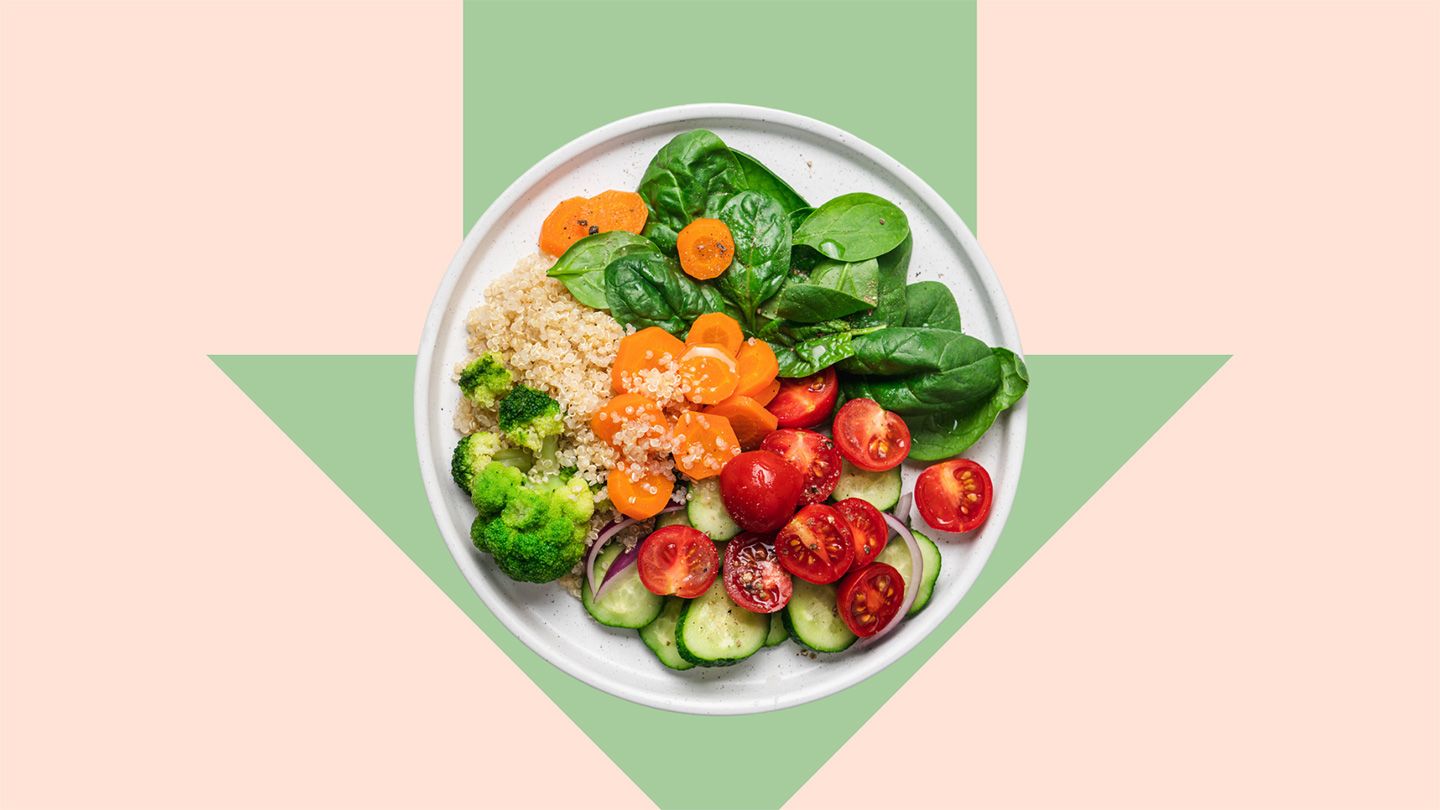
- Salads: Don’t forget the freshness of raw tomatoes in salads, providing vitamin C and fiber. Pair with avocado or a vinaigrette for fat.
- Sundried Tomatoes: A concentrated source of nutrients and flavor, perfect for salads, sandwiches, and appetizers.
The key is consistency and variety. Make tomatoes a regular feature in your meals, experimenting with different forms to maximize their diverse health benefits.
The Enduring Promise of the Natural Shield
The story of the tomato, from a humble wild fruit to a global culinary icon, is now intertwined with a powerful scientific narrative. It is a testament to the profound connection between nature and human health. The evidence, though still accumulating, paints a compelling picture: the tomato, with its vibrant lycopene and a symphony of other bioactive compounds, truly acts as a natural shield, offering a significant and delicious contribution to lowering our risk of chronic diseases.
In an age dominated by pharmaceuticals and complex medical interventions, the simple act of incorporating more tomatoes into our diet stands as a powerful reminder of nature’s inherent wisdom. It’s a call to embrace wholesome, nutrient-rich foods not just for their flavor, but for their profound capacity to nurture and protect our bodies. The natural shield, crimson and potent, awaits its place on your plate, a silent guardian in the ongoing quest for a healthier, longer life.
:strip_icc()/Tomato-Pests-and-How-to-Get-Rid-of-Them-Stink-Bug-1028790710-f4d1900cb233420fb13fd7e715bf6531.jpg "The Natural Shield: Can Tomatoes Help Lower Your Risk of Chronic Disease?")